





Traditional Low Stool
These traditional low stool designs offer versatile seating and foot support, spanning vernacular country forms to refined revival styles.
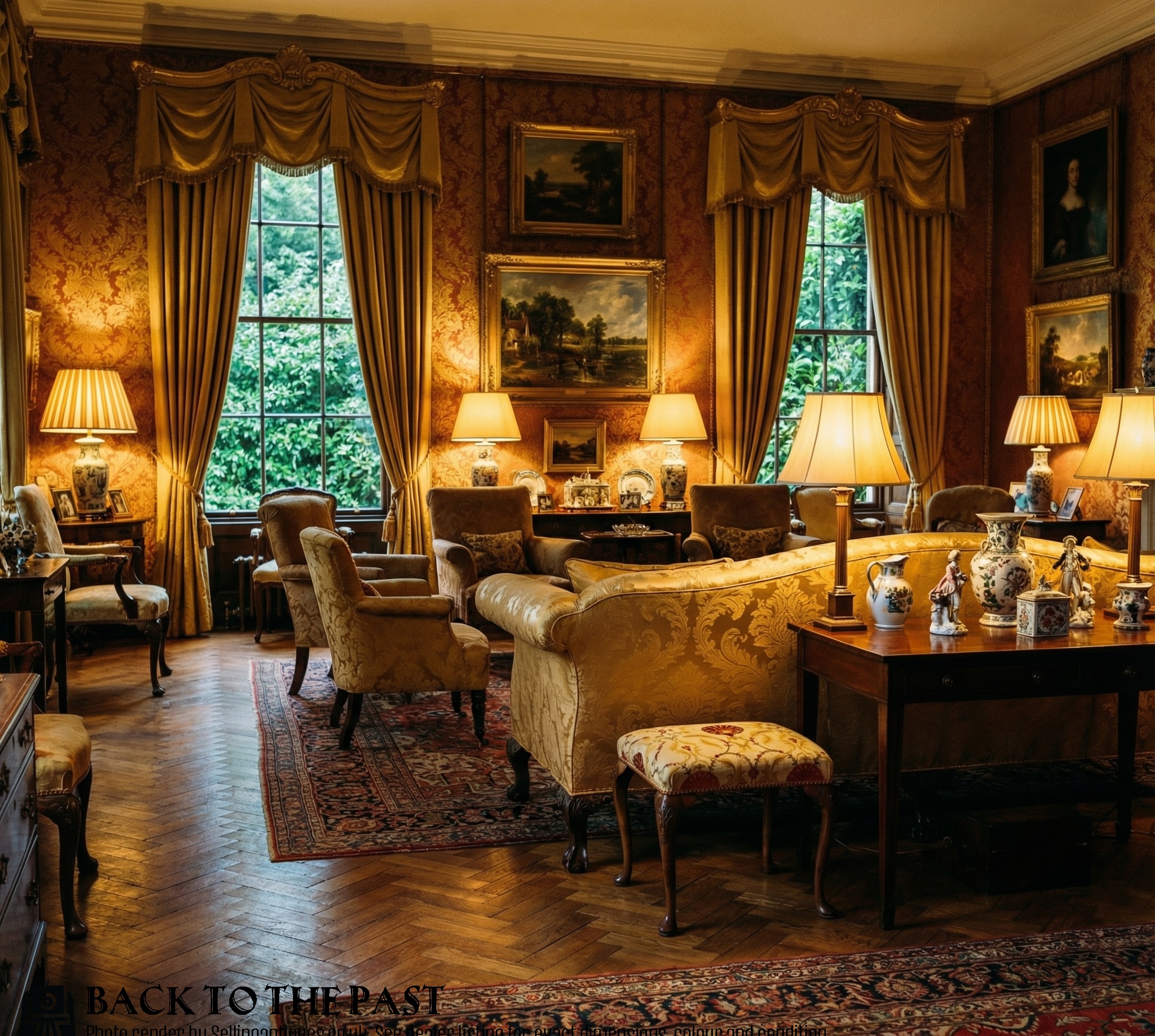
Traditional Low Stool
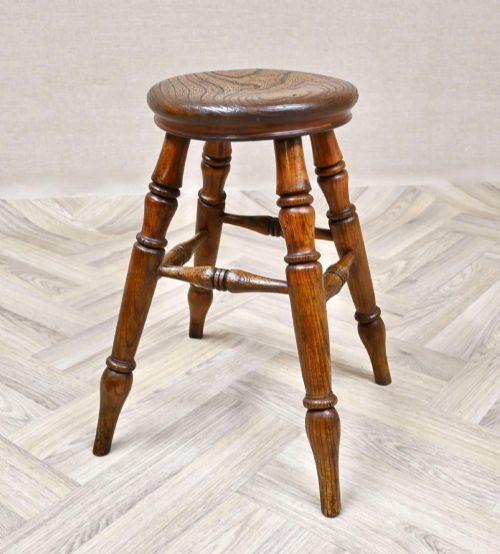
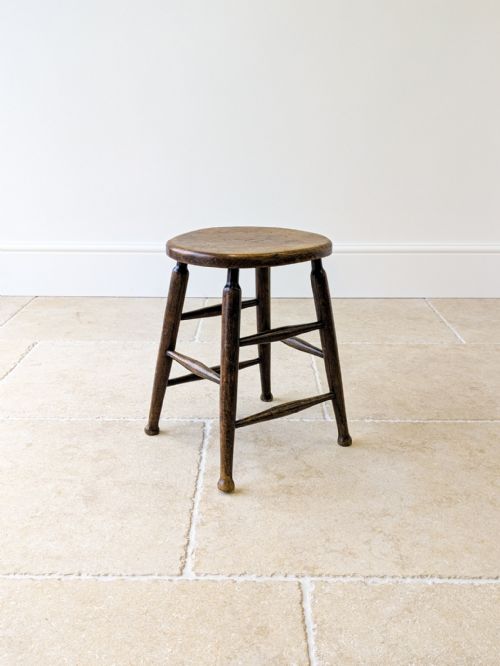
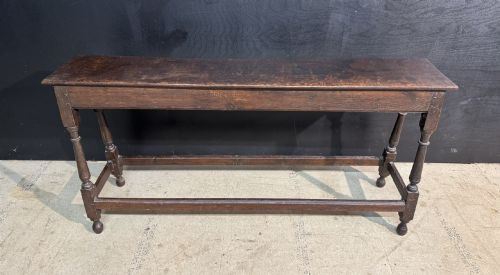
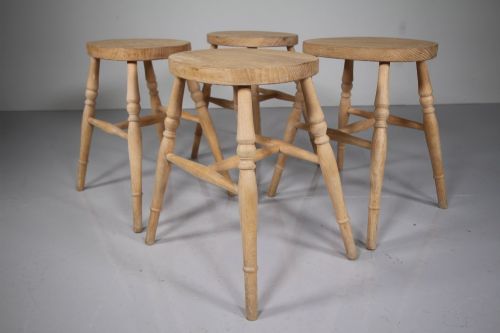
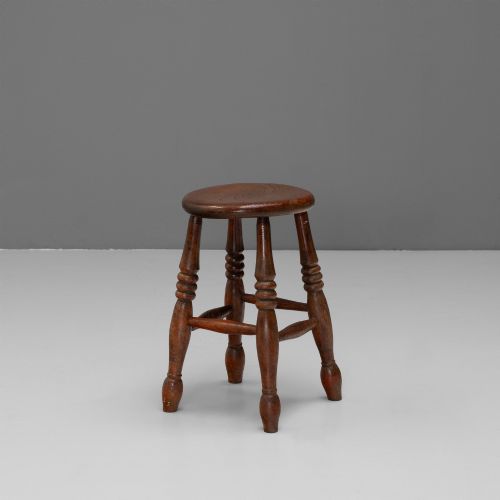
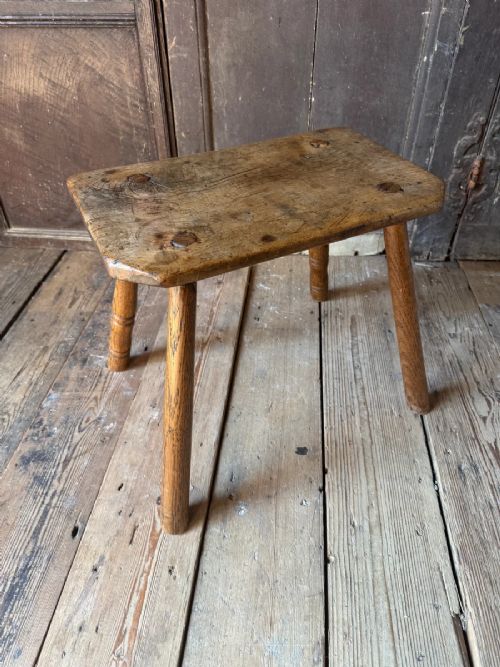
A traditional low stool serves utilitarian purposes in domestic spaces, functioning as a seat, footrest, or low table surface. Pieces range from primitive three-legged milk stools to formal Georgian and Victorian upholstered designs.
The selections on this page draw from 18th century, 19th century, and early 20th century periods. Oak and elm joint stools sit alongside mahogany footstools and ash vernacular seating.
Country house and rustic styles dominate the offerings alongside Jacobean revival and Queen Anne influences. Buyers encounter oblong footstools, milking stools, and low side tables sharing compact proportions.
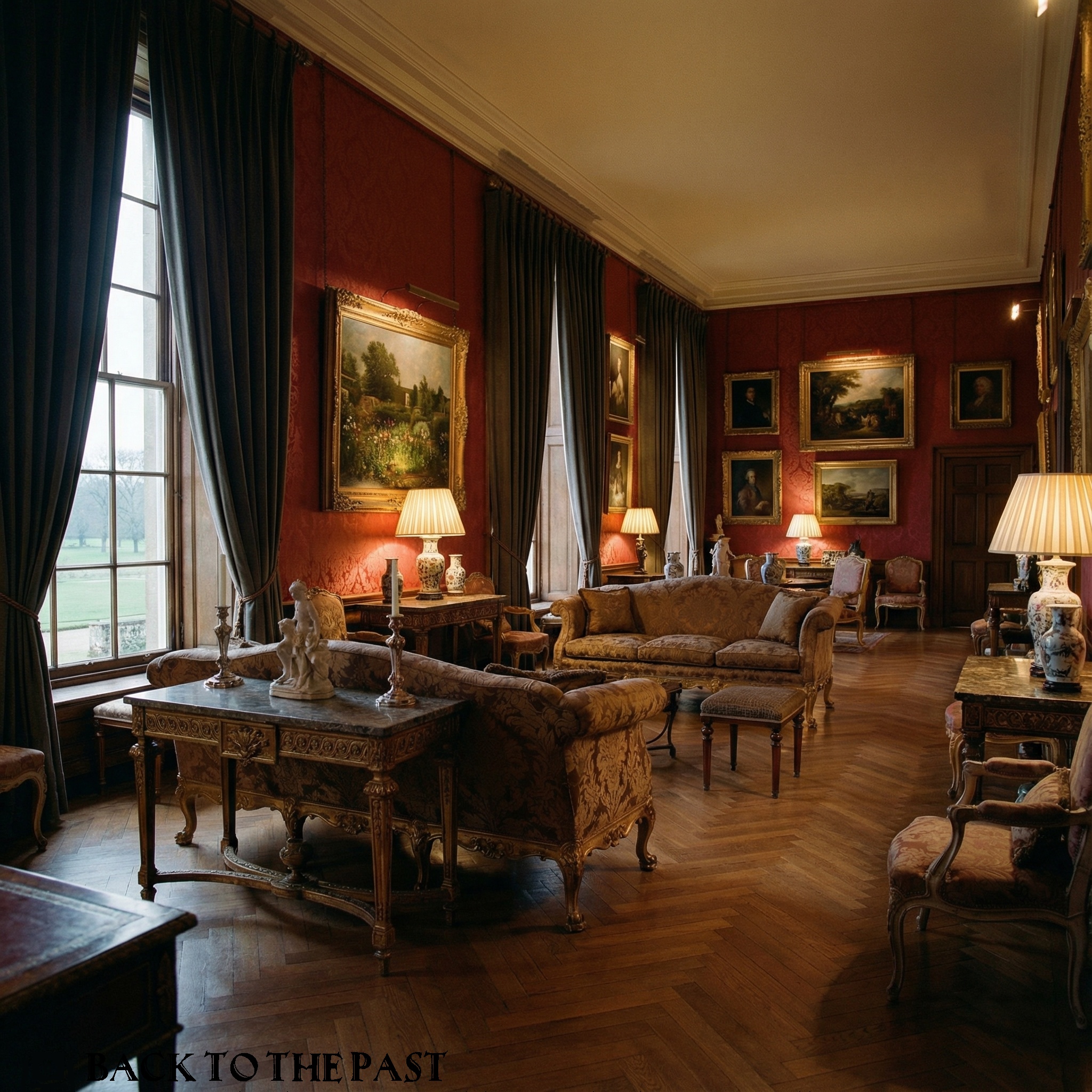
Materials and construction methods
Cabinetmakers and rural joiners utilised native hardwoods such as oak, elm, ash, sycamore, and mahogany. Joints relied on mortise and tenon construction, pegging, and turned wooden legs fitted directly into seats.
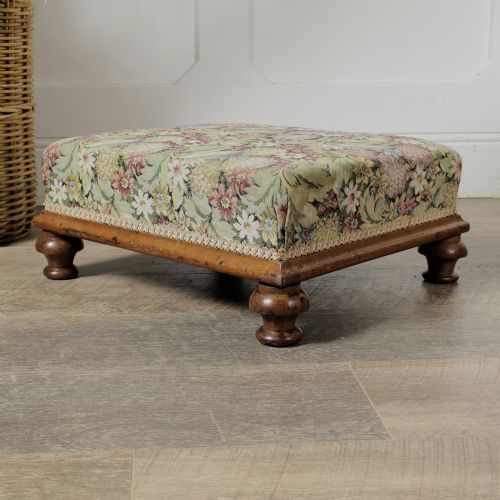
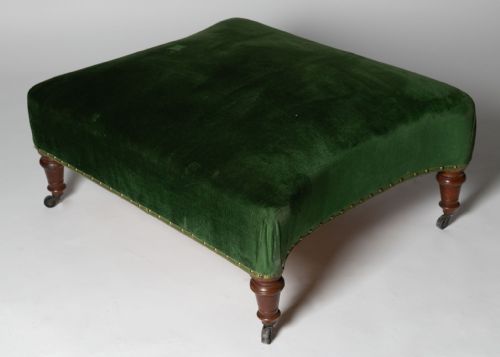
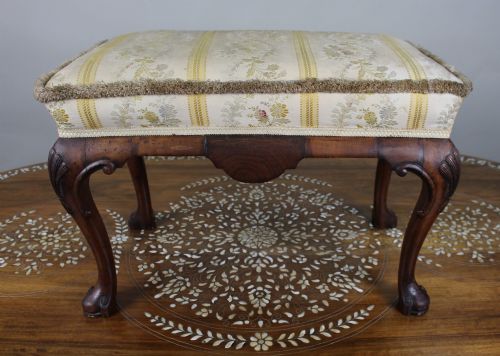
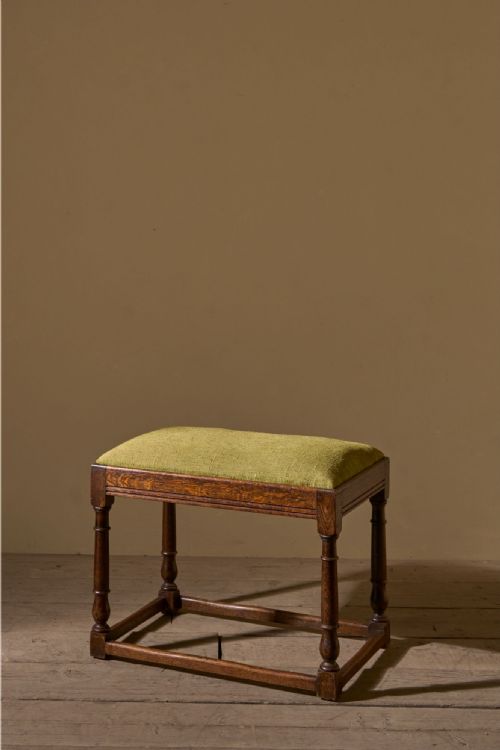
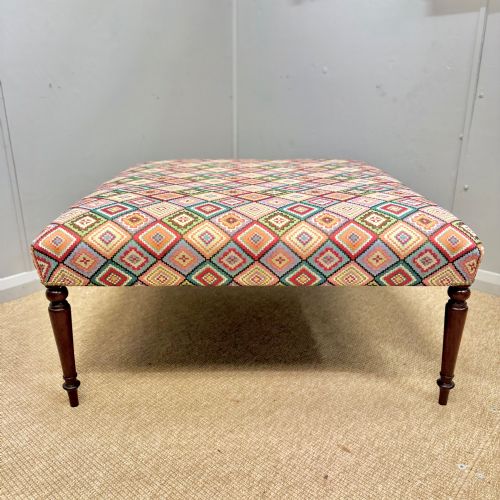
Upholstered variations incorporate textile, fabric, green linen, and needlework coverings over padded foundations. Brass castors, caning, and ball feet appear on specific Victorian and Edwardian iterations.
Traditional Low Stool Retail Price Guide 2026
Typical asking prices for traditional low stool among the pieces listed under this phrase on Sellingantiques today, from the lower quarter to the upper quarter. They describe what is for sale here now, not the wider market.
Listings feature structural timbers including oak, elm, ash, walnut, and mahogany across 18th, 19th, and early 20th century periods.
Factors influencing quality and character
The integrity of timber framing and the survival of original surfaces dictate the character of each piece. Early joint stools display hand-cut joinery and authentic patina from prolonged domestic use.
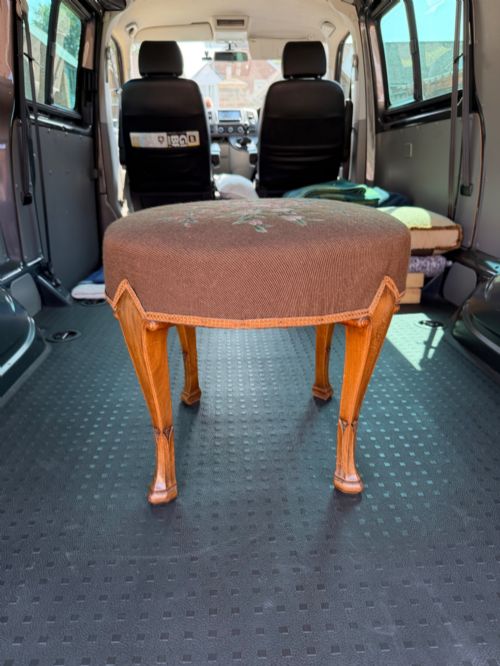
Proportion and decorative restraint separate vernacular utility from stylistic revival pieces. Refined cabriole legs, shaped aprons, and period upholstery contrast with the stark utility of primitive milking stools.
Jack Grimble
The Traditional Low Stool Glossary
- Joint stool
- A sturdy wooden stool constructed with mortise and tenon joints rather than turned legs driven into a seat. These pieces date predominantly from the 17th and 18th centuries.
- Vernacular furniture
- Objects built by local craftsmen to practical designs using regional materials, free from high-style metropolitan influence. This category includes milking stools and rustic ash seating.
- Cabriole leg
- A furniture leg featuring a double curve, typically curving outward at the knee and inward at the ankle, common on Queen Anne and Georgian pieces.
- Caned top
- A seat or surface woven from split rattan or cane material, frequently found on Edwardian and early 20th century stools and tables.
- Luggage rack
- A low frame designed for supporting bags, sharing similar dimensions and construction methods with traditional stools.
Traditional Low Stool: Frequently Asked Questions
What were traditional low stools used for originally?
Rural workers utilised primitive three-legged stools for milking and daily chores close to the hearth. Domestic households deployed upholstered footstools to provide comfort beside firesides and dressing tables.
Heavier joint stools served double duty as small tables or steps to reach high shelves. Their low profile ensured easy storage beneath larger furniture pieces when not in active use.
How do I date an antique wooden stool?
Examination of tool marks, timber species, and joint construction reveals the manufacturing era. Hand-sawn boards and pegged mortise and tenon joints generally indicate 18th century or earlier origin.
Later Victorian and Edwardian examples often incorporate machine-turned components, applied mouldings, and commercial fixings. Secondary woods and wear patterns around footrests further clarify the period of production.
Are these stools suitable for daily seating?
Solid hardwood frames provide sturdy structural support suited for regular sitting or resting feet. Compact dimensions make them adaptable extra seats for modern living spaces and narrow hallways.
Upholstered variants offer padded comfort, though older fabric may warrant gentle treatment or renewed cushioning. Wooden tops require minimal maintenance beyond standard polishing to preserve the grain.
What is the difference between a footstool and a joint stool?
A joint stool is an architectural wooden seat built with stretchers and rigid frames designed to bear substantial weight. Footstools sit closer to the floor and frequently incorporate padding, upholstery, or needlework.
Joint stools function as rigid stands or auxiliary seating, whereas footstools provide elevation for legs during relaxation. Both types share compact footprints characteristic of low traditional seating.