






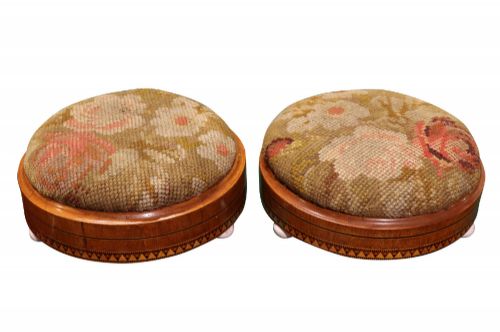
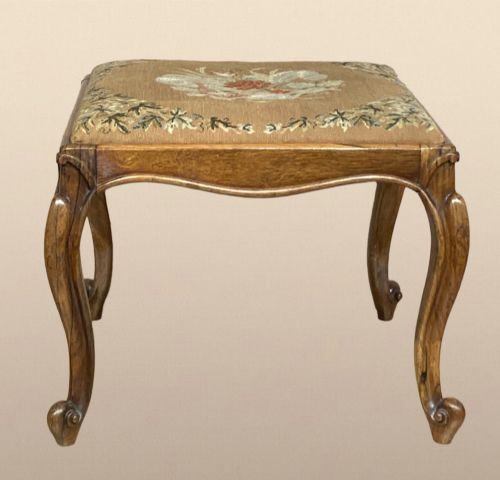

Floral Needlepoint Stool
These floral needlepoint stool examples combine practical seating with hand-worked textile artistry from the nineteenth and early twentieth centuries.
Floral Needlepoint Stool
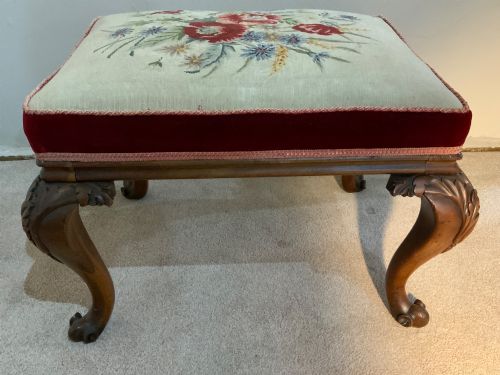
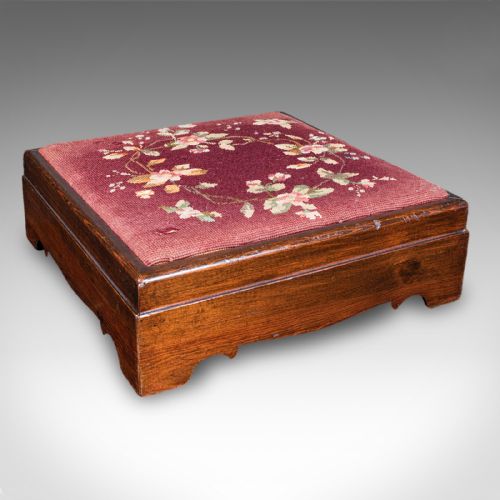
A floral needlepoint stool serves primarily as a footstool, fireside seat or dressing table accessory. Pieces span the Victorian, Edwardian and later periods up to the nineteen-thirties.
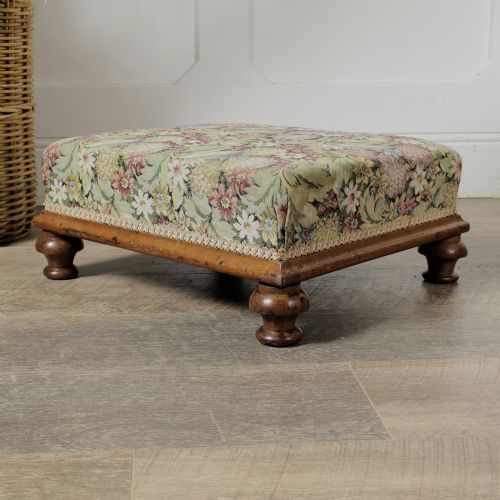
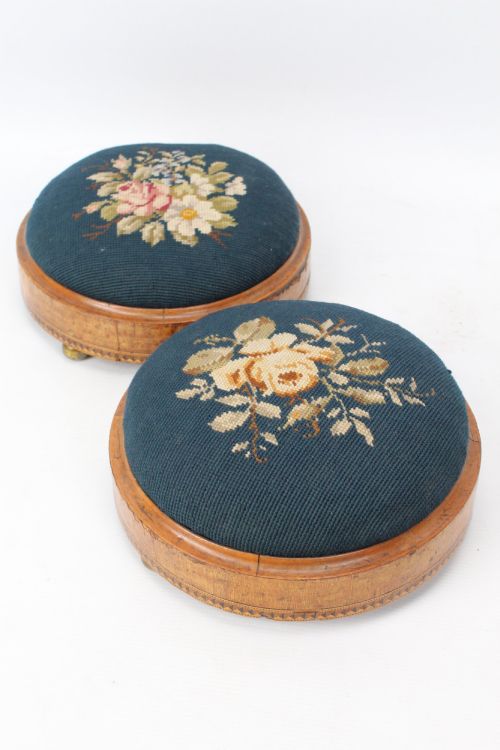
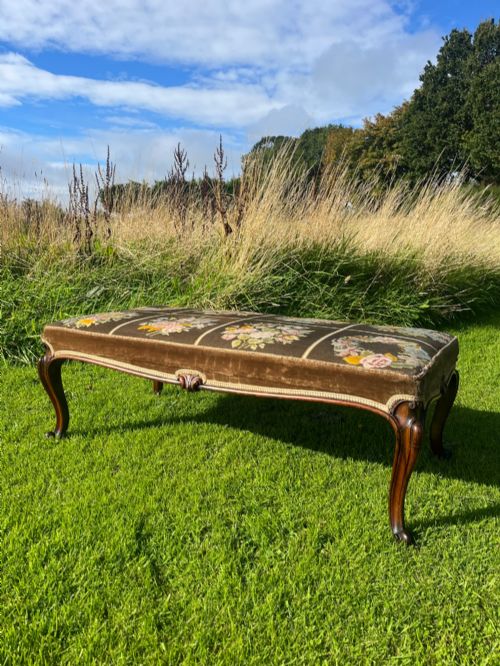
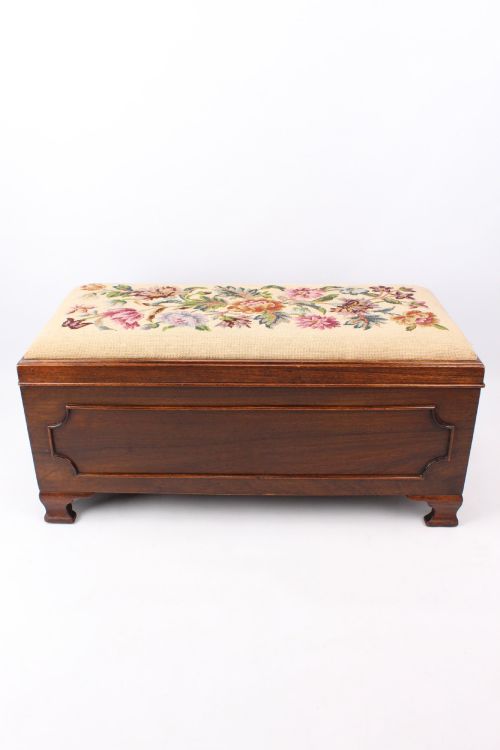
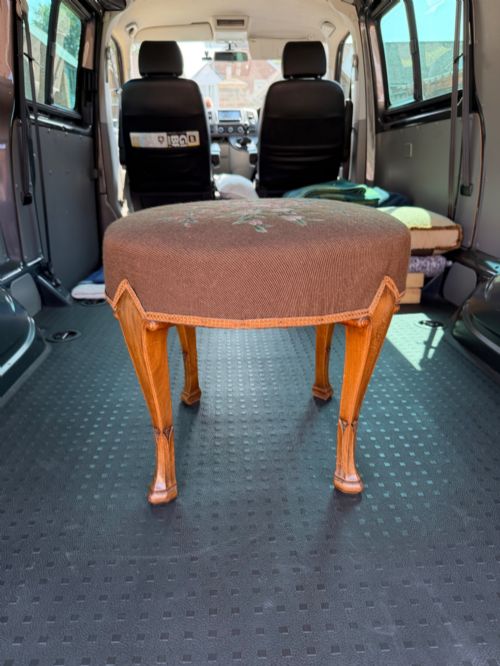
The most common form on this page pairs a sturdy timber frame with a stitched tapestry or wool top. Footstools and ottomans appear in various shapes from circular to long bench formats.
Origins range across English workshops, Scottish baronial designs and continental European pieces including French and Italian examples.
Materials and construction
Frames rely on traditional cabinet timbers such as walnut, mahogany, rosewood and pitch pine. Certain pieces incorporate brass details or painted finishes.
Seating areas utilise wool tapestry and needlepoint textile work alongside velvet upholstery. Internal stuffing secures the stitched needlework over the wooden frame.
Floral Needlepoint Stool Retail Price Guide 2026
Typical asking prices for floral needlepoint stool among the pieces listed under this phrase on Sellingantiques today, from the lower quarter to the upper quarter. They describe what is for sale here now, not the wider market.
Listings feature walnut, mahogany and rosewood timber frames paired with wool needlepoint and tapestry textiles across several centuries.
Assessing quality and execution
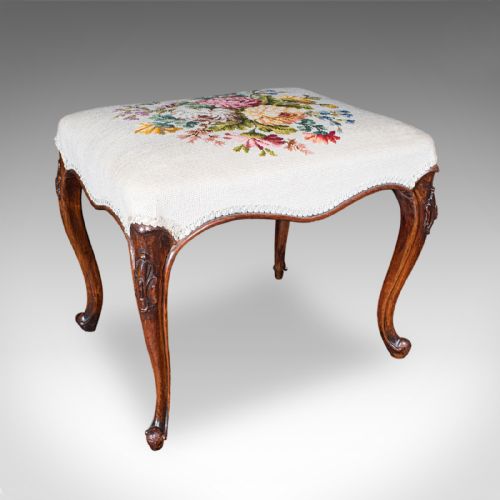
Quality rests upon the crispness of the timber carving and the density of the needlepoint stitches. Dense wool work on walnut or rosewood frames indicates superior execution.
The integrity of the original frame joinery and the survival of period upholstery distinguish finer examples from standard workshop production.
Whytock and Reid
The Floral Needlepoint Stool Glossary
- Needlepoint
- A type of counted thread embroidery stitched on a stiff open weave canvas. This technique forms the decorative floral patterns on the seat tops.
- Cabriole leg
- A furniture leg that curves out and then in, resembling an animal's leg. This style appears frequently on Victorian walnut frames.
- Tapestry
- A form of textile art woven on a loom or worked by hand. Pieces in these listings use tapestry for seat coverings.
- Ottoman
- A low upholstered seat or footstool without arms or a back. Larger versions accommodate longer seating arrangements.
Floral Needlepoint Stool: Frequently Asked Questions
What periods do these stools date from?
Most examples originate from the Victorian and Edwardian eras, alongside pieces from the early nineteenth century and the nineteen-twenties.
Design styles reflect these periods, incorporating Victorian revival forms, Queen Anne style influences and Regency details.
How were these stools used originally?
These pieces functioned as fireside footstools, dressing table seats and low resting stools in period drawing rooms.
Longer versions served as ottomans or benches, while revolving piano stools provided adjustable height for musicians.
Are the tapestry tops original?
Many listings retain their original wool needlepoint or tapestry tops, often secured over traditional stuffing and canvas foundations.
Some pieces preserve their early fabric while others feature later needlework applied to period frames.
Which woods are most common?
Walnut and mahogany appear frequently across the nineteenth-century selections on this page.
Rosewood, pitch pine and painted woods also feature in various English, Scottish and continental European frames.