



18th Century Stool
When you search for an 18th century stool, you encounter low joint forms, upholstered mahogany seats and provincial country designs crafted for domestic utility.
18th Century Stool
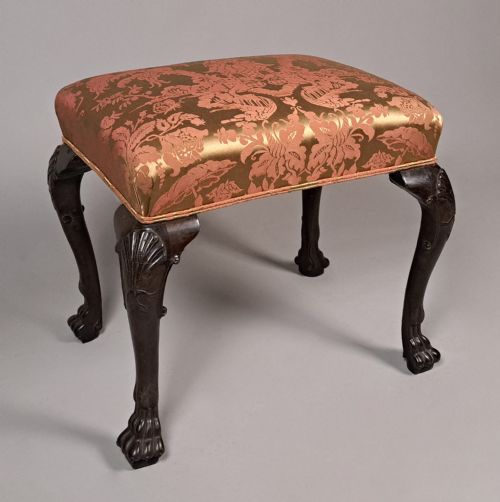
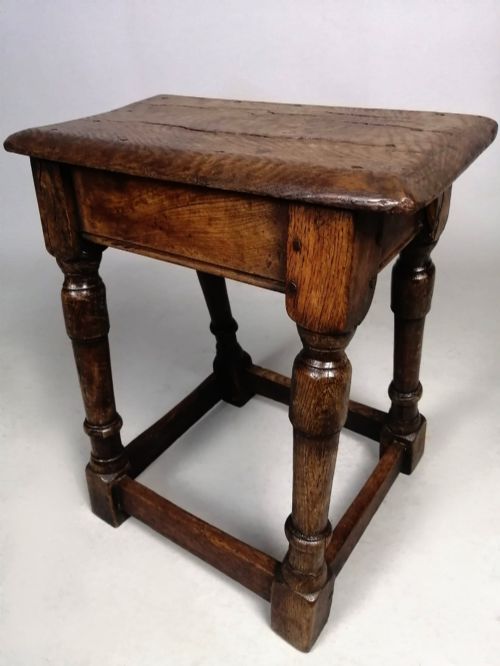
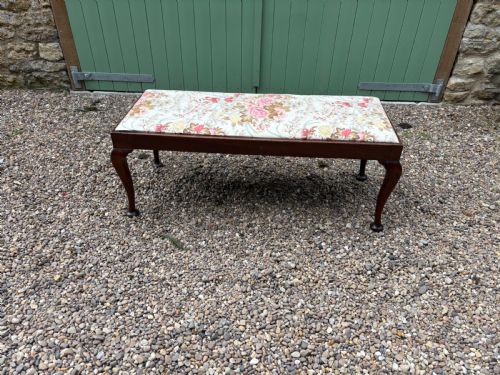
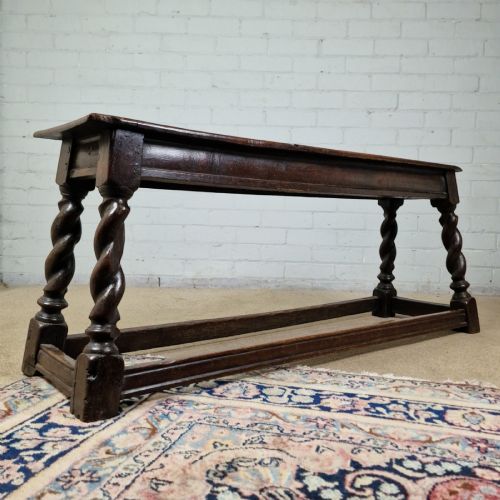
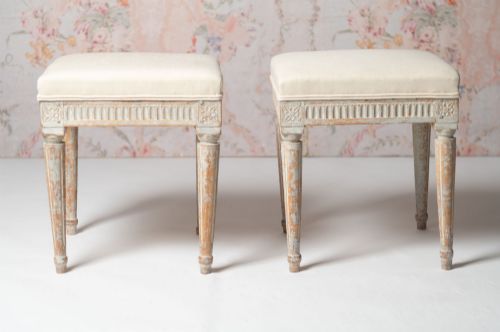
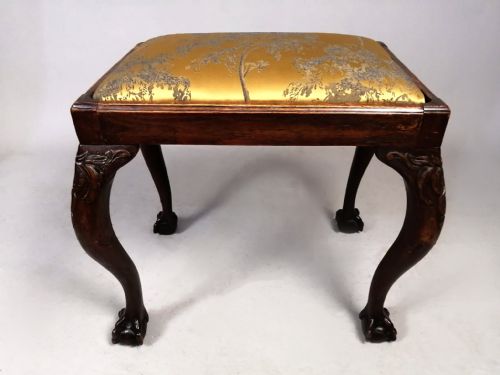
An 18th century stool encompasses a wide range of utilitarian and formal seating forms, from rigid joint stools built by carpenters to upholstered mahogany window seats and footstools designed for elite Georgian drawing rooms.
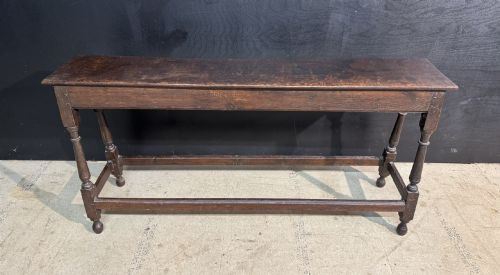
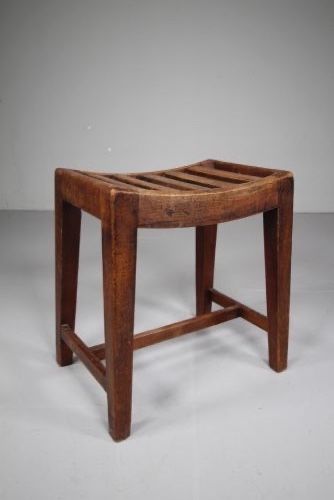
Provincial country variants appear frequently in oak, elm, sycamore and fruitwood, taking the shape of milking stools, creepie boards and long benches intended for everyday rural life.
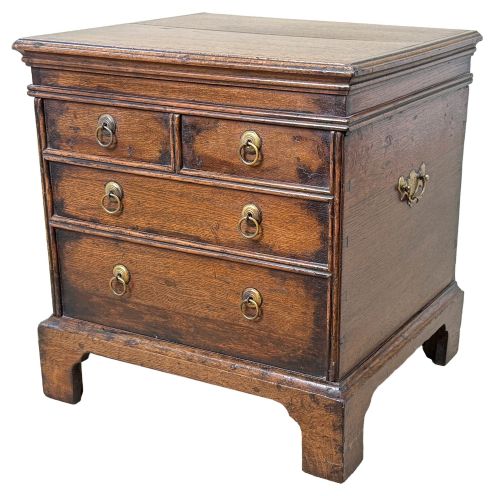
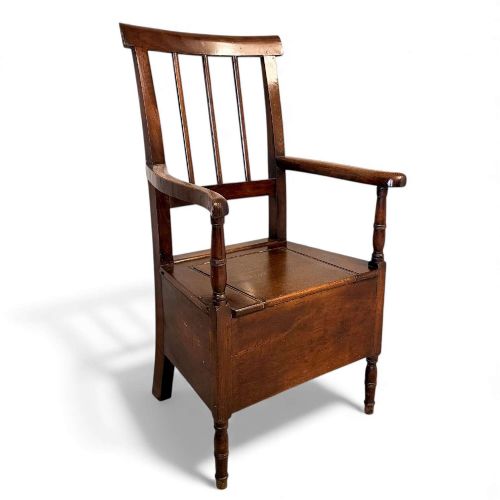
Specialised indoor forms such as close stools and commode chairs also feature in the historical record, combining domestic seating with concealed sanitary functions.
How they were made
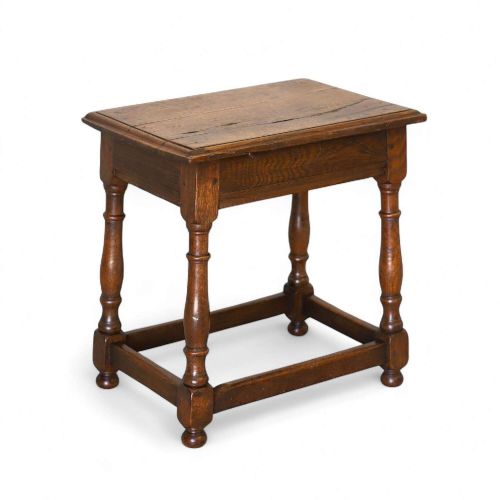
Carpenters constructed early pieces primarily from solid oak using pegged mortise and tenon joints, creating rigid joint stools with splayed hedgerow legs secured by blacksmith iron repairs.
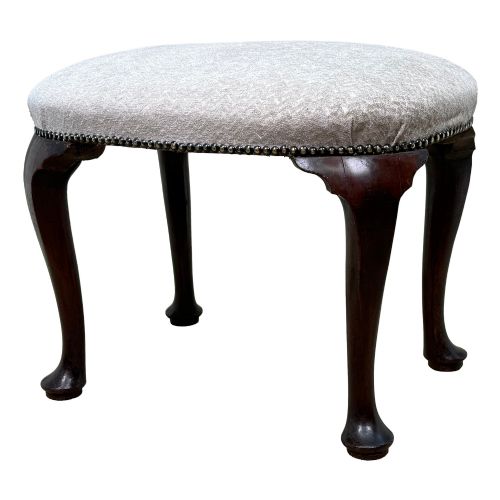
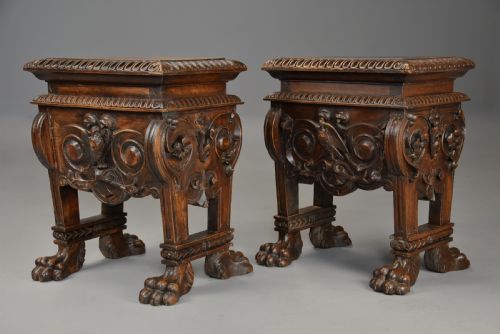
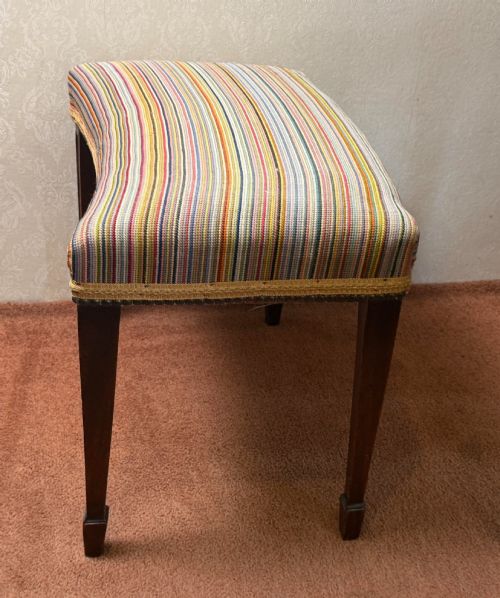
Cabinet makers working in the later Georgian period utilised fine timbers such as walnut and mahogany, shaping cabriole legs, serpentine rails and square tapering supports with hand carving.
Upholstered variants incorporated textile and fabric coverings over webbed or stuffed frames, while country examples relied on simple slab tops fitted directly into bored legs.
18th Century Stool Retail Price Guide 2026
Typical asking prices for 18th century stool among the pieces listed under this phrase on Sellingantiques today, from the lower quarter to the upper quarter. They describe what is for sale here now, not the wider market.
Several country specimens retain their original milking marks and hedgerow splayed legs, shaped entirely by rural hands using local woodland timber.
What varies in quality
The degree of refinement in timber selection and joinery separates high urban pieces from basic vernacular items, with urban cabinet-made examples displaying precise dovetailing and sophisticated carved detail.
Proportion and structural integrity dictate the standing of a piece, as original uncompromised framing holds greater authenticity than heavily restored or altered seating structures.
The 18th Century Stool Glossary
- Joint stool
- A sturdy wooden seat constructed with mortise and tenon joints held together by wooden pegs rather than glue. These utilitarian items served multiple household purposes in early domestic spaces.
- Close stool
- A cabinet or box-form seat enclosing a chamber pot for indoor sanitary use. Many examples mimic the appearance of small bedside chests or commodes.
- Cabriole leg
- A furniture leg featuring a double curve, bulging outward at the knee and tapering inward toward the foot. This profile emerged prominently during the Queen Anne and George I periods.
- Slab top
- A seat fashioned from a single thick slice of unjoined timber, common in primitive country stools. Makers frequently selected elm, sycamore or pine for these solid surfaces.
- Footstool
- A low seat designed to support the feet of a seated person, often upholstered to match larger armchairs or library furnishings.
18th Century Stool: Frequently Asked Questions
How were 18th century stools used?
These pieces served varied domestic functions depending on their form, ranging from casual seating around the hearth to providing elevated foot support in formal reception rooms. Closed variants functioned discreetly as sanitary commodes within bedchambers.
Simpler provincial examples supported manual labour tasks such as milking livestock or performing household chores across rural kitchens and workshops.
What is a joint stool?
A joint stool is an early wooden seating form built with rigid pegged framing rather than flexible turned components. Carpenters engineered them to withstand heavy daily use in domestic settings.
Their robust construction also allowed them to function as stable platforms for reaching high shelves or serving as temporary small tables.
How do I distinguish walnut from mahogany pieces?
Walnut pieces generally point toward the earlier decades of the eighteenth century, displaying rich dark figuring and often incorporating cabriole legs. Mahogany gained prominence later in the century, permitting sharper carved details and straighter tapering leg profiles.
Examining the grain pattern and the underlying structural colour helps identify the primary timber utilised by the maker.
Can I use an antique stool daily?
Most solid timber joint stools and sturdy mahogany frames remain structurally capable of supporting regular weight when placed on even surfaces. Upholstered examples may require careful handling to preserve fragile historic textiles.
Placing protective pads beneath feet helps prevent excessive wear on original timber bases during everyday use.