



Georgian Footstool
A georgian footstool brings centuries of solid timber and low seating into a modern room with effortless utility.
Georgian Footstool
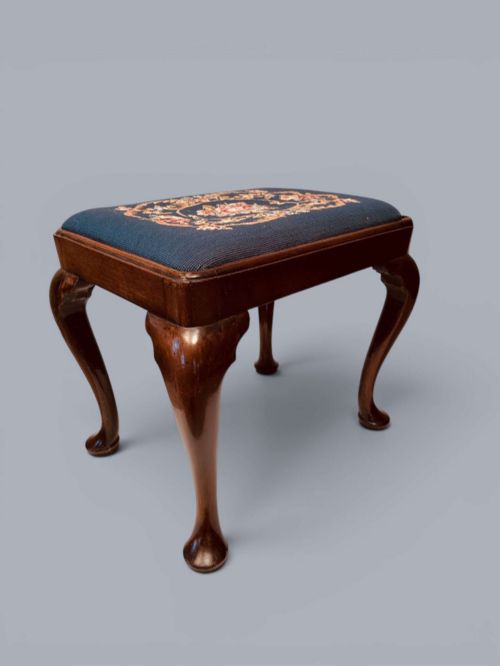
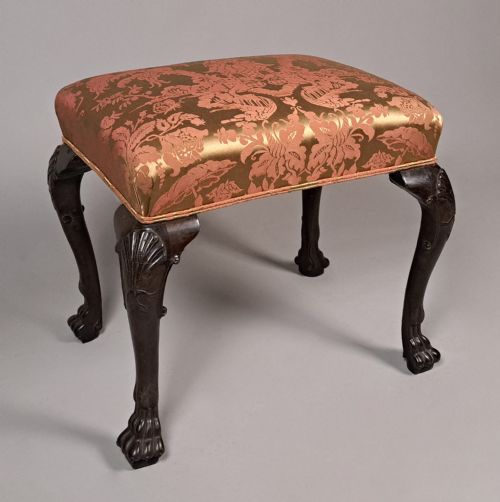
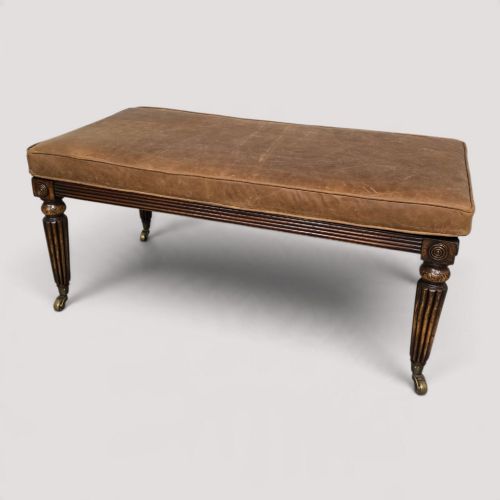
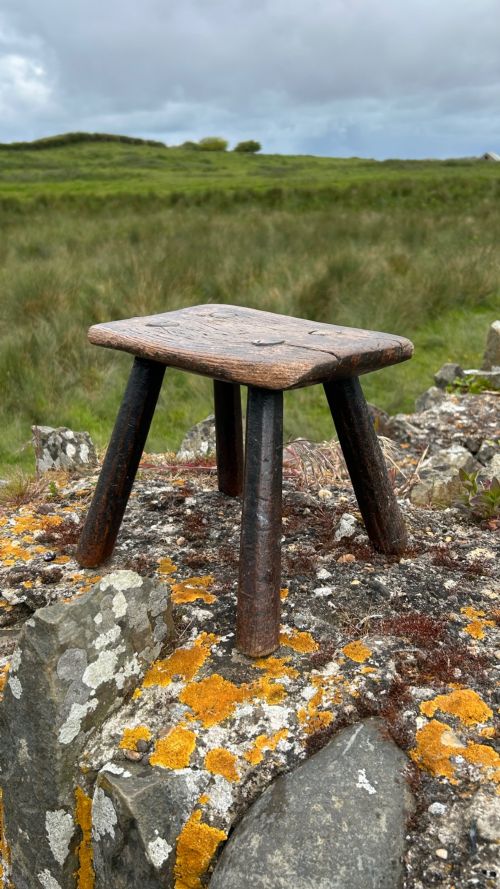
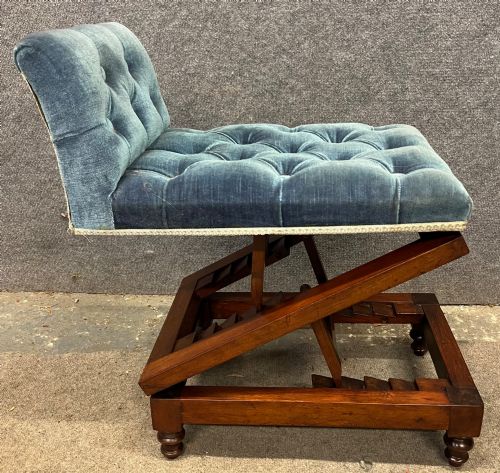
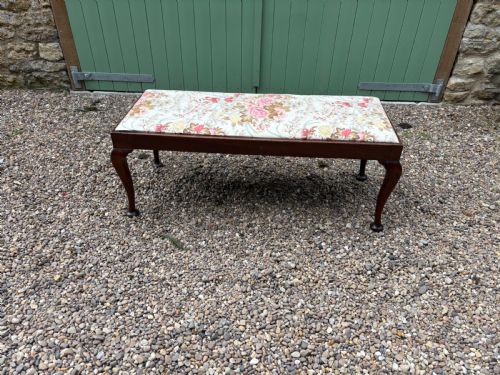
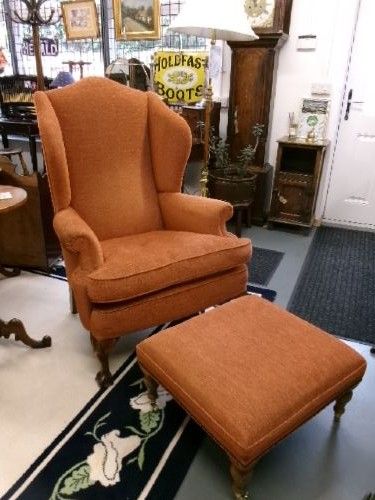
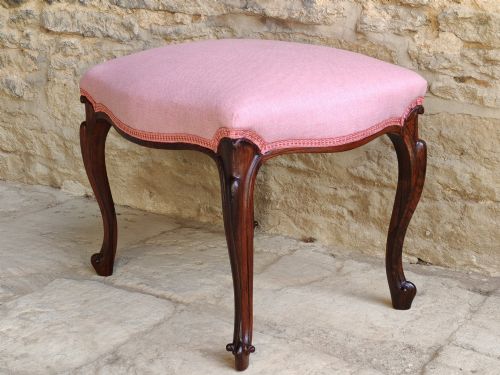
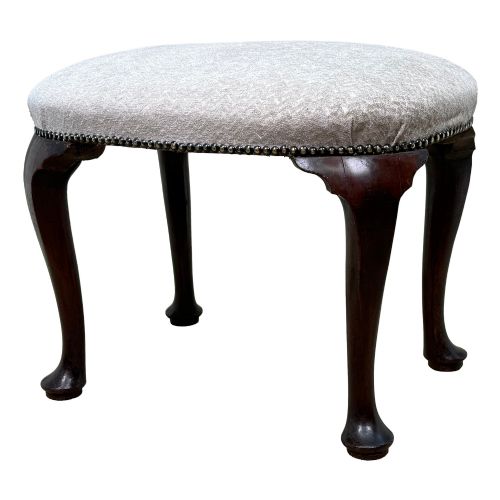
A georgian footstool spans low wooden frames designed to support the feet or serve as compact occasional seating, appearing in forms ranging from plain provincial joint stools to elaborate dressing table stools.
The pieces listed here encompass authentic 18th-century items alongside later revival interpretations, reflecting periods from the Georgian era through to the 1930s.
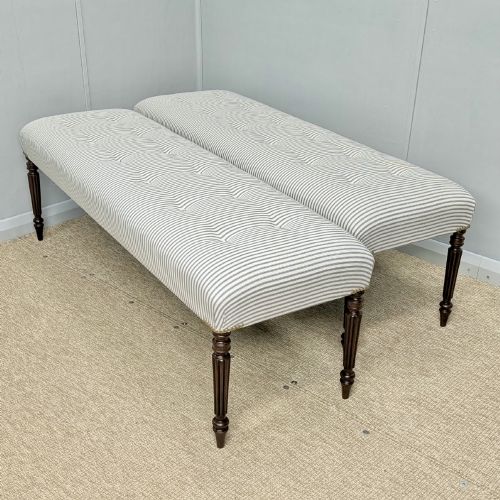
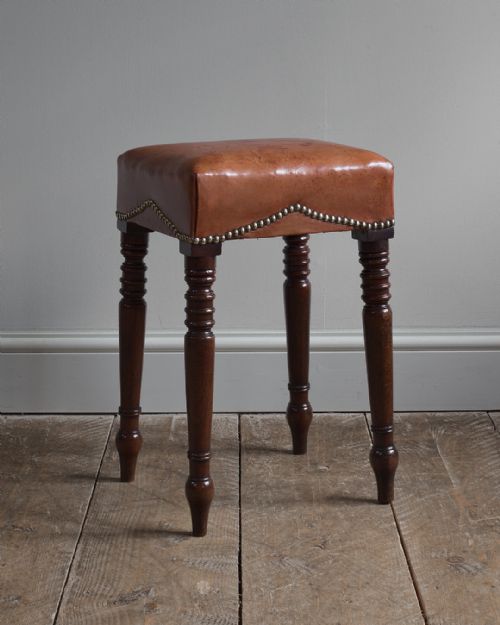
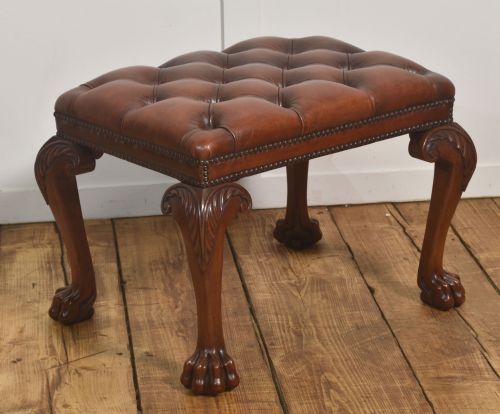
Buyers will encounter square, rectangular and oval shapes, frequently upholstered in leather, tapestry, velvet or ticking fabric.
Materials and Construction
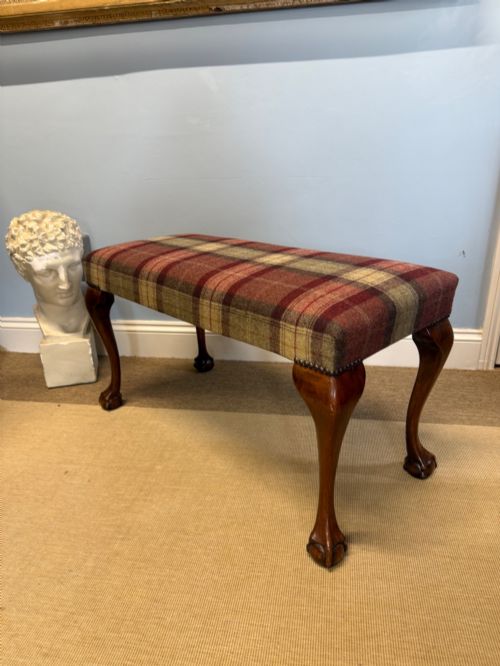
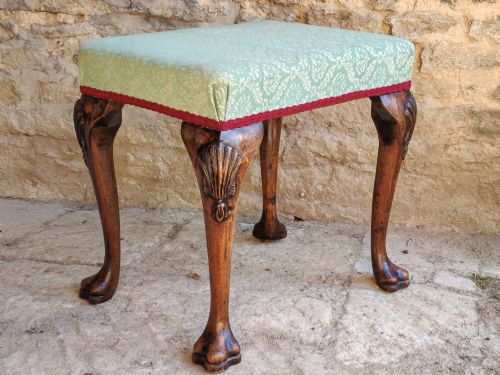
Frames rely primarily on dense hardwoods such as mahogany, walnut, oak and rosewood, sometimes shaped with carved cabriole legs or straight square tapering supports.
Upholstery techniques incorporate traditional textile coverings, needlework, and buttoned hides secured with brass studs.
Georgian Footstool Retail Price Guide 2026
Typical asking prices for georgian footstool among the pieces listed under this phrase on Sellingantiques today, from the lower quarter to the upper quarter. They describe what is for sale here now, not the wider market.
Provincial makers sometimes improvised with sculpted rounded seats, proving that early comfort required nothing more than an adze and an elm log.
Evaluating Quality and Period Integrity
Quality rests in the crispness of timber carving, the proportion of the frame, and the integrity of the joinery rather than surface finish alone.
Distinctions emerge between period originals with honest patination and later revival pieces, where timber selection and hand-carving detail set the standard.
Miles & Edwards
The Georgian Footstool Glossary
- Cabriole leg
- A furniture leg that curves outward at the knee and tapers inward toward the foot, often ending in a pad or claw. This profile draws inspiration from animal forms popular in 18th-century design.
- Joint stool
- A sturdy wooden stool constructed with mortise and tenon joints held together by wooden pegs. These early utilitarian seats predate sophisticated upholstered variants.
- Curule stool
- An ancient Roman magistrate seat shape featuring crossed legs forming an X-frame. 19th-century makers revived this classical geometric silhouette for formal interiors.
- Ticking
- A tightly woven cotton or linen fabric traditionally used to contain feather or hair stuffing. Its characteristic striped pattern appears frequently on vernacular seating.
Georgian Footstool: Frequently Asked Questions
What is a georgian footstool used for?
These low seats functioned primarily for resting feet beside a hearth or as convenient dressing table perches. Their sturdy timber frames also allowed them to double as occasional low benches in parlours.
Today, they adapt easily to modern living spaces as coffee table alternatives or compact footrests in front of armchairs.
How do I spot a reproduction?
Distinguishing period work from revival pieces involves inspecting timber shrinkage, tool marks, and joinery methods. Authentic 18th-century frames display hand-cut joints and genuine surface patination developed through long use.
Revival pieces from the late 19th and early 20th centuries often feature more uniform machine tooling and standardised timber dimensions.
What fabrics are authentic?
Original upholstery frequently utilised heavy woven textiles, needlework tapestries, plain ticking, or durable leathers secured with brass studs. Many surviving frames have undergone reupholstery over the decades to maintain utility.
When evaluating a piece, look at the under-webbing and padding structure to understand the history of its restoration.
How do I care for timber frames?
Maintain antique wood by keeping pieces away from direct heat sources and sudden humidity shifts that cause timber to split. Apply a microcrystalline wax sparingly to nourish the grain without building up heavy residues.
Avoid commercial liquid polishes containing silicones, which can permanently alter the historic finish of mahogany and walnut.