


Georgian Wooden Stool
A georgian wooden stool brings straightforward utility and rich timber grain to an interior, built to last centuries.
Georgian Wooden Stool
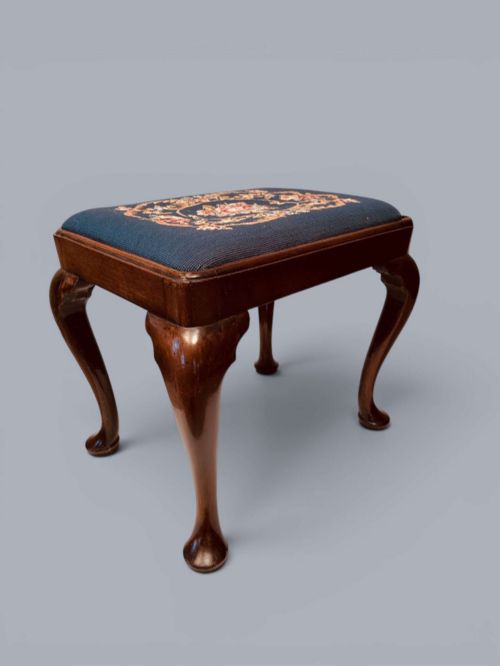
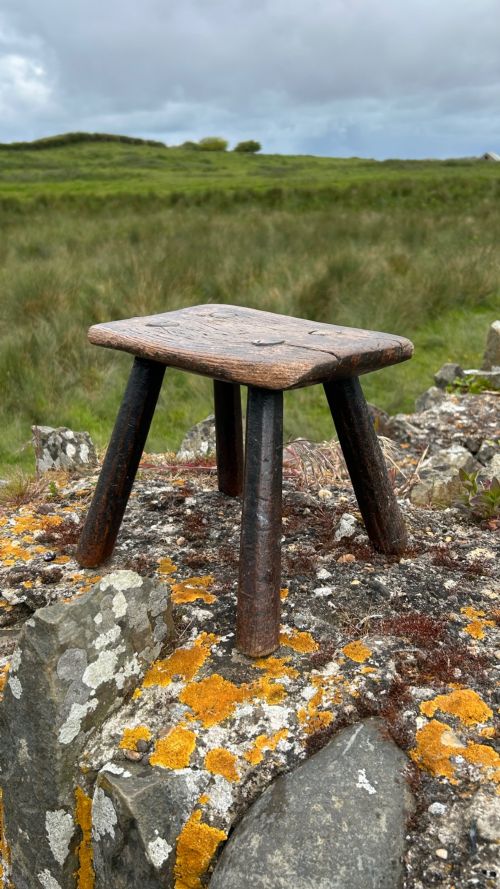
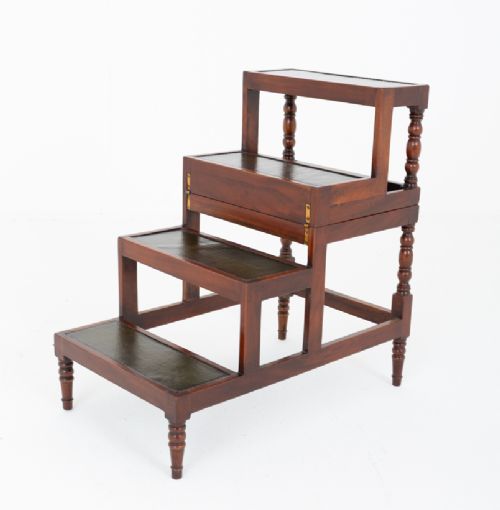
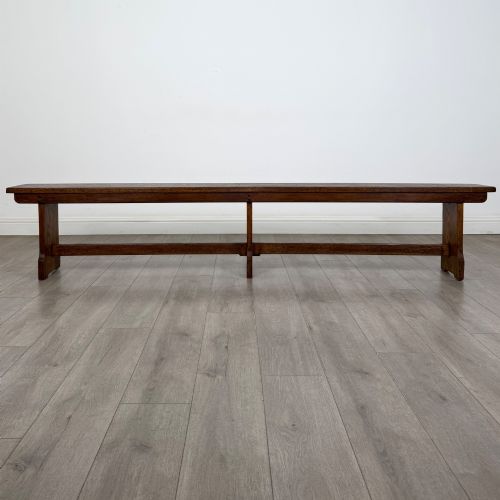
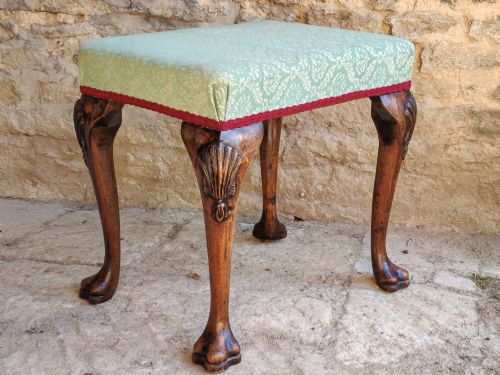
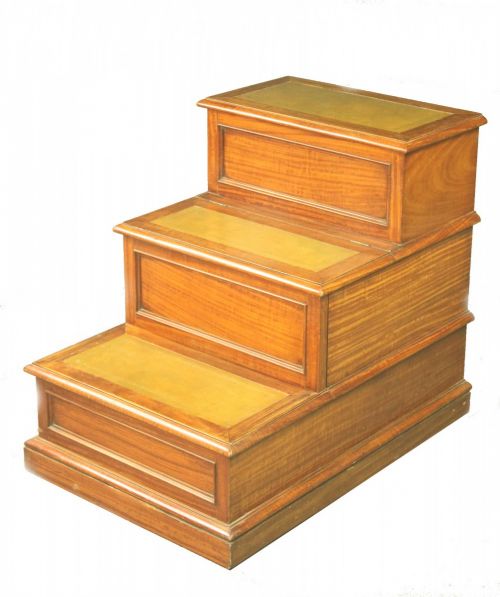
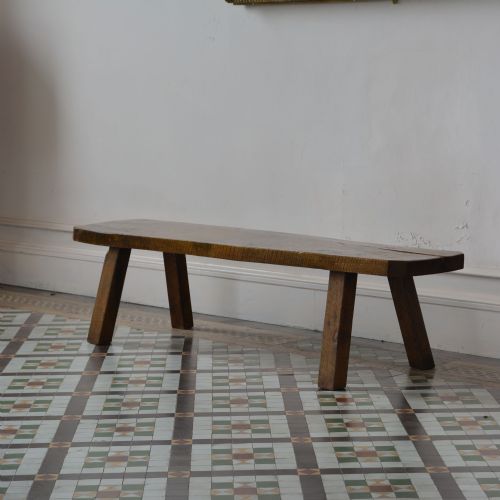
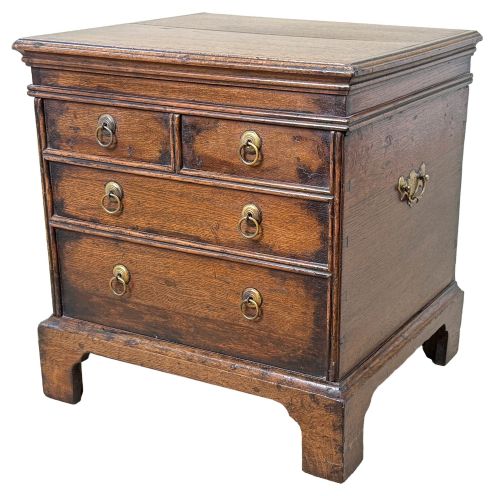
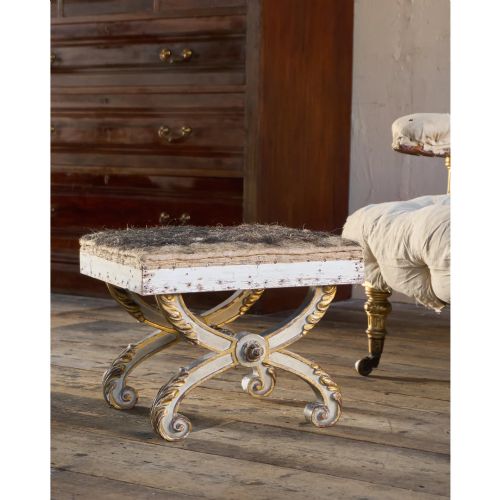
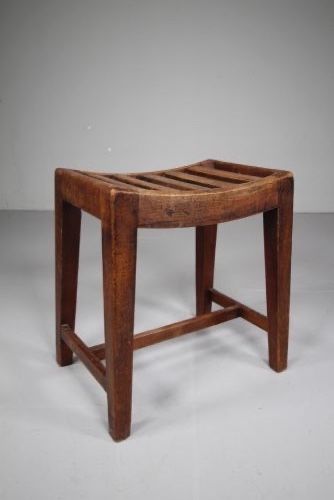
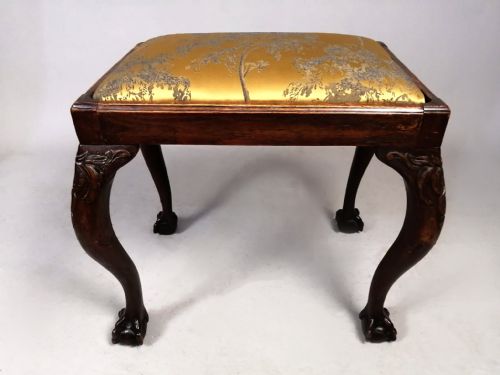
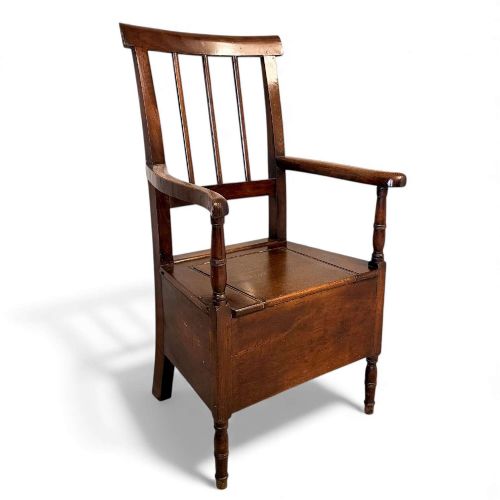
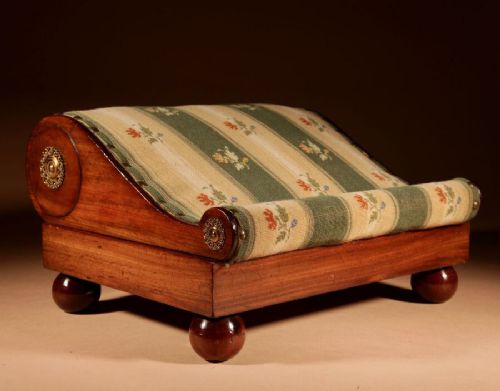
When you search for a georgian wooden stool, you encounter low footstools, country seating and taller circular forms dating from the eighteenth century into the early nineteenth century. The selection spans formal mahogany designs linked to country houses and rustic vernacular pieces shaped from mixed native timbers.
The form developed to serve practical domestic needs, functioning as footstools or spare seating by the hearth. Surviving pieces demonstrate the varied output of both urban cabinet makers and rural bodgers working across Georgian Britain.
Materials and construction
Joiners and rural makers utilised native and imported hardwoods, pairing dense mahogany with tough country timbers like ash, elm and oak. Seats often feature solid timber boards, sometimes sculpted or slatted, while upholstered versions incorporate period textiles and tapestry.
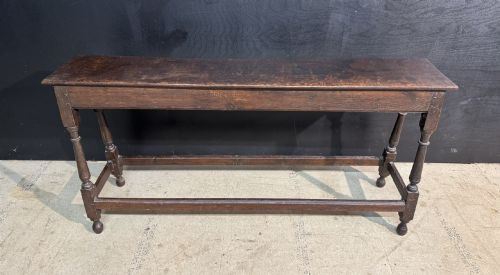
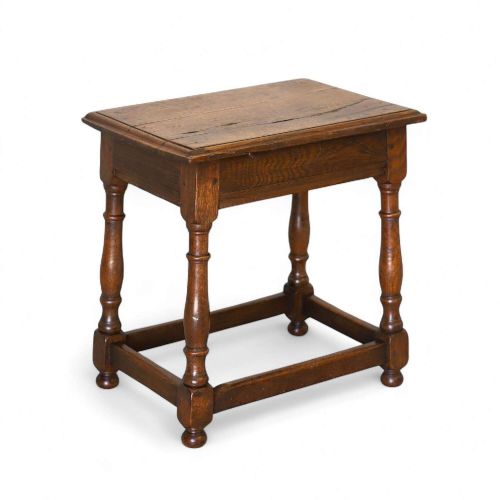
Construction relies on traditional joinery methods suited to the timber properties, with pegged joints and turned legs secured firmly into solid bases. Occasional pieces include understated brass details, though structural integrity depends entirely on the accuracy of the woodwork.
Georgian Wooden Stool Retail Price Guide 2026
Typical asking prices for georgian wooden stool among the pieces listed under this phrase on Sellingantiques today, from the lower quarter to the upper quarter. They describe what is for sale here now, not the wider market.
Listings span the Georgian period, including specific items dated to around eighteen hundred and the reigns of George III and George IV.
Distinctions in quality
The division between everyday country pieces and superior workshop output lies in the ambition of the design and the selection of timber. Finely figured mahogany and sophisticated proportions indicate urban cabinet making, whereas rustic ash and elm reflect direct, utilitarian rural production.
Execution of detail separates fine examples from standard items, seen in the sculpting of a rounded seat or the precise turning of circular legs. Wear and patination on the timber surface tell the history of use without diminishing the integrity of the original form.
The Georgian Wooden Stool Glossary
- Vernacular
- Unpretentious objects made by local tradesmen for everyday use rather than following high-style metropolitan fashions. These pieces rely on regional traditions and available materials.
- Vernacular
- Unpretentious objects made by local tradesmen for everyday use rather than following high-style metropolitan fashions. These pieces rely on regional traditions and available materials.
- Vernacular
- Unpretentious objects made by local tradesmen for everyday use rather than following high-style metropolitan fashions. These pieces rely on regional traditions and available materials.
- Vernacular
- Unpretentious objects made by local tradesmen for everyday use rather than following high-style metropolitan fashions. These pieces rely on regional traditions and available materials.
Georgian Wooden Stool: Frequently Asked Questions
What woods were used for georgian wooden stool production?
Makers utilised a variety of hardwoods depending on whether the piece was formal or vernacular. Mahogany appears frequently in polite urban furniture.
Country pieces draw upon native British timbers such as ash, elm and oak for strength and availability.
How do I distinguish country stools from formal ones?
Formal pieces often feature mahogany, neat proportions and stylistic traits associated with the reigns of George III and George IV.
Country versions display rustic characteristics, simpler turned legs and woods like elm or ash shaped for utilitarian service.
Were these stools used primarily as footstools?
Documentation and surviving forms indicate dual purposes as both low footstools for warming by the fire and independent seats.
Diminutive and tall circular models accommodated various seating needs in period interiors.
How should I care for antique timber stools?
Keep wooden surfaces away from direct heat sources and sudden humidity shifts to prevent the timber from splitting.
Apply traditional wax sparingly to nourish the grain and preserve the historical patination built up over centuries.