
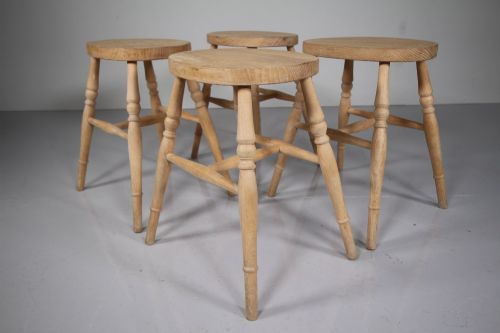
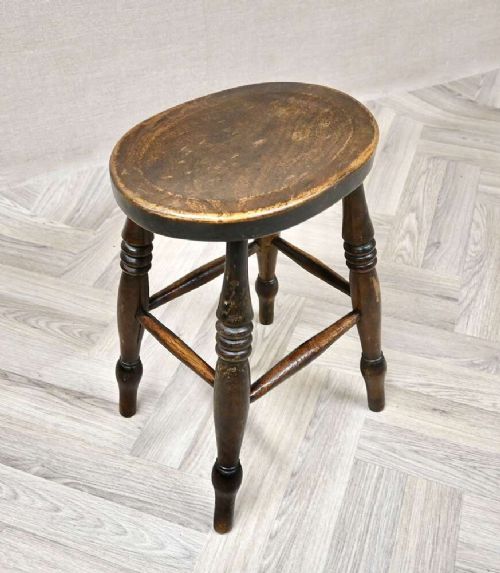
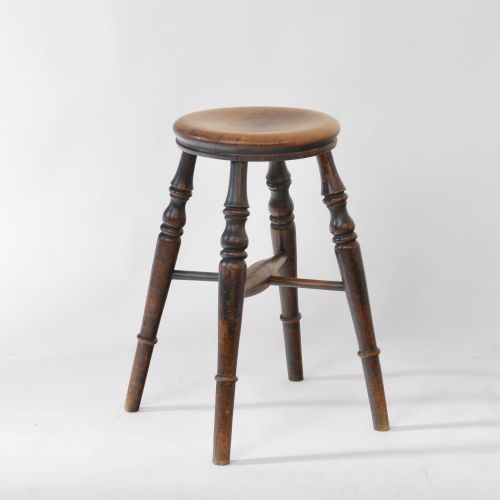
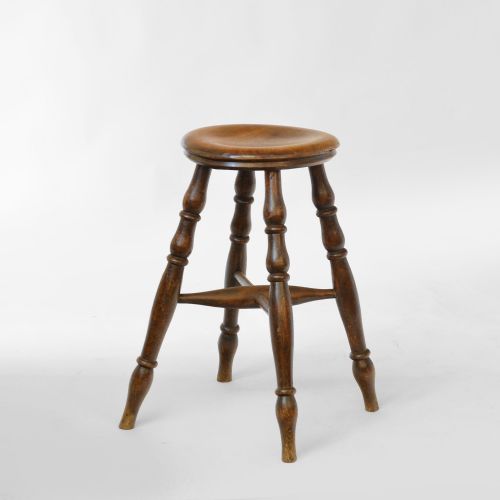
Rustic Country Stool
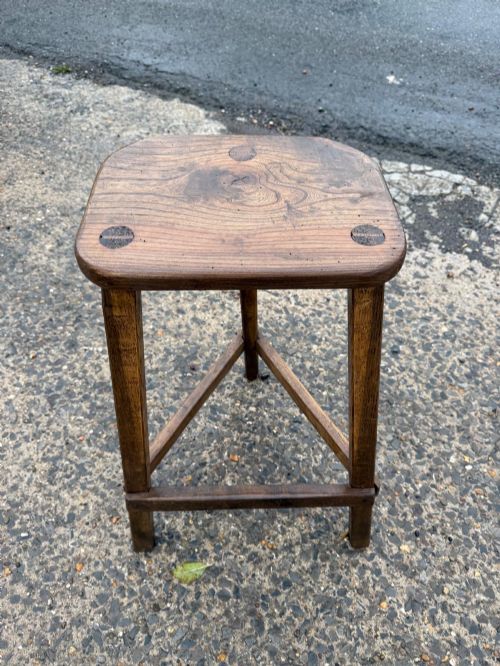
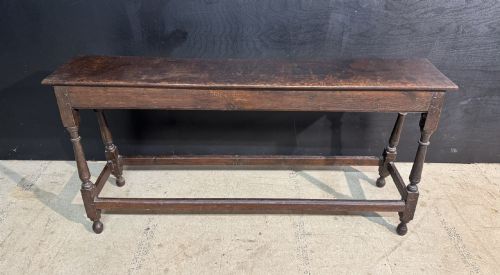
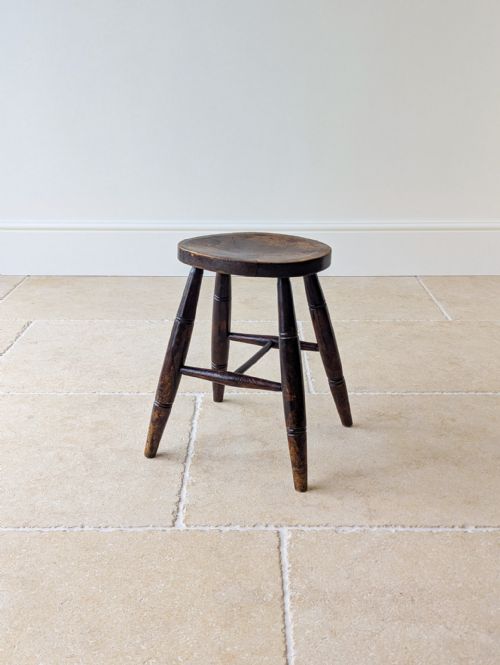
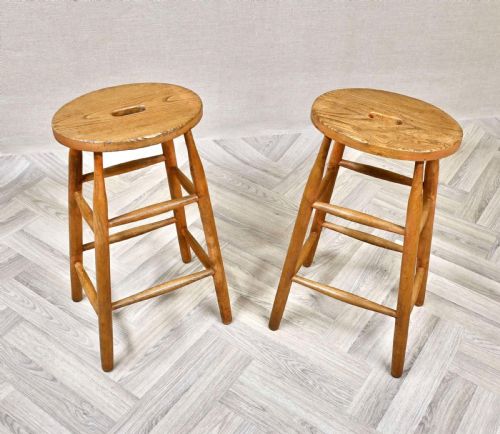
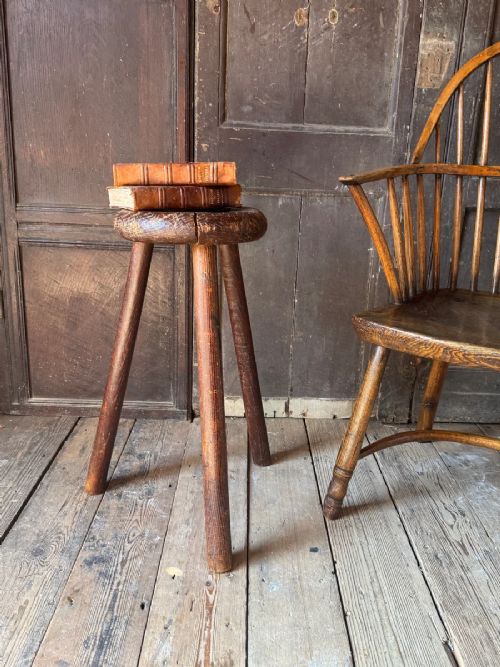
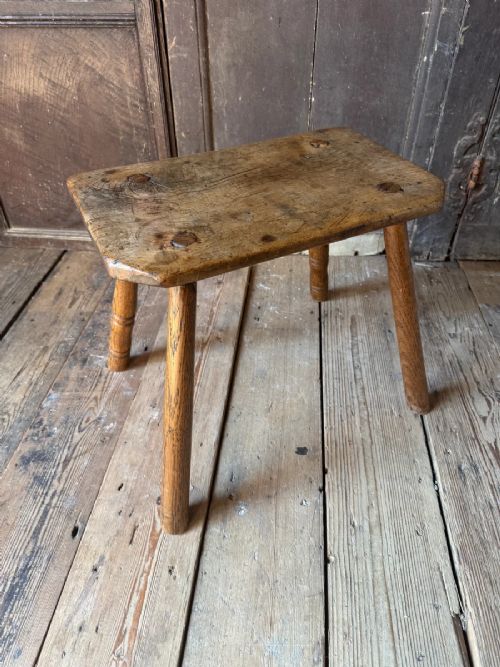
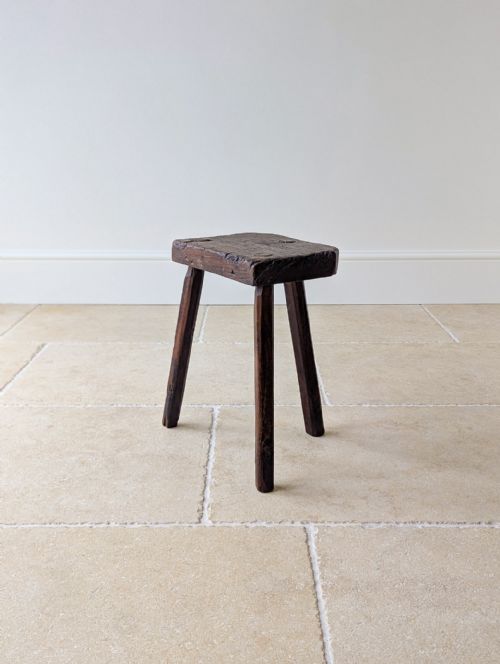
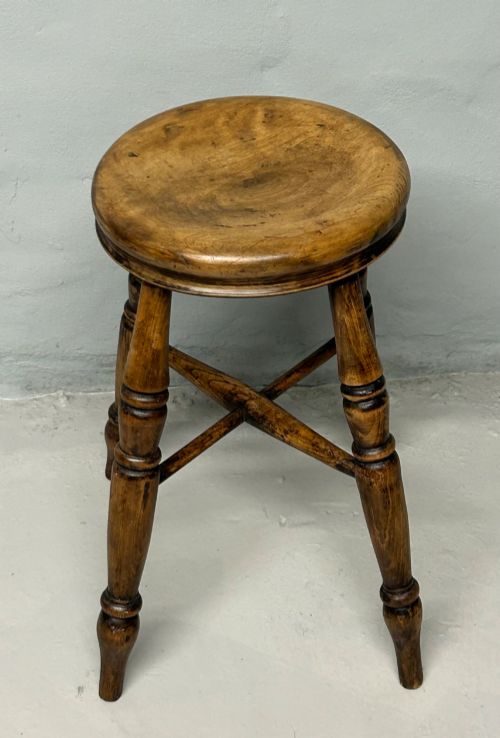
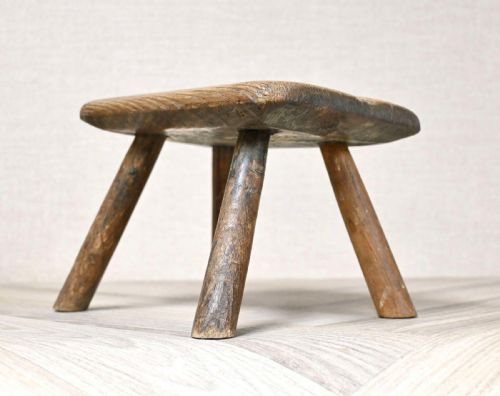
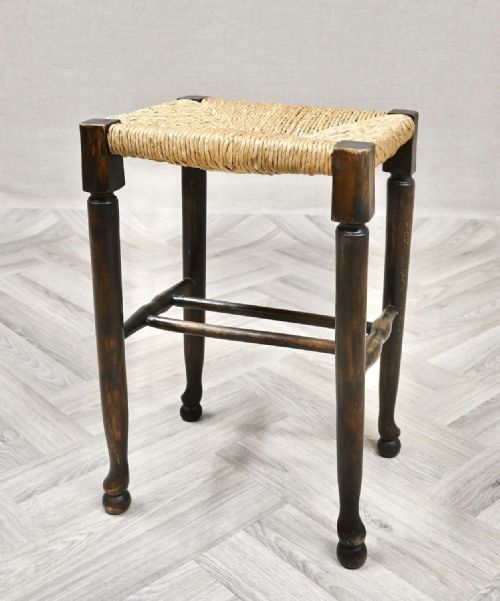
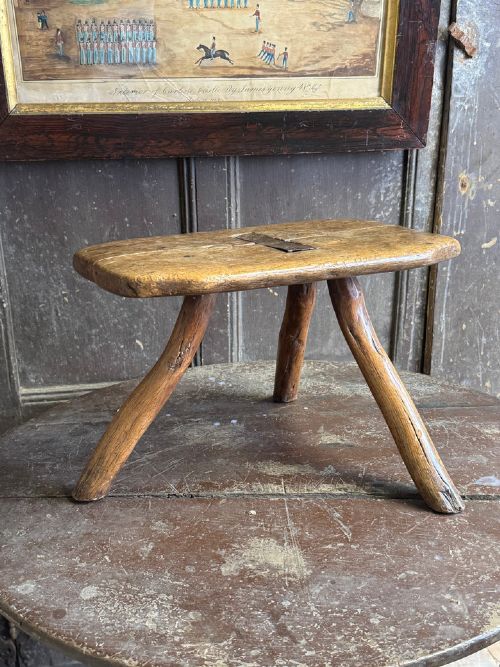
These rustic country stool examples bring honest vernacular grain and robust joinery straight from farmhouses and workshops into modern rooms.
Rustic Country Stool
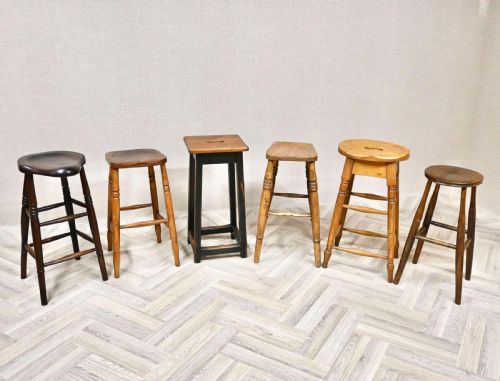
A rustic country stool represents honest utility, shaped by generations of rural makers who prioritised function over ornament. When searching for this phrase, buyers encounter everything from low milking seats to tall tavern forms.
The pieces on this page span several centuries, with nineteenth-century examples and earlier Georgian or eighteenth-century forms appearing frequently. These survivors served in vernacular settings such as dairies, pubs, workshops and hearths.
Forms vary widely from simple three-legged chopping blocks and dished seats to joint stools and bench styles. Their enduring appeal lies in straightforward construction and unpretentious character.
How they were made
Makers utilised available local timber, turning frequently to sturdy hardwoods and softwoods including oak, elm, ash, beech, pine and sycamore. These materials were chosen for resilience under heavy daily use in agricultural and domestic environments.
Construction methods relied on traditional joinery, such as splayed legs wedged tightly through bored seats and blacksmith-forged metal reinforcements. Surfaces often retain original paint, scrubbed patination or tool marks left by adzes and drawknives.
Rustic Country Stool Retail Price Guide 2026
Typical asking prices for rustic country stool among the pieces listed under this phrase on Sellingantiques today, from the lower quarter to the upper quarter. They describe what is for sale here now, not the wider market.
Several pieces preserve splashes of original ochre, green and yellow paint from decades spent in European dairies and workshops.
What varies in quality
Quality rests in the integrity of the timber and the honesty of the construction, distinguishing well-proportioned vernacular pieces from later imitations. Original surfaces, such as weathered paint or deep natural patination built through decades of handling, elevate a piece.
Structural survival also determines standing, as untouched joins and original splayed legs command greater interest than heavily restored examples. The balance between utilitarian simplicity and pleasing proportion dictates the stature of each piece.
The Rustic Country Stool Glossary
- Joint stool
- A sturdy wooden seat constructed with mortise and tenon joints pegged together, common in seventeenth and eighteenth-century households before chairs became universal.
- Milking stool
- A low, typically three-legged seat designed to remain stable on uneven floors while a worker sat close to an animal.
- Vernacular
- An architectural and craft term describing objects built by local tradesmen using regional traditions rather than formal academic design.
- Splayed legs
- Legs angled outwards from the centre to provide a wider, more stable base on rough or uneven ground.
- Dished seat
- A wooden top hollowed out by hand with an adze or gouge to fit the contours of the sitter.
Rustic Country Stool: Frequently Asked Questions
What were rustic country stools used for?
These pieces served practical roles around the home, farm and workshop, functioning as seats for milking cows, sitting by the hearth or reaching high shelves.
Craftsmen and tradesmen also used specific variants like jeweller's or machinist benches for daily labour in their respective workshops.
How do I style a country stool at home?
A rustic country stool works well as a small side table next to a chair, a bedside surface or a plant stand in a living space.
Their compact scale and tactile wooden textures allow them to sit comfortably in both traditional and contemporary interiors.
How can I tell an older stool from a newer one?
Look closely at the joinery, tool marks and the way the wood has aged, noting signs of hand-shaping rather than mechanical production.
Genuine period pieces show authentic wear patterns, dry surfaces and construction details consistent with eighteenth or nineteenth-century rural workshops.
Why do some stools have three legs instead of four?
Three-legged stools remain completely stable on uneven farmhouse flagstones or dirt floors without rocking.
This practical design choice is a defining characteristic of early milking and vernacular seating forms.