
Vintage Wooden Footstool
These vintage wooden footstool examples bring period character and solid timber construction to firesides and dressing rooms alike.
Vintage Wooden Footstool
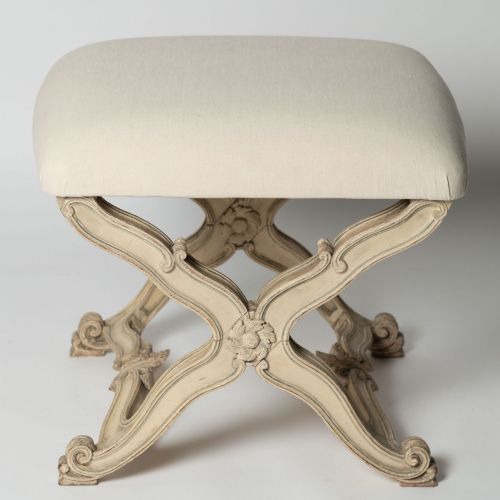
When you search for a vintage wooden footstool, you encounter a wide variety of low seating forms spanning from the eighteenth century through to the art deco period. These pieces encompass everything from simple rustic milking stools and vernacular elm designs to formal walnut pieces executed in the Queen Anne or Louis XV style.
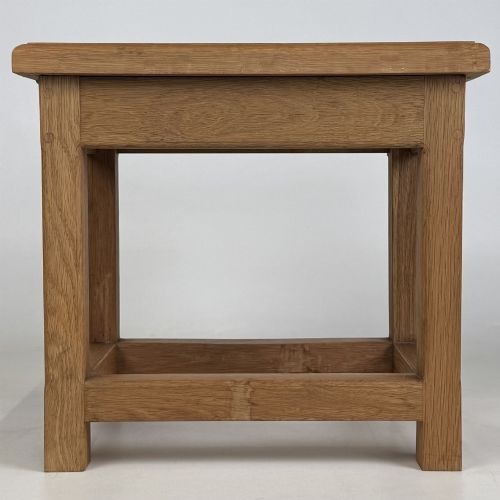
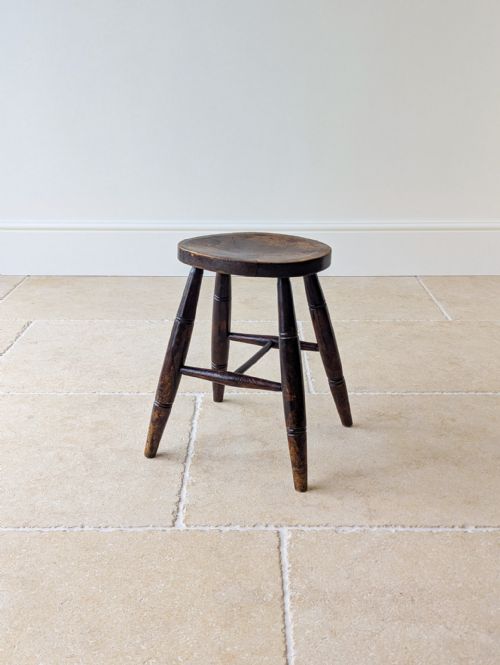
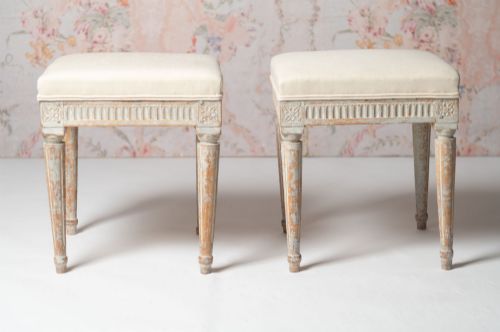
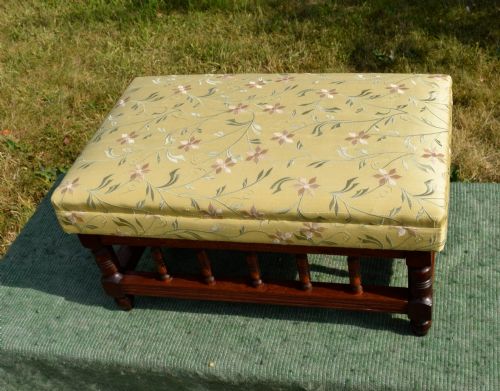
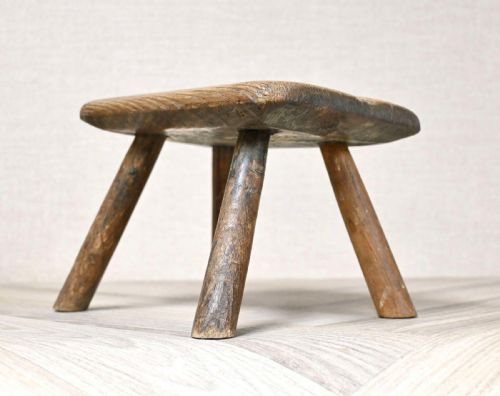
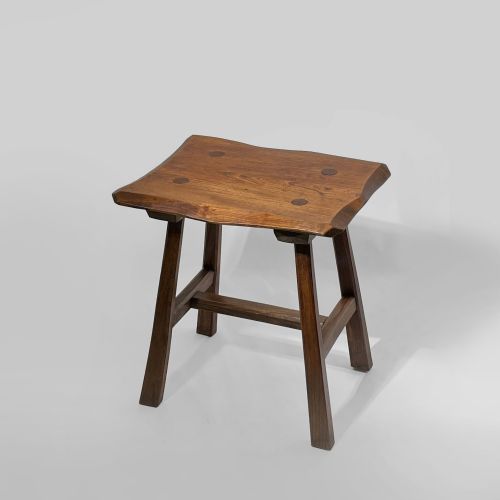
The version you are most likely to meet on this page is a nineteenth century oak or elm country stool, often showing signs of utilitarian origin and traditional turned legs. Alongside these rustic examples, formal Victorian and Edwardian upholstered footstools, mahogany hearth stools, and continental painted pine window seats appear regularly across the listings.
How they were made
Cabinetmakers and rural artisans built these stools using dense native timbers such as oak, mahogany, walnut, elm, beech, and pine, often selecting woods for their local availability and structural strength. Joinery methods varied from pegged mortise and tenon joints in sturdy oak joint stools to traditional turned spindle work in beech and elm country variants.
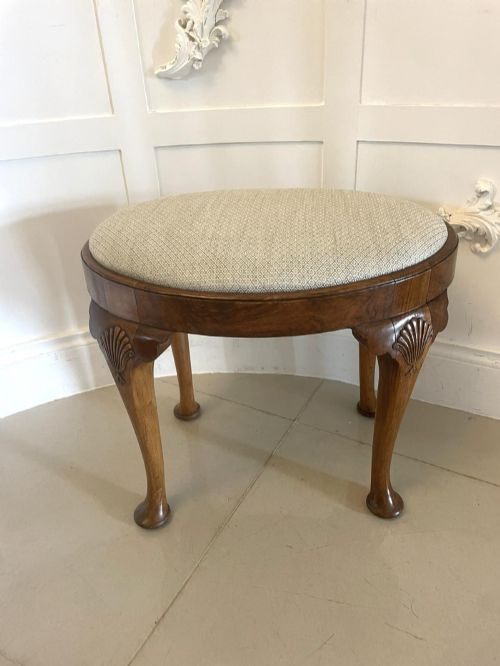
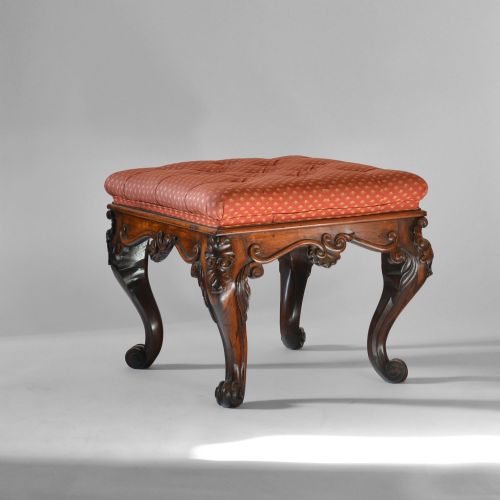
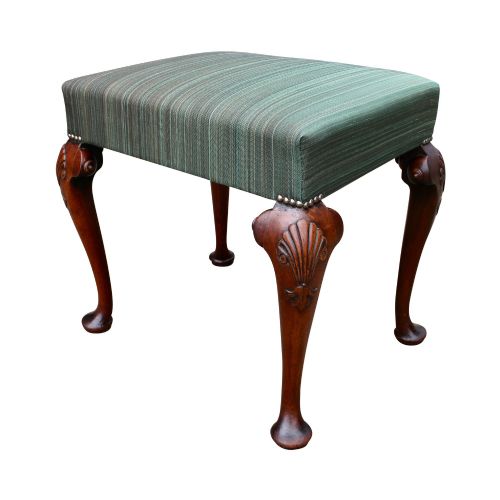
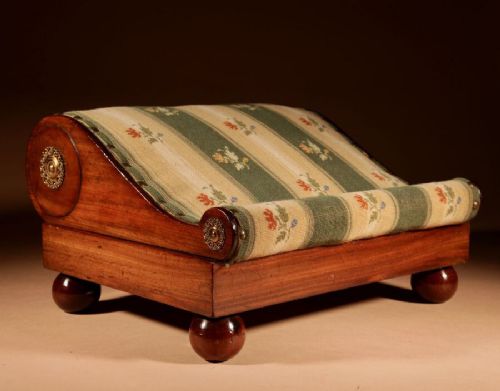
Many frames received surface treatments including clear polish, dark wax, or original layers of paint and lacquer, whilst others were prepared to receive fabric, leather, cane, or needlework upholstery. Carved details, cabriole legs, and ball feet appear on formal styles, whereas vernacular milking stools rely on unpretentious three-legged or four-legged turned construction.
Vintage Wooden Footstool Retail Price Guide 2026
Typical asking prices for vintage wooden footstool among the pieces listed under this phrase on Sellingantiques today, from the lower quarter to the upper quarter. They describe what is for sale here now, not the wider market.
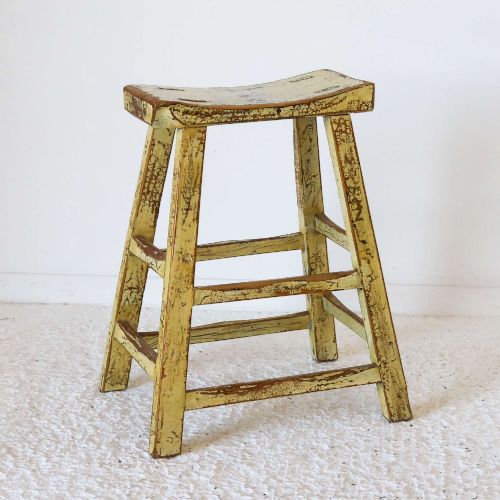
Several milking stools arrived wearing coats of bright ochre, yellow, and green paint, proving rural milkmaids appreciated a splash of colour.
What varies in quality
The distinction between ordinary and exceptional pieces rests primarily on the integrity of the timber, the crispness of any hand-carved ornamentation, and the survival of original surface finishes like old paint or polished patina. Stools retaining their early upholstery webbing, original cane seats, or untouched maker details command greater respect from discerning collectors.
Proportional harmony and structural honesty also dictate overall merit, separating mass-produced utilitarian seating from finely proportioned cabinetmaker work such as George III mahogany or Edwardian rosewood dressing stools. Pieces exhibiting replaced components or unsympathetic modern stripping sit lower down the scale than those preserved in uncompromised condition.
Harry and Lou Epstein·Liberty and Co
The Vintage Wooden Footstool Glossary
- Milking stool
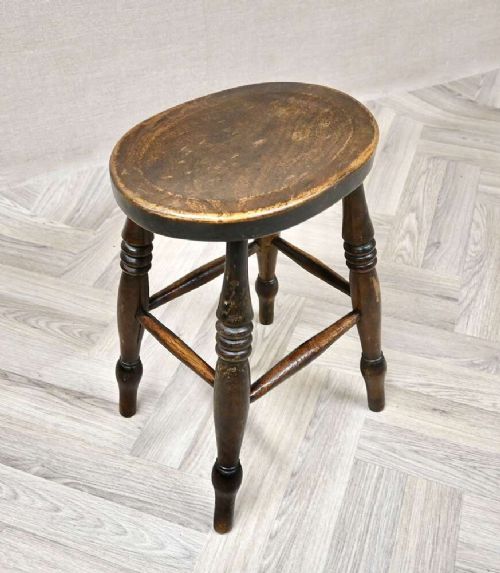
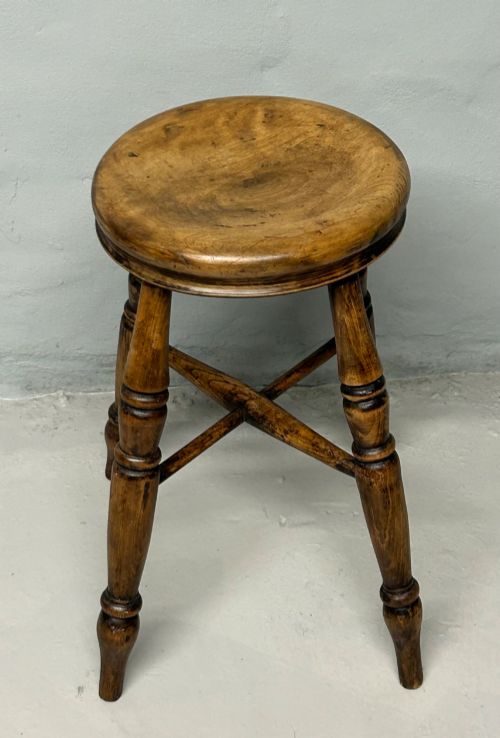
- A low, stable three-legged or four-legged stool originally designed for dairy use, typically fashioned from elm or pine with splayed legs.
- Hearth stool
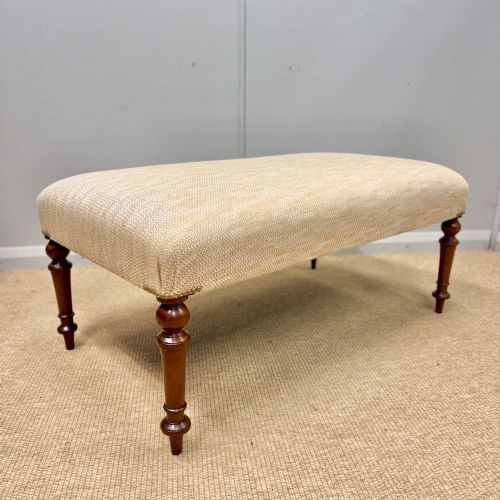
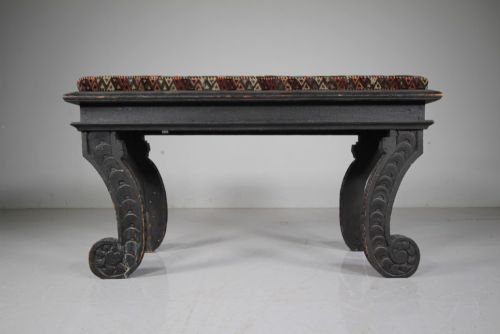
- A long, low stool designed to sit before an open fireplace, often upholstered to provide comfortable seating close to the warmth.
- Joint stool
- A sturdy wooden stool constructed with pegged mortise and tenon joinery, dating mostly from the seventeenth and eighteenth centuries.
- Cabriole leg
- A furniture leg that curves outward and then tapers inward, echoing animal limbs and commonly seen on eighteenth century and Victorian revival styles.
- Vernacular furniture
- Items made by local craftsmen using regional traditions and readily available materials, free from high-style metropolitan design conventions.
Vintage Wooden Footstool: Frequently Asked Questions
What is a vintage wooden footstool used for?
These low seats served practical everyday purposes around the home, from providing a perch for milking cows to resting tired feet beside the living room hearth or assisting with dressing at a vanity table.
Today, owners utilise them as flexible occasional seats, bedside stands, or decorative plant pedestals that bring warm timber tones into modern interiors.
How do I date a wooden footstool?
Dating relies on examining the timber species, tool marks, joinery techniques, and the style of any carved ornament or turned legs. Eighteenth-century examples often display hand-sawn boards and pegged joints, whilst Victorian and Edwardian pieces show machine-sawn components and factory-turned spindles.
Original paint layers, patination, and upholstery foundation materials also offer reliable clues to a piece's true age and origin.
Are painted wooden footstools original?
Many rural European and English milking stools retain their early or original paint finishes, which developed a distinct chalky patina and wear pattern over decades of domestic use.
Buyers should inspect the surface closely for craquelure, underlying timber oxidation, and consistency of wear to distinguish genuine period paint from later decorative additions.
How do I clean a wooden footstool?
Maintain antique wooden surfaces by dusting gently with a dry, soft cloth and occasionally feeding dry timber with a quality beeswax to preserve the natural lustre of the grain.
Avoid harsh modern detergents, excessive water, and abrasive scourers that can strip historic wax polishes or damage fragile original paint finishes.