



Rustic Folk Art Stool
A rustic folk art stool is an honest piece of utility shaped by hand, offering a direct connection to everyday life in past centuries.
Rustic Folk Art Stool
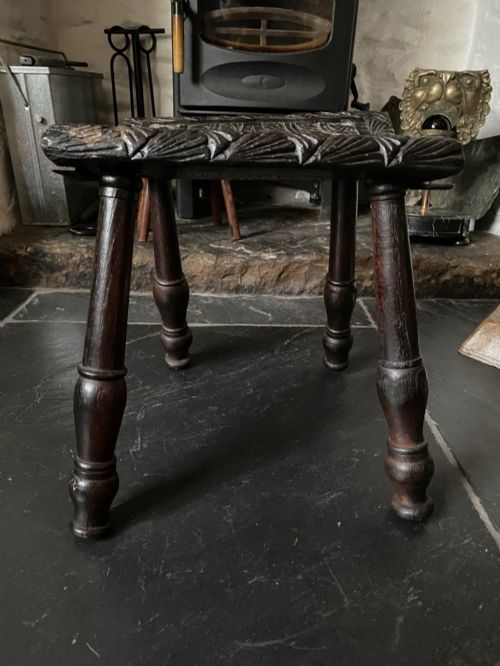
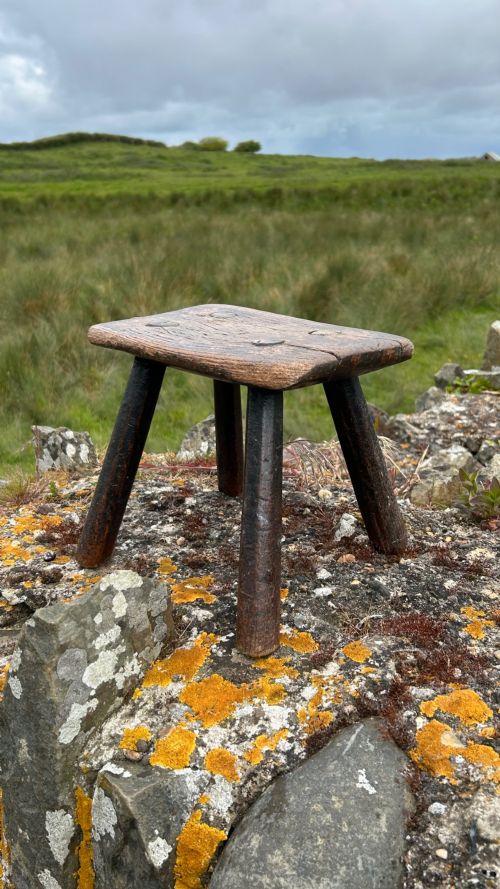
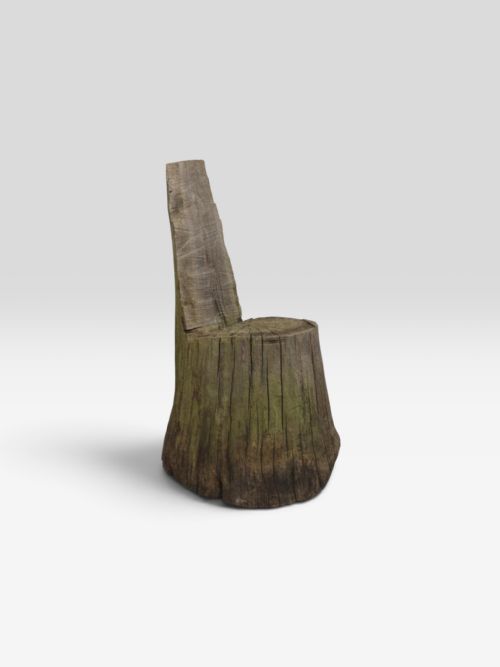
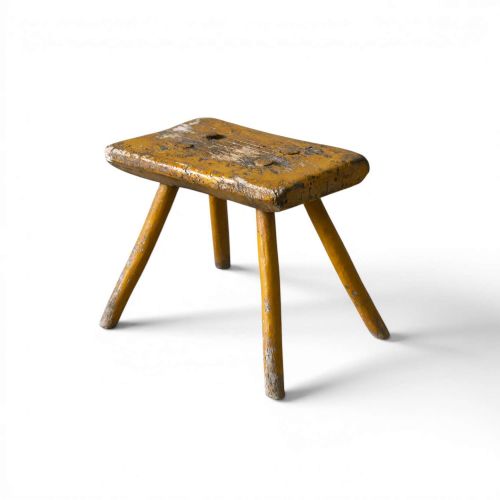
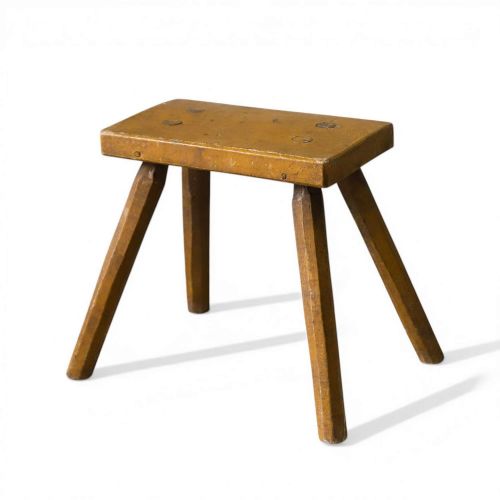
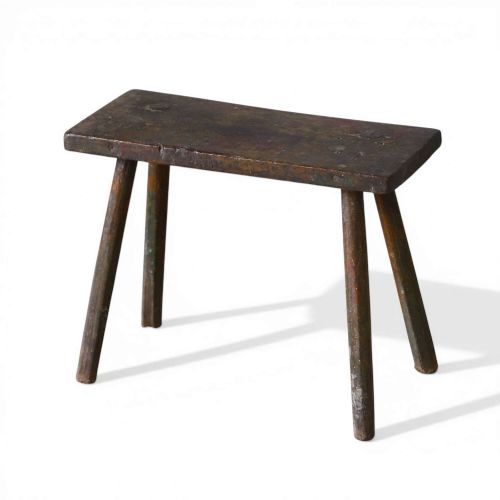
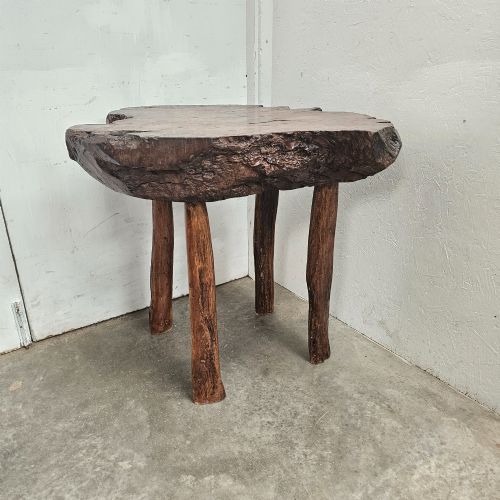
The most common items you meet on this page are milking stools originating from Eastern Europe, often preserved in original painted surfaces such as ochre, yellow, or green. Other recurring forms include natural form oak child stools, cobbler work stools, and sculptural tree seats dating from the nineteenth and early twentieth centuries.
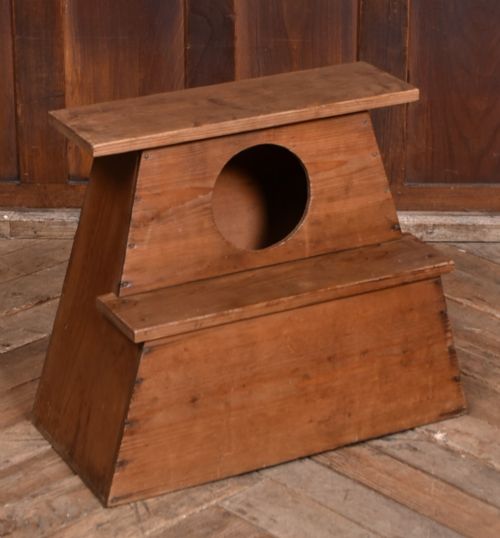
Originating from diverse geographic regions including Japan, Scotland, Catalonia, and Eastern Europe, these pieces reflect local domestic traditions and working needs. Their forms range from simple three-legged milking designs to unusual one-leg supports and diminutive vernacular seats.
How they were made
Makers utilised available timbers such as oak, pine, cedar, and assorted hardwoods, often selecting sections of timber that retained natural organic forms like tree trunks and burr thuya. Construction relied on straightforward carpentry techniques suited to workshop or domestic creation.
Surfaces frequently display evidence of original paint finishes, such as ochre, yellow, and green pigments applied to protect or decorate the wood. Additional decorative or functional details include pokerwork inscriptions and iron components.
Rustic Folk Art Stool Retail Price Guide 2026
Typical asking prices for rustic folk art stool among the pieces listed under this phrase on Sellingantiques today, from the lower quarter to the upper quarter. They describe what is for sale here now, not the wider market.
What varies in quality
The character of a piece depends heavily on the integrity of its surface, particularly the survival of original paint or natural patination acquired through decades of practical use. Examples retaining their initial ochre, yellow, or green coatings present greater visual interest.
Form and sculptural presence distinguish standard utilitarian seating from more unusual workshop creations, such as diminutive vernacular seats with sculpted rounded tops or single-leg designs. The harmony between natural timber shaping and functional purpose dictates the strength of each object.
The Rustic Folk Art Stool Glossary
- Milking stool
- A low, typically three-legged seat designed for use by dairy workers during milking. These pieces often feature simple wooden tops and sturdy peg legs suited for uneven ground.
- Pokerwork
- A decorative technique involving the burning of a design into a wooden surface using a heated metal tool. It appears on Scottish pieces to add inscriptions or ornamentation.
- Vernacular
- Architecture and objects created independently of academic architectural styles, using local traditions and locally available materials. Such items serve immediate practical functions within domestic or working environments.
- Burr thuya
- A highly figured wood grain obtained from the root or excrescences of the thuya tree. It provides distinctive patterns utilised in decorative table tops and small furniture.
- Natural form
- A design approach that incorporates the unshaped or organic contours of branches, tree trunks, and roots directly into furniture. This approach highlights the inherent shape of the timber.
Rustic Folk Art Stool: Frequently Asked Questions
What is a milking stool?
A milking stool is a small, low seat historically used by agricultural workers for milking livestock by hand. They typically feature three legs to remain stable on uneven barn floors.
Most surviving examples date from the nineteenth century and display simple, robust construction designed purely for utility rather than display.
How old are these stools?
The pieces listed span the nineteenth and early twentieth centuries, with examples originating around eighteen hundred through to the Edwardian period.
Their age is determined by construction methods, timber characteristics, and documented stylistic traits from regions across Europe and Asia.
Where were they made?
These items originate from various international regions, including Eastern Europe, Japan, Scotland, and Catalonia. Each area utilised local timbers and specific construction traditions.
Eastern European pieces often feature painted finishes, while Japanese examples include street-vendor and market seats.
How do I style a rustic stool?
These small seats function well as side tables, plant stands, or occasional display surfaces in contemporary interiors. Their sculptural forms and aged timber surfaces introduce texture to living spaces.
Because of their modest dimensions, they fit easily beside chairs or in hallways without dominating a room.