


Rustic Timber Side Stool
These rustic timber side stool examples deliver honest utility through solid oak, ash, elm, and pine, offering straightforward utility for everyday interiors.
Rustic Timber Side Stool
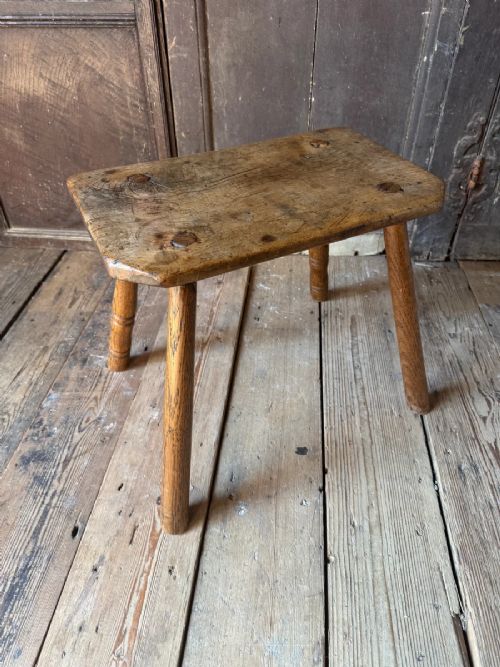
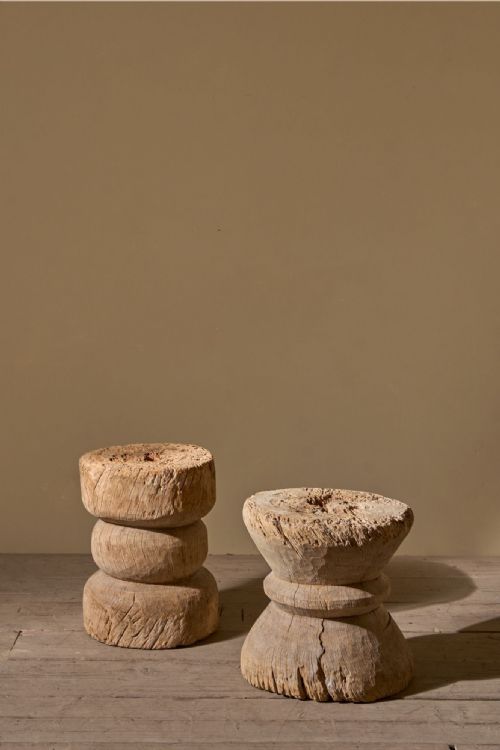
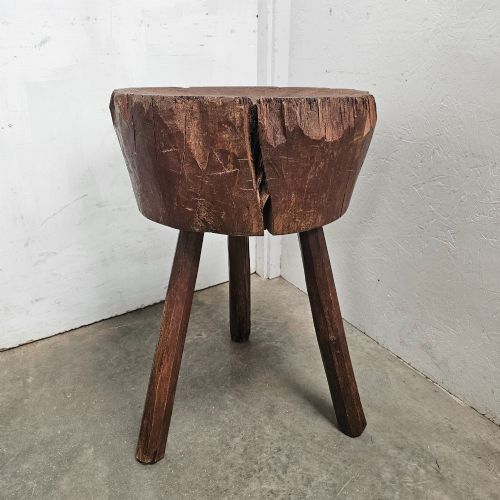
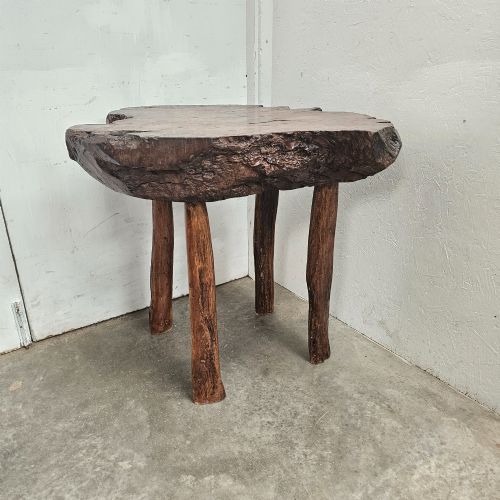
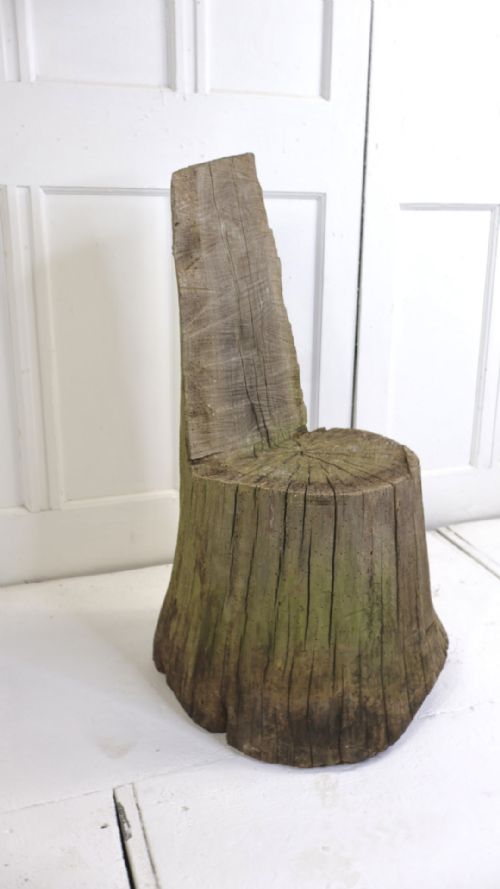
When you search for a rustic timber side stool, you encounter low seating, small tables, and chopping blocks shaped by country makers using accessible local woods. These objects bridge the gap between utilitarian workshop equipment and domestic seating.
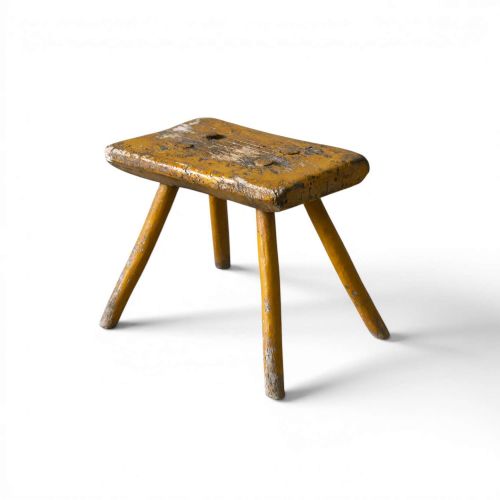
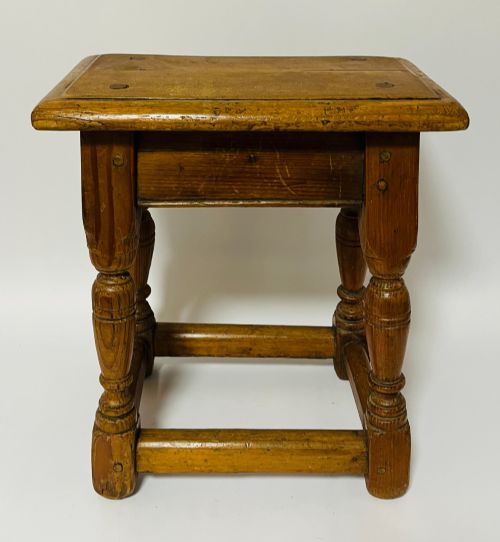
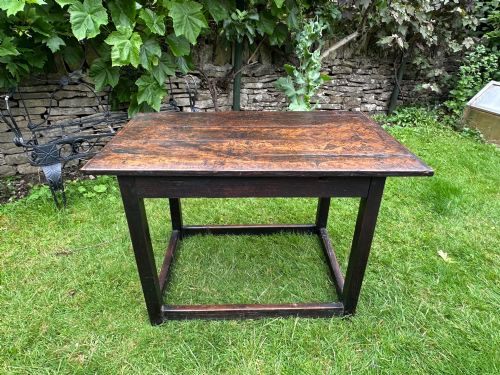
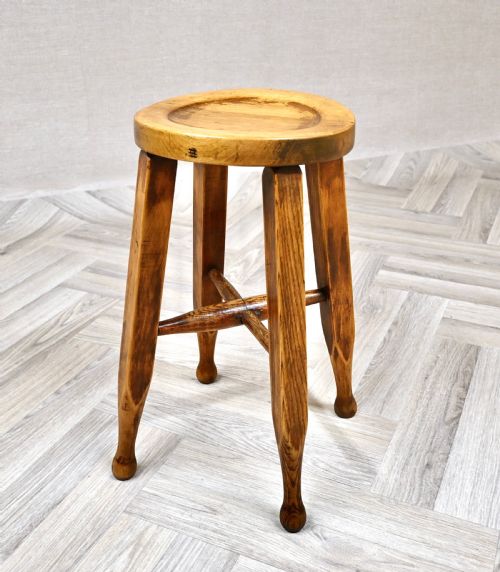
The pieces on this page lean heavily towards the nineteenth and eighteenth centuries, featuring vernacular forms like joint stools, milking stools, and low occasional tables. They show the practical marks of rural life rather than the polished veneer of urban parlours.
How they were made
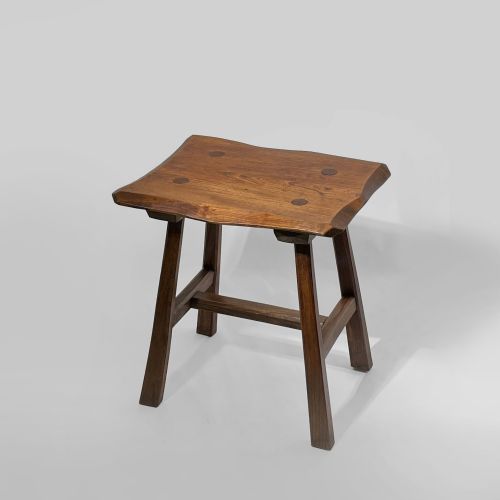
Maker-craftsmen built these pieces from solid hardwoods and softwoods like oak, ash, elm, sycamore, and pine, selecting timber for strength rather than showy grain. They utilised basic joinery, housing legs directly into thick plank tops or joining boards with simple peg construction.
Surfaces often bear the direct evidence of hand-tools, from adzed seats to saw marks left by pit saws. Original paint surfaces, such as ochre finishes, occasionally survive alongside bare scrubbed timber.
Periods represented across the selection include the seventeenth, eighteenth, and nineteenth centuries, alongside Edwardian examples.
What varies in quality
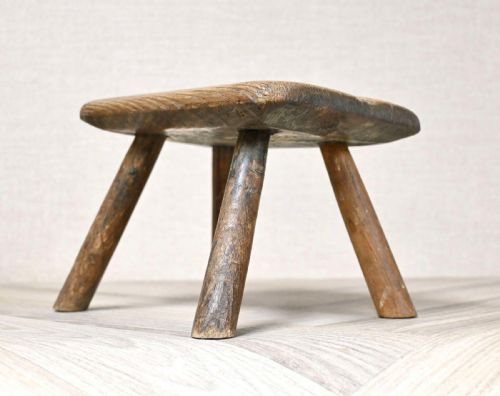
The distinction between ordinary workshop utilitarian items and superior examples lies in the integrity of the timber and the balance of proportions. A well-proportioned three-legged stool with pleasing splay possesses a sculptural presence that clumsy replacements lack.
Surface preservation dictates much of the appeal, with untouched dry timber patination holding more interest than over-restored or heavily sanded surfaces. The honesty of construction remains paramount in assessing how well a piece represents its vernacular tradition.
The Rustic Timber Side Stool Glossary
- Joint stool
- A joined or framed wooden stool constructed with mortise and tenon joints rather than turned legs driven into a solid seat. These sturdy items served multiple household duties.
- Milking stool
- A low three-legged seat designed for stability on uneven farm floors while milking livestock. Their simple tripod construction prevents wobbling.
- Plank top
- A tabletop or seat surface formed from solid boards joined side by side. Thickness and width of the timber often indicate the age and origin of the piece.
- Vernacular
- Architecture and objects built by local tradesmen using traditional methods and regional materials to satisfy immediate practical needs. These items eschew academic architectural styles.
Rustic Timber Side Stool: Frequently Asked Questions
What is a rustic timber side stool used for?
These low pieces function effectively as small side tables, bedside surfaces, or extra seating in casual rooms.
Their sturdy timber construction allows them to support plants, books, or lamps without demanding formal placement.
How do I clean an antique pine stool?
Dust the surface regularly with a dry cloth to prevent dirt accumulation in the grain.
Avoid harsh chemical cleaners or excessive water, using only a slightly damp cloth if deeper cleaning is necessary.
Are three-legged stools stable on carpets?
Three-legged forms naturally adjust to uneven floors without rocking because all three feet maintain contact.
On thick carpets, however, the narrow feet may sink deeper than wider four-legged bases.
How can I tell the age of these stools?
Age reveals itself through hand-tooled surfaces, timber shrinkage, and the type of joinery employed by the maker.
Hand-cut pegs and irregular tool marks generally point towards earlier centuries of production.