
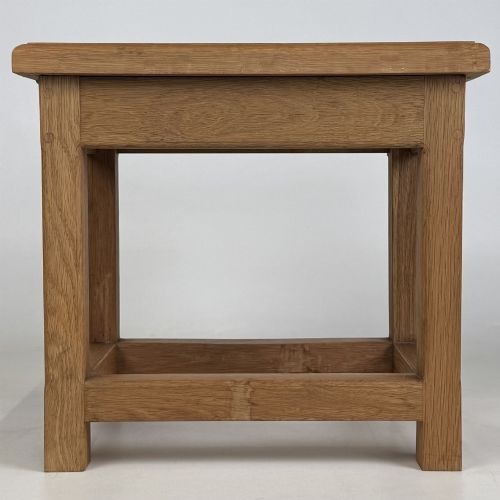
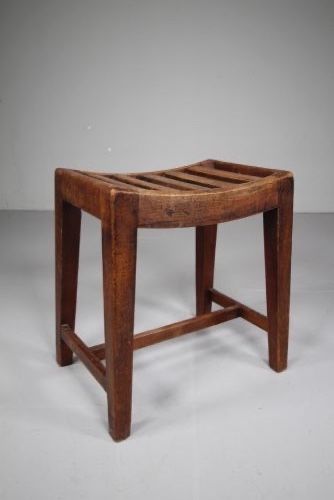
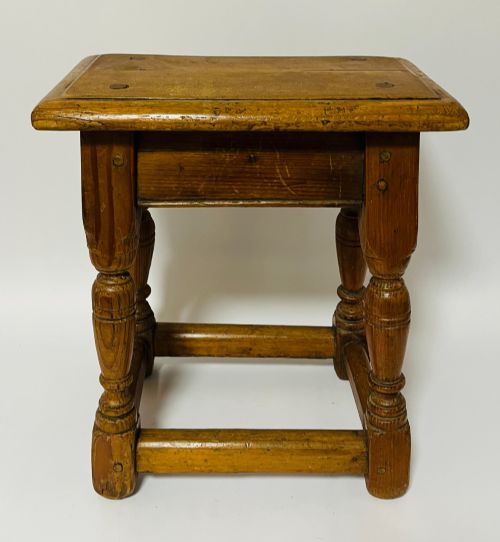
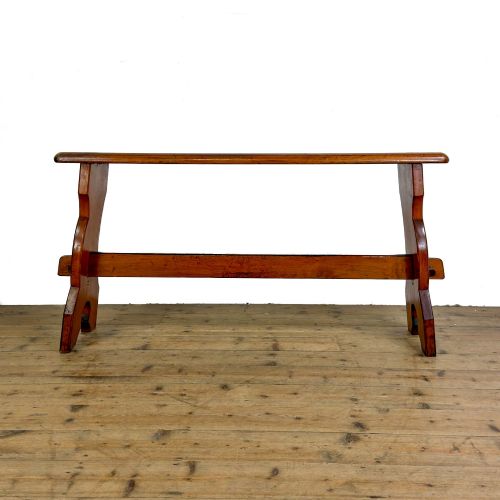



Warm Brown Stool
A warm brown stool brings solid timber grain and honest utility into a room, offering practical seating shaped by centuries of country and formal design.
Warm Brown Stool
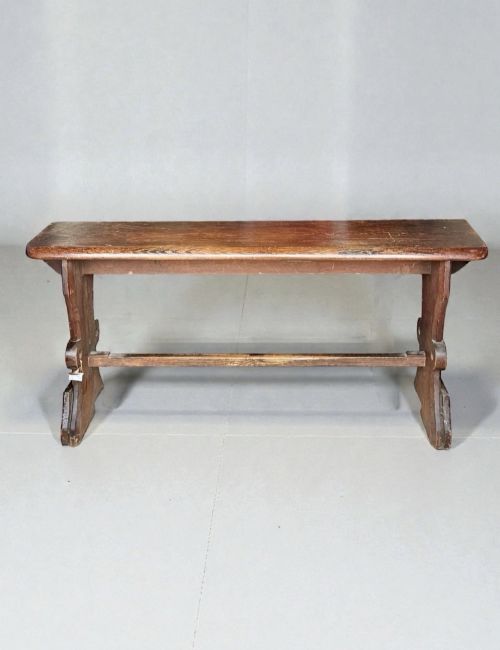
The selection extends beyond simple perches to include piano stools, organ benches, duet seats, and high bar stools, reflecting the diverse domestic and public uses of these wooden objects over successive periods.
Materials and construction methods
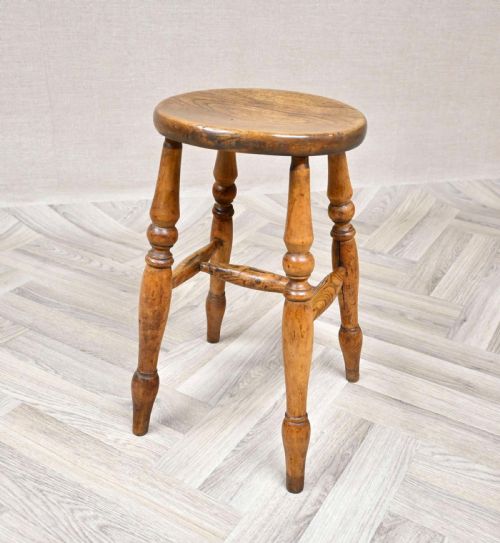
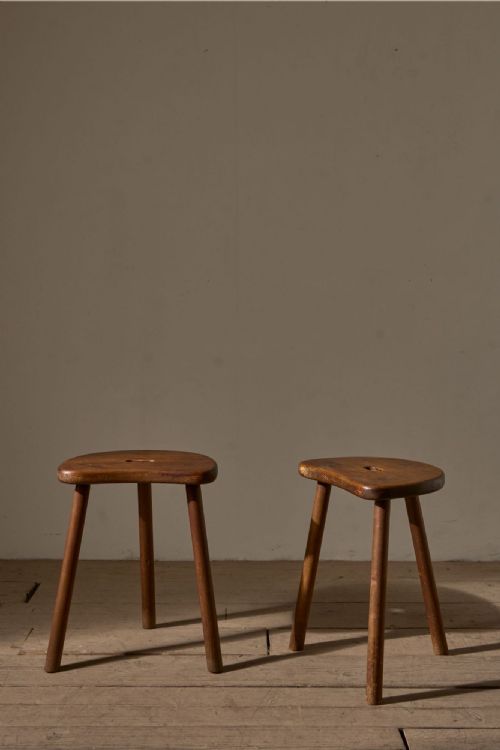
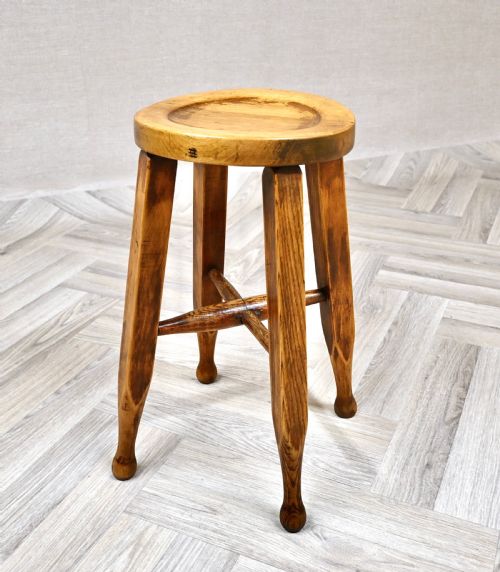
Cabinetmakers and country joiners utilised native timbers including oak, elm, pine, mahogany, ash, yew wood, and fruitwood to build these seating pieces. Solid planks were shaped into seats while legs were often turned on a lathe or pegged securely through mortise and tenon joints.
Finer pieces incorporate decorative touches such as brass inlay, shaped slats, or cane work, contrasting with the heavier utilitarian build of vernacular alehouse and hearth stools.
Several pieces are designed strictly for organists and pianists, proving that antique musicians needed serious seating long before modern adjustable piano benches arrived.
Distinguishing quality and finish
Quality rests in the selection of the timber and the integrity of the joinery, distinguishing sturdy country work from refined period pieces like Regency mahogany piano stools. Superior examples display rich natural patination across the grain, tight joint construction, and thoughtful proportions that survive decades of daily use.
The Warm Brown Stool Glossary
- Joint stool
- A sturdy wooden seat constructed with mortise and tenon joints pegged together rather than glued. These early domestic items provided heavy-duty seating before chairs became common.
- Close stool
- A cabinet-like piece of furniture enclosing a chamber pot, designed to resemble a standard seat or small cupboard. Georgian examples often utilised fine hardwoods like plumwood.
- Windsor stool
- A traditional seat featuring legs and spindles wedged directly into a thick sculpted wooden base. This technique borrows from the classic Windsor chair construction method.
- Dropleaf centre table
- A freestanding table with hinged flaps on either side that can be raised or lowered to adjust the surface area. French provincial examples in elm appear among utility seating.
Warm Brown Stool: Frequently Asked Questions
How were these stools used?
These wooden pieces served varied domestic and institutional roles, from kitchen seating and hearth perches to church organist benches and tavern alehouse stools.
Finer examples functioned in formal parlours as piano stools, duet seats, or elevated candle stands, demonstrating adaptability across different social settings.
How do I identify the period?
Dating relies on timber selection, construction techniques, and stylistic markers such as Regency brass inlay or Georgian slat configurations.
Earlier eighteenth-century pieces often display heavy oak or mahogany framing, while nineteenth-century vernacular items favour regional woods like elm, ash, and pine.
Are these pieces suitable for daily use?
Most of these solid timber items were built for hard domestic or public service and remain robust enough for regular sitting.
Placing them in modern interiors adds practical low seating or stable side surfaces while introducing rich historical wood grain to a room.
What woods are most common?
Pine, oak, and elm appear frequently across the country and vernacular seating options, shaped by local timber availability.
More refined urban pieces utilise dense hardwoods like mahogany, yew wood, fruitwood, and plumwood to achieve polished decorative finishes.