




Adjustable Piano Stool
An adjustable piano stool offers the precise seating height required for keyboard performance, combining mechanical ingenuity with period craftsmanship.
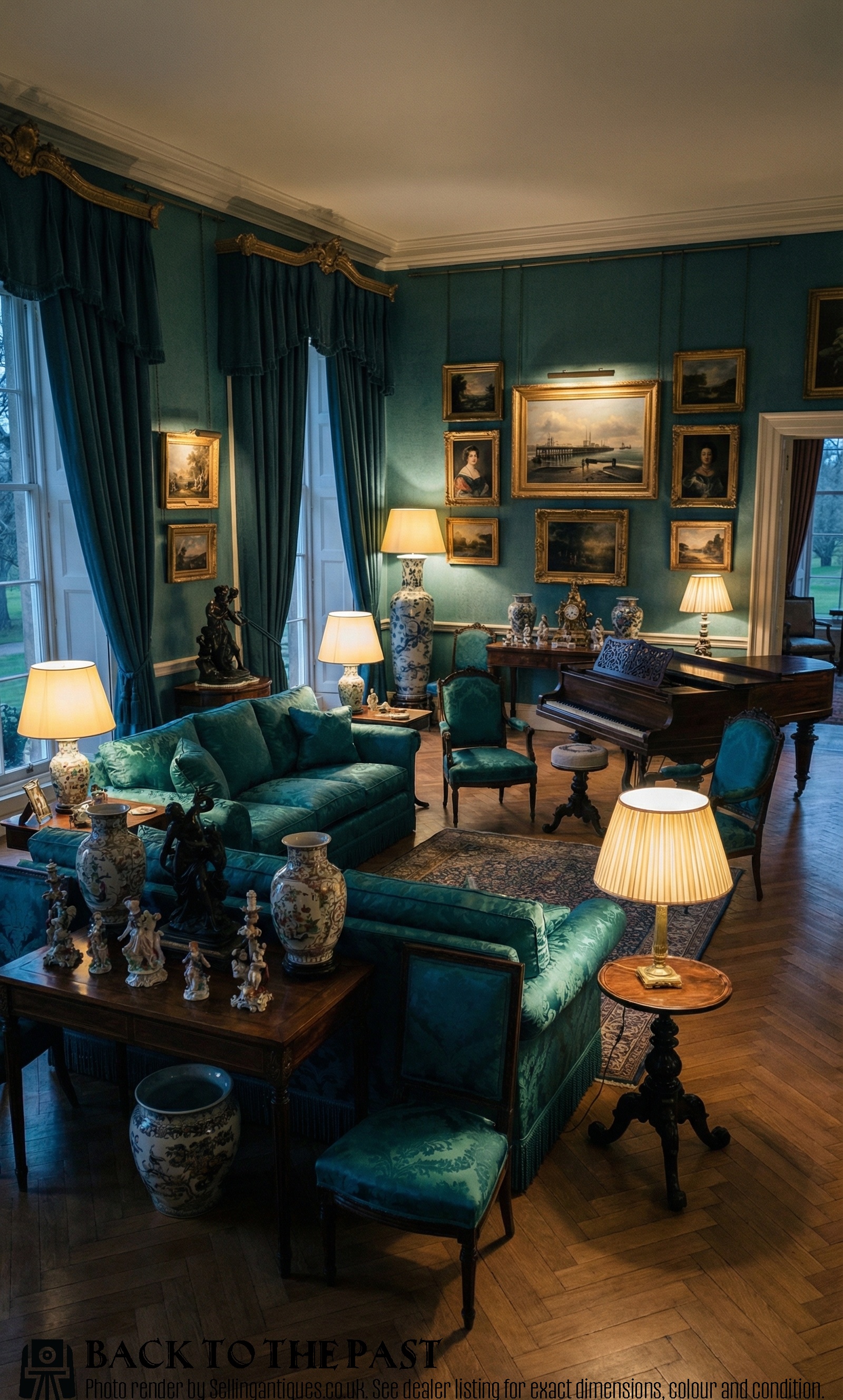
Adjustable Piano Stool
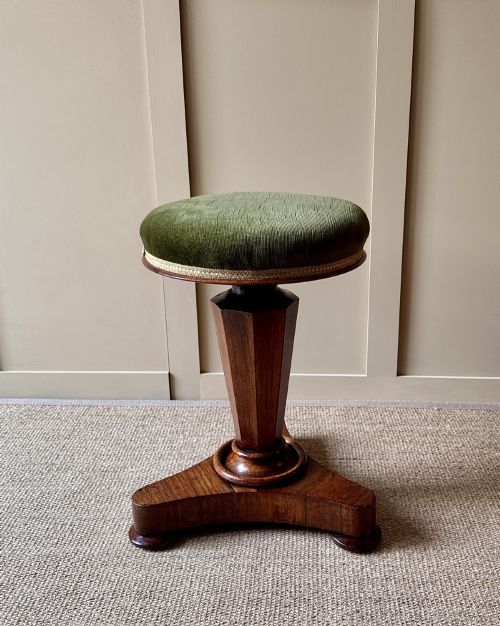
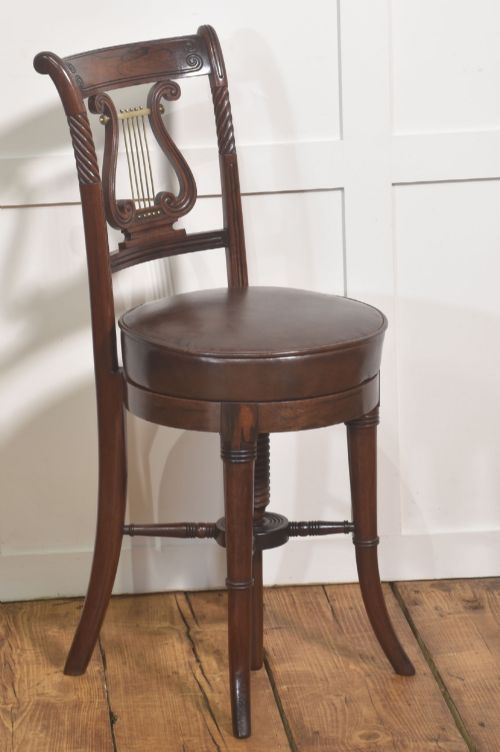
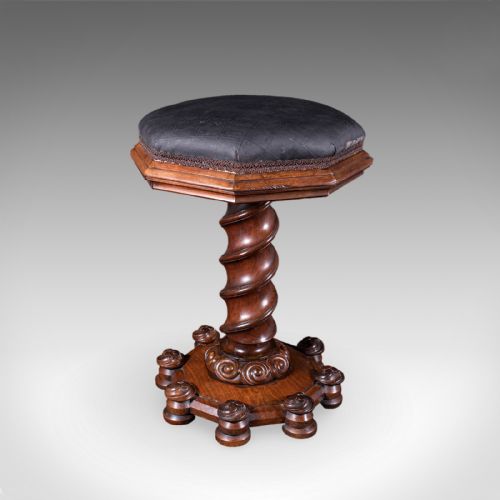
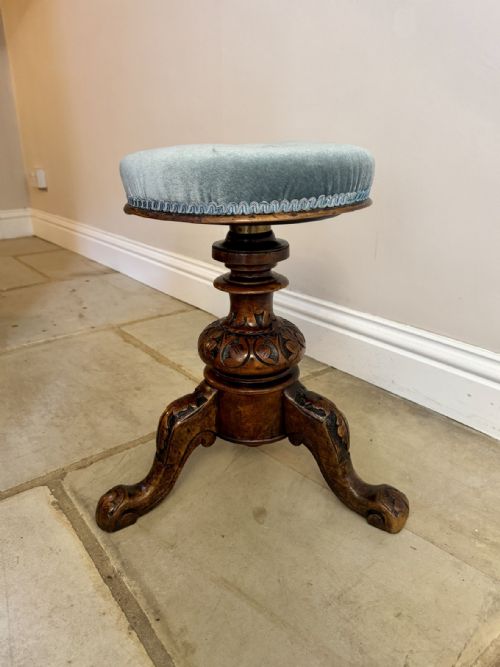
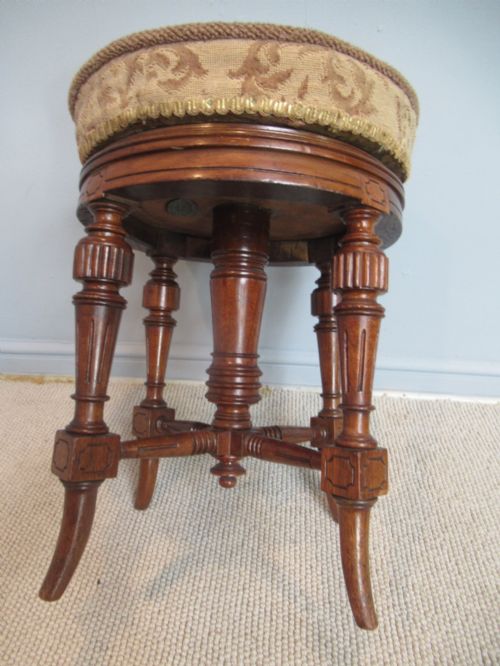
An adjustable piano stool provides mechanical height adjustment to suit musicians at the keyboard, appearing frequently in Victorian and Regency forms across these listings.
Makers produced these pieces in forms ranging from revolving circular seats to rise and fall mechanisms, utilising timbers such as mahogany, walnut, and rosewood.
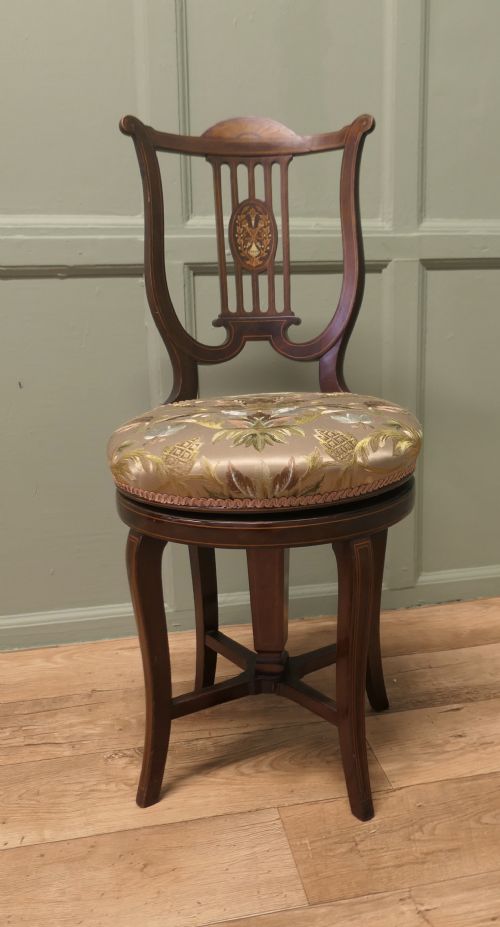
The category encompasses specialised music chairs, harpist stools, and dressing chairs designed for domestic music rooms and parlours.
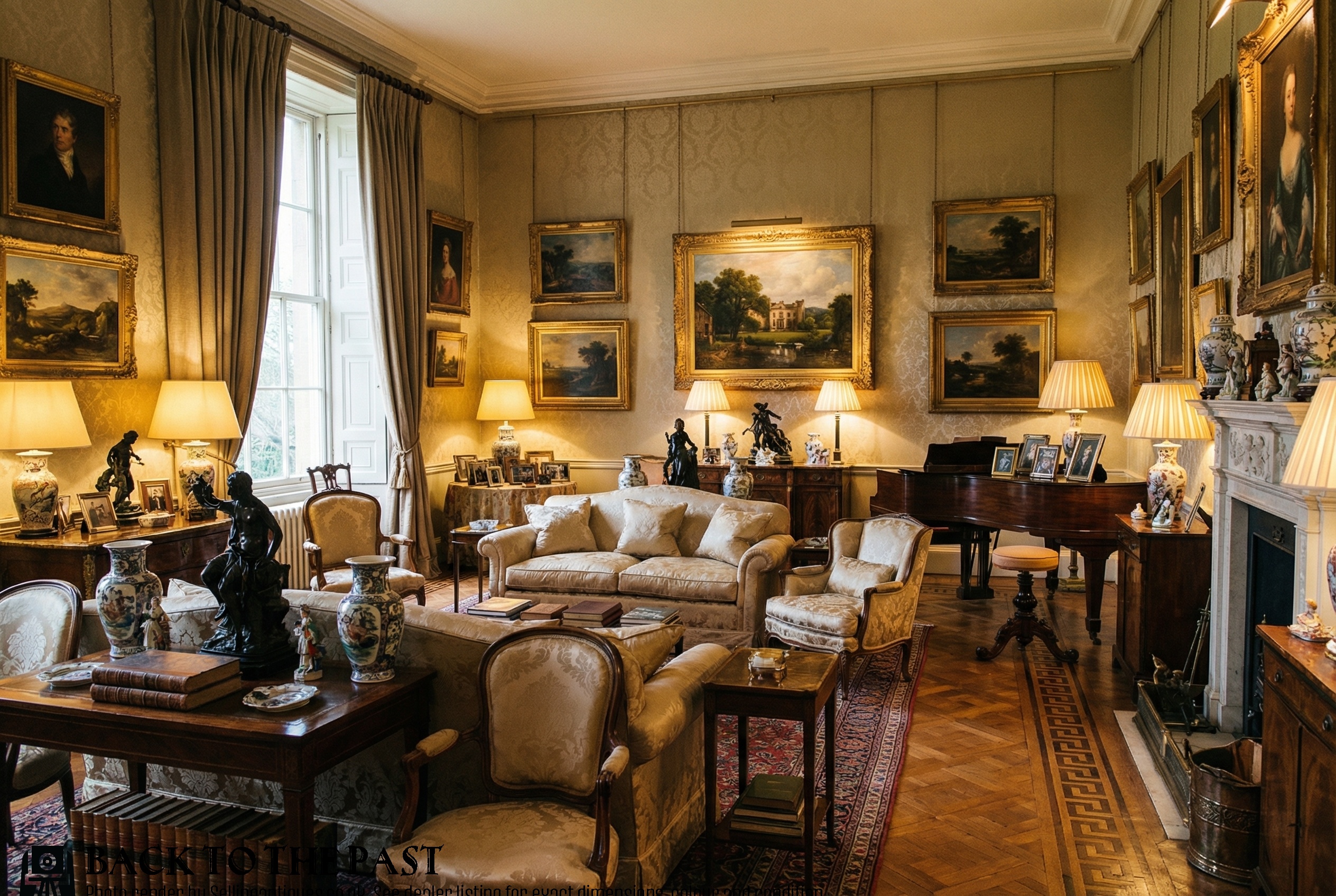
How they were made
Cabinet makers utilised dense hardwoods including mahogany, walnut, and rosewood, often shaping them with carved details or brass inlays.
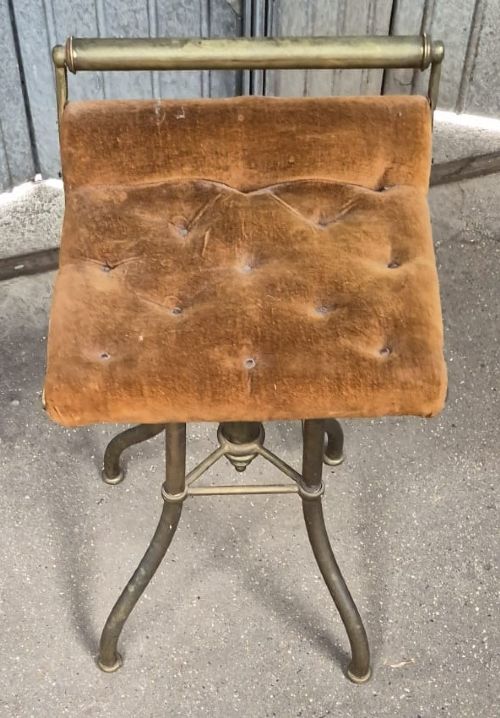
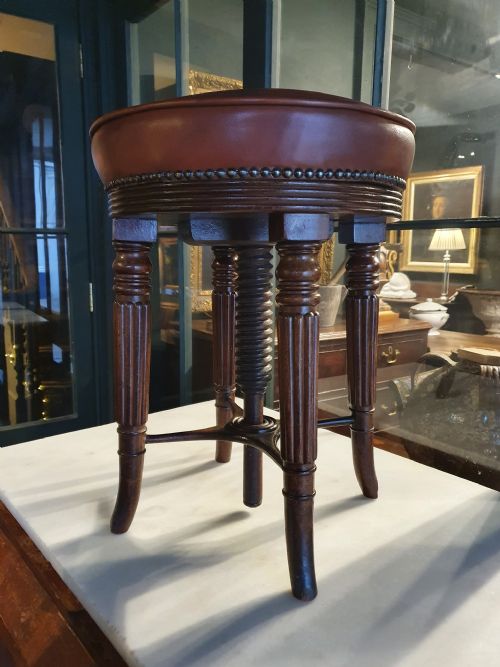
Mechanisms incorporated brass screws, cast iron, and swivel joints to achieve the rise and fall action required by performers.
Seats were upholstered in materials such as velvet, leather, fabric, and tapestry over padded frames.
Adjustable Piano Stool Retail Price Guide 2026
Typical asking prices for adjustable piano stool among the pieces listed under this phrase on Sellingantiques today, from the lower quarter to the upper quarter. They describe what is for sale here now, not the wider market.
Listings feature walnut, mahogany, and rosewood alongside brass and cast iron components.
What varies in quality
The sophistication of the timber figure and the depth of the carving distinguish standard examples from finer workshop productions.
The precision and smoothness of the mechanical rise and fall action indicate the standard of original engineering.
The integrity of the frame construction and the quality of secondary woods affect the overall durability of the piece.
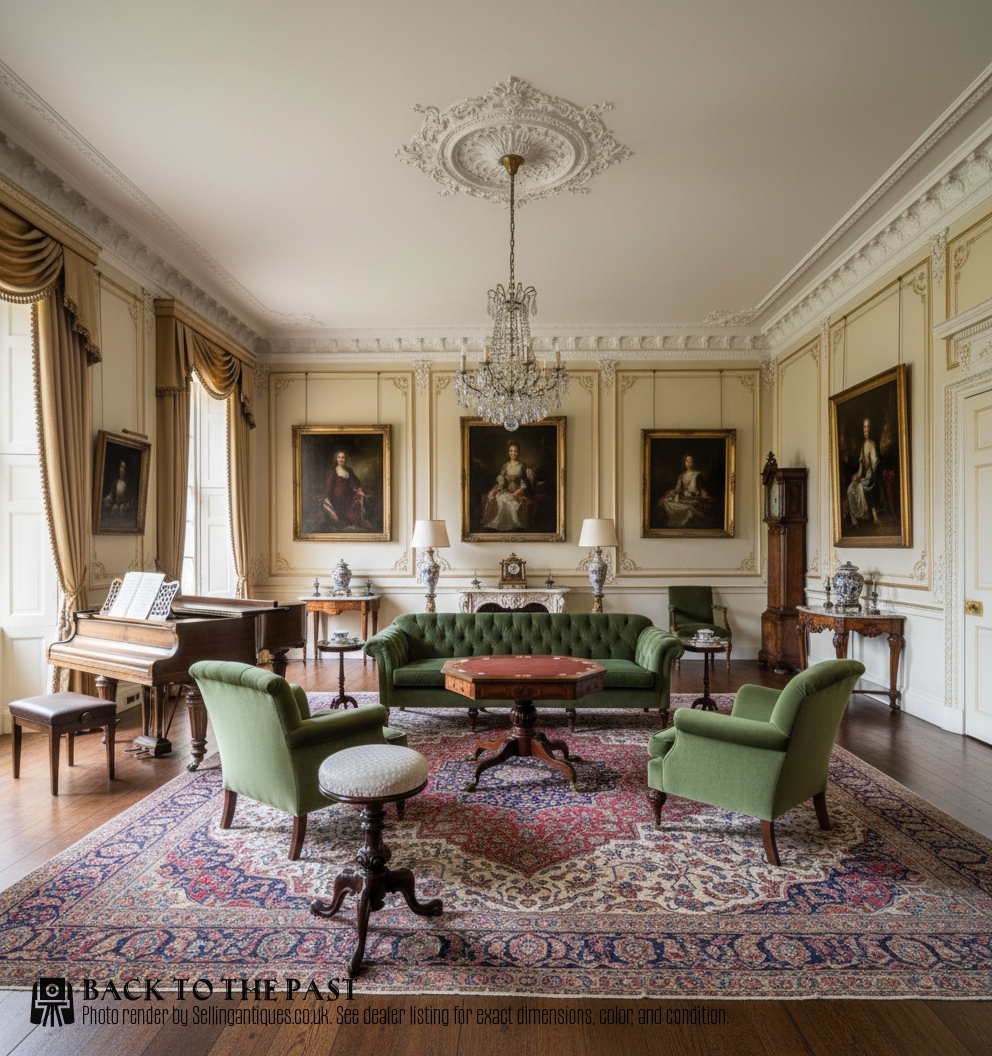
Jennens and Bettridge·Gillows·C H Hare·H Brooks
The Adjustable Piano Stool Glossary
- Rise and fall
- A mechanical system using a threaded screw or ratchet to alter the height of the seat. This mechanism allows the player to adjust the seating position smoothly.
- Revolving
- A top that turns through three hundred and sixty degrees on a central spindle. This design permitted musicians to pivot easily.
- Ebonised
- Timber treated to resemble ebony through staining or painting. This finish gained popularity during the nineteenth century.
- Aesthetic Movement
- A late nineteenth century style emphasising artistic visual qualities over narrative content. Pieces in this style often feature clean lines and ebonised finishes.
- Papier-mâché
- A composite material made from paper pulp or layers of paper bound with adhesive, then moulded and lacquered. It provided a sturdy base for decorative surfaces.
Adjustable Piano Stool: Frequently Asked Questions
How do adjustable piano stool mechanisms work?
Many examples use a central wooden or metal screw mechanism that raises or lowers the circular seat when turned. Other designs employ a ratchet or rise and fall lever system concealed beneath the upholstery.
These mechanical solutions allowed players of different heights to achieve a comfortable posture at the keyboard during long practice sessions.
What woods were commonly used?
Cabinet makers relied primarily on dense, durable hardwoods such as mahogany, walnut, and rosewood. Ebonised finishes and occasional oak or exotic timbers also appear across various periods.
These materials provided the structural strength needed to support the twisting and weight-bearing demands of a revolving seat.
How can I tell the period?
Regency and William IV pieces often display heavier rosewood frames with classical brass inlays or bold turned supports. Victorian examples frequently feature carved walnut, papier-mâché, or cast iron components.
Late nineteenth century pieces may incorporate Arts and Crafts simplicity or Aesthetic Movement ebonised surfaces.
Were they only used for pianos?
Musicians used these seats for harp and cello performances, as well as at organs in domestic estates and chapels. The adjustable height and revolving tops also made them suitable as dressing table chairs.
Their versatility ensured a place in multiple rooms of the nineteenth century home beyond the music salon.