

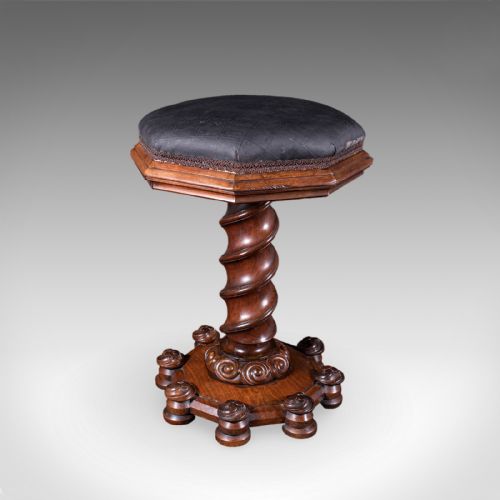
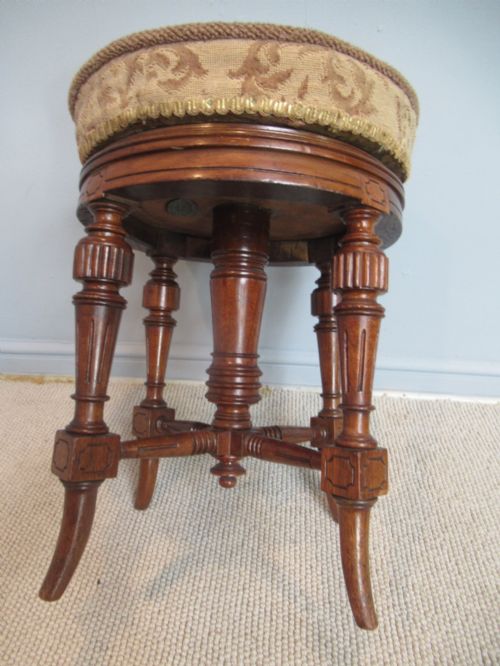
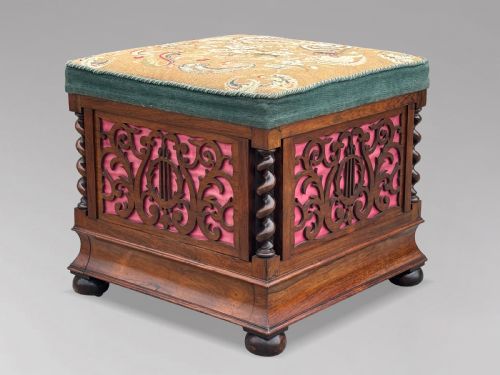


19th Century Piano Stool
A 19th century piano stool offers a practical seat for the keyboard player while bringing period warmth to a room.
19th Century Piano Stool
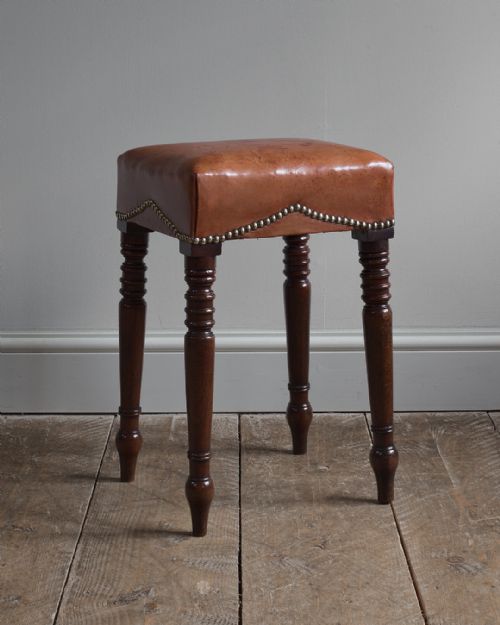
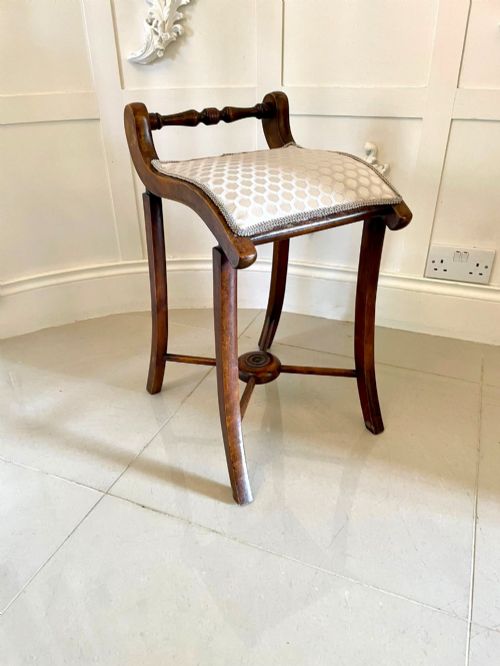
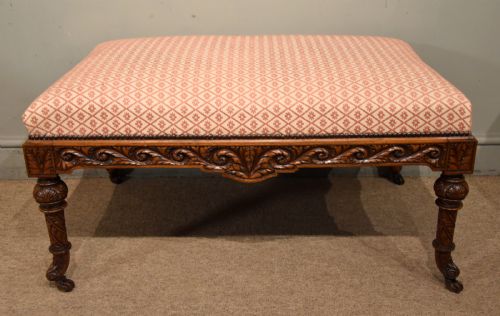
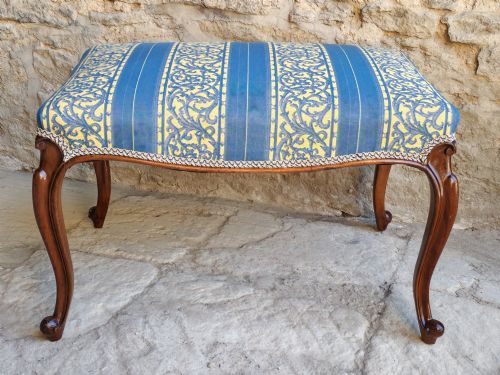
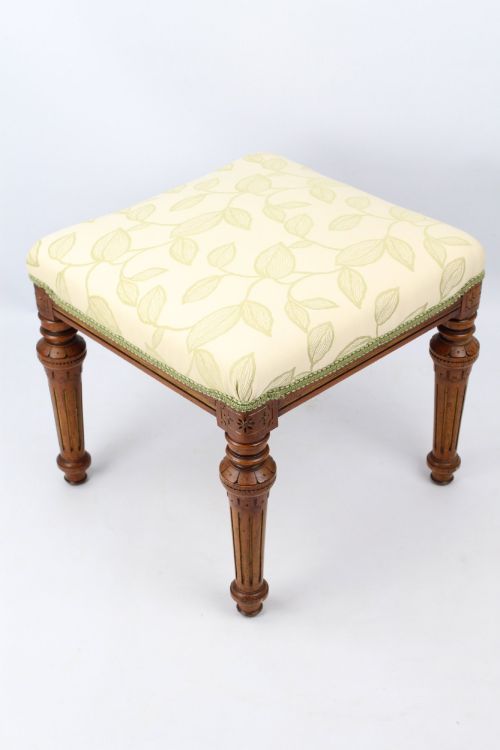
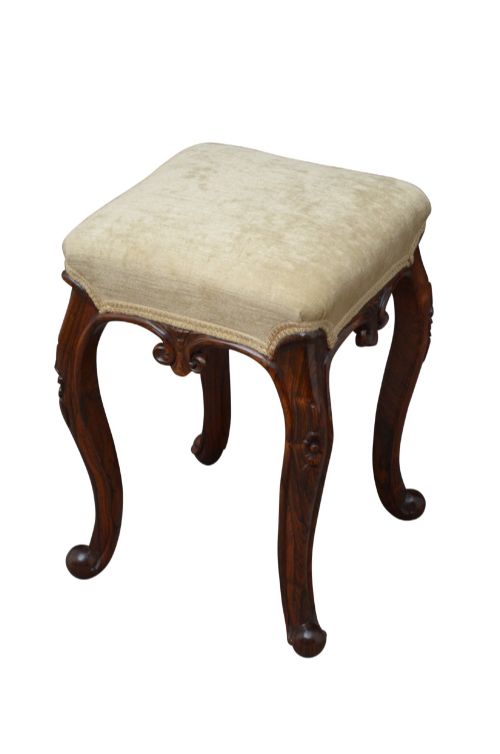
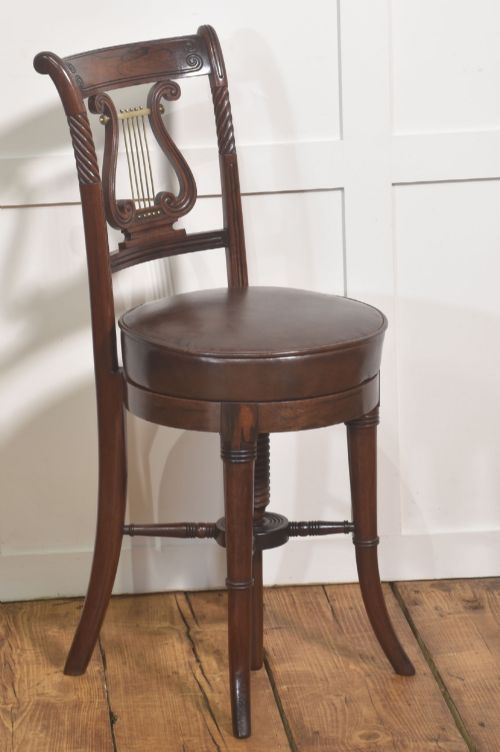
A 19th century piano stool encompasses adjustable music chairs, swivel seats, and fixed dressing stools designed for keyboard practice and performance. These pieces appear primarily in Victorian and Regency idioms, alongside William IV examples.
The materials span dense timbers such as mahogany, walnut, and rosewood, paired with upholstery in fabric, leather, and velvet. Formats range from circular revolving tops to rectangular frames with screw mechanisms for height alteration.
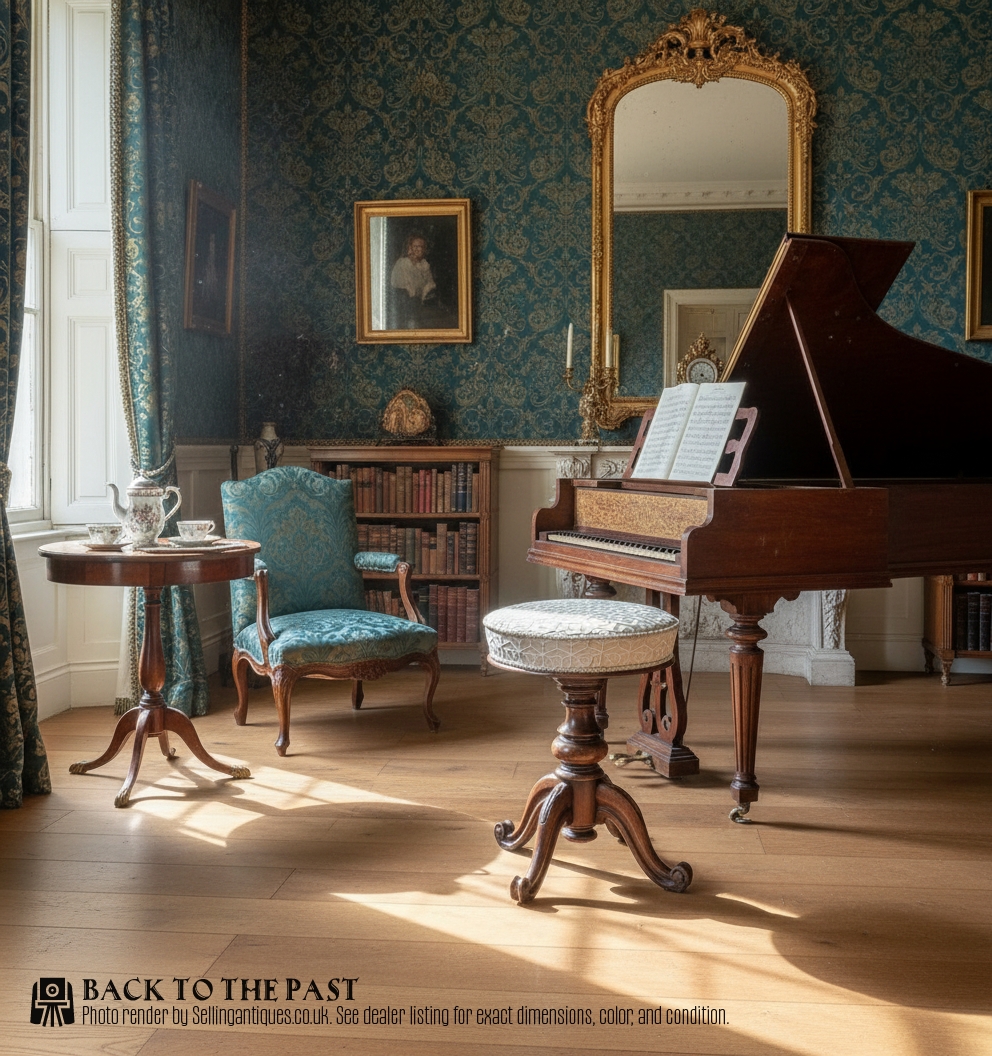
How They Were Made
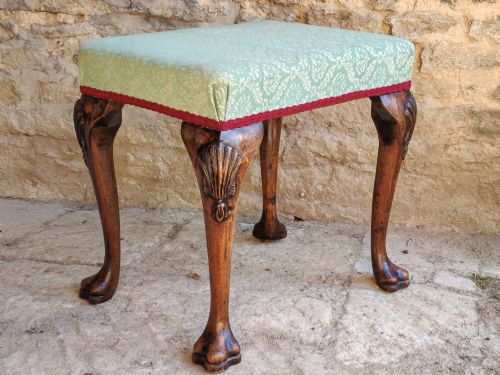
Cabinet makers utilised solid mahogany, walnut, and rosewood, often shaping the timber into cabriole legs, turned columns, or cross frames. Brass and steel components formed the internal screws and fittings that allowed the seats to rise and fall.
Upholstery techniques involved textile, needlepoint, or leather stretched over padding, sometimes secured with brass to match the mechanical elements of the frame.
19th Century Piano Stool Retail Price Guide 2026
Typical asking prices for 19th century piano stool among the pieces listed under this phrase on Sellingantiques today, from the lower quarter to the upper quarter. They describe what is for sale here now, not the wider market.
Some Victorian musicians enjoyed the novelty of a revolving seat that spun freely during enthusiastic piano recitals.
What Varies in Quality
The distinction between tiers rests upon the choice of timber and the precision of the turning and carving. Dense, figured rosewood and burr maple demand greater skill to shape than standard mahogany.
Mechanism design separates simple fixed seats from complex revolving or screw-adjusted music chairs that require robust brass and steel engineering to function smoothly over generations.
Jennens & Bettridge·Charles Nosotti·Holland & Son
The 19th Century Piano Stool Glossary
- Revolving stool
- A seat with a top that spins on a central wooden or metal screw to alter height. This design allowed musicians to find a comfortable posture quickly.
- Adjustable piano stool
- A seat fitted with an internal screw mechanism operated by turning the top or using a side handle. Such engineering permitted precise height changes during practice.
- X-framed stool
- A seating form featuring intersecting diagonal legs that create a cross shape from the side view. This architectural style draws on Regency and Victorian revival aesthetics.
- Papier-mâché
- A composite material made from paper pulp mixed with glue and resin, pressed into moulds and hardened. Makers finished these surfaces with lacquer and inlay for music rooms.
19th Century Piano Stool: Frequently Asked Questions
How do adjustable piano stools work?
These pieces use a central wooden screw or metal threaded rod hidden beneath the upholstery. Turning the seat rotates it along the thread to raise or lower the height for the player.
Many examples feature a locking lever or side handle to secure the seat in position once the desired height is reached.
Where were these pieces used?
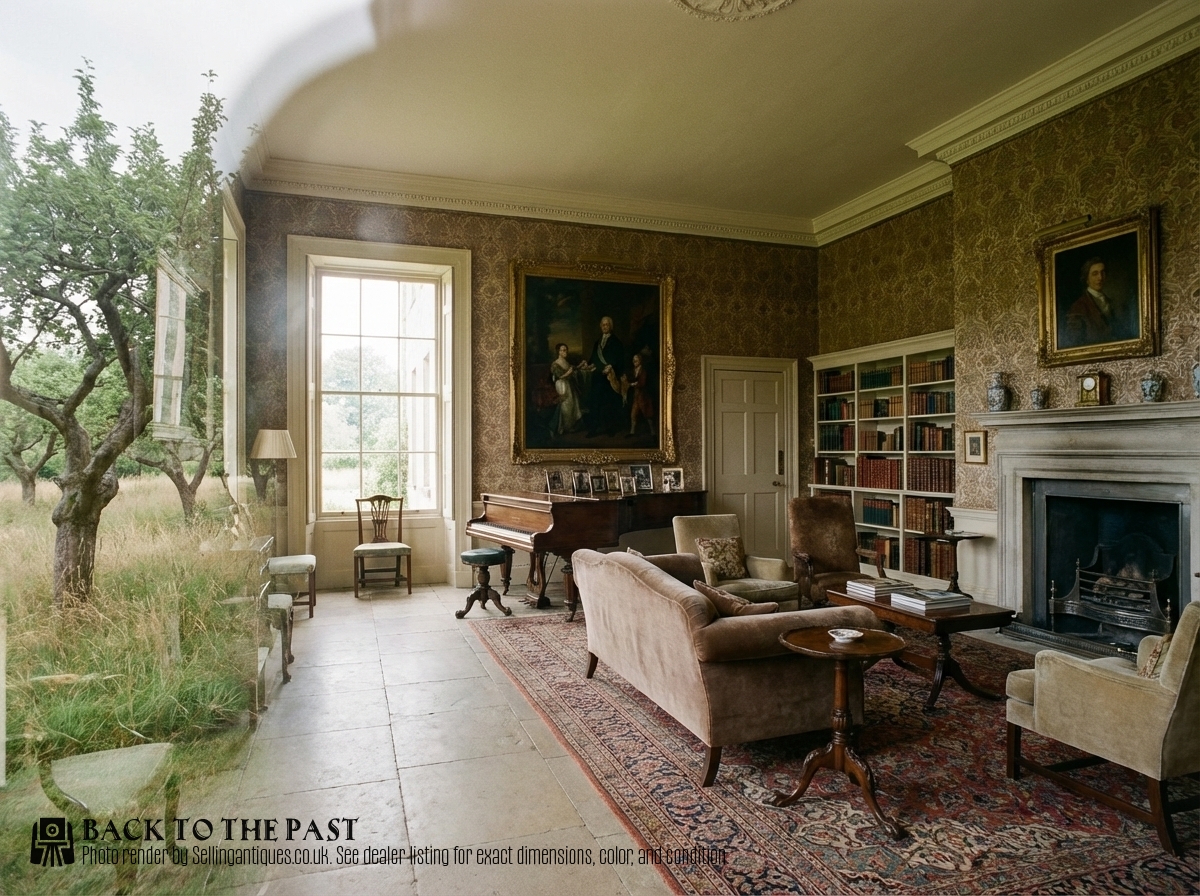
Musicians placed them beside upright and grand pianos in domestic drawing rooms, parlours, and music halls. They also served as dressing table seats in bedrooms.
The compact footprint allowed them to slide under instruments or store neatly against walls when not in use.
How should I clean the wood?
Maintain the timber surfaces by dusting gently with a dry, soft cloth. Avoid using modern silicone sprays or household wet wipes that can damage the polish.
Apply a traditional beeswax occasionally to nourish the grain of mahogany, walnut, or rosewood without building up a heavy residue.
Can I use one as a regular chair?
These seats suit occasional sitting at a desk, dressing table, or piano. Their sturdy timber frames support everyday use just as they did in the past.
Bear in mind that revolving or height-adjustable mechanisms may have slight movement compared to a fixed four-legged chair.