


Antique Music Seat
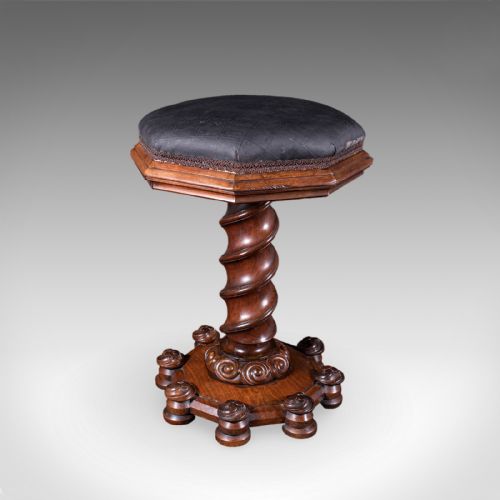
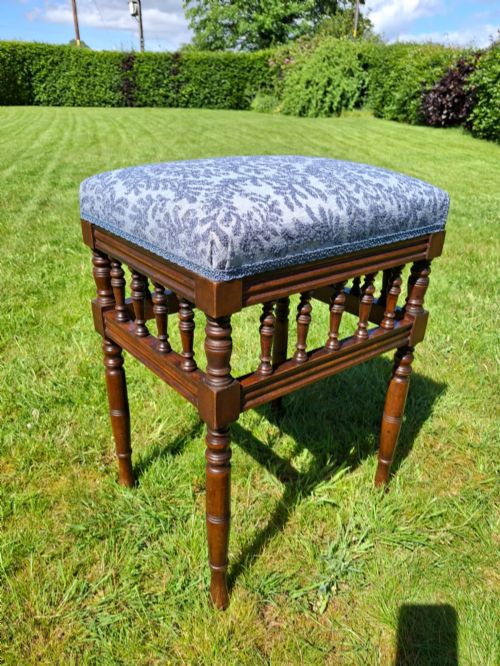
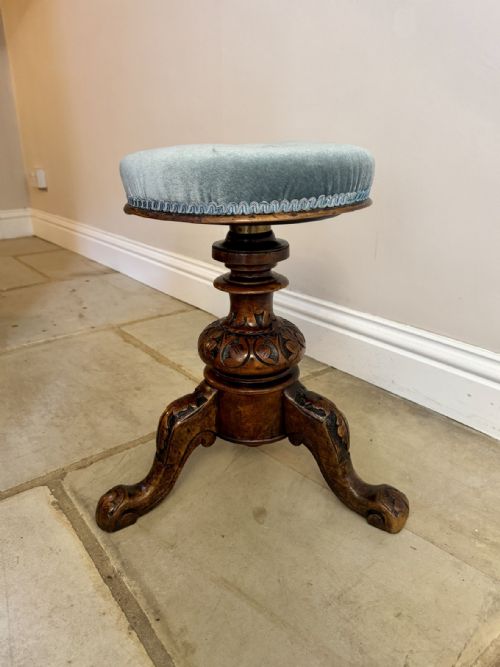
An antique music seat provides the necessary adjustable height or swivel action for keyboard practice, drawing from Victorian, Edwardian, and Regency periods.
Antique Music Seat
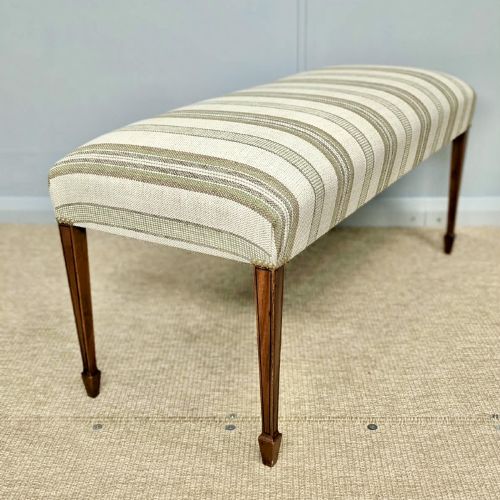
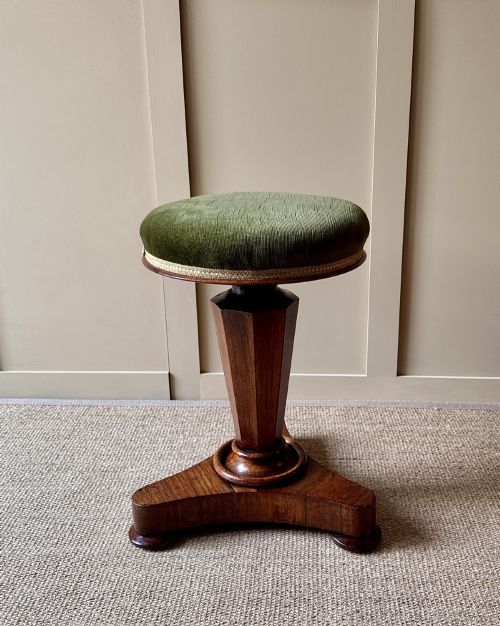
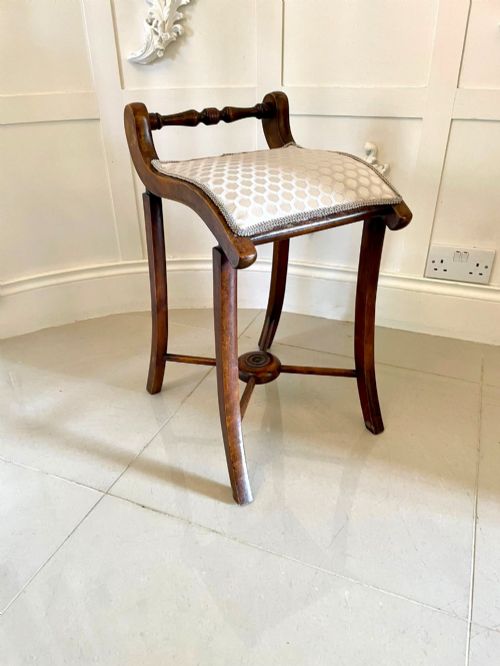
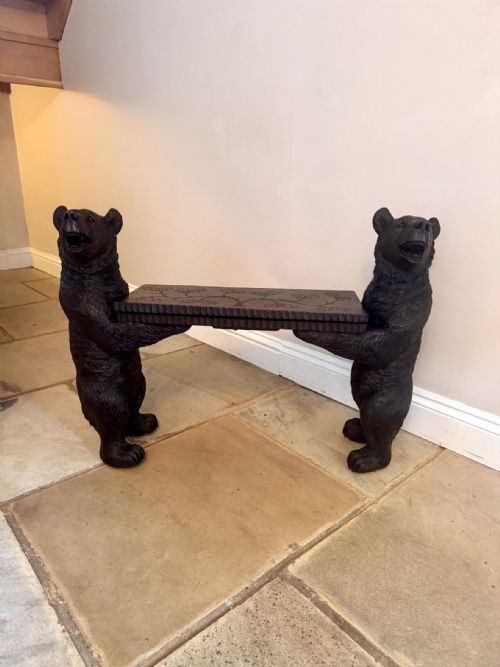
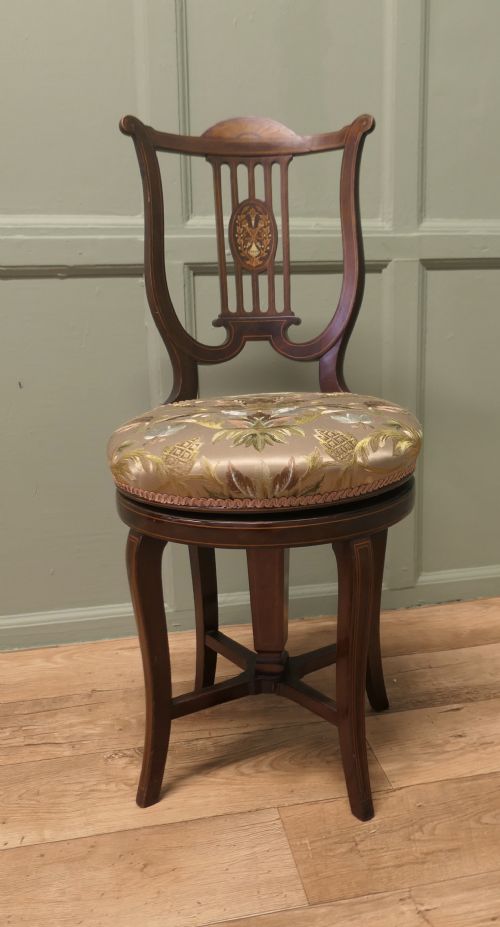
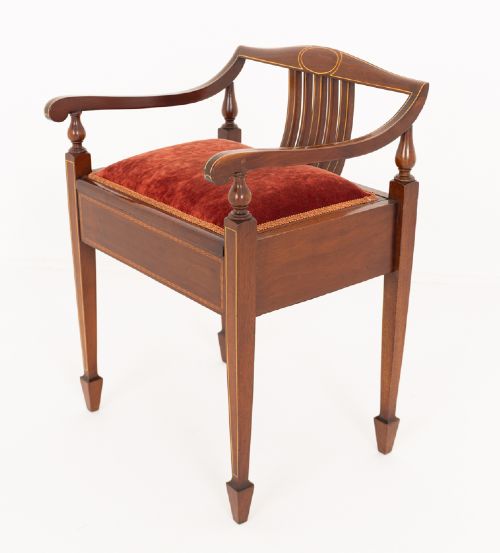
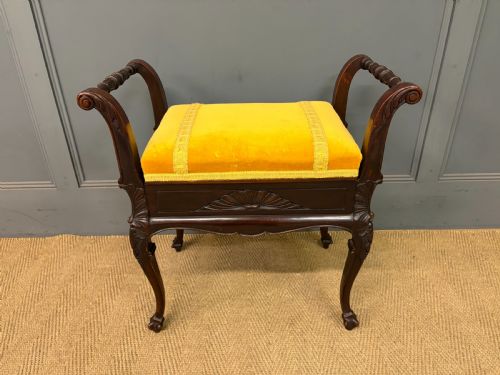
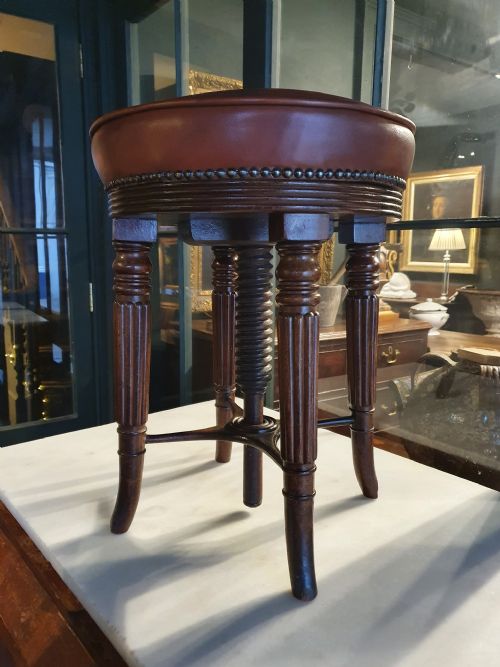
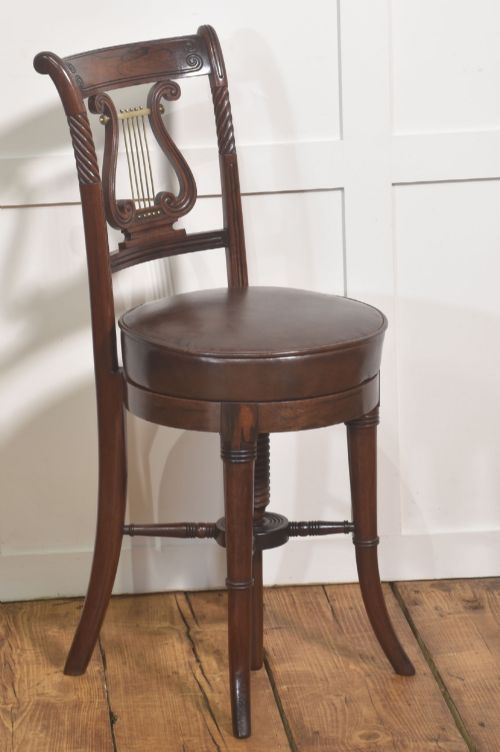
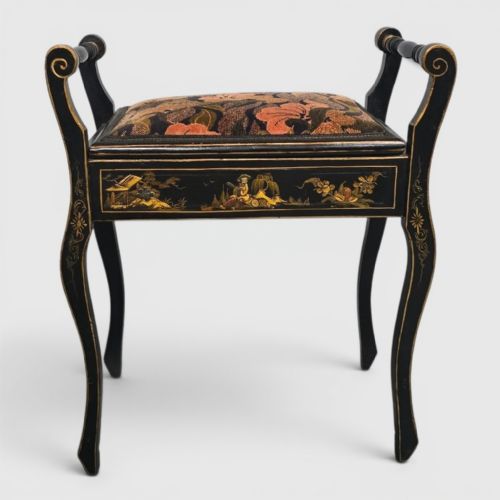
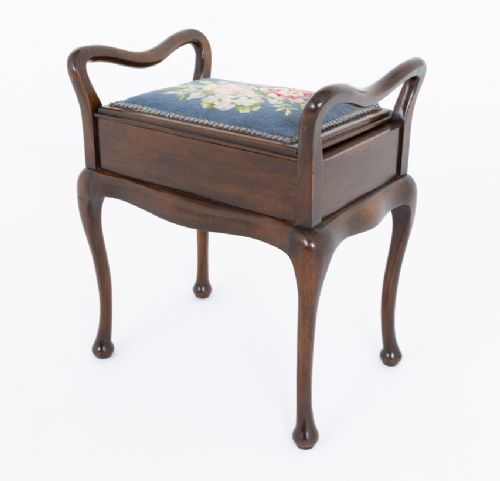
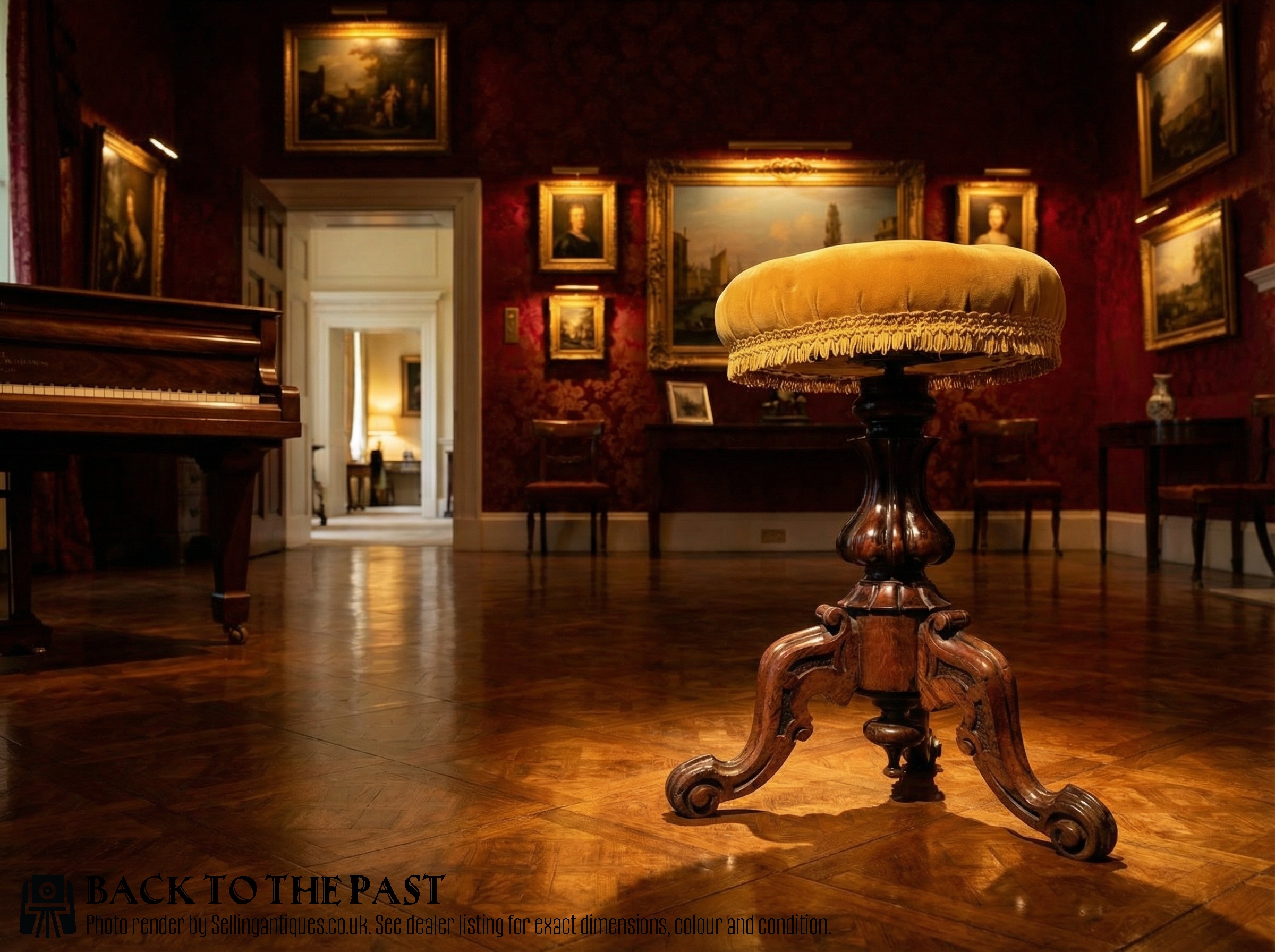
An antique music seat typically takes the form of piano stools, music stools, or music chairs designed for keyboard players and musicians in the nineteenth and early twentieth centuries. The selection spans single revolving stools and duet benches with storage, reflecting periods from Regency through Victorian and Edwardian eras.
Most examples found here originate from Victorian and Edwardian workshops, utilising timber frames in mahogany, walnut, and rosewood. Forms range from simple revolving tops to complex adjustable height mechanisms suited for domestic parlours and music rooms.

How They Were Made
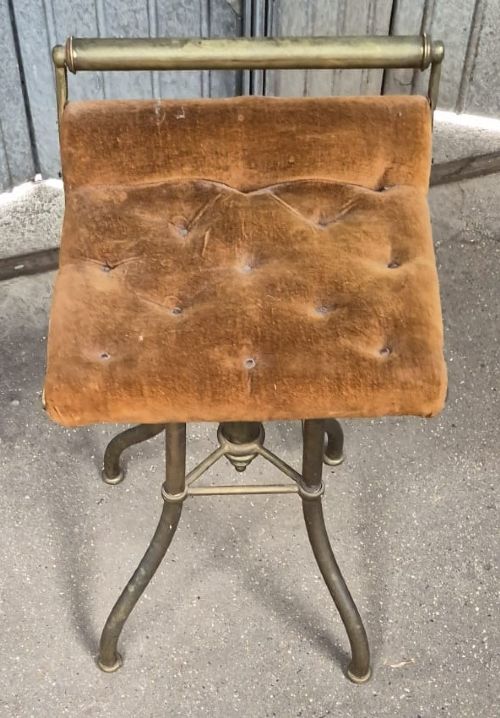
Cabinet makers constructed the frames using dense timbers such as mahogany, walnut, and rosewood, frequently incorporating carved details, marquetry inlay, or ebonised finishes. Brass hardware often served both structural and decorative purposes within the adjustable mechanisms.
Seats featured upholstery utilising fabric, leather, or velvet, sometimes built with buttoning or needlepoint work over a padded base to ensure comfort during long periods of practice.
Antique Music Seat Retail Price Guide 2026
Typical asking prices for music seat among the pieces listed under this phrase on Sellingantiques today, from the lower quarter to the upper quarter. They describe what is for sale here now, not the wider market.
Some Victorian musical chairs double as porcelain figures, proving that the Victorians loved their parlour entertainment in literal ceramic form.
What Varies in Quality
Construction standards differ significantly between standard domestic seating and pieces produced by notable makers using highly figured timbers and intricate carving. The sophistication of the rise and fall mechanism or swivel action dictates the mechanical execution of the piece.
The integrity of the timber frame and the originality of the upholstery materials, whether leather, velvet, or fabric, influence the overall character and preservation of the instrument bench.
Jennens & Bettridge·Charles Nosotti·Gillows
The Antique Music Seat Glossary
- Rise and fall
- A mechanical system allowing the seat height to be adjusted by rotating the top or using a winding handle. This function ensured the player could achieve the correct posture at the keyboard.
- Duet stool
- A wider bench designed to accommodate two players simultaneously during piano practice. These frequently incorporate internal storage compartments beneath the hinged seat.
- Swivel top
- A revolving seat mechanism enabling the musician to pivot freely while seated at an instrument. It relies on a central threaded screw or pivot pin within the wooden structure.
- Canterbury
- A low multi-section rack attached beneath or beside the seat for holding sheet music and folios. This addition kept scores organised near the keyboard.
- Ebonised
- Timber treated with a dark finish to imitate expensive ebony wood. This treatment appeared frequently on nineteenth-century aesthetic and arts and crafts furniture.
Antique Music Seat: Frequently Asked Questions
How do adjustable piano stools work?
Many examples utilise a central wooden screw mechanism that raises or lowers the seat when turned. Other variations employ mechanical ratchets or scissor actions concealed within the wooden frame.
These systems allowed musicians to find their precise playing height quickly before beginning a practice session or recital.
What is the difference between a duet stool and a regular piano stool?
Duet stools are built wider to seat two musicians side by side for piano duets. They often feature hinged lids opening to reveal storage space for sheet music.
Standard stools accommodate a single player and focus on swiveling actions or compact adjustable height mechanisms.
How can I date an antique music seat?
Dating relies on observing the timber types, decorative styles, and construction methods characteristic of different eras. Regency and William IV pieces display heavier rosewood and classical motifs, whilst Edwardian versions often feature lighter mahogany and inlaid details.
Hardware styles and the presence of maker stamps also help narrow down the period of manufacture.
Were music chairs different from standard chairs?
Music chairs typically featured specialised backs, such as lyre designs or revolving seats, intended to accommodate the physical movements of harpists, cellists, or pianists. Their frames were engineered to provide support while allowing freedom of arm movement during performance.