
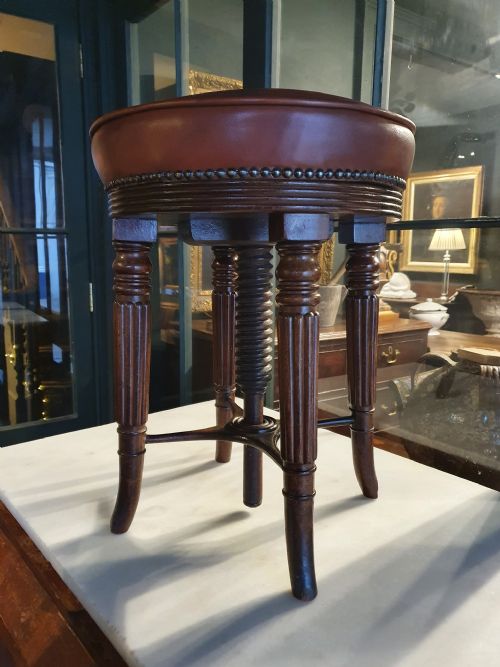



Victorian Piano Chair
A victorian piano chair is a functional music seat designed to adjust for height, bringing comfort and practicality to the keyboard.
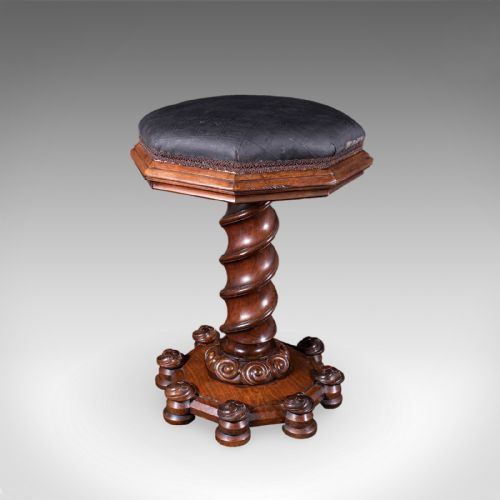
Victorian Piano Chair
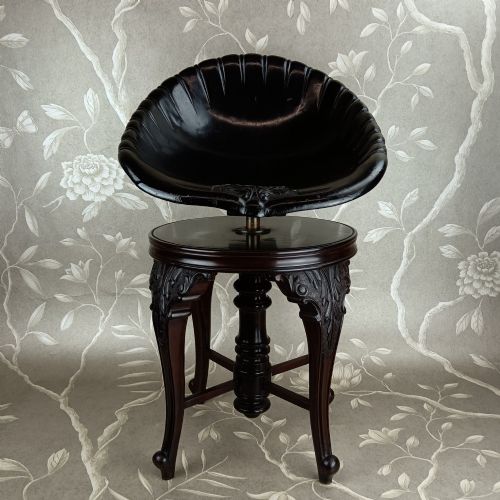
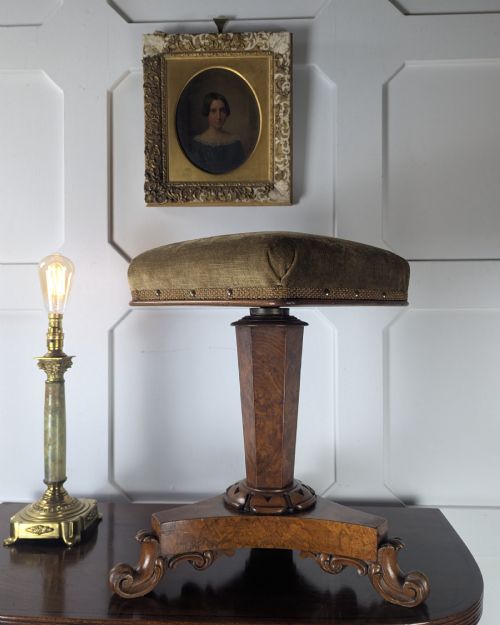
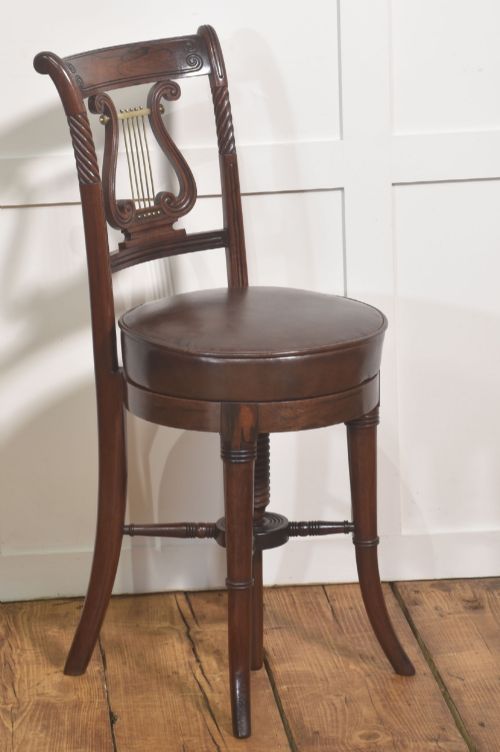
When you search for a victorian piano chair, you encounter a variety of revolving and adjustable seats rooted in the nineteenth century, including music stools, harpist chairs, and dressing table stools.
These pieces emerge across the Victorian, William IV, and Edwardian periods, manifesting in forms that range from simple swivel tops to complex rise and fall mechanisms.
Mahogany and walnut predominate amongst the timber frames, frequently paired with brass hardware and upholstered seats covered in velvet, leather, or fabric.
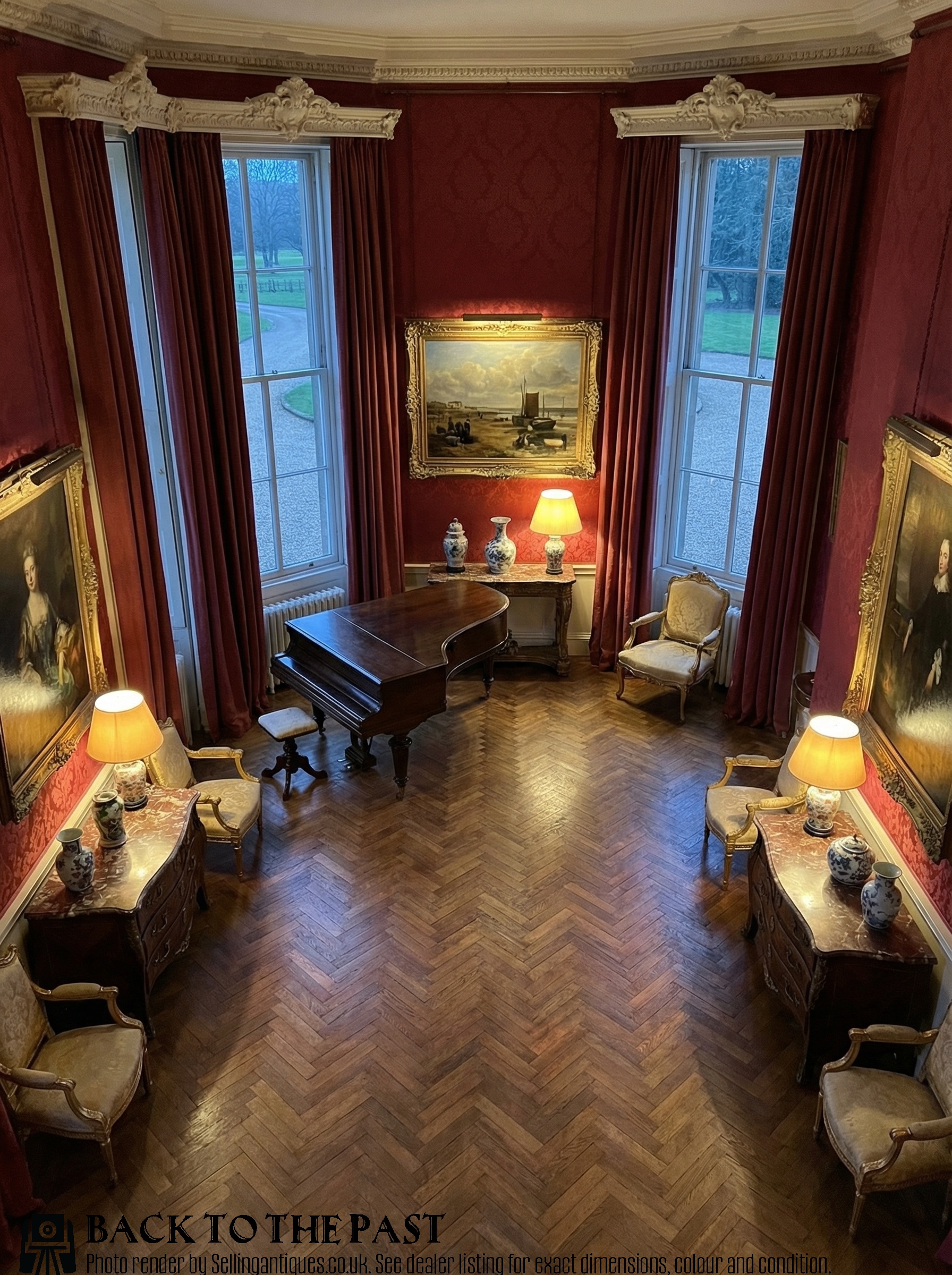
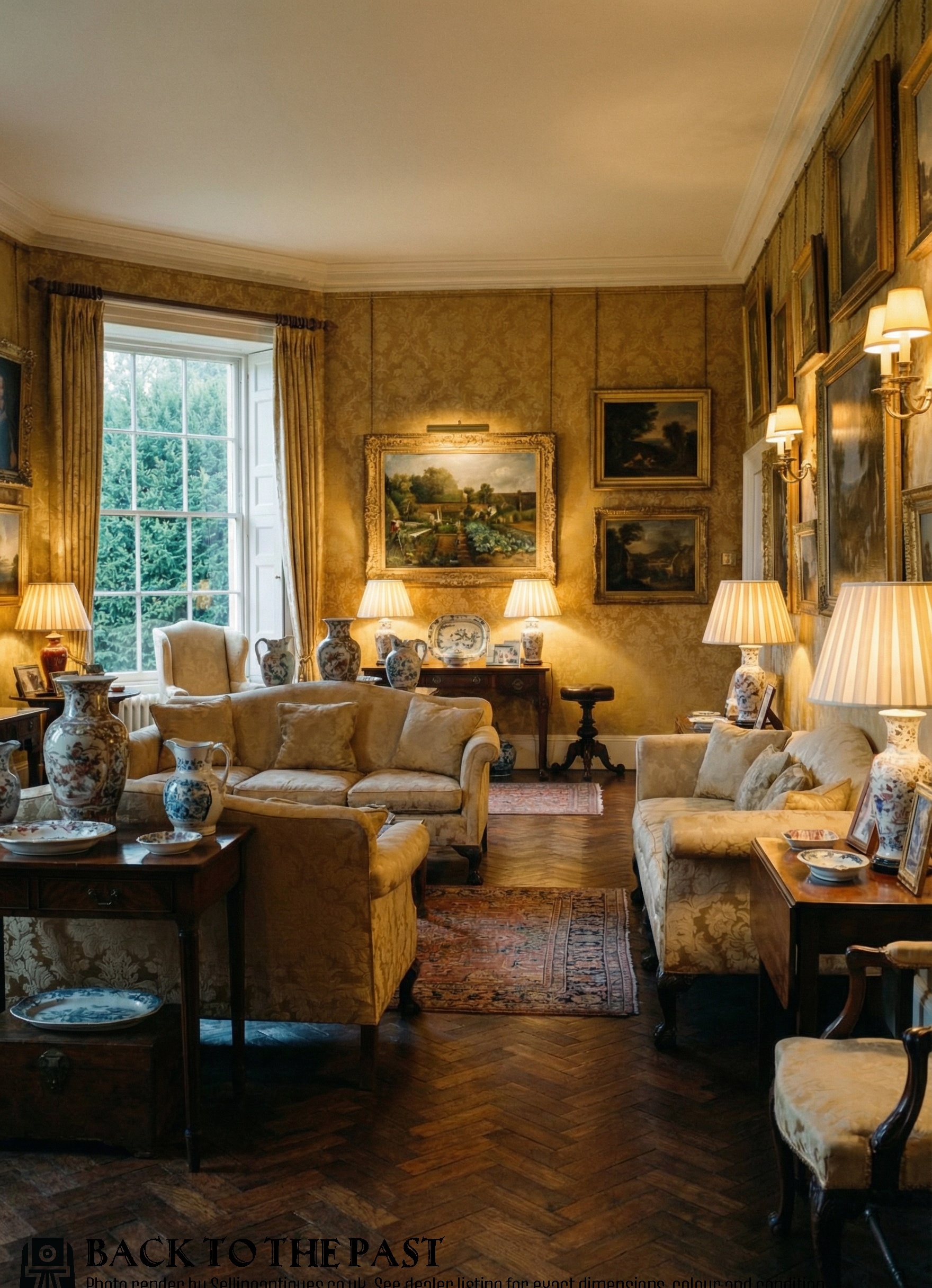
Materials and construction methods
Cabinet makers utilised dense hardwoods like mahogany, rosewood, and walnut to build sturdy frames capable of withstanding the torque of a revolving seat.
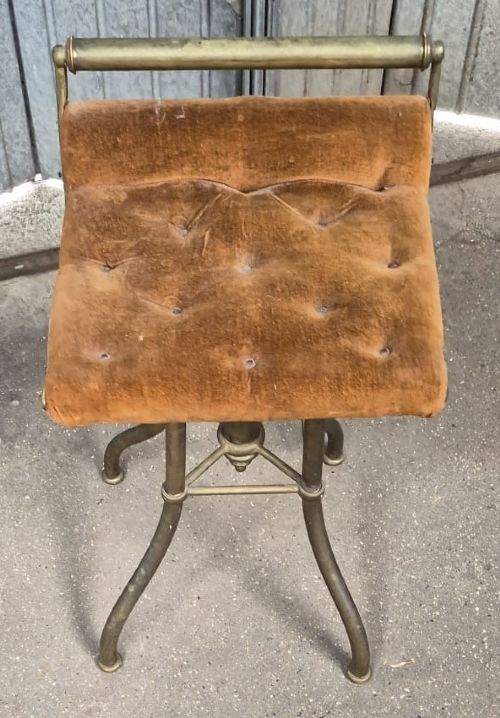
Mechanical ingenuity defined the period, incorporating brass screw threads, rise and fall mechanisms, and cast iron components to permit smooth height adjustment.
Upholstery techniques involved durable padding finished with velvet, leather, tweed linen, or patterned fabric secured over sturdy wooden bases.
Victorian Piano Chair Retail Price Guide 2026
Typical asking prices for victorian piano chair among the pieces listed under this phrase on Sellingantiques today, from the lower quarter to the upper quarter. They describe what is for sale here now, not the wider market.
One exceptional model manages to combine heavy industrial cast iron with timber, proving the Victorians put a swivel mechanism on nearly anything.
Distinguishing marks of craftsmanship
The sophistication of the mechanical adjustment mechanism separates standard pieces from superior examples, where brass screws and swivels operate without lateral play.
Carved wooden details on cabriole legs, pedestals, and frames reflect the hand of a skilled maker, contrasting with plain or hastily assembled turnings.
The integrity of the timber selection, such as figured walnut or dense rosewood, dictates the lasting structural soundness and aesthetic depth of the frame.
Jennens & Bettridge·Gillows·James Shoolbred
The Victorian Piano Chair Glossary
- Rise and fall
- A mechanical system utilising a threaded central screw or rack to alter the height of the seat. This mechanism allows the player to find a comfortable posture relative to the keyboard.
- Swivel top
- A revolving seat design that pivots on a central spindle. It enables musicians to turn freely while seated.
- Harpist chair
- A specialised music seat featuring an open back or distinct profile to accommodate the instrument. These chairs often incorporate brass framing or papier-mâché details.
- Papier-mâché
- A durable composite material made from paper pulp mixed with glue and resin, pressed and varnished. It frequently appears on Victorian music stool embellishments.
- Padouk
- A dense tropical hardwood with reddish tones utilised in select imported furniture pieces. It provides exceptional durability for chair frames.
Victorian Piano Chair: Frequently Asked Questions
How do I adjust the height on these chairs?
Most variants utilise a central threaded screw mechanism operated by manually rotating the upholstered seat clockwise or counter-clockwise.
Some examples employ a rise and fall lever or ratchet system to alter the vertical position quickly.
Were these seats only used for pianos?
While primarily intended for keyboard musicians and harpists, the adjustable nature made them versatile for other domestic tasks.
They frequently double as dressing table chairs or desk seating within period interiors.
What is the difference between a stool and a chair?
Stools generally feature a backless revolving top supported by a central pedestal or four legs.
Chairs include a backrest, sometimes specially shaped to allow freedom of movement for musicians.
How do I identify a William IV piece?
William IV items typically display robust classical proportions executed in dark mahogany or walnut.
Look for bold carved details, sturdy pedestal bases, and substantial brass adjustment hardware characteristic of the 1830s.