

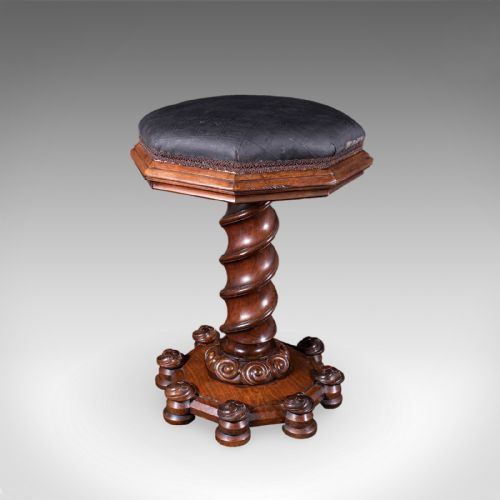


Antique Piano Chair
An antique piano chair is a purposeful seat designed for the keyboard player, offering adjustable height and revolving movement for the pianist.

What an antique piano chair is
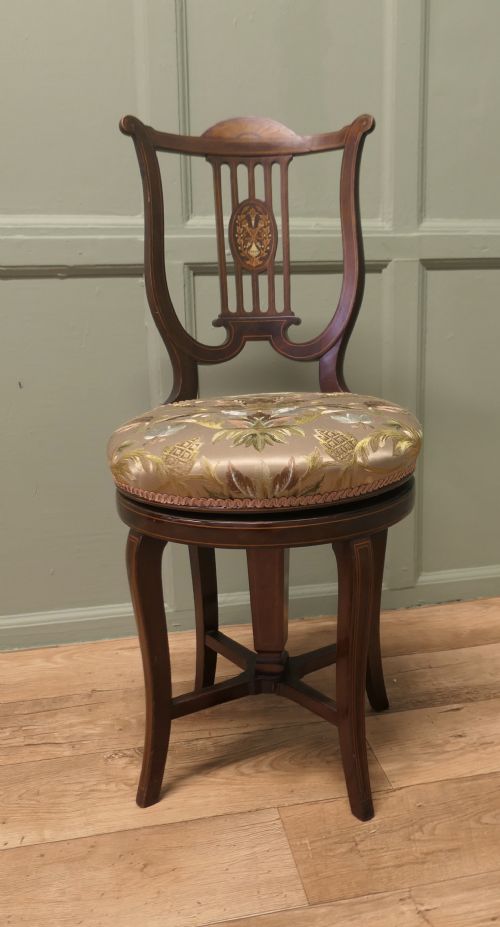
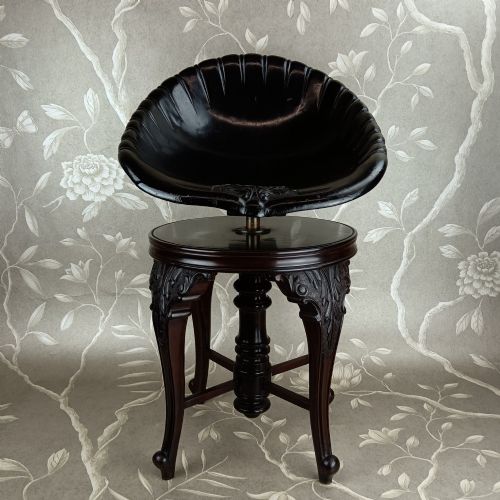
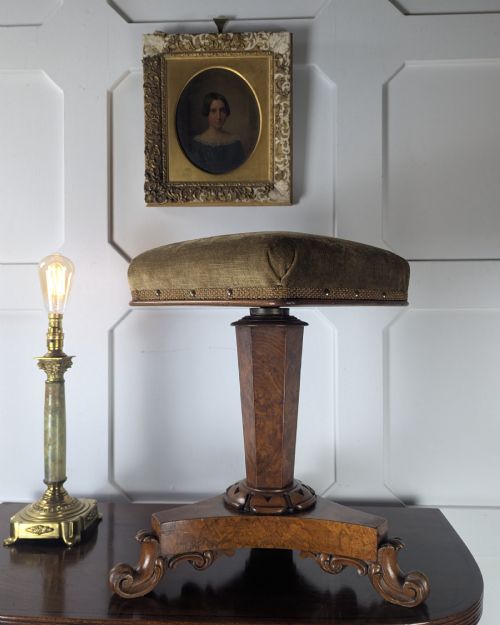
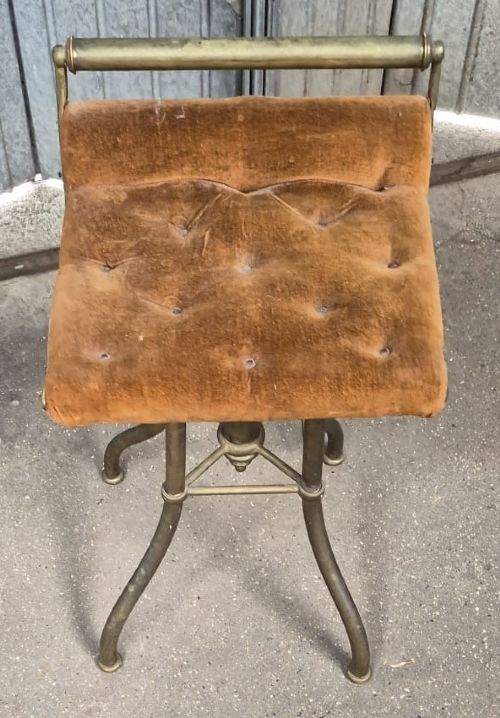
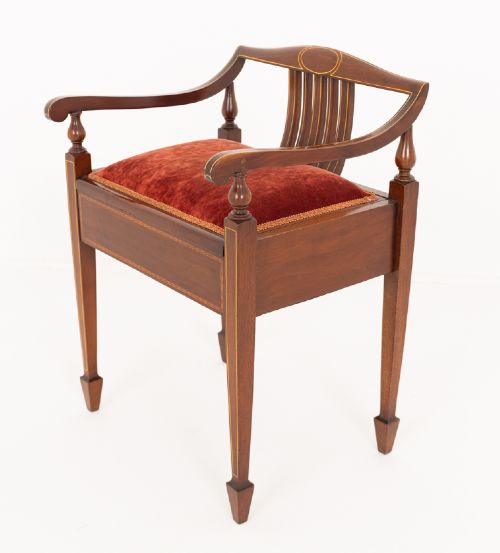
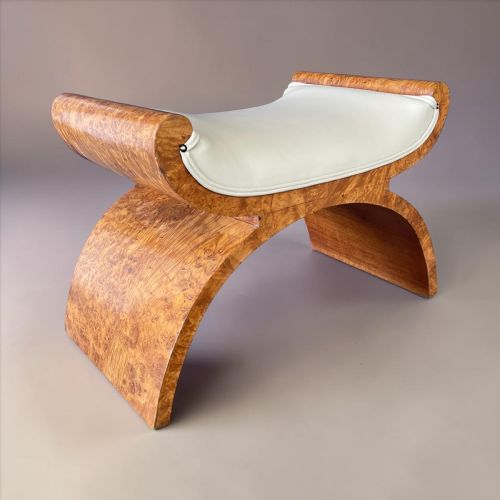
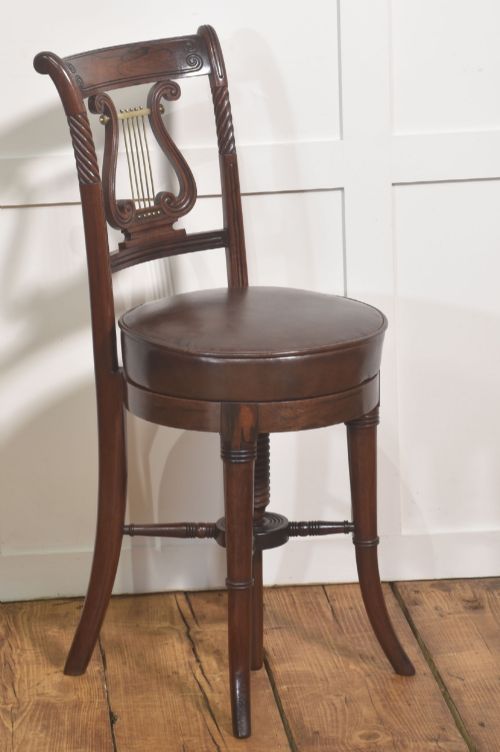
When you search for an antique piano chair, you encounter a specialised seat designed to aid the musician at the keyboard. These pieces span the Regency, Victorian, and Edwardian periods, taking forms such as revolving music chairs, pedestal stools, and X-frame seats.
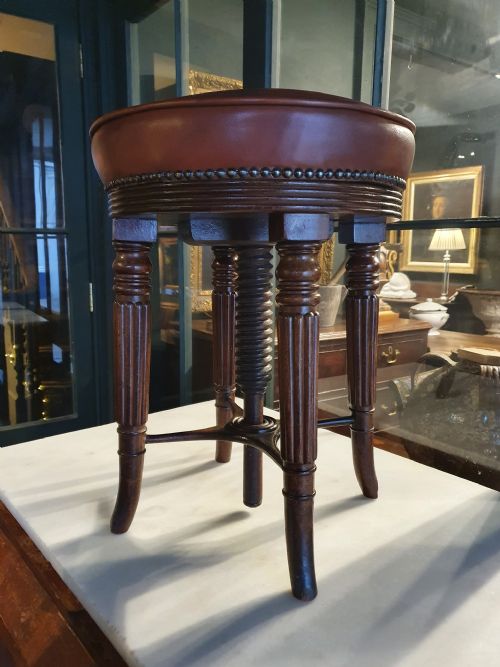
The most common examples you meet on this page are mahogany and rosewood revolving piano stools or music chairs. They often feature adjustable mechanisms to suit different players, alongside upholstered seats covered in fabric or tapestry.
Makers of these seats drew upon Sheraton Revival, Regency, William IV, and Edwardian styles to match the formal drawing rooms of their day. They serve equally well today as dressing table seats or small occasional chairs in a study.

How they were made
Cabinet makers utilised dense hardwoods such as mahogany, rosewood, walnut, and satinwood to build these resilient frames. They employed traditional joinery alongside intricate details like brass inlay, marquetry inlay, and carved woodwork.
Revolving and adjustable actions relied on robust metal mechanisms hidden within the central column or screw thread beneath the seat. Upholstery was finished with hard-wearing fabric or decorative tapestry to withstand daily use at the instrument.
Retail Price Guide 2026
Typical UK retail prices for piano chair, calculated from the Sellingantiques database of over a million retail prices indexed since 2003. This retail price guide relies exclusively on Sellingantiques data; no external sources or auction records are used, so the figures do not describe the wider market.
Victorian harpists apparently required specialist seating arrangements, resulting in remarkably specific combination cello and harp music chairs.
What varies in quality
The distinction between ordinary and exceptional examples rests upon the ambition of the timber selection and the crispness of the carving. Richly figured rosewood or finely polished mahogany with elaborate brass inlay signal superior workshop production.
Mechanical sophistication also separates the tiers, where a smooth, stable revolving screw action demonstrates precision engineering. Finely executed marquetry inlay and well-preserved original tapestry upholstery elevate a piece far above a plain utilitarian stool.
The Antique Piano Chair Glossary
- Revolving music chair
- A seat featuring a central screw mechanism allowing the player to turn freely while seated at the instrument. This design became particularly popular during the Victorian period.
- Regency
- An architectural and decorative style spanning the early nineteenth century, characterised by classical restraint and refined proportions. Pieces from this era often incorporate elegant rosewood and brass details.
- Marquetry inlay
- The art of forming decorative patterns on wooden surfaces by fitting together small pieces of veneer in contrasting timbers. It adds considerable visual texture to Edwardian and nineteenth-century examples.
- Pedestal stool
- A seating form supported by a central column resting upon a tripod or carved base rather than four conventional legs. They frequently incorporate height-adjustment screws hidden within the pillar.
Frequently Asked Questions
How do I adjust the height on these chairs?
Many of these seats operate on a central wooden or metal screw mechanism hidden beneath the upholstered top. Turning the seat clockwise or anticlockwise raises or lowers the level for the player.
Other models utilise side levers or ratchet systems concealed beneath the frame. Care must be taken not to unscrew the mechanism past its stopping point.
How do I distinguish a Regency piece from a Victorian one?
Regency items display classical restraint, clean lines, and often incorporate brass inlay upon dark rosewood surfaces. They reflect an aesthetic influenced by ancient Greek and Roman design.
Victorian pieces tend to be heavier in proportion, featuring rich walnut carving, elaborate pedestal bases, and more exuberant ornamentation. The transition from Regency lightness to Victorian solidity marks the passage of nineteenth-century taste.
What maintenance do the wooden frames require?
The dense hardwoods require only occasional dusting with a dry, soft cloth to protect the polished surface. Applying a quality beeswax helps nourish the mahogany, rosewood, or satinwood over time.
Harsh chemical cleaners and direct sunlight should be avoided to prevent the timber from drying out or fading. The mechanical screw threads benefit from a very light application of oil if movement becomes stiff.