



Antique Tripod Stool
An antique tripod stool brings sturdy simplicity and centuries of practical craftsmanship into a room.
Antique Tripod Stool
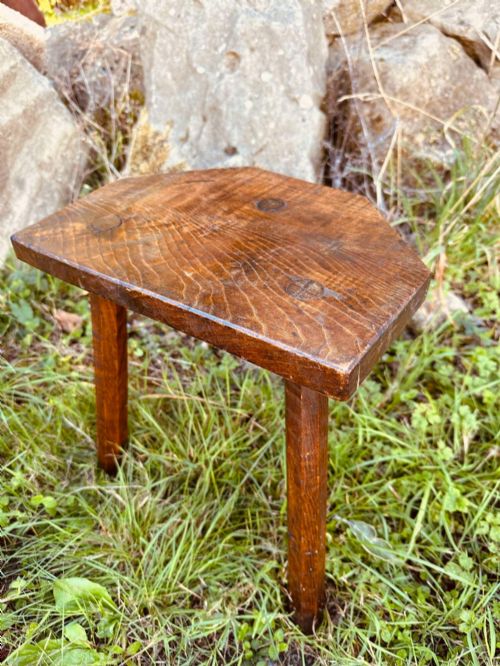
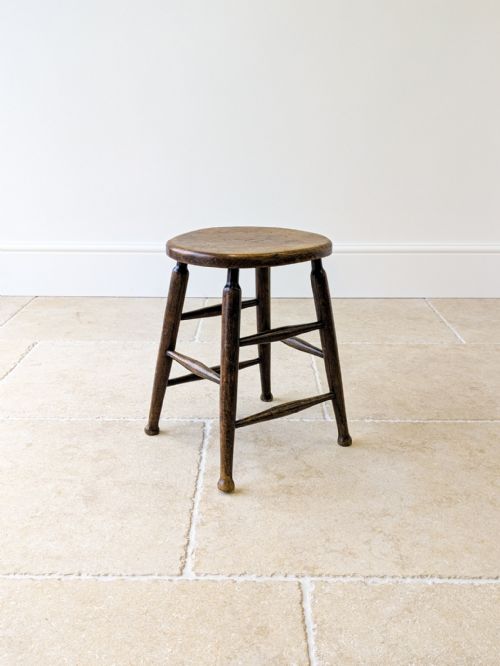
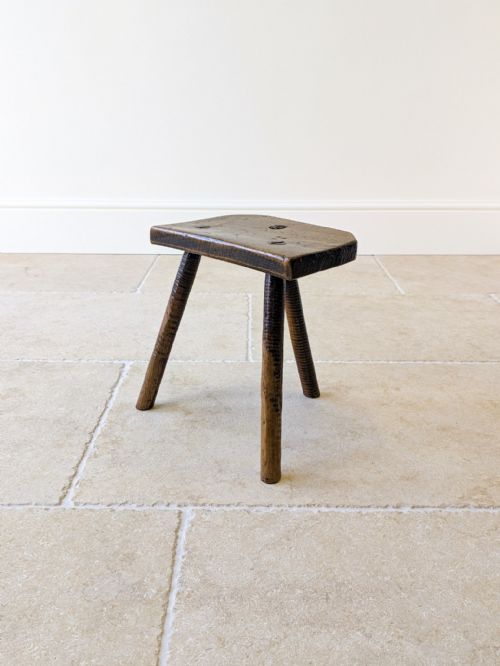
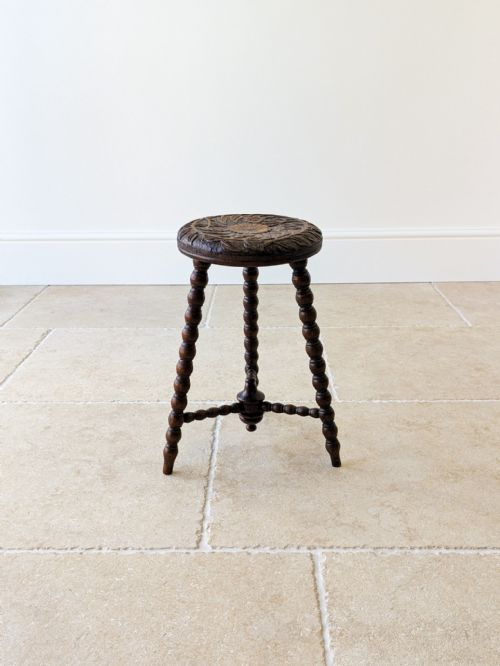
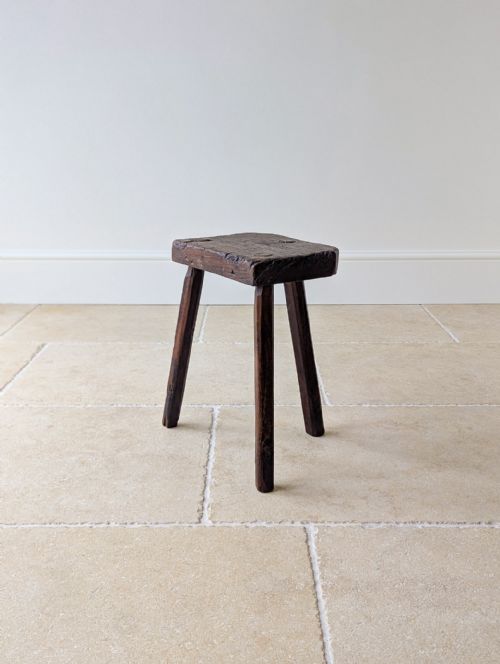
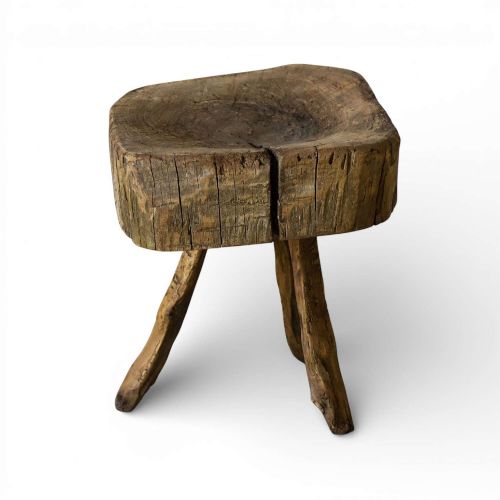
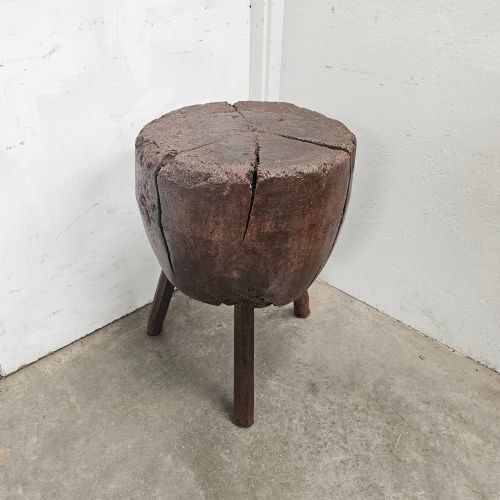
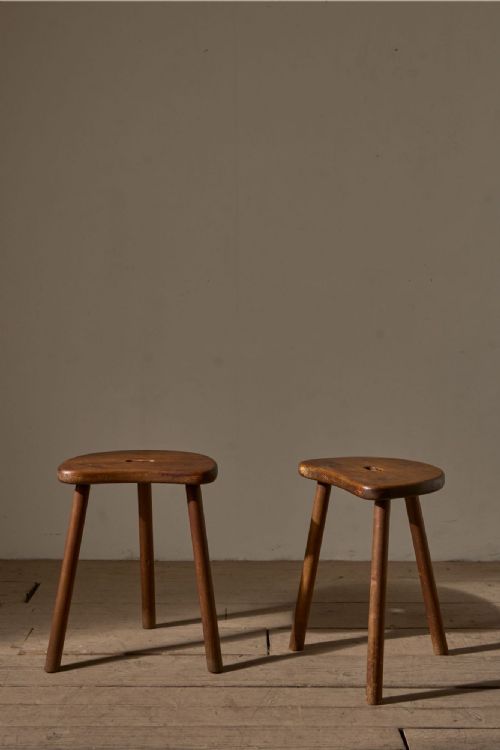
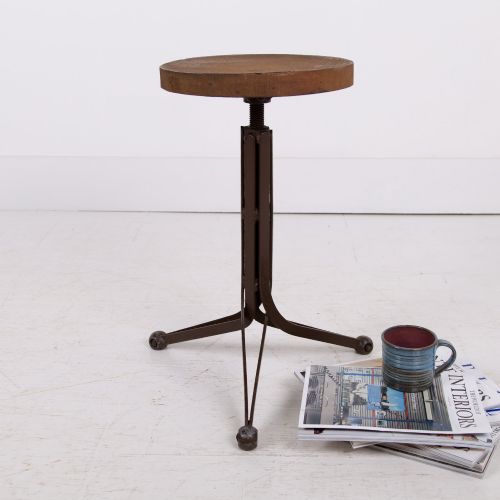
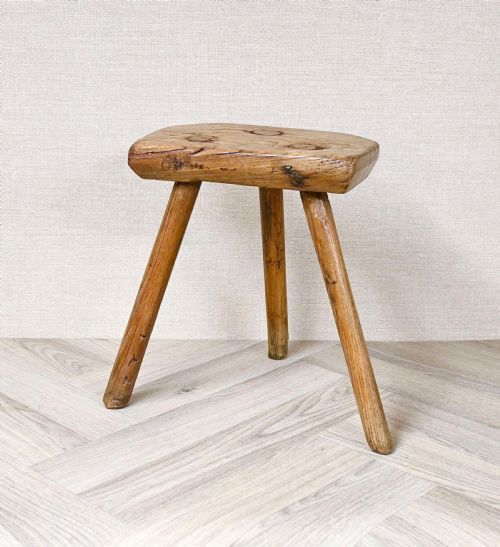
When you search for an antique tripod stool, you encounter items shaped by utilitarian rural life, domestic service and industrial workrooms. The most common examples on this page are sturdy timber country seats supported by three splayed legs, reflecting centuries of practical utility.
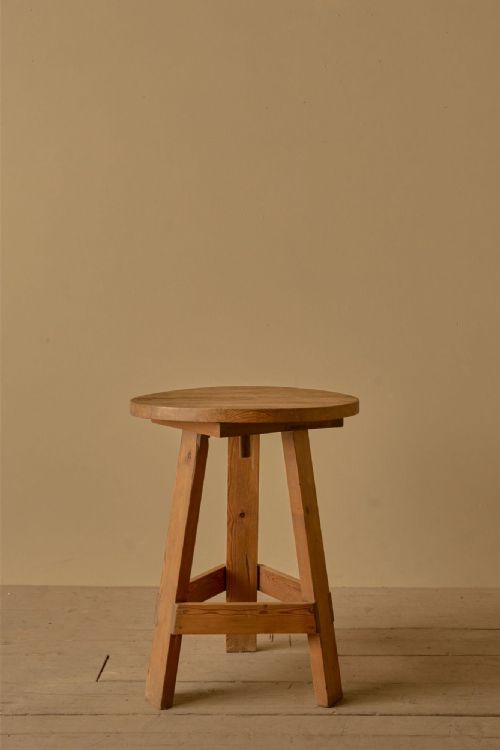
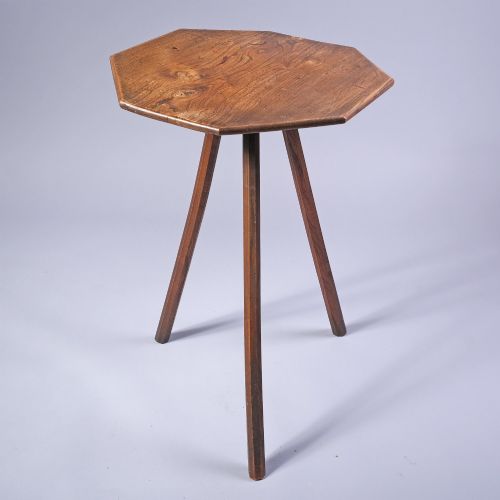
The selection ranges from vernacular dairy and milking stools to sophisticated walnut piano seats, revolving industrial iron designs and occasional tables. These pieces span Georgian, Victorian and nineteenth-century periods, showing how simple three-legged construction adapted to diverse everyday tasks.
Materials and construction methods
The makers relied heavily on domestic hardwoods such as oak, elm, ash and walnut, shaping solid timber tops and securing legs through traditional joinery methods. Many pieces utilise splayed peg legs inserted directly into thick wooden seats.
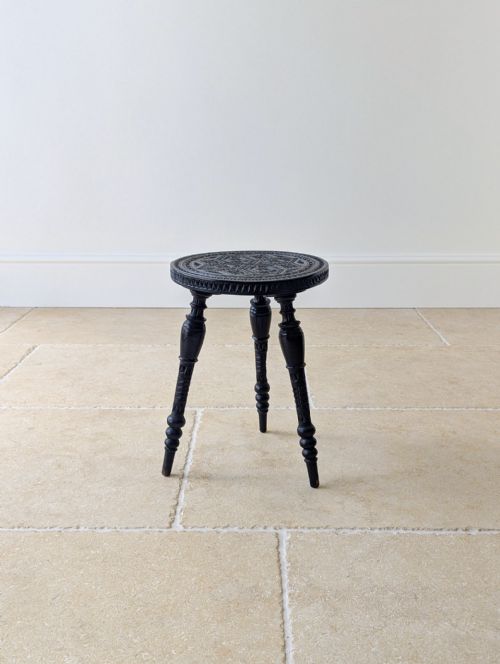
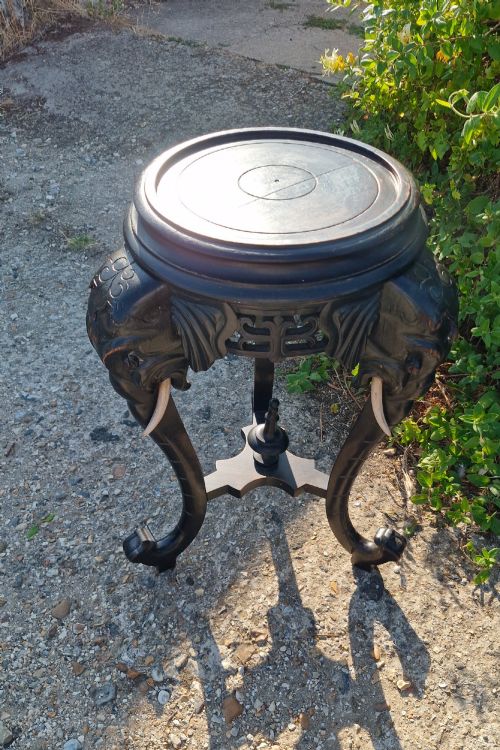
Industrial and urban examples incorporate cast iron bases, revolving mechanisms, and carved or ebonised details. Blacksmith repairs and original gnarled timber supports appear frequently, showing how working pieces were maintained over generations.
Antique Tripod Stool Retail Price Guide 2026
Typical asking prices for tripod stool among the pieces listed under this phrase on Sellingantiques today, from the lower quarter to the upper quarter. They describe what is for sale here now, not the wider market.
Listings feature oak, elm, walnut, ash, pine and cast iron across Georgian, Victorian and nineteenth-century periods.
Assessing quality in early seating
Quality rests in the integrity of the timber, the balance of the three-legged structure and the honesty of the wear. Superior examples display thick, characterful elm or oak tops combined with well-turned or naturally gnarled legs that remain entirely stable.
The distinction between a humble farm implement and a more refined parlour or workshop seat lies in the finish and the complexity of the mechanism. Untouched surfaces and patinated wood carry more integrity than over-restored examples.
J. Shoolbred
The Antique Tripod Stool Glossary
- Vernacular
- Items made by local craftsmen for practical use rather than following formal academic design rules. These objects prioritise utility and regional traditions.
- Splayed legs
- Supports angled outwards from the centre to provide stability on uneven floors. This configuration is essential for three-legged seating.
- Milking stool
- A low, portable seat traditionally used by agricultural workers during milking. They typically feature three peg legs for stability on farm terrain.
- Ebonised
- Wood treated with a finish to imitate expensive ebony. This technique was popular during the Victorian period for occasional furniture.
- Cricket table
- A small, lightweight three-legged table used in domestic settings. The tripod base prevents wobbling on flagstone or uneven floors.
Antique Tripod Stool: Frequently Asked Questions
What is an antique tripod stool?
An antique tripod stool is a small seat supported by three legs, built for domestic, agricultural or industrial use.
These pieces range from rustic milking stools to adjustable piano seats and small occasional tables dating from the Georgian and Victorian eras.
How were three legged stools used?
Workers and household staff used them as portable, stable seats for tasks performed in dairies, workshops and farmyards.
The three-legged design ensured the seat remained steady on uneven floors, dirt ground or flagstones.
Are these stools comfortable to sit on?
Many examples feature carved or dished wooden tops designed to fit the contours of the body for extended sitting.
Revolving piano stools and upholstered Victorian variants offer additional padding and adjustable heights for domestic comfort.
How do I date an antique stool?
Dating relies on identifying timber species, tool marks, joinery techniques and stylistic details associated with periods like the Georgian or Victorian eras.
Signs of heavy utilitarian wear and blacksmith repairs often point to nineteenth-century or earlier agricultural origins.