
Country Wooden Stool
A country wooden stool is a vernacular seat of solid timber, valued for its honest construction and tactile grain.
What these country wooden stools are
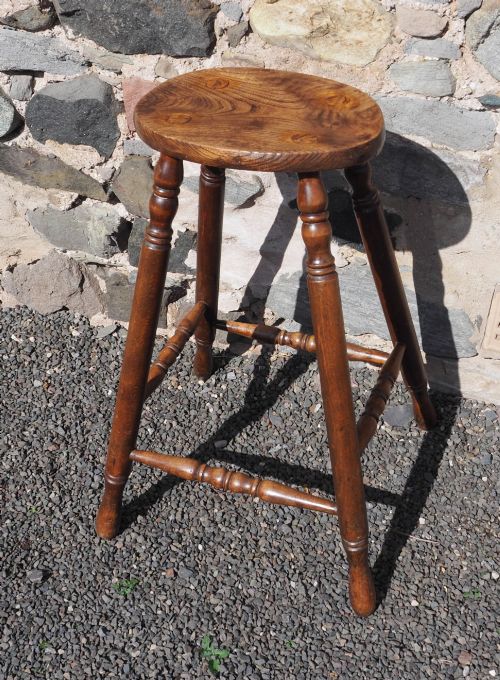
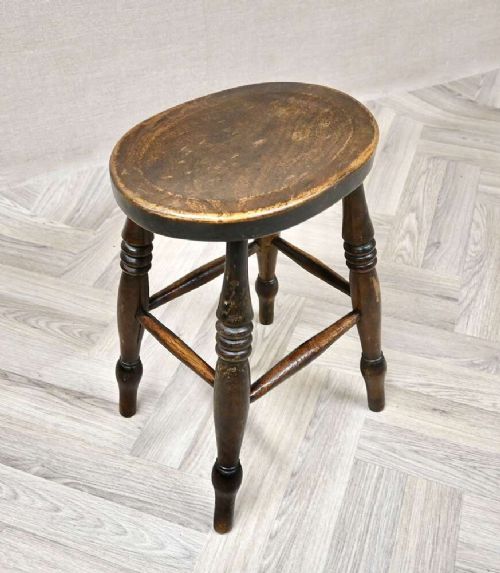
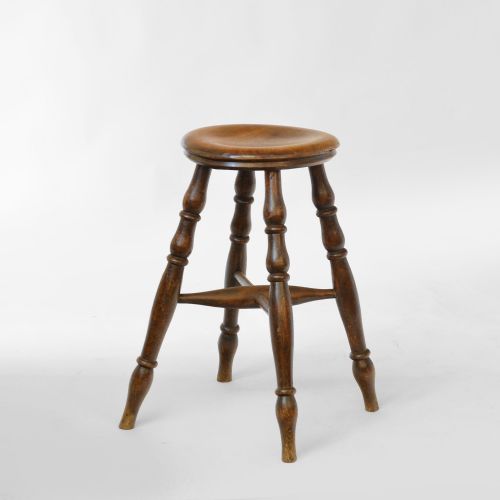
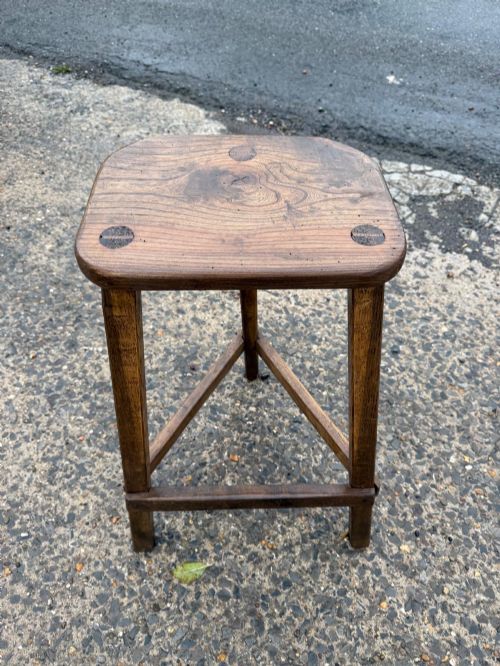
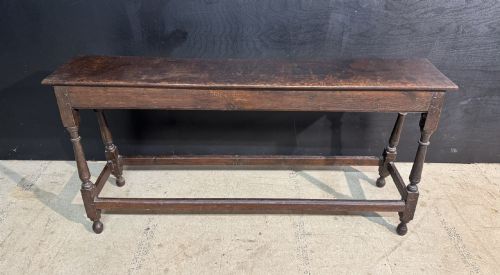
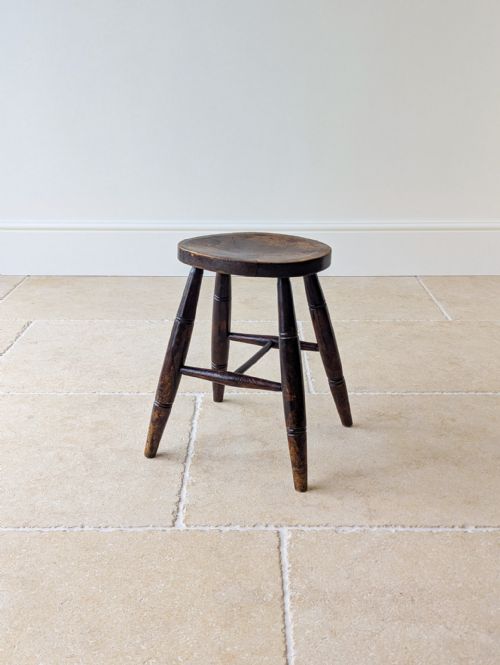
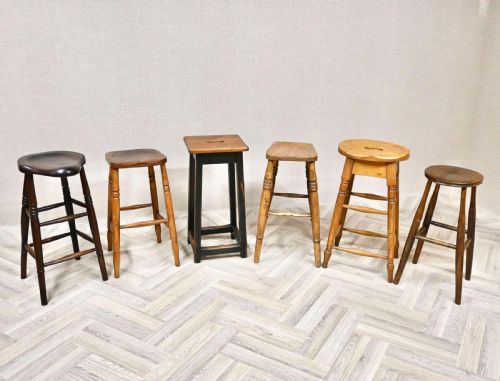
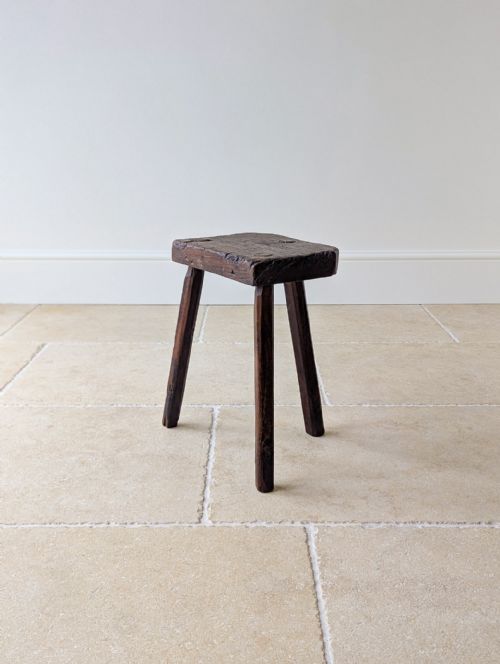
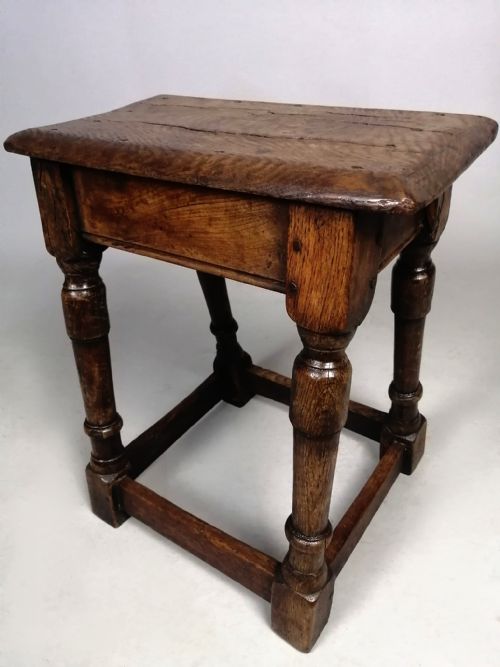
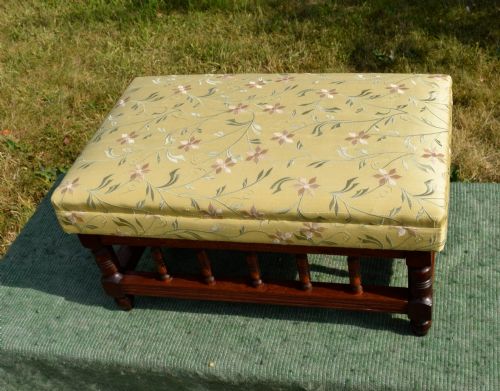
A country wooden stool is an unpretentious domestic or working seat created from native timber. The examples appearing here span the nineteenth century, including Victorian pieces and items dated around eighteen hundred, eighteen sixty, eighteen eighty, and eighteen ninety.
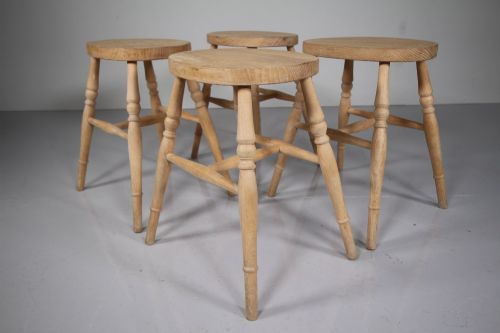
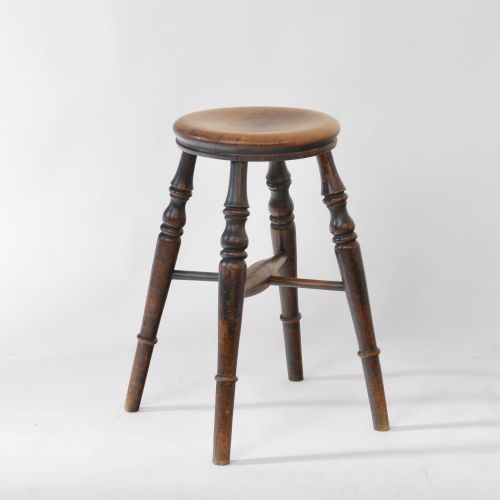
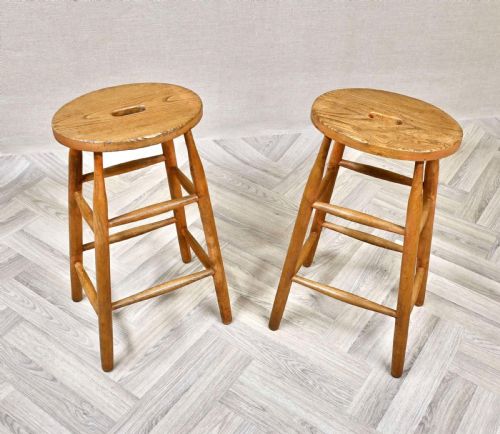
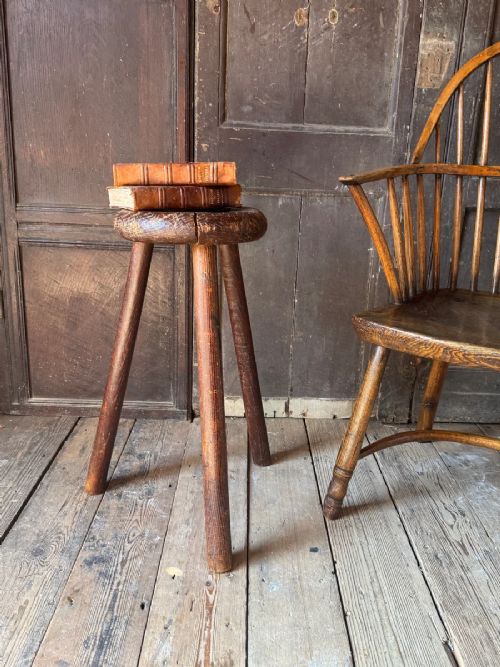
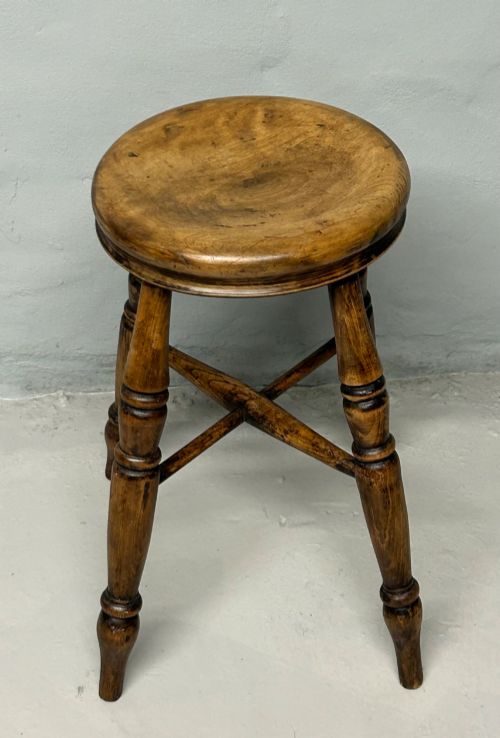
Forms include three-legged vernacular stools, small burr yew examples, and specific functional items such as an alehouse stool, a stick stool, and a Birmingham jeweller's stool. These are everyday working objects rather than formal salon furniture.
Makers shaped these pieces within traditional vernacular idioms, drawing on English country and Victorian country traditions. Their appeal lies in direct utility and straightforward carpentry.
Materials and construction
Construction relies upon solid native hardwoods such as elm, ash, oak, yew wood, burr yew, and walnut. Timber selection depended on local availability and the specific demands of the seat or legs.
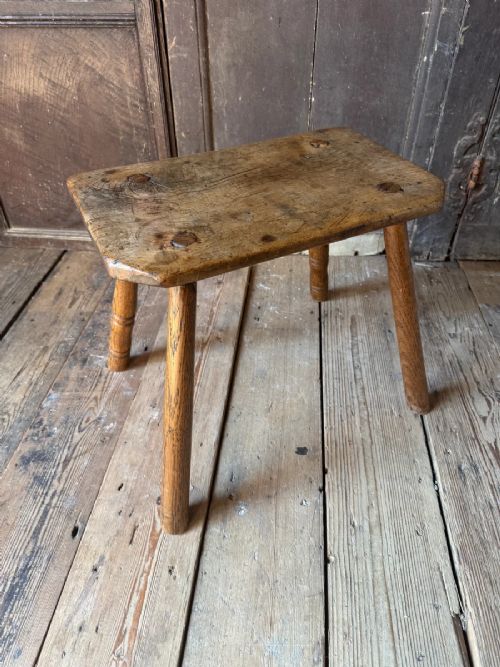
Joinery is straightforward and robust, using traditional methods suited to hardworking domestic and trade environments. The combination of woods like elm tops with ash legs is characteristic of vernacular seating.
Retail Price Guide 2026
Typical UK retail prices for country wooden stool, calculated from the Sellingantiques database of over a million retail prices indexed since 2003. This retail price guide relies exclusively on Sellingantiques data; no external sources or auction records are used, so the figures do not describe the wider market.
A Birmingham jeweller sat upon solid elm and ash to file precious metals while the nineteenth century ticked by outside.
Judging quality in country wooden stools
Quality rests in the character of the timber, particularly figured grain such as burr yew or the rich patination accumulated through nineteenth-century use. Heavier timber selection and uncompromised structural integrity set better examples apart from plain utility items.
The degree of specialisation in form also distinguishes the range, moving from a basic three-legged format to specialised workshop seats like the Birmingham jeweller's stool or the alehouse stool.
The Country Wooden Stool Glossary
- Vernacular
- Everyday furniture made by local artisans for practical use rather than following high-style court designs. These pieces reflect regional traditions and available materials.
- Elm
- A tough, interlocking hardwood frequently used for stool seats because it resists splitting under heavy downward pressure. It displays a distinctive wavy grain pattern.
- Ash
- A flexible and resilient timber commonly utilised for the turned legs and stretchers of country seating. It provides great strength without excessive weight.
- Stick stool
- A simple seat constructed with turned legs or spindles inserted directly into a solid timber top. This basic form was widely used in domestic and alehouse settings.
Frequently Asked Questions
What are country wooden stools?
These are solid timber seats made by regional makers during the nineteenth century for practical domestic or trade use.
They include varied forms such as three-legged stools, stick stools, and workshop seats made from woods like elm, ash, and yew.
How were alehouse stools used?
Alehouses required robust, unpretentious seating that could withstand heavy daily use by patrons.
These compact wooden stools were easily moved around public rooms and communal spaces.
What is a jeweller's stool?
A jeweller's stool is a specialised workshop seat designed to support detailed, seated trade labour.
The Birmingham example recorded here demonstrates how vernacular carpentry met specific urban craft requirements.
How do I date a wooden stool?
Dating relies upon observing material choices, tool marks, construction methods, and stylistic cues associated with the nineteenth century.
Items are often attributed to periods like the Victorian era or specific decades based on these physical characteristics.
What woods were used for stools?
Makers utilised native hardwoods available in local woodlands, choosing species suited to different parts of the furniture.
Recorded materials include oak, elm, ash, yew wood, burr yew, and walnut.