
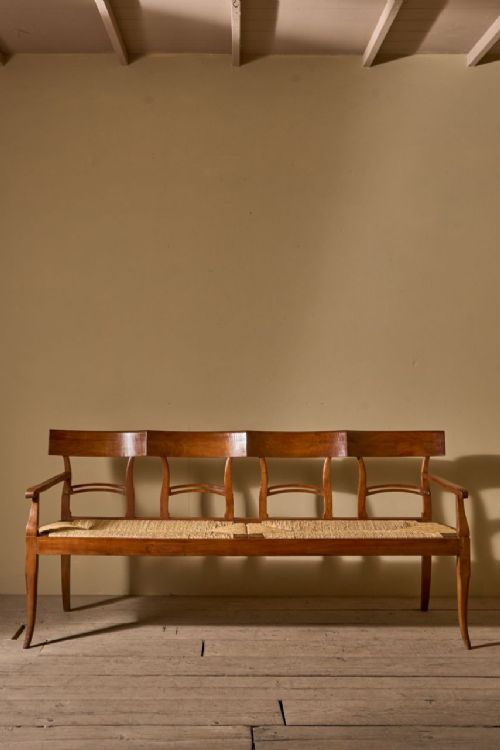
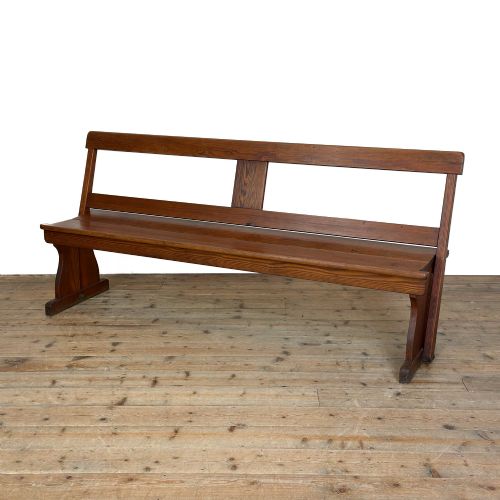
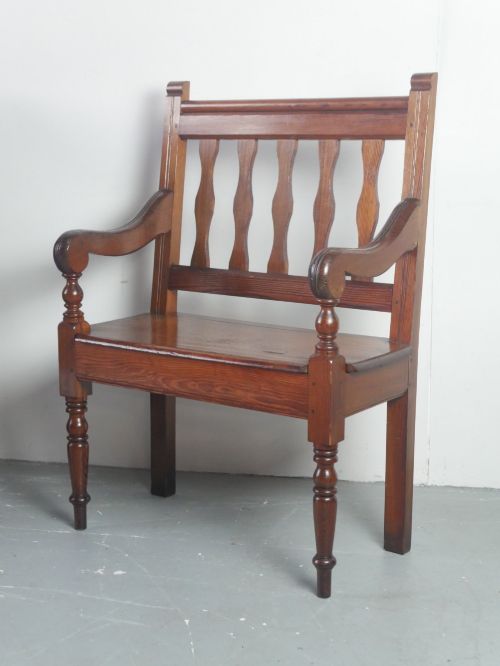
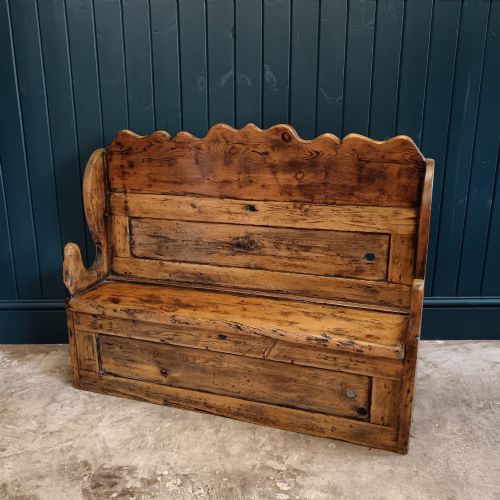
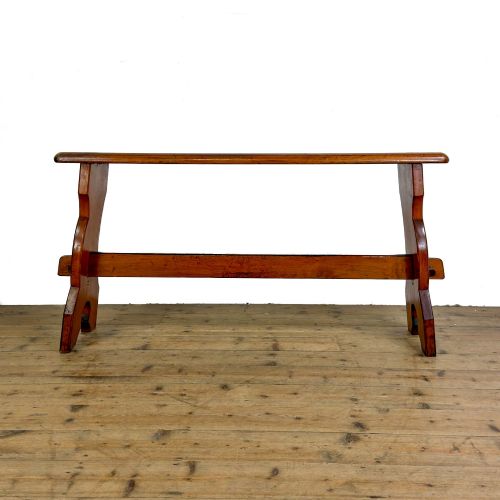

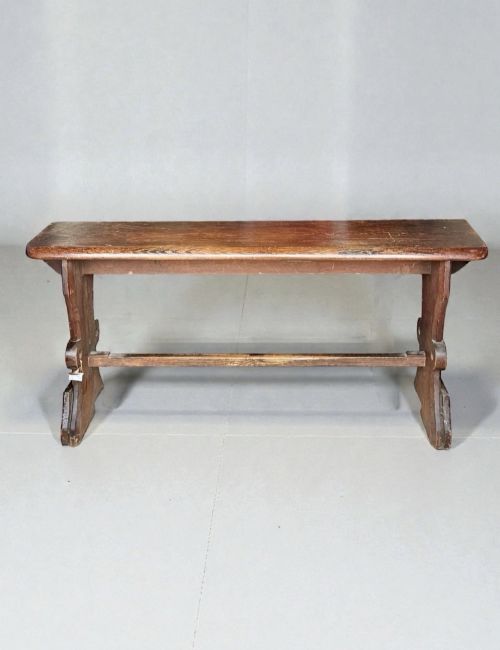
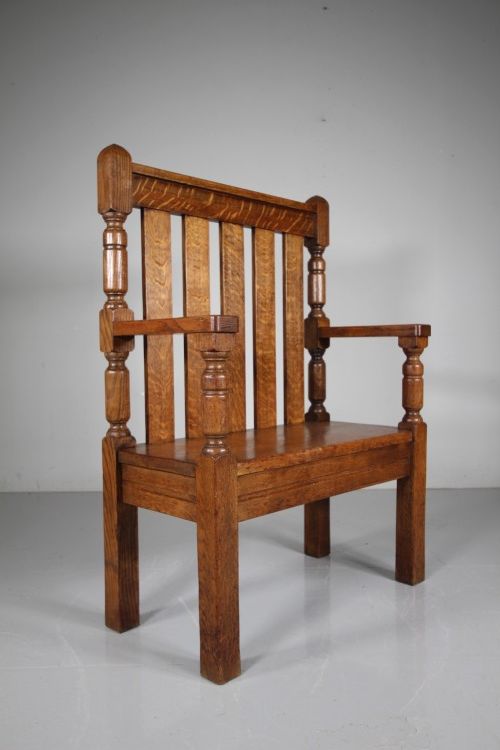
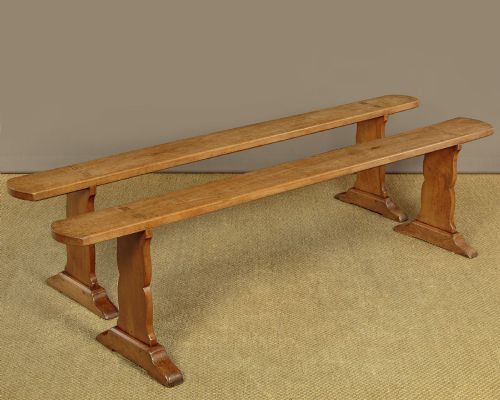

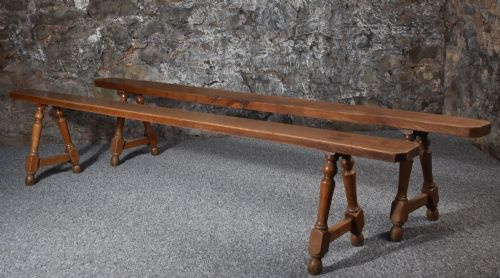

Warm Brown Wooden Bench
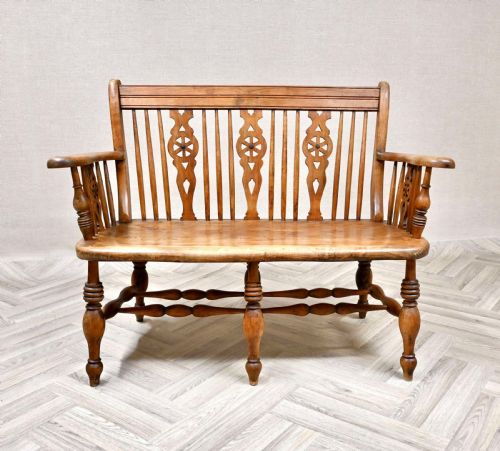
A warm brown wooden bench brings honest utility and deep timber grain to a hallway or kitchen.
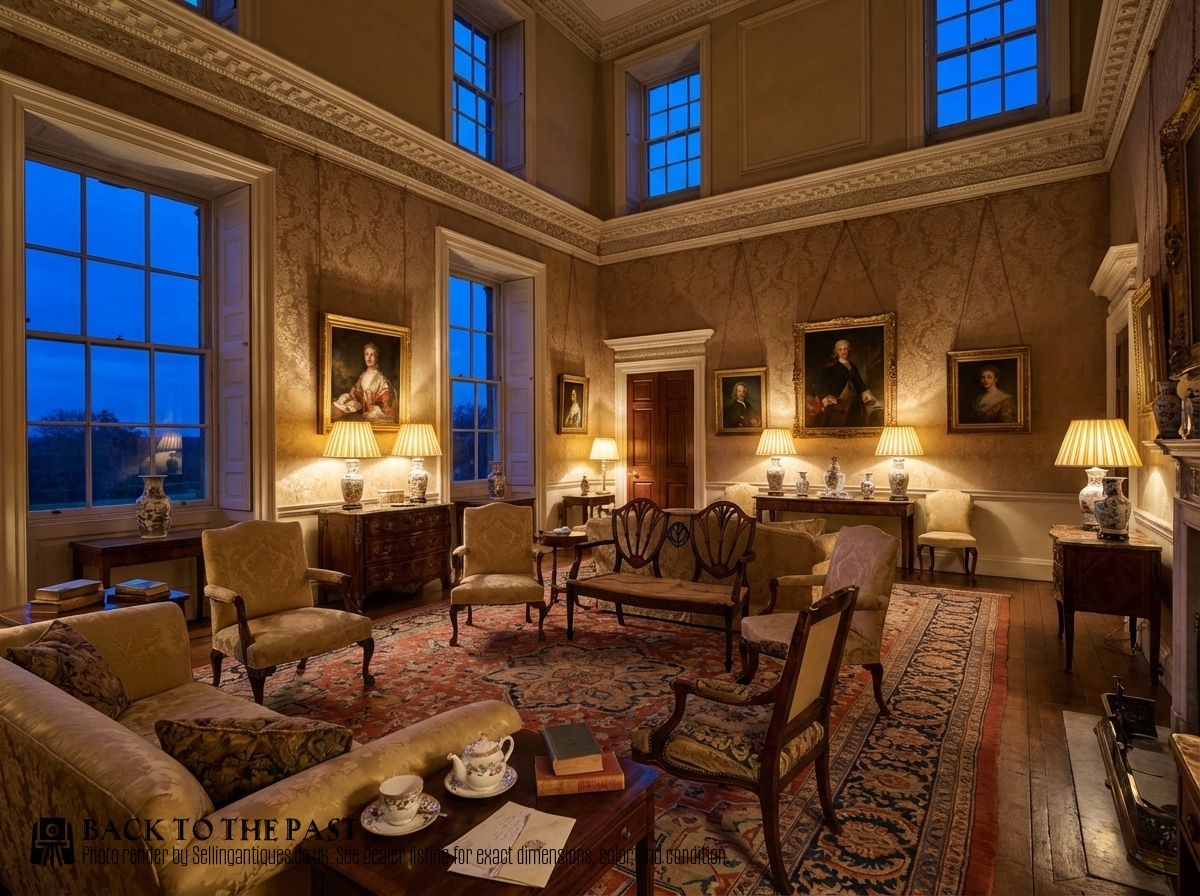
Warm Brown Wooden Bench
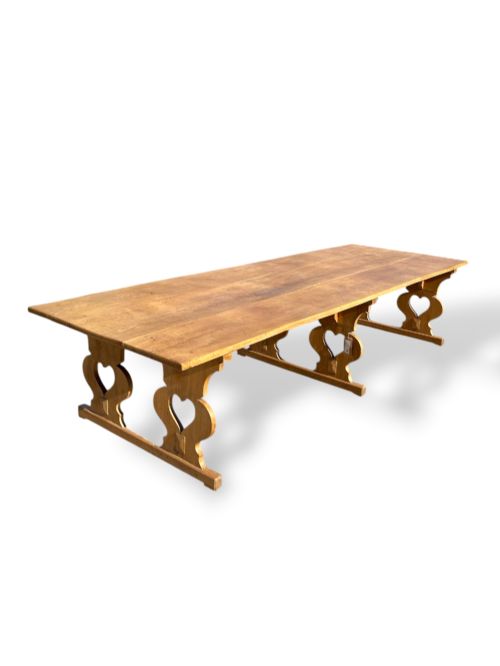
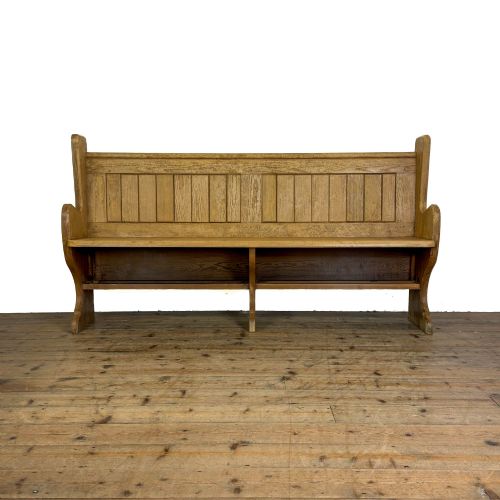
The selection ranges from narrow chapel pews and slim hallway seats to sturdy refectory dining benches and rustic settles. These forms reflect straightforward regional craftsmanship designed for longevity rather than formal display.
Originating across British, French, and wider European workshops, these pieces utilise solid timber boards that have aged to rich, deep tones. Their construction varies from simple plank builds to more considered vernacular framing.
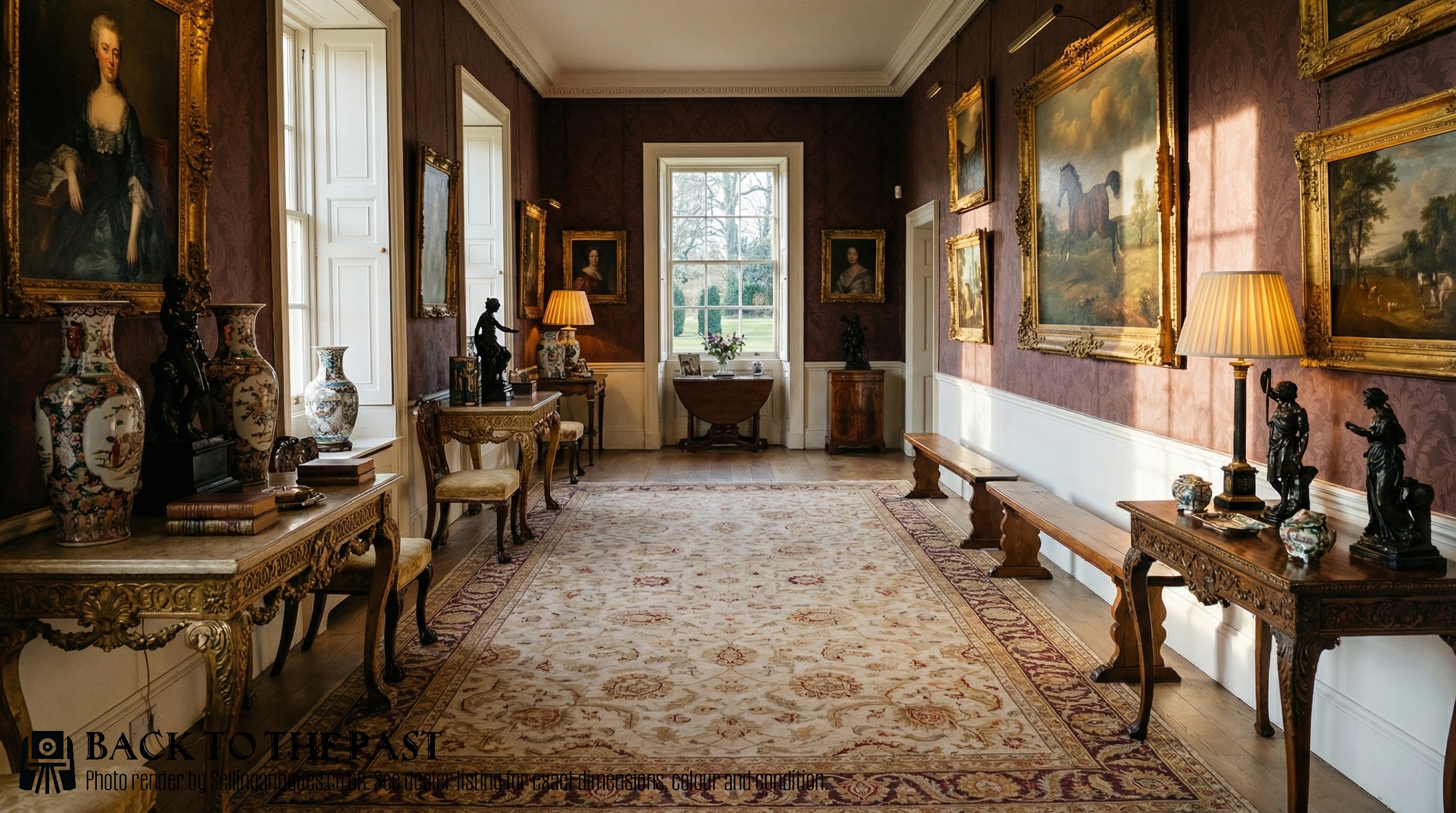
How they were made
Maker-joiners constructed these benches using solid timbers including pine, oak, elm, cherrywood, and fruitwood. Boards were selected for straight grain and resilience, often joined with traditional pegged mortise and tenon joints.
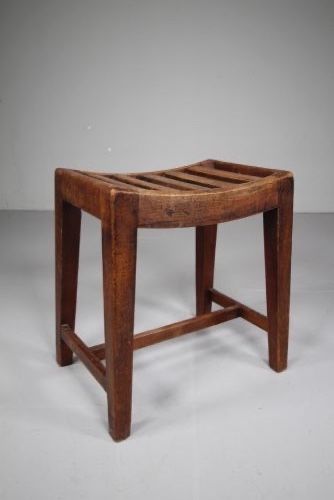
Surfaces were finished with simple wax or oil applications that allowed the natural grain to darken over decades of handling. Secondary materials like rush seating or cane work appear on specific stool and chair variations.
Warm Brown Wooden Bench Retail Price Guide 2026
Typical asking prices for warm brown wooden bench among the pieces listed under this phrase on Sellingantiques today, from the lower quarter to the upper quarter. They describe what is for sale here now, not the wider market.
Chapel pews occasionally retain deep notches carved by bored nineteenth century sermon attendees.
What varies in quality
Quality rests in the integrity of the timber selection and the honesty of the construction. Superior pieces display substantial board thickness and minimal structural intervention over time.
The depth of the natural patina and the warmth of the wood finish distinguish finer examples from plain utility grade items. Proportion and balance also separate standard workshop output from more refined regional interpretations.
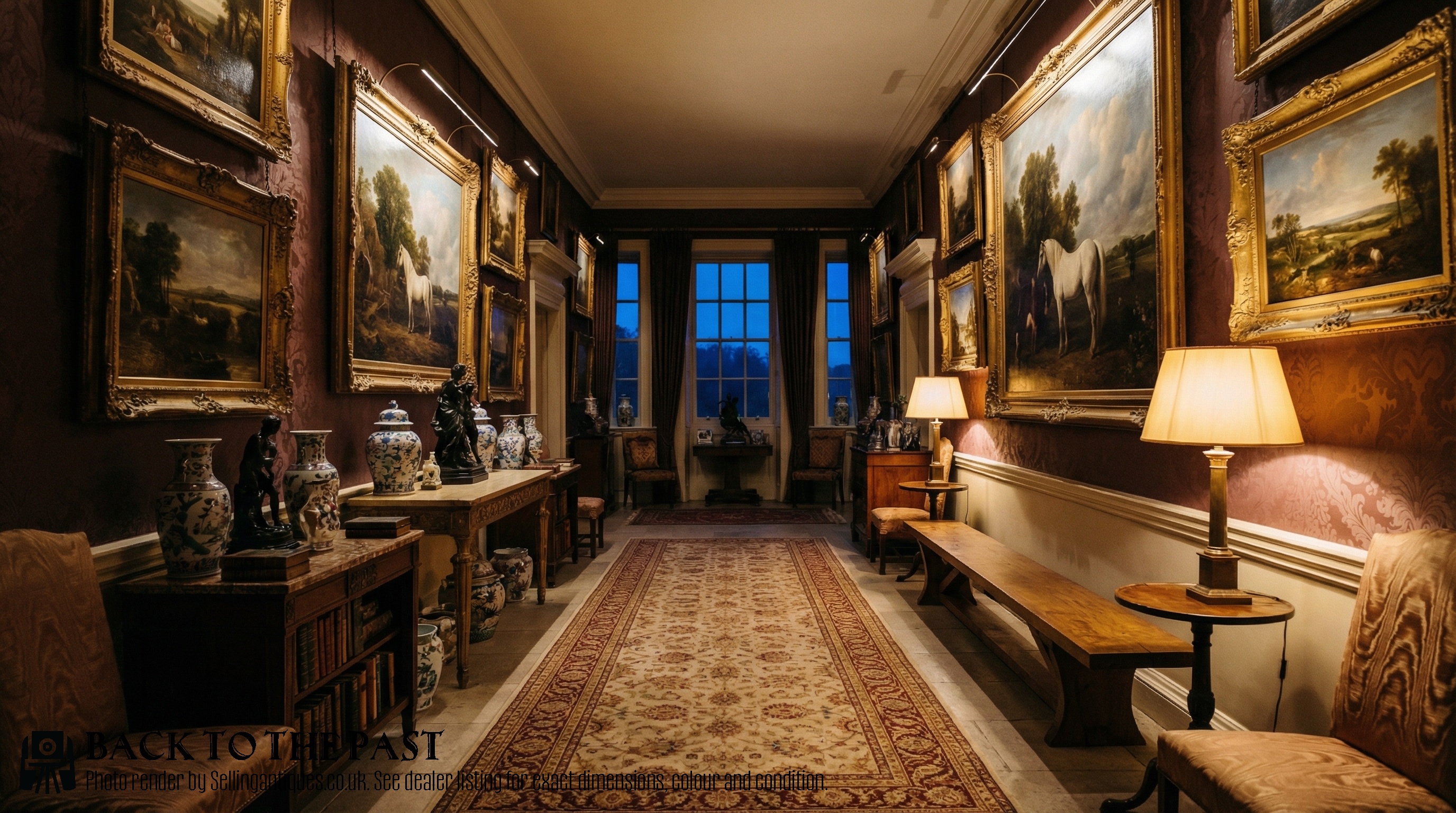
Liberty
The Warm Brown Wooden Bench Glossary
- Settle
- A wooden bench featuring high backs and solid side panels designed to block draughts in older rooms. They often incorporate enclosed storage compartments beneath the seat.
- Pew
- A long wooden bench traditionally built for ecclesiastical settings such as churches or chapels. These pieces usually feature simple boarded backs and sturdy end supports.
- Refectory
- A long dining form associated with communal eating halls. These benches are built to run alongside large tavern or dining tables.
- Patina
- The surface sheen and tonal depth acquired by wood through decades of use and polishing. It serves as a visual indicator of age and handling.
- Vernacular
- Everyday utilitarian furniture built by local craftsmen using regional materials and traditional methods rather than strict academic styles.
Warm Brown Wooden Bench: Frequently Asked Questions
How do I care for antique wood?
Feed dry timber occasionally with a traditional beeswax polish applied sparingly with a soft cloth. Avoid placing these pieces near direct heat sources that might cause the wood to split.
Keep them out of strong direct sunlight to preserve the natural warmth of the brown timber tones.
Were these benches used outdoors?
Most surviving examples were built for interior domestic, institutional, or commercial use rather than garden service. Their timbers and joints are suited to indoor humidity levels.
Exposing them to damp or changing outdoor weather conditions will quickly damage the historical finish and structure.
How can I tell the period?
Examine the tool marks, the method of joint construction, and the type of secondary fixings used in the frame. Hand-sawn boards and pegged joints usually point towards earlier manufacturing dates.
Surface wear patterns and the natural ageing of pine, oak, or cherrywood also provide clear clues to age.
Where should I place a bench?
Narrow hallway benches fit well in entrance spaces for putting on shoes without blocking passage. Longer refectory or chapel forms suit dining spaces or wide corridors.
Ensure the floor is reasonably even so the four legs sit firmly without rocking.