
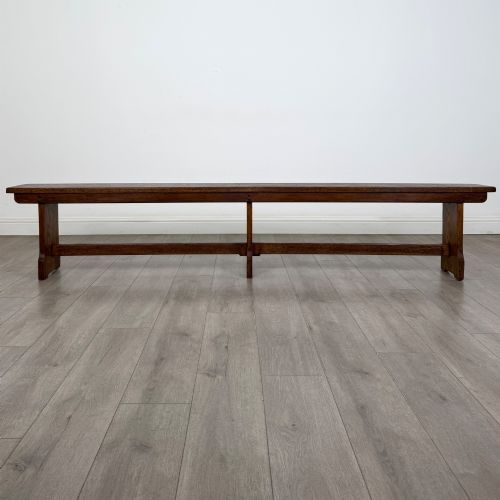
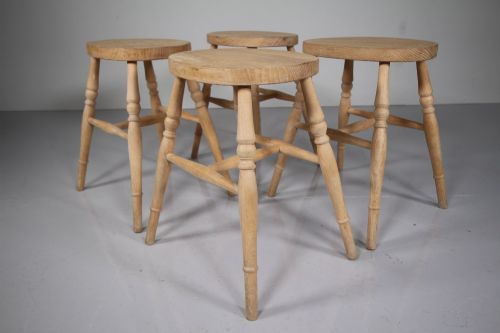
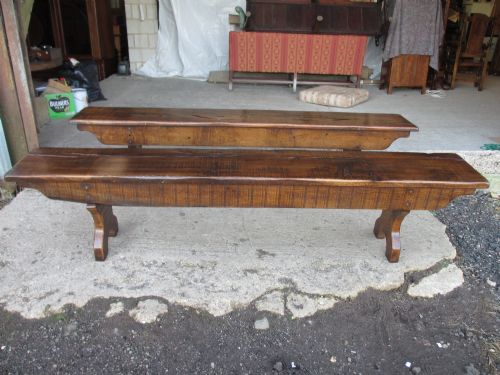
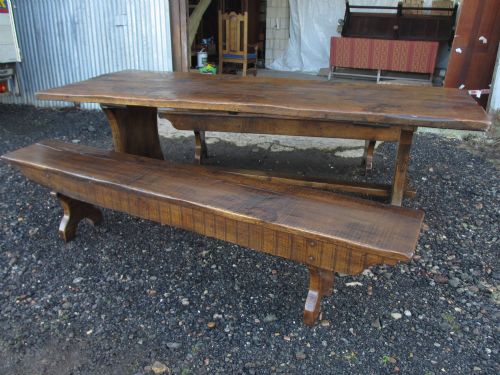
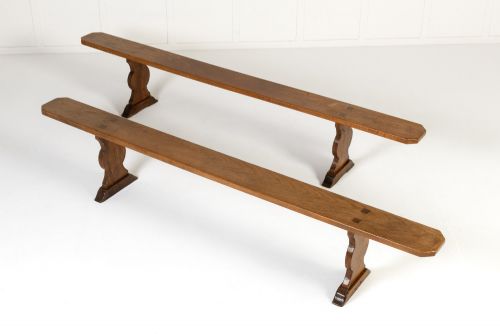
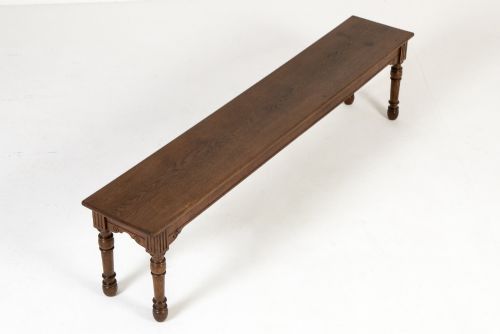
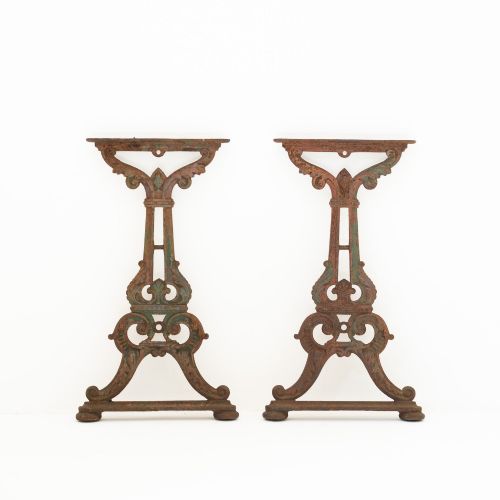
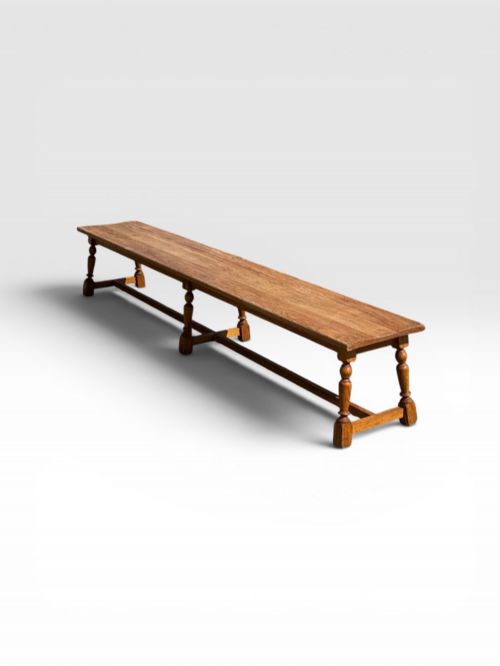
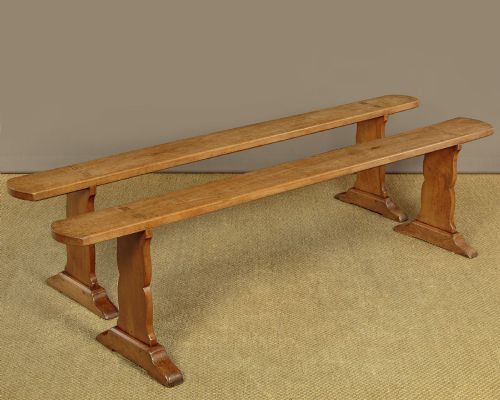

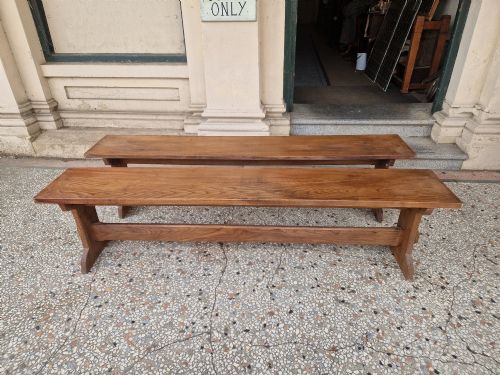

Antique Dining Bench
An antique dining bench brings enduring character to a room, offering practical seating shaped by generations of use.
What these pieces are
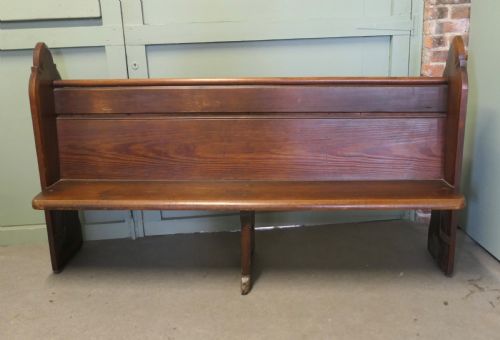
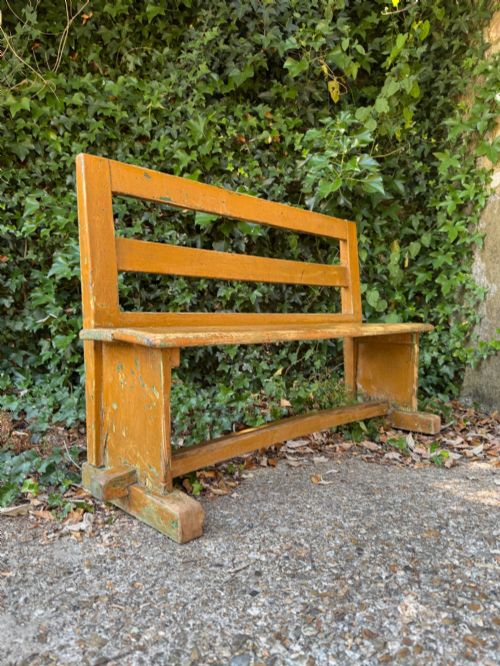
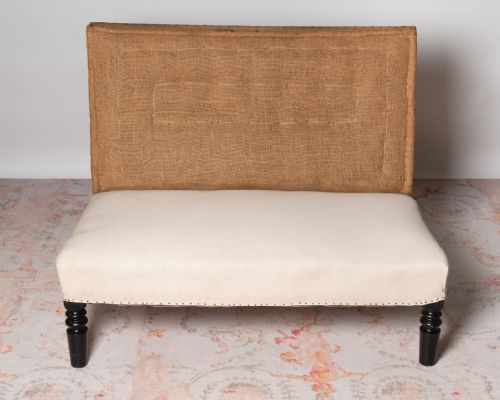
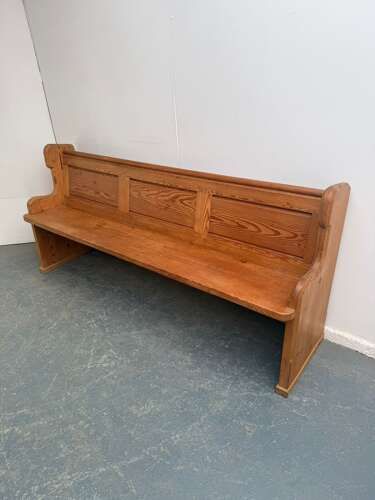
When you search for an antique dining bench, you find sturdy seating rooted in domestic and institutional history. These pieces range from simple plank seats to painted Scandinavian country forms and architectural church pews.
The selections available here lean heavily into nineteenth century pieces made from pine and fruitwood. Many originate from British, Swedish, and Austrian traditions, reflecting regional craftsmanship and utility.
Form follows function across these examples, whether structured as settles with high backs or long benches designed for communal tables. They suit modern kitchens and dining rooms seeking authentic historical texture.
How they were made
Makers relied on solid timber construction, utilising pine, oak, and fruitwood for durability. Planks were joined using traditional carpentry methods that accommodated the natural movement of wood over time.
Surface finishes include clear wax to highlight the grain or historic layers of paint in Scandinavian and Austrian folk traditions. These finishes protect the wood while recording the passage of time through honest wear.
Retail Price Guide 2026
Typical UK retail prices for dining bench, calculated from the Sellingantiques database of over a million retail prices indexed since 2003. This retail price guide relies exclusively on Sellingantiques data; no external sources or auction records are used, so the figures do not describe the wider market.
Listings for this phrase feature nineteenth century and Victorian periods, utilising pine, fruitwood, and original painted finishes.
What varies in quality
Quality rests in the integrity of the timber and the honesty of the construction. Pieces retaining their original painted surfaces or deep, uncompromised wax patinas stand apart from those stripped or heavily restored.
Proportion and structural balance dictate the success of the design. A well-proportioned bench with sound joinery and balanced footings offers both visual harmony and enduring daily utility.
The Antique Dining Bench Glossary
- Pine
- A softwood commonly used in country furniture for its accessibility and workability. It takes wax and paint exceptionally well.
- Settle
- A wooden bench featuring a high back to block draughts and often solid sides for added shelter. They were traditionally placed near hearths.
- Pew
- A long wooden bench historically found in churches or institutions, featuring structured ends and sometimes enclosed seating. Victorian examples are frequently adapted for domestic dining.
- Fruitwood
- Dense timber derived from fruit-bearing trees such as pear or apple, prized by makers for its fine grain and rich warmth.
Frequently Asked Questions
Are antique benches comfortable for daily dining?
Most antique dining benches provide firm seating without upholstery. Adding cushions can increase comfort for prolonged sitting.
Their generous lengths often accommodate multiple diners, making them practical for everyday family meals.
How do I clean a painted pine bench?
Dust the surface regularly with a soft, dry cloth to prevent dirt accumulation. Avoid harsh chemical cleaners that strip historic finishes.
Wax-finished pine benefits from occasional nourishing with a traditional beeswax polish applied sparingly.
Can I mix these benches with modern tables?
Pairing an antique bench with a contemporary table creates a striking contrast of eras. The natural timber textures soften modern interiors.
Ensure the height of the bench aligns comfortably with the underside of the table.