





Reclaimed Pine Bench
These reclaimed pine bench examples are sturdy utility seating and tables shaped from salvaged timber, bringing honest utilitarian character to a modern hallway or kitchen.
Reclaimed Pine Bench
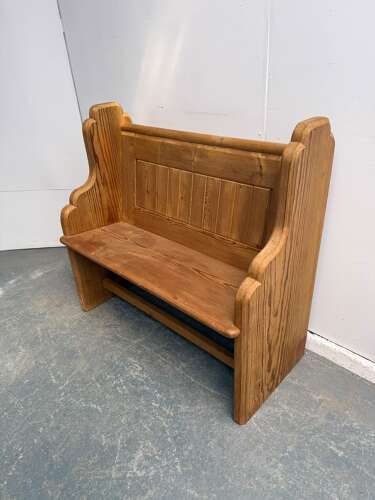
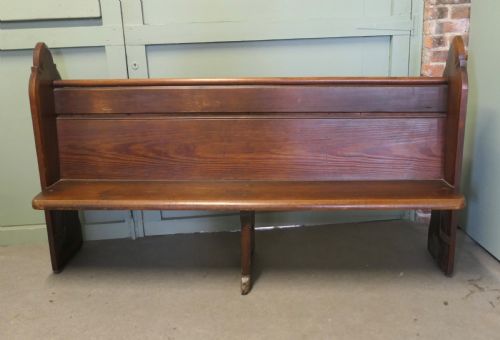
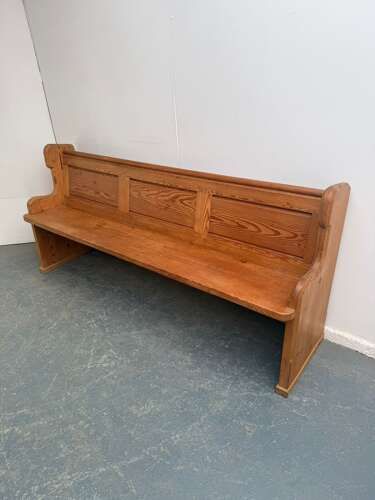
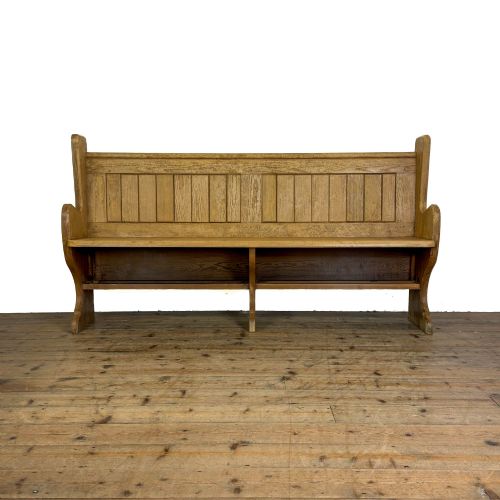
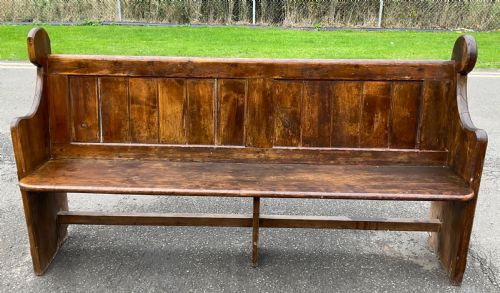
A reclaimed pine bench encompasses solid seating and heavy work surfaces shaped from salvaged timber, drawing heavily on domestic and institutional history. Buyers hunting for a reclaimed pine bench typically encounter ecclesiastical pews, industrial worktables, and utilitarian hall seats originating from the nineteenth and early twentieth centuries.
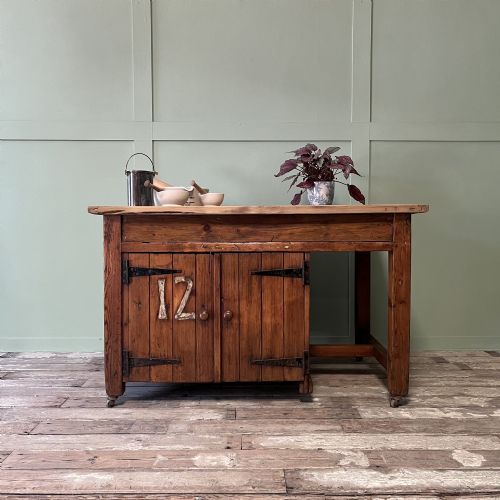
The domestic forms appearing in these listings range from compact single-seater church pews to longer three-seater benches finished in clear wax. Alongside conventional seating, the category includes functional workbenches, prep tables, and low coffee tables that share the same weathered timber construction.
Origins span English country churches, Scandinavian workshops, and industrial foundries, lending each piece a distinct regional character. The aesthetic leans toward rustic farmhouse, Victorian Gothic, and industrial styles defined by honest construction rather than decorative excess.
How they were made
Makers utilised standard domestic timber alongside denser pitch pine for heavy-duty institutional seating and industrial work surfaces. This wood was selected for durability and joined using robust methods suited to heavy daily use in chapels, bakeries, and factories.
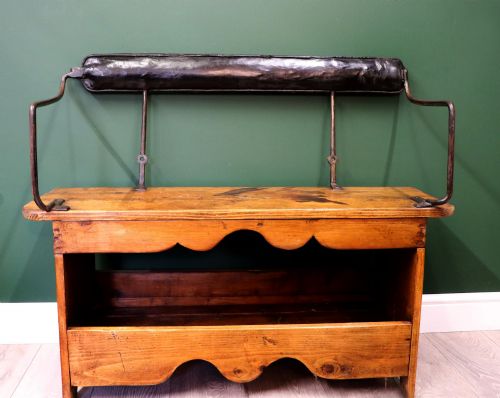
Surfaces frequently show the marks of past utility, preserved beneath clear wax or historic layers of paint. Iron components, such as heavy foundry brackets and bracing, appear alongside timber to provide structural support on industrial tables.
Current listings feature nineteenth-century and early twentieth-century pieces, including Victorian church pews, Edwardian hall seats, and industrial worktables constructed from pine, pitch pine, and iron.
What varies in quality
The standard of a reclaimed pine bench rests on the integrity of the original timber and the honesty of its preservation. Pieces retaining their structural joinery and genuine institutional provenance stand apart from altered examples.
Proportion and utility also dictate the appeal, with well-balanced church pews and properly proportioned work tables offering greater versatility in a modern interior.
The Reclaimed Pine Bench Glossary
- Pitch pine
- A dense, resinous variety of pine timber prized for its durability and strong grain pattern. It was frequently utilised in nineteenth-century institutional seating and heavy work surfaces.
- Pew
- A long wooden bench with a high back, traditionally fixed in churches or chapels for congregational seating. Surviving examples are often adapted for domestic hallways.
- Workbench
- A sturdy wooden table fitted with vices or storage drawers, designed for manual trades such as carpentry or baking. These industrial survivors now serve as kitchen prep islands or console tables.
- Wax finish
- A protective coating rubbed into the timber grain to nourish the wood and impart a soft sheen. This traditional treatment highlights the natural knots and colour variations of old pine.
Reclaimed Pine Bench: Frequently Asked Questions
How do I clean a reclaimed pine bench?
Dust the timber regularly with a dry cloth to prevent grit accumulation in the grain. Apply a clear beeswax polish occasionally to nourish the dry wood and maintain the protective barrier.
Avoid using harsh chemical sprays or excess water, which can strip historic wax finishes and raise the grain of the soft pine. Gentle care preserves the patina built up over decades of use.
Are these benches comfortable for daily dining?
Church pews and utilitarian hall benches were originally designed for upright posture during services rather than long lounging. Many owners add loose cushions or sheepskins to soften the wooden seats for everyday seating.
Workbenches and prep tables used as seating alternatives offer solid proportions, though backless forms require careful placement against a wall for support.
Can I use an old workbench in a kitchen?
Industrial workbenches provide excellent utility as kitchen islands or prep tables thanks to their thick wooden tops and sturdy frames. Their original working height and robust construction suit food preparation and serving.
Ensure the timber is sealed appropriately against moisture if the surface will encounter heavy kitchen use, while respecting the historic marks left by previous trades.
How do I date a nineteenth-century pine bench?
Dating relies on observing construction methods, tool marks, and hardware such as iron brackets or fixings. Nineteenth-century examples often display hand-sawn timber marks and traditional joinery techniques.
Stylistic cues like Victorian Gothic tracery or Arts and Crafts simplicity help narrow the period down alongside any documented institutional provenance.