


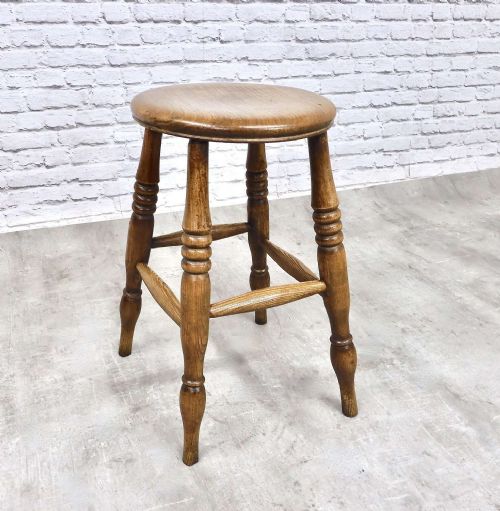


Industrial Wooden Seat
These industrial wooden seat options bring honest utility into modern rooms, offering robust iron and timber construction built for hard work.
Industrial Wooden Seat
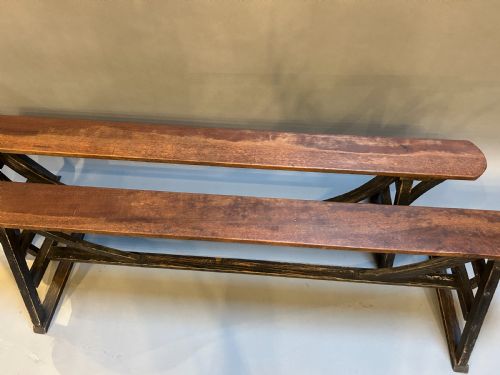
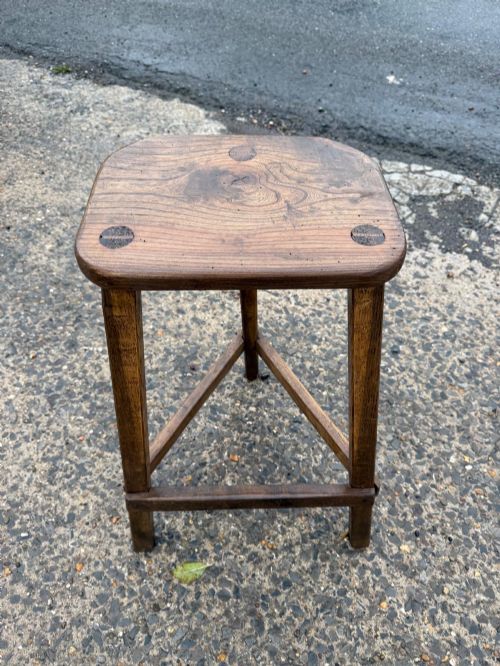
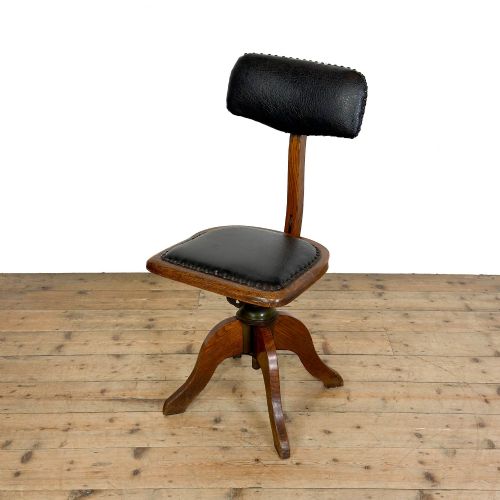
An industrial wooden seat encompasses functional items such as mill worker stools, machinist chairs, workshop seating, and railway benches. These pieces originate from periods spanning the Victorian era through to the early 20th century, capturing a utilitarian aesthetic defined by purpose.
Buyers frequently encounter stools and benches fashioned from sturdy timbers combined with iron or cast iron frames. The selection includes adjustable height models, swivel mechanisms, and flip-over designs intended for factories, offices, and transport hubs.
Origins trace across 19th-century workshop furniture, Edwardian designs, and 1930s industrial output. Each piece reflects the functional demands of workplaces like silversmiths, mills, and railway stations.
Materials and construction
Construction relies on durable woods including oak, elm, pine, pitch pine, beech, walnut, and general timber, paired with structural iron and cast iron. These materials provided the necessary strength for demanding industrial and public environments.
Joinery and metalwork were kept strictly functional, utilising bolted iron brackets, swivel screws, and sturdy framing to support heavy daily use in workshops and offices.
Railway station benches stamped with station names carry the silent echoes of countless missed connections.
Assessing quality and integrity
Quality rests on the original relationship between timber seats and iron mechanisms, where smooth adjustment and solid structural joinery distinguish superior workshop items. The integration of maker-specific elements or named railway origins elevates certain pieces above standard utility forms.
The character of the timber surface, shaped by decades of workshop or station use, defines the visual standing of each piece. Retaining original hardware and unmodified frames dictates the overall integrity of the item.
Evertaut
The Industrial Wooden Seat Glossary
- Machinist stool
- A workshop seat designed for industrial operators, often featuring an adjustable height screw mechanism and a timber top.
- Flip-over bench
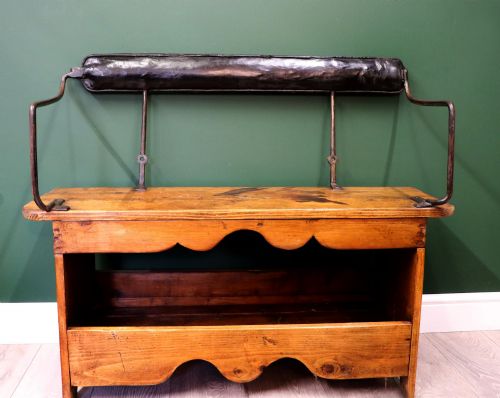
- A dual-sided seating form with a reversible backrest, commonly utilised in railway stations to change seating direction.
- Swivel stool
- A rotating seat mounted on a central threaded spindle or wooden pivot, allowing movement in workspaces.
- Cast iron
- A strong, heavy alloy used for machine bases, legs, and brackets on industrial furniture to ensure stability.
Industrial Wooden Seat: Frequently Asked Questions
What is an industrial wooden seat?
An industrial wooden seat is a durable piece of furniture originating from workplaces, factories, and transport hubs during the nineteenth and early twentieth centuries. These items were built strictly for utility, combining timber seats with iron framing.
Common forms include machinist stools, workshop chairs, and railway benches designed to withstand heavy daily use in demanding environments.
How were railway benches used?
Railway benches provided seating for passengers waiting on station platforms across the network. Many featured a reversible flip-over backrest so travellers could face either direction.
These long timber benches were constructed to endure outdoor elements and constant public traffic in busy depots.
Where did workshop stools originate?
Workshop stools emerged from industrial settings such as textile mills, silversmith workshops, and engineering factories. Workers sat on these sturdy wooden seats for long hours while operating machinery or performing trades.
Makers designed them with adjustable heights and swivel functions to suit specific tasks.
How do I style an industrial seat?
Integrating an industrial wooden seat into a contemporary interior involves pairing its honest timber and iron textures with minimalist or utilitarian surroundings. These pieces function well as kitchen bar stools, desk chairs, or hallway benches.
Their functional origins allow them to serve as practical seating while adding historical character to a room.
How do I date these seats?
Dating industrial seating relies on identifying construction methods, materials, and stylistic cues from periods like the Victorian era, Edwardian period, or the 1930s. Cast iron components and timber types often point to specific eras of manufacturing.
Patent marks, workshop stamps, or station names also help narrow down the period of origin.