
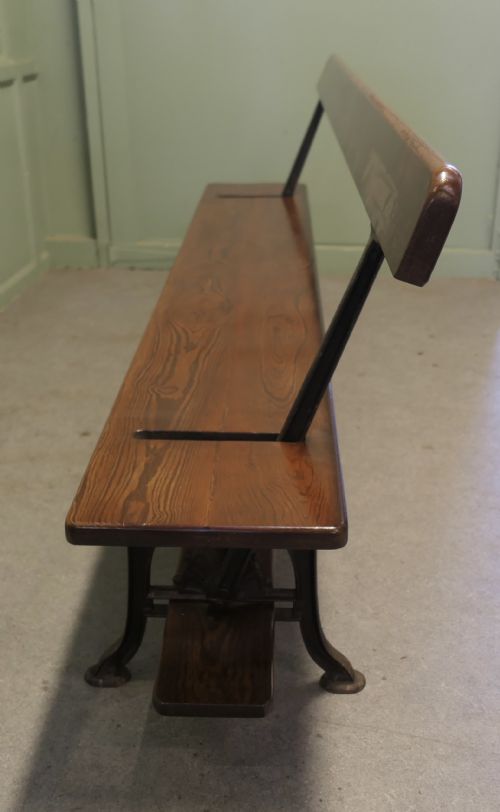
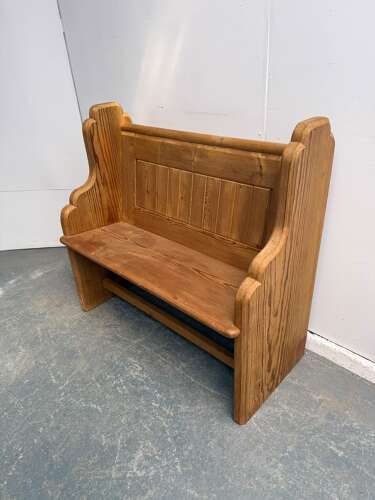
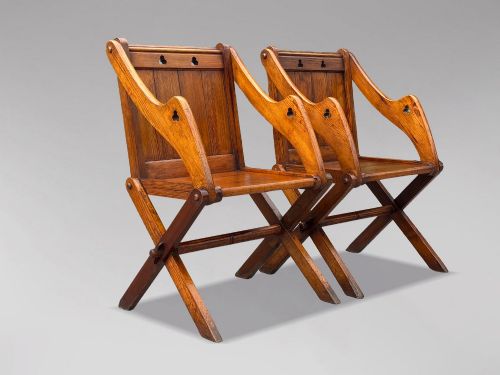
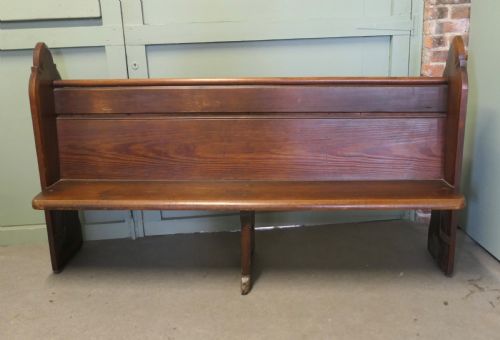
Victorian Pine Seat
A victorian pine seat brings functional domestic utility and ecclesiastical character into a modern interior.
Victorian Pine Seat
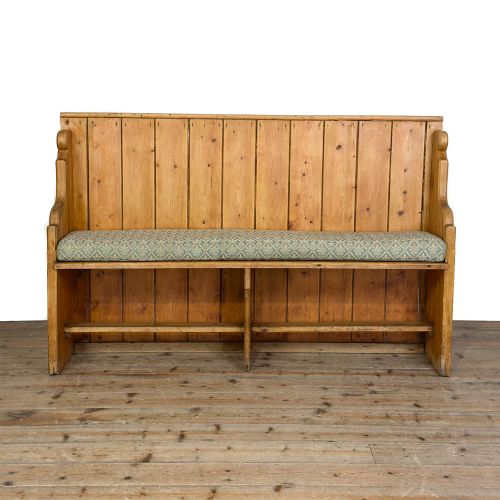
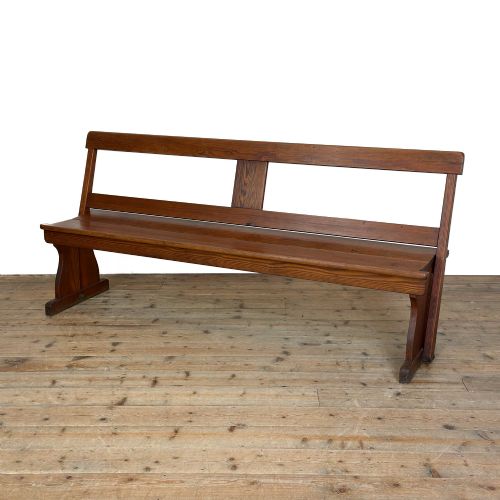
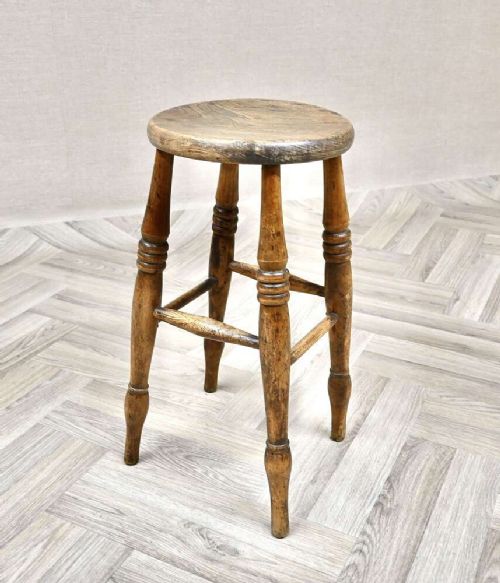
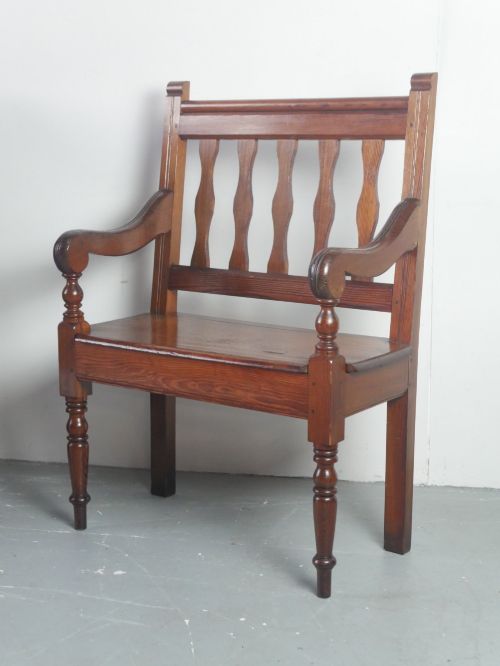
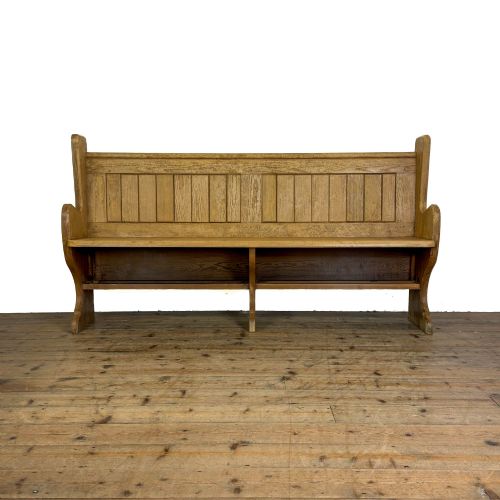
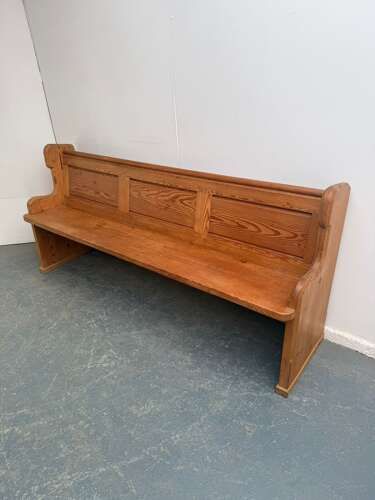
When you search for a victorian pine seat, you encounter a diverse array of utilitarian furniture designed for churches, chapels, halls, and farmhouses.
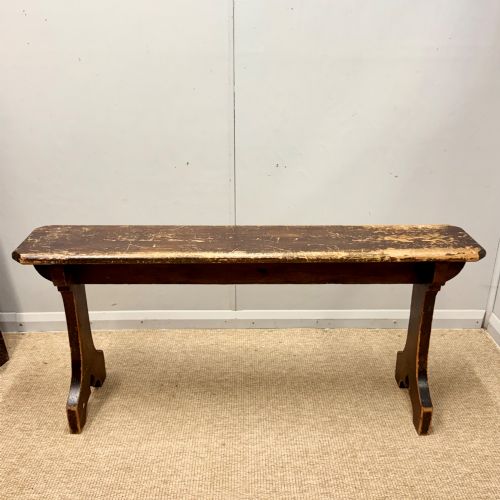
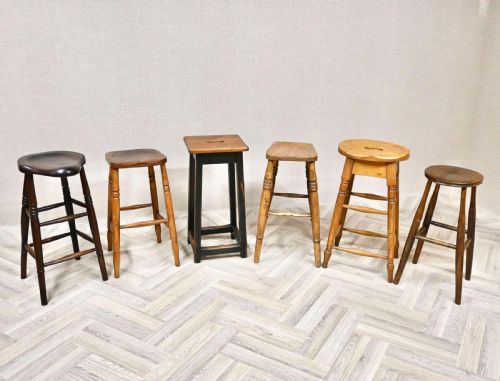
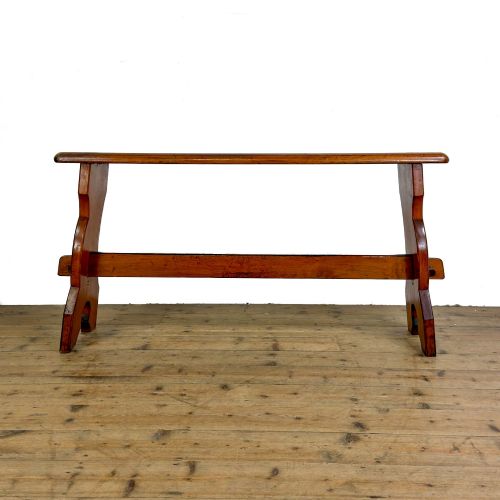
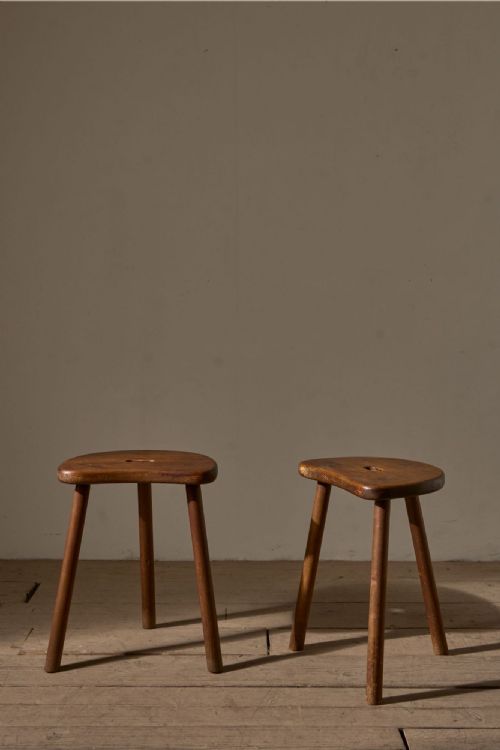
The most common examples on this page are church and chapel pews, alongside tall bar stools, clerk's stools, and vernacular benches.
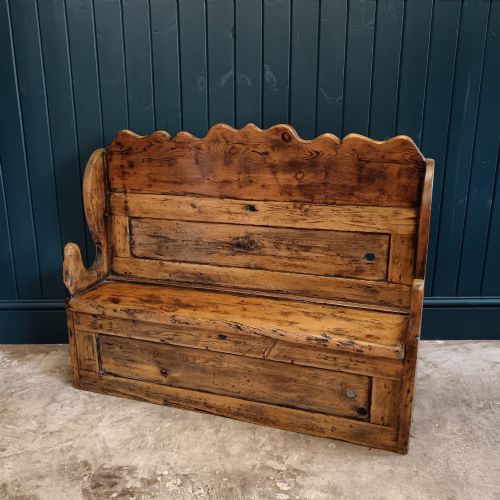
Hungarian box settles and multi-seater church pews appear frequently, spanning the nineteenth century into the early twentieth century.
Materials and Construction
Makers utilised solid pine, denser pitch pine, and supplementary woods such as elm, beech, and oak for structural durability.
Surfaces were frequently finished with traditional clear wax or left with original painted coats in shades of blue, grey, cream, and black.
Construction methods rely on robust joinery suited to heavy institutional or domestic use, incorporating panelled backs and box seats.
Listings feature items spanning the nineteenth century, Victorian period, and Edwardian era, constructed from pine, pitch pine, paint, elm, beech, and cast iron.
Assessing the Pieces
Quality rests upon the integrity of the original timber, the retention of authentic painted or waxed surfaces, and undisturbed patination.
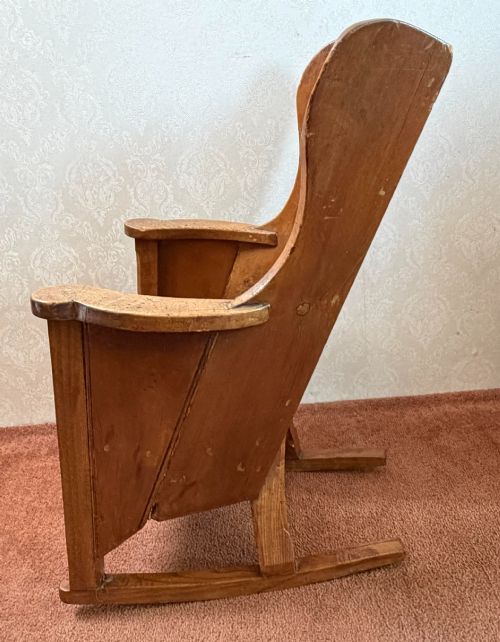
Proportions and rarer functional twists, such as flip-over mechanisms or integrated box compartments, distinguish standard pews from more inventive seating forms.
The Victorian Pine Seat Glossary
- Settle
- A wooden bench featuring a high back, solid arms, and frequently a box compartment beneath the seat for storage. These pieces were historically placed near firesides to block drafts.
- Pew
- A long wooden bench traditionally utilised in churches and chapels for communal seating. Examples in pine and pitch pine often display end panels and numbering.
- Pitch Pine
- A durable resinous variety of pine timber derived from North American pine species. It offers enhanced hardness and a distinct grain compared to standard softwoods.
- Vernacular
- Furniture made by local craftsmen following regional traditions rather than high-style academic designs. These objects prioritise practical utility over ornamental refinement.
- Box Settle
- A form of seating incorporating a hinged lid beneath the seat squab. This compartment provided concealed storage within domestic or ecclesiastical settings.
Victorian Pine Seat: Frequently Asked Questions
Where were church pews used originally?
Church pews served as congregational seating within nineteenth-century ecclesiastical buildings, chapels, and mission halls. Their linear designs accommodated multiple sitters.
Today, buyers repurpose these long benches for hallway seating, kitchen dining tables, or boot room storage.
What is a box settle?
A box settle combines a high-backed wooden bench with a built-in storage compartment hidden beneath the hinged seat. The high back protected occupants from cold drafts in older buildings.
These versatile pieces suit modern hallways and kitchens for concealing shoes and household items.
How do I care for a waxed pine seat?
Maintain waxed pine surfaces by applying natural beeswax periodically to nourish the wood and preserve the soft sheen. Avoid placing timber furniture near direct heat sources to prevent splitting.
Gentle dusting with a dry cloth keeps the original patination intact without stripping the historic finish.
What is the difference between pine and pitch pine?
Standard pine is a softer, lighter softwood used widely in nineteenth-century domestic furniture and vernacular seating. Pitch pine contains a higher resin content, making it significantly harder, heavier, and darker with a pronounced grain.
Pitch pine frequently appears in heavier architectural church pews and institutional benches.