
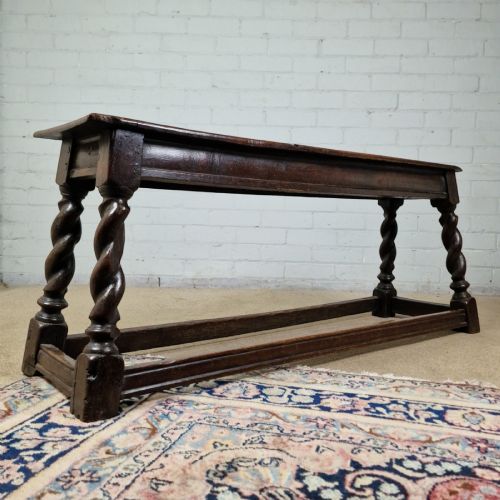
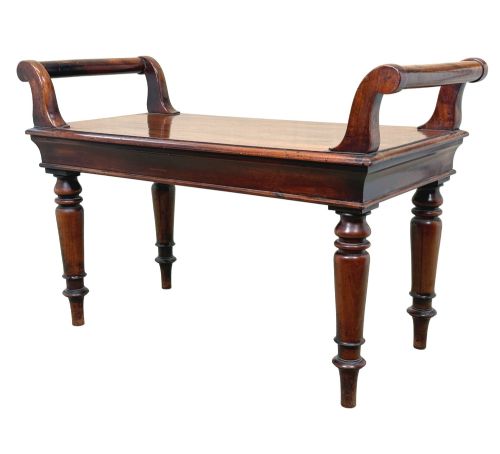
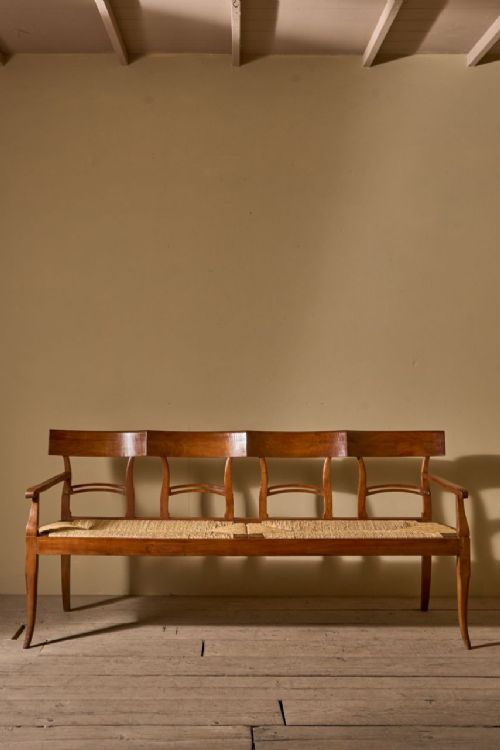
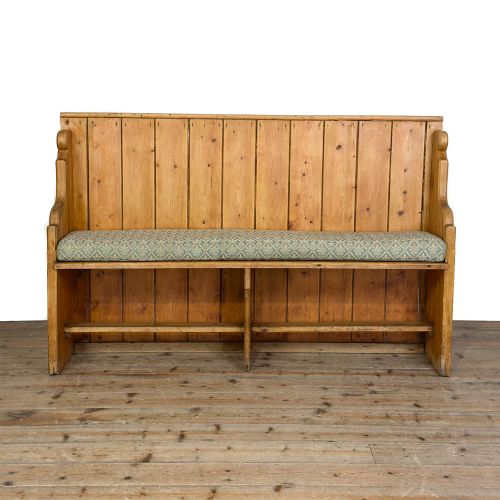
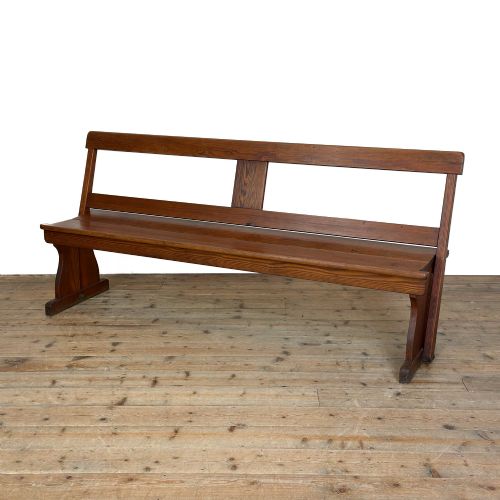
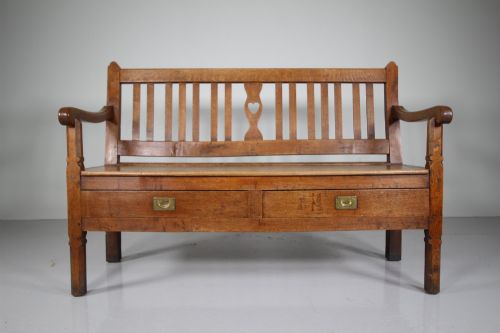

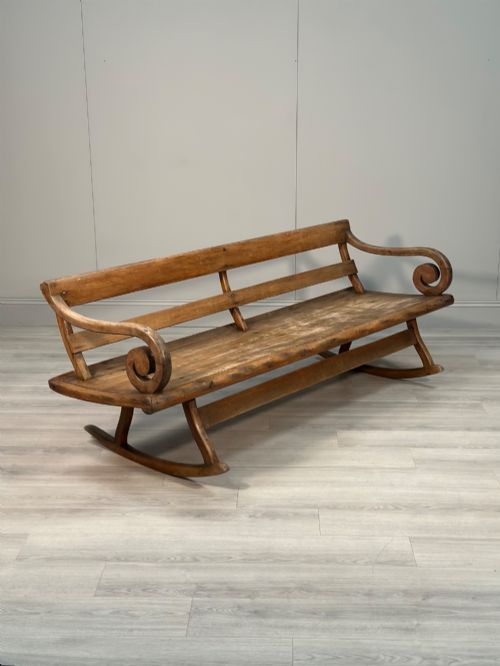
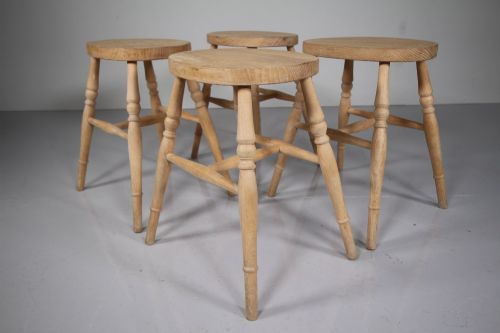
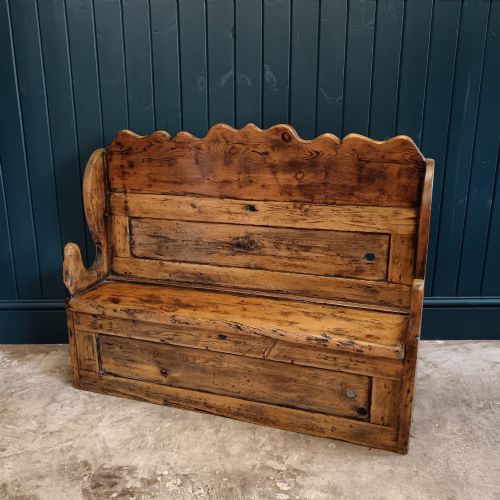
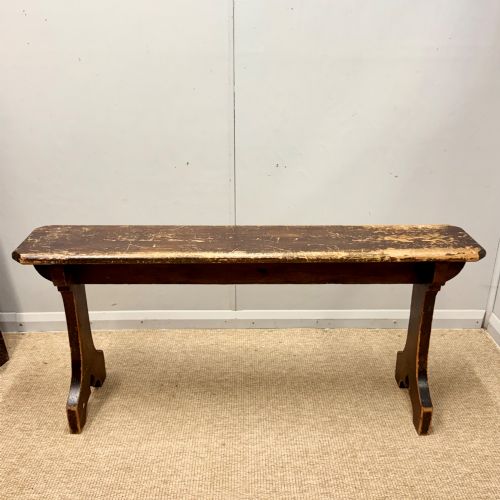
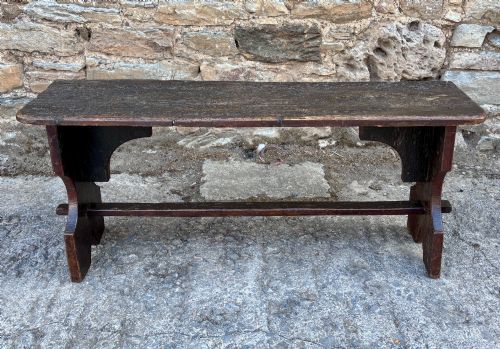
Traditional Wooden Bench Seat
A traditional wooden bench seat offers sturdy utility and timeless seating, ranging from rustic pine church pews to panelled oak hall settles.
Traditional Wooden Bench Seat
A traditional wooden bench seat brings practical seating and period character to hallways, dining spaces and gardens. When searching for a traditional wooden bench seat, buyers encounter forms that span centuries of domestic and institutional use.
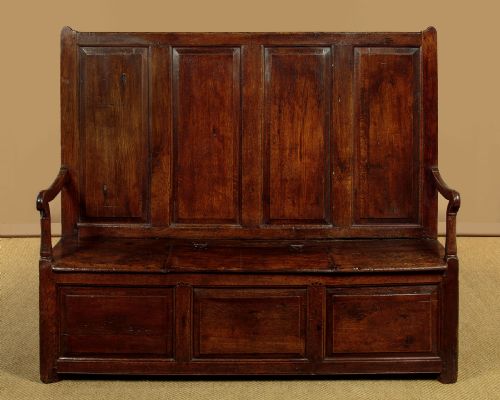
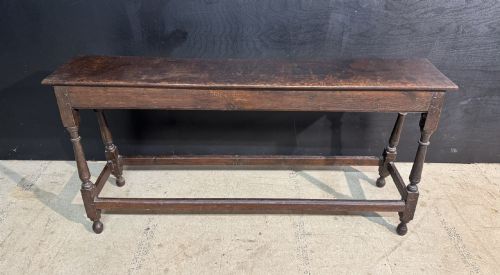
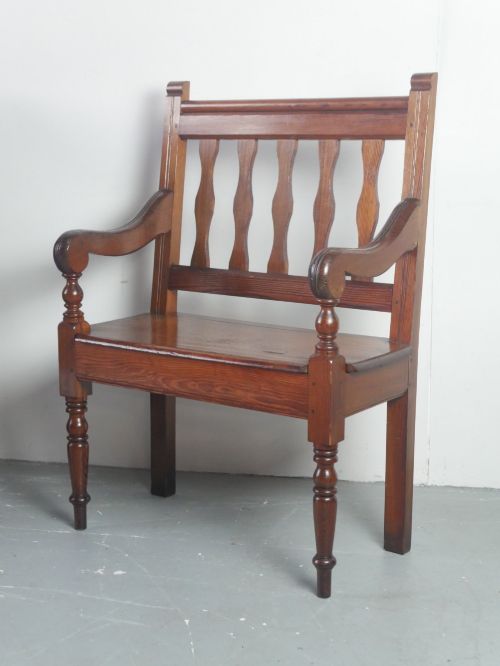
Forms include high-back chapel pews, storage settles with lift-up seats, narrow hallway benches and garden seats. These pieces range from vernacular country furniture to finely carved mahogany window seats.
How They Were Made
Craftsmen built these traditional wooden bench seat forms using solid timbers such as oak, pine, mahogany, teak, elm, sycamore and ash. Joinery methods relied on traditional techniques, including panelled construction, dovetailing and pegged joints.
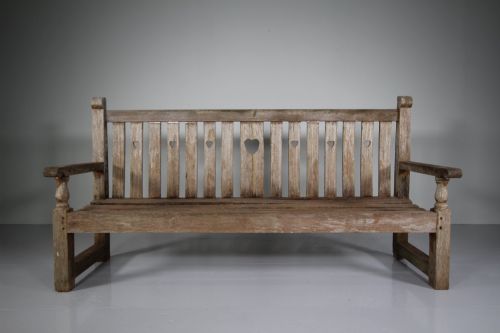
Surface finishes varied from natural wax and honey brown patina to painted finishes and carved ornamentation. Some garden pieces utilised durable teak, while interior settles often featured intricate carved panels and hinged box storage compartments.
Listings feature solid oak, pine, mahogany, teak and elm across Georgian, Victorian and Edwardian periods.
What Varies in Quality
The standard of a traditional wooden bench seat depends upon the selection of timber and the integrity of the original construction. Superior pieces display dense grain, well-preserved patination and robust joinery that has survived decades of daily use.
Subtle differences appear in the depth of hand-carved details, the retention of original hardware such as hinges, and the proportions of vernacular framing. Pieces retaining their structural integrity without excessive timber replacement command greater appreciation.
The Traditional Wooden Bench Seat Glossary
- Settle
- A wooden bench with a high back, solid arms and often a box compartment beneath the seat. This form provided shelter from drafts in older homes.
- Pew
- A long wooden bench traditionally found in churches and chapels. These communal seats were constructed from solid pine or oak.
- Joint Stool
- An early form of wooden stool constructed with mortise and tenon joints using pegged framing. They preceded individual chairs in domestic settings.
- Patina
- The surface sheen and colour developed on wood over years of handling, waxing and age. A desirable patina shows authentic depth and warmth.
- Box Settle
- A bench featuring a hinged seat lid opening to storage space below. This multi-functional design maximised space in period rooms.
Traditional Wooden Bench Seat: Frequently Asked Questions
How do I style a traditional wooden bench seat?
Place a narrow hall bench in an entryway to provide a practical spot for putting on shoes while establishing a period focal point. Add simple cushions or textiles to seating areas for comfort.
In dining rooms or kitchens, position a settle or pew alongside a table to create relaxed alternative seating. The substantial backrest anchors the arrangement against a wall.
Were these benches used outdoors originally?
Most antique wooden benches were designed for interior use in halls, churches and domestic living spaces. Their survival indoors preserved their structural condition.
Specific garden benches from the Edwardian period utilised durable timbers like teak to withstand outdoor exposure. Modern placement outdoors requires careful consideration of the wood type and weather protection.
How do I care for antique wooden seating?
Maintain the surface of older wooden furniture by applying appropriate natural waxes rather than modern silicone polishes. This preserves the historical patina and feeds the dry timber.
Keep wooden seats away from direct heat sources and dramatic humidity shifts to prevent the solid boards from splitting or warping over time.