


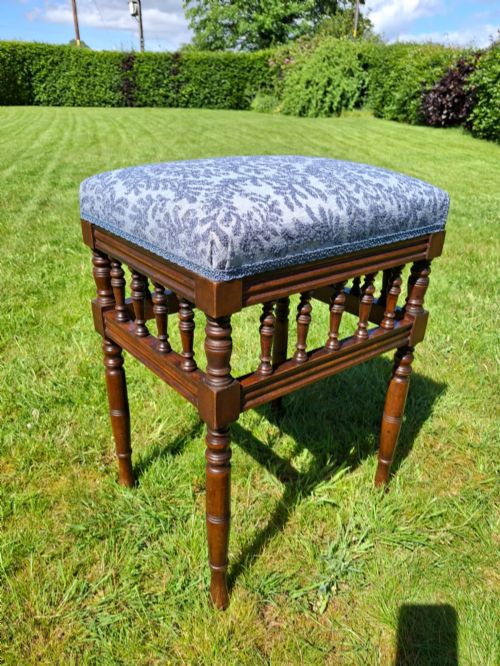
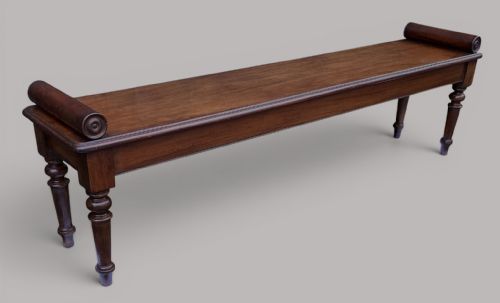

Turned Leg Wood Bench
A turned leg wood bench brings solid timber and robust joinery into a hallway or bedroom, offering practical seating built to last.
Turned Leg Wood Bench
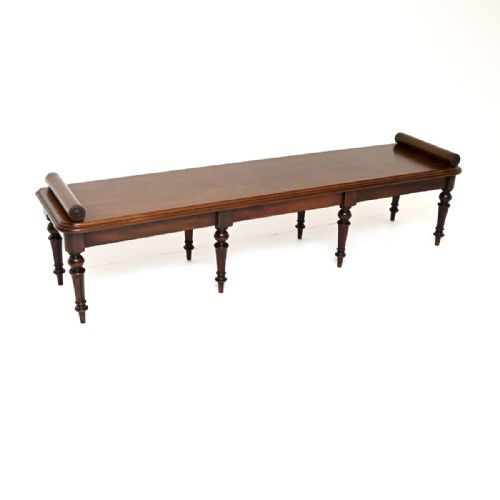
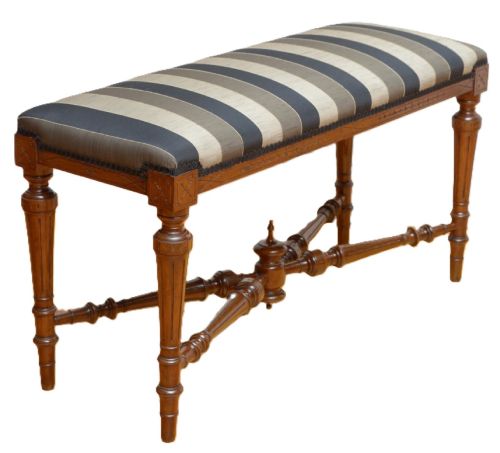
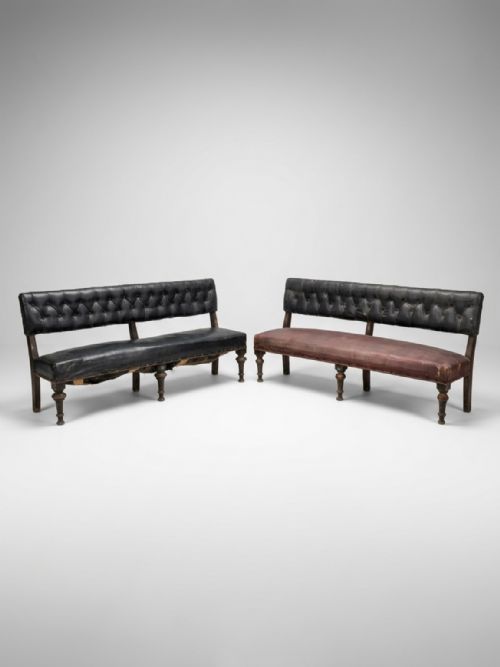
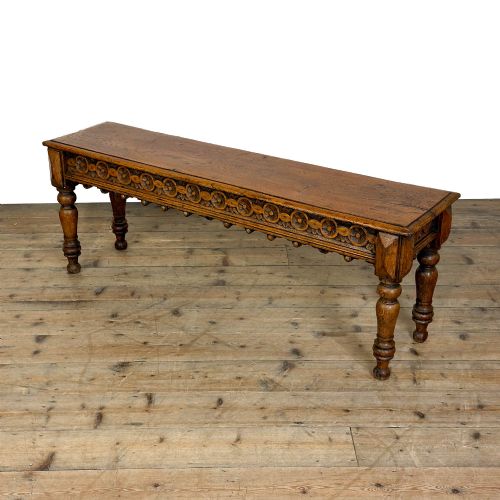
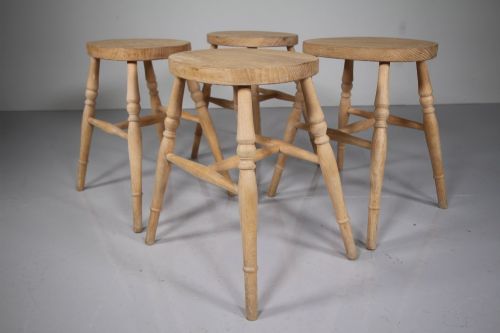
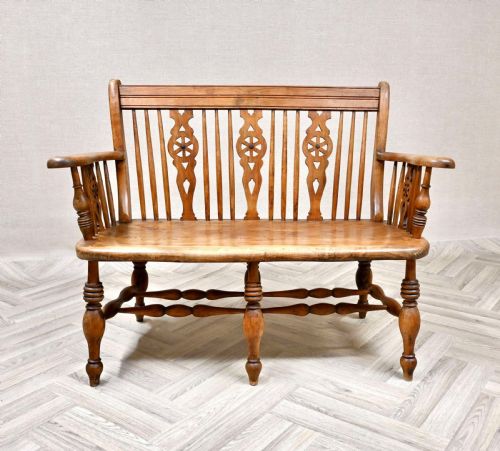
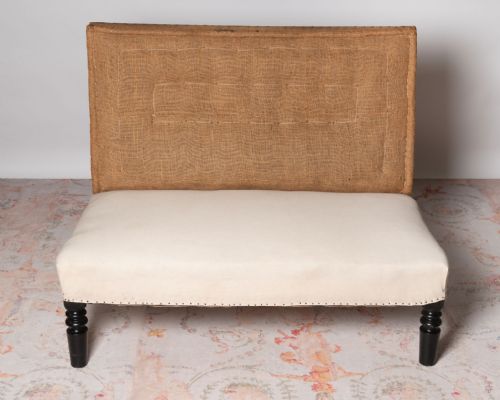
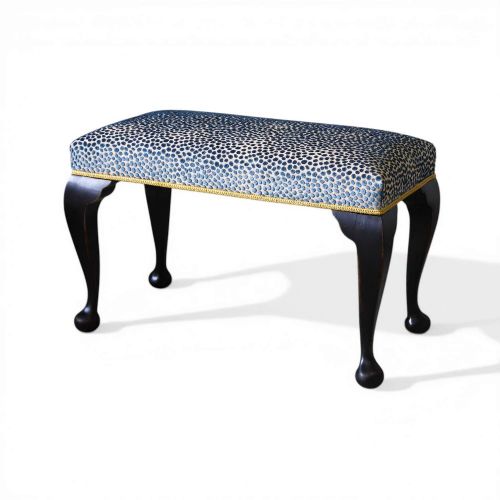
When you search for a turned leg wood bench, you encounter seating designed for hallways, bedrooms, and reception spaces across multiple historical periods. The listings here span the eighteenth century, the Victorian era, the Edwardian period, and the early twentieth century.
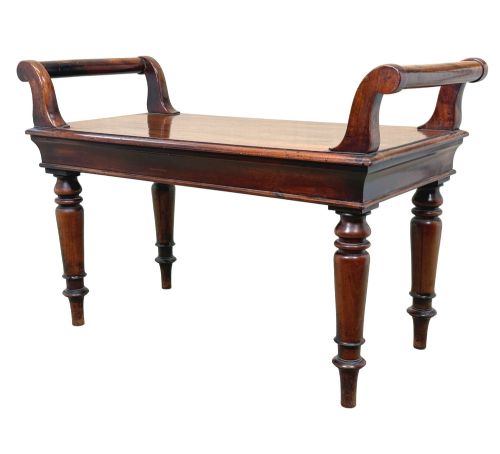
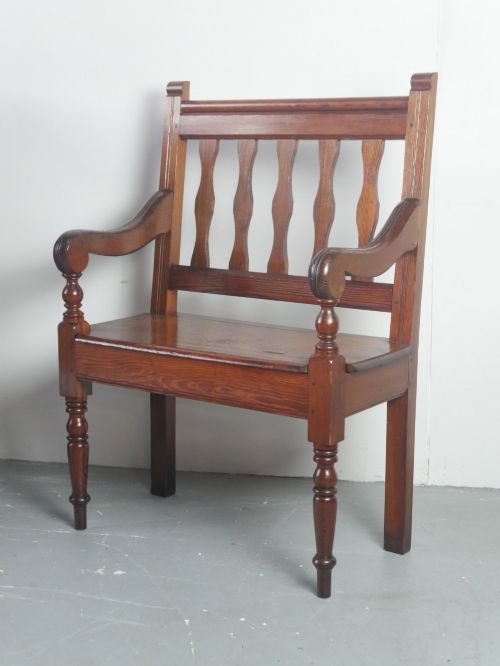
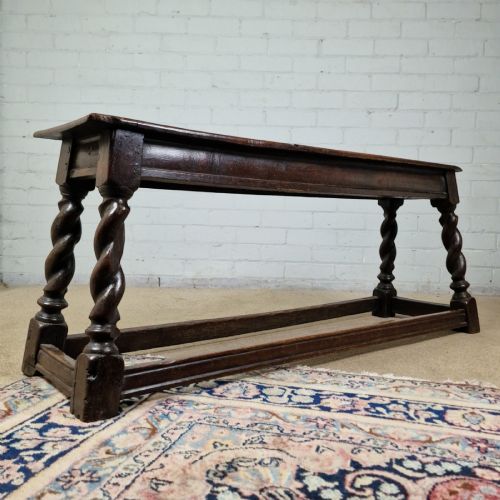
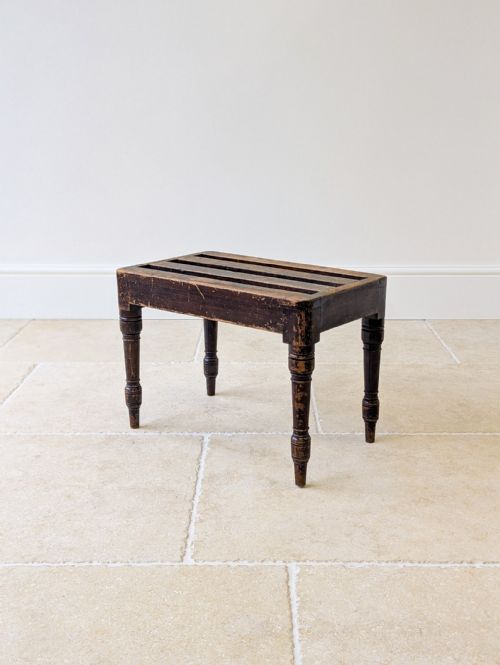
The versions you are most likely to meet on this page include long mahogany hall benches, window seats, and oak joint benches, alongside specialised forms like piano stools and luggage stands. These pieces originate from English country workshops, French makers, and international makers utilising native and imported timbers.
Makers often shaped these items to serve dual purposes, such as long seating for corridors or supportive surfaces for resting at the foot of a bed. Regional variations appear in the choice of wood and the intricacy of the leg turnings.
Materials and construction methods
Carpenters constructed these benches using hardwoods such as mahogany, oak, elm, ash, beech, and stinkwood, frequently combining solid timber tops with sturdy turned supports. Selected pieces incorporate secondary materials like cane webbing, upholstered fabric, and ebonised finishes.
Joinery techniques rely on traditional methods suited to load-bearing furniture, ensuring the turned legs remain rigid under daily use. Craftsmen shaped the timber using hand tools, lathe turnings, and pegged joints to secure the frames.
Turned Leg Wood Bench Retail Price Guide 2026
Typical asking prices for turned leg wood bench among the pieces listed under this phrase on Sellingantiques today, from the lower quarter to the upper quarter. They describe what is for sale here now, not the wider market.
Determinants of construction and material quality
The upper tier of these benches displays superior timber selection, with dense grain patterns in mahogany, oak, or exotic woods like burr maple and stinkwood. Poorer examples utilise common utility timbers with less distinct figure or mismatched repairs.
Finishing details distinguish finer work, including crisp lathe turning on the legs and tight joinery that resists wobble without modern metal brackets. Original surfaces, whether polished mahogany or ebonised wood, retain a depth that heavy refinishing often obscures.
Brown and Lamont
The Turned Leg Wood Bench Glossary
- Joint bench
- A sturdy timber bench constructed with mortise and tenon joints, commonly associated with early oak furniture production.
- Ebonised wood
- Timber treated with a chemical stain or pigment to imitate heavy, black ebony. This finish was popular during the Victorian and Edwardian periods for decorative contrast.
- Window seat
- A long, narrow bench designed to fit within a bay or window recess. These often feature upholstered tops and scroll arms.
- Luggage stand
- A low folding or rigid bench intended for holding travel bags at bed height. Examples frequently incorporate slatted tops and turned legs.
- Stinkwood
- A dense, highly prized hardwood native to South Africa, named for the distinct scent the fresh timber emits when cut. It produces deep-coloured furniture with an oily lustre.
Turned Leg Wood Bench: Frequently Asked Questions
Where should I put a hall bench?
A hall bench suits narrow corridors, entranceways, and landings where people pause to remove shoes or drop bags. Their slender proportions keep thoroughfares clear while providing convenient surface space.
In larger rooms, placing one against an empty wall breaks up blank plaster and creates a deliberate focal point without blocking foot traffic.
How do I care for polished mahogany?
Polished mahogany benefits from dusting with a dry, soft cloth to prevent grit from scratching the surface. Avoid placing timber furniture in direct sunlight or near heat sources to prevent the wood from drying out.
Applying a traditional beeswax polish occasionally helps nourish the grain and maintains the natural sheen of the timber over decades.
What is the difference between a window seat and a hall bench?
Window seats were traditionally built to standard chair height and often feature armrests or upholstered pads designed for prolonged sitting by a window. They tend to be narrower to fit architectural recesses.
Hall benches are typically constructed purely of timber or with minimal padding, prioritising robust daily wear in high-traffic corridors over deep comfort.
How do I identify an 18th-century piece?
Eighteenth-century seating usually reveals its age through hand-cut joinery, pegged tenons, and timber shrinkage that follows natural grain patterns. Tool marks left by pit saws or adzes often remain visible on unexposed undersides.
By contrast, later nineteenth and twentieth-century items often show machine-sawn timber uniformity and standardised metal fixings.
Can I use a luggage stand as a coffee table?
Luggage stands offer a low, stable platform that functions well as an impromptu coffee table in compact sitting rooms. Their open slat construction keeps the floor visible, making small spaces feel larger.
Adding a custom glass or wooden tray to the top protects the original slats from liquid rings while providing a flat surface for cups and books.