
Country Hall Bench
A country hall bench offers a sturdy seat and practical storage, spanning simple pine forms to high-backed oak settles from centuries past.
Country Hall Bench
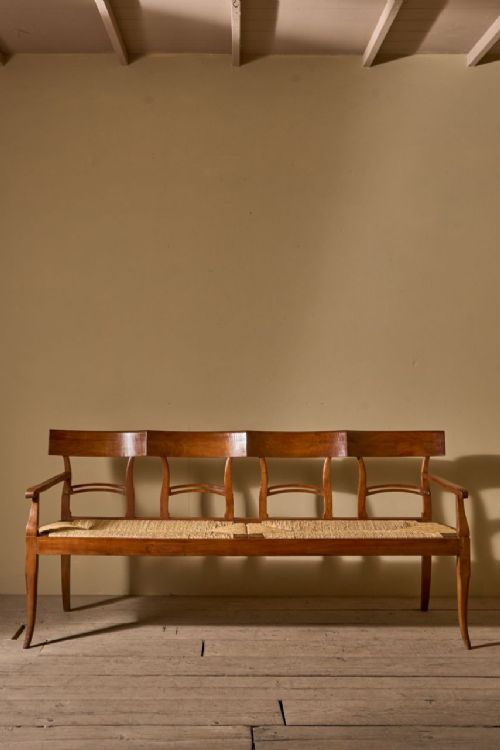
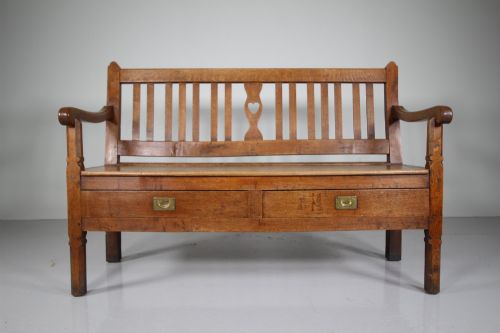
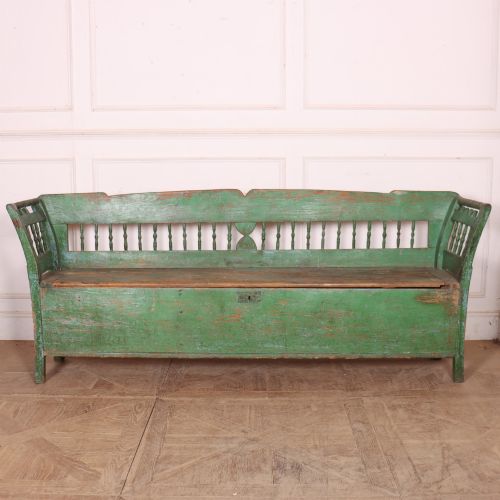
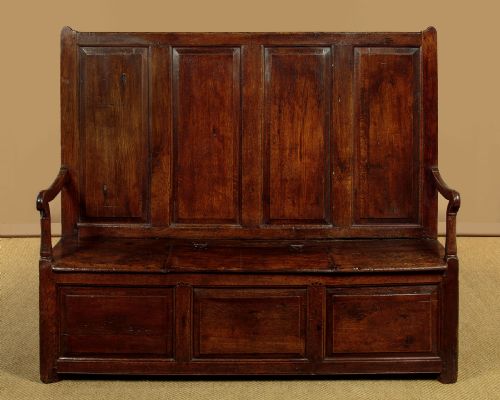
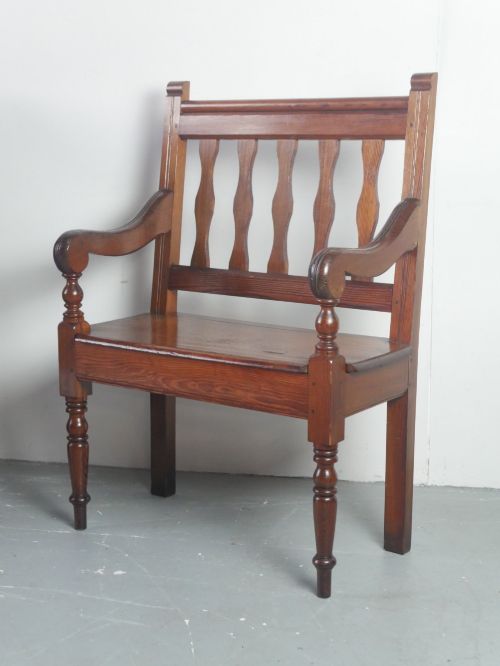
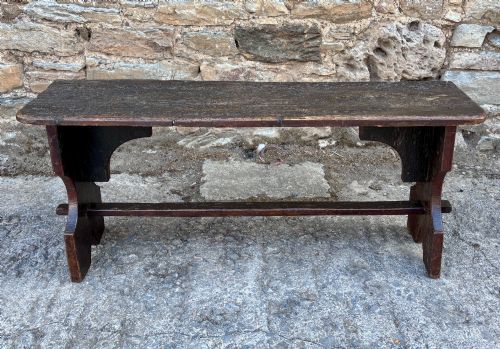
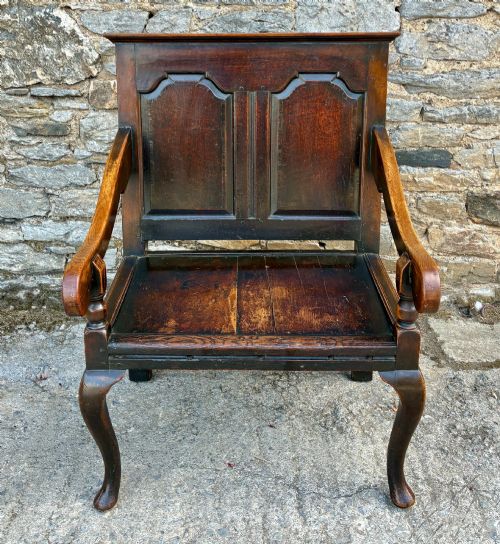
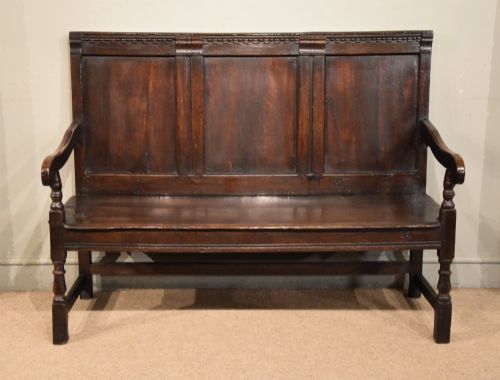
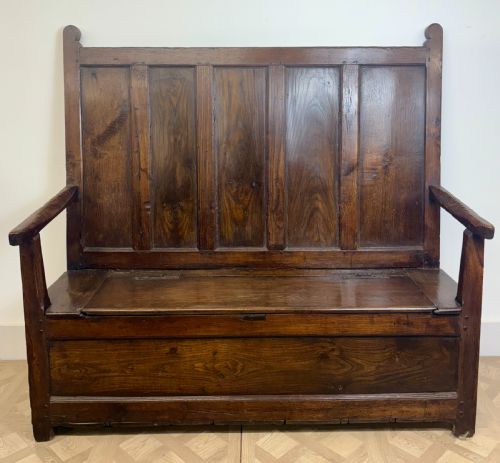
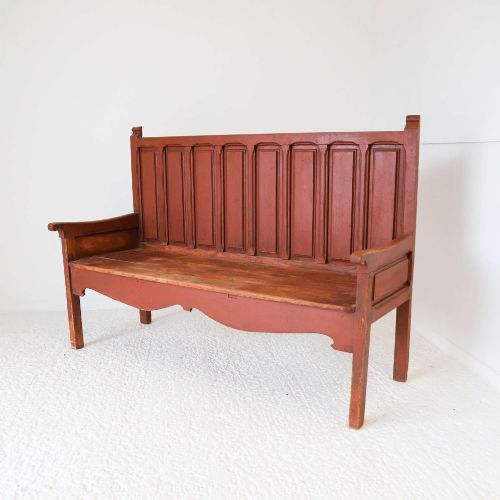
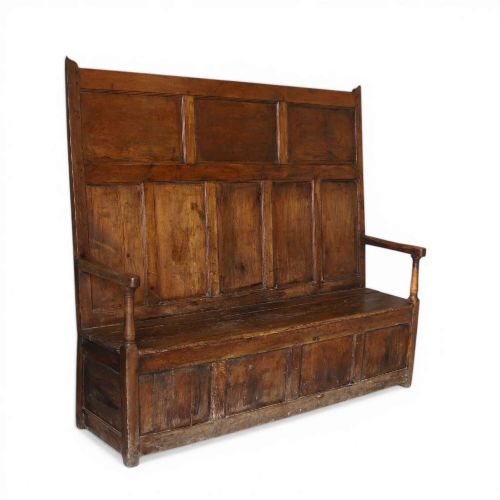
A country hall bench bridges the gap between everyday utility and regional craft, serving as a steadfast seat for hallways and kitchens alike. When searching for a country hall bench, buyers encounter everything from modest pine planks to seventeenth-century oak box settles with high backs. These pieces originate from domestic and rural workshops across Britain, France, Hungary, and Spain, reflecting local daily habits.
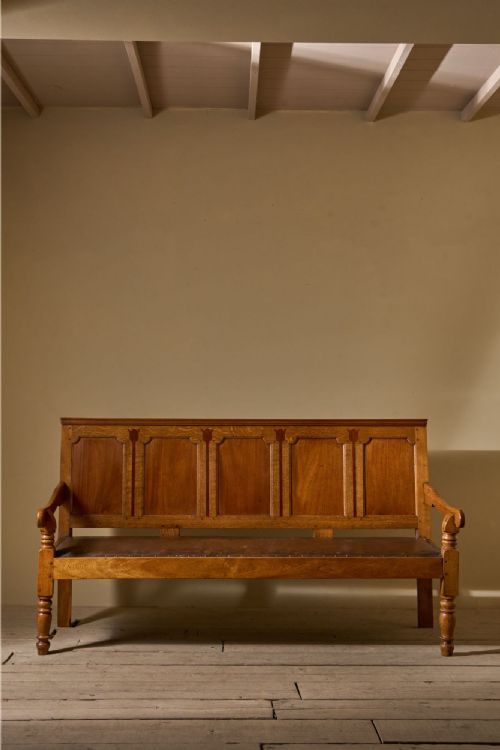
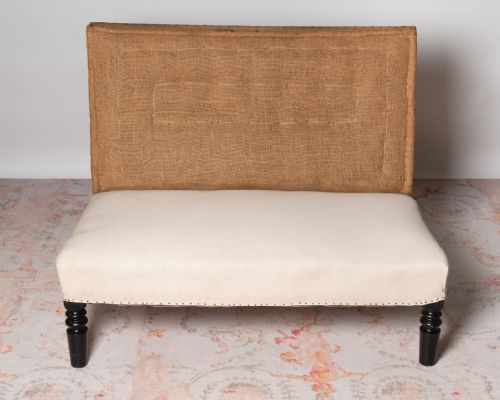
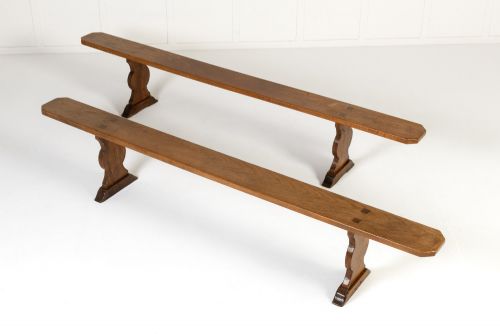
The selection ranges widely in scale and construction, featuring open-frame benches alongside enclosed box settles designed to shield occupants from draughts. Most examples date from the Georgian and Victorian eras, though earlier seventeenthand eighteenth-century iterations appear in robust oak and ash. Simpler nineteenth-century pine and cherrywood variants provide practical seating with minimal ornamentation.
Materials and Construction
Makers relied on locally available timber, predominantly oak, pine, and cherrywood, supplemented by ash and mahogany. Joinery was straightforward and utilitarian, utilising pegged mortise and tenon joints to withstand heavy domestic use.
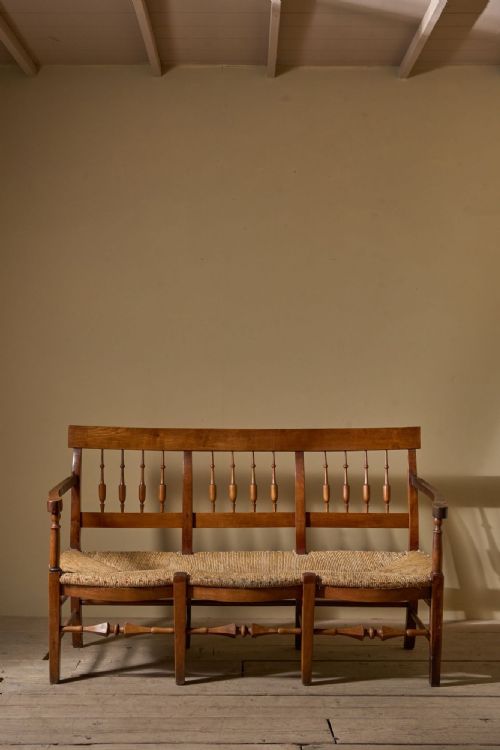
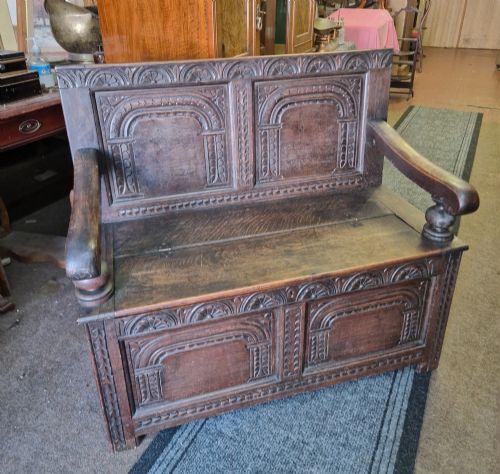
Surfaces often show traces of original paint, wax, or dark patination built up through generations of handling. Details like rush seating, iron brackets, and carved panels appear on regional variants across Europe.
Some Edwardian hall benches arrived equipped with a folding bed for unexpected guests.
Assessing Quality and Authenticity
Quality rests in the integrity of the original construction and the depth of surface wear. Pieces retaining their structural timber without excessive timber replacement command attention from serious buyers.
Proportion and scale dictate the appeal of a settle or bench within a modern interior. Well-proportioned examples with undisturbed patination and honest signs of age outshine heavily restored or altered items.
Shapland & Petter·Liberty
The Country Hall Bench Glossary
- Box settle
- A high-backed wooden bench featuring a storage compartment beneath the seat. This design kept occupants warm by blocking cold draughts.
- Joint stool
- A sturdy wooden stool constructed with pegged mortise and tenon joinery. These pieces often share structural traits with early benches.
- Ladderback
- A chair or bench back formed of horizontal wooden slats resembling the rungs of a ladder. This style appears frequently in vernacular seating.
- Patina
- The surface sheen and colour developed by wood and paint over decades of use. Natural wear enhances the visual depth of antique furniture.
- Settle
- A wooden bench with arms, a solid back, and sometimes wings to deflect air currents. They served as primary seating beside hearths in period homes.
Country Hall Bench: Frequently Asked Questions
How were box settles used?
Box settles served dual purposes as seating by the hearth and enclosed storage chests for blankets or provisions. Their high wooden backs shielded inhabitants from cold household drafts.
Over time, they became central fixtures in farmhouses and country inns where practical furniture needed to endure heavy daily use.
Are these benches comfortable to sit on?
Many early benches feature rigid wooden seats and upright backs designed for posture rather than lounging. Cushions or pads are frequently added for daily comfort.
Variants with rush seating or upholstered pads offer a softer seat while retaining their historic framework.
How do I date an oak bench?
Dating relies on construction methods, tool marks left by woodworkers, and the type of fasteners used in the frame. Hand-riven timber and pegged joints typically indicate earlier craftsmanship.
Changes in style from seventeenth-century panels to nineteenth-century turned spindles also help establish the era of manufacture.
Will a large settle fit in a modern hallway?
Many country hall benches and settles were built with shallow depths to accommodate narrow passageways. Measuring the available floor space and clearance for doors is essential.
Shorter pine benches and neat window seats provide similar character without overwhelming compact rooms.