




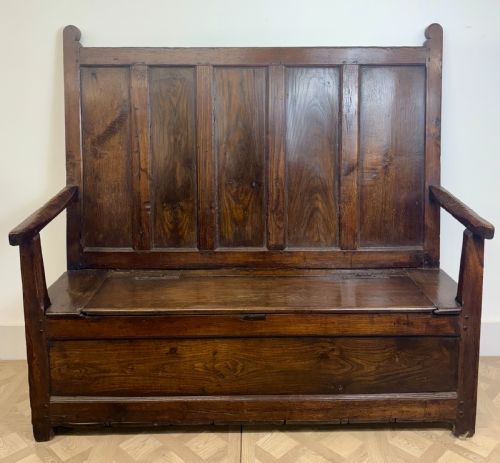
Wooden Entry Bench
A wooden entry bench brings solid timber and enduring function into a hallway, offering practical seating paired with period character.
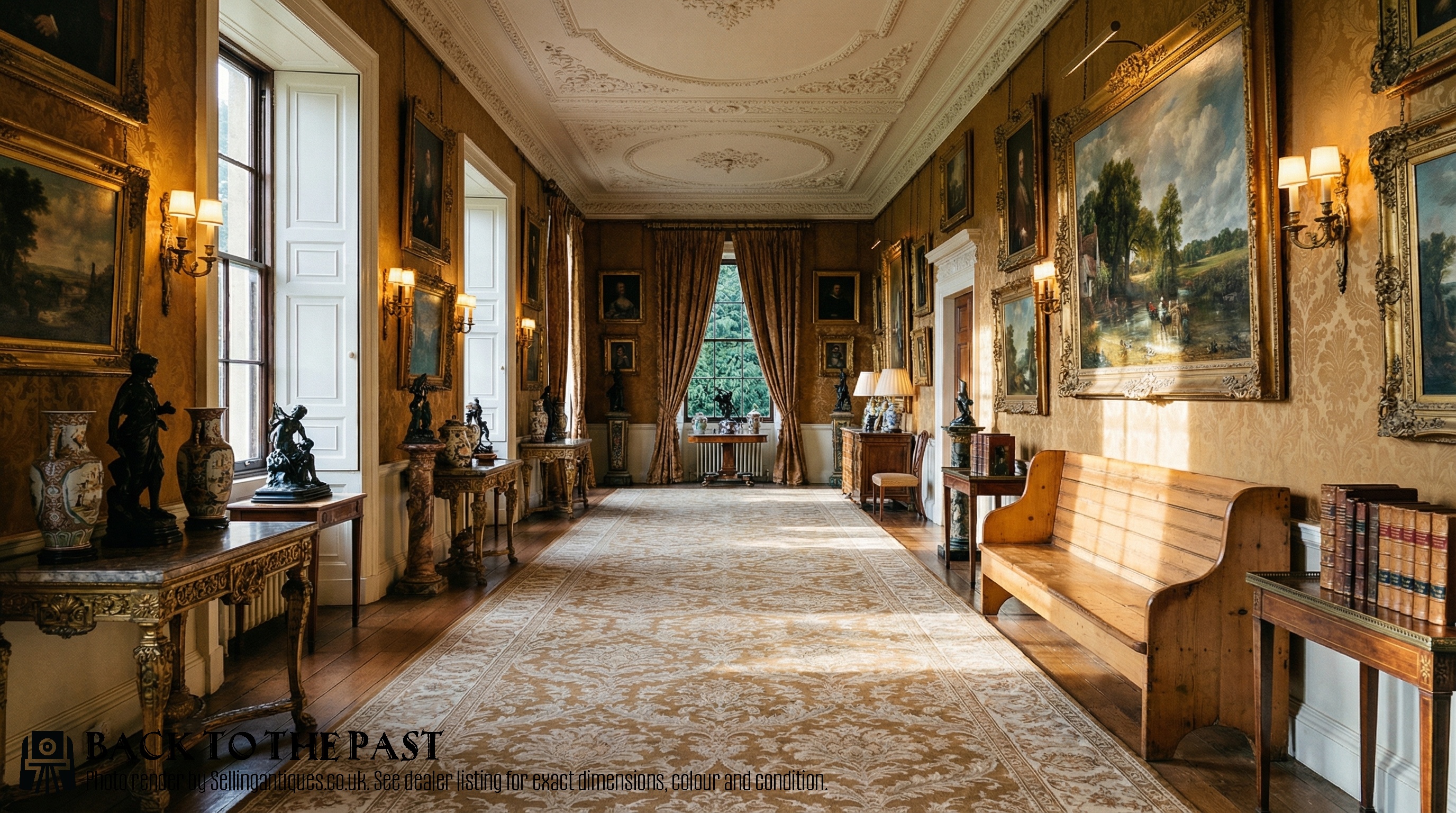
Wooden Entry Bench
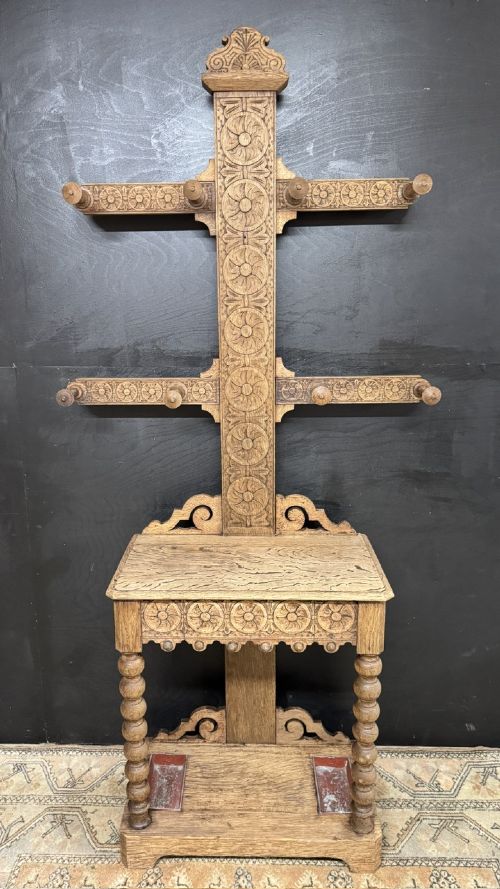
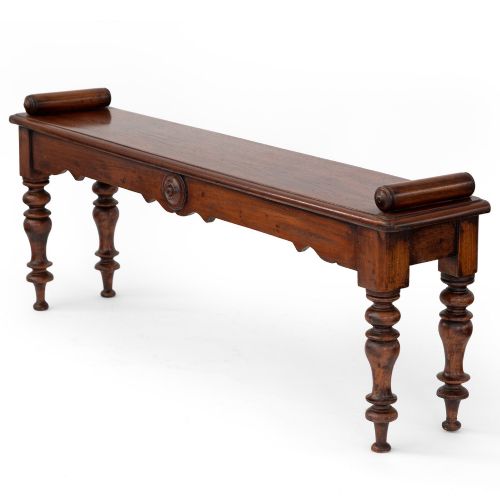
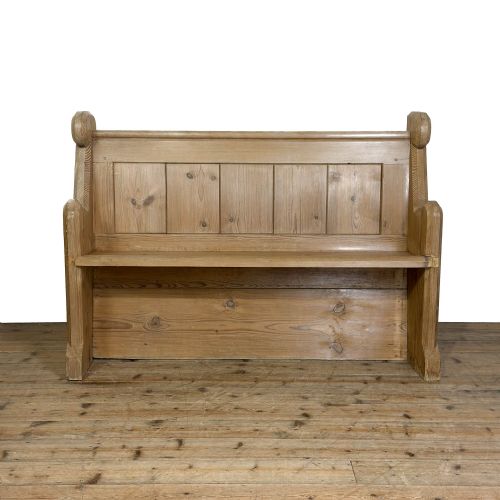
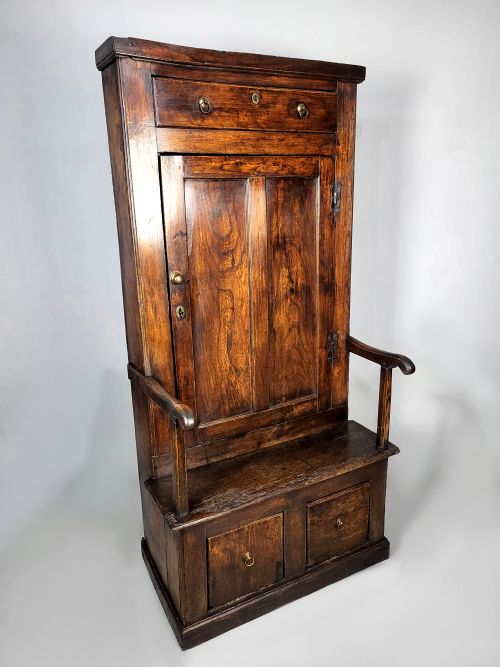
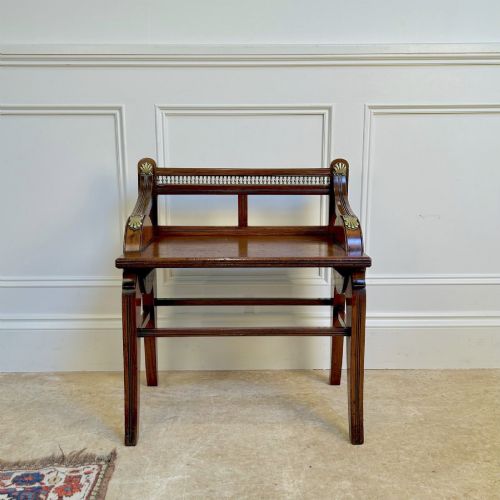
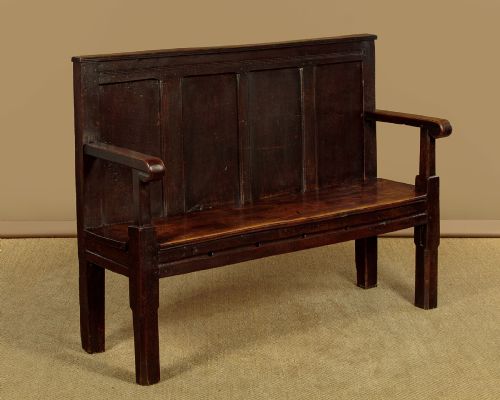
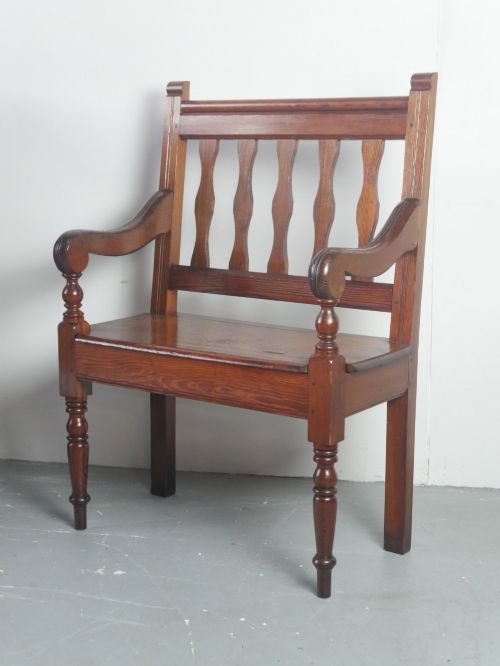
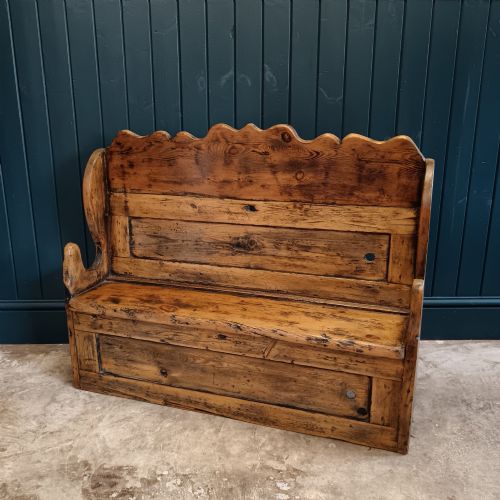
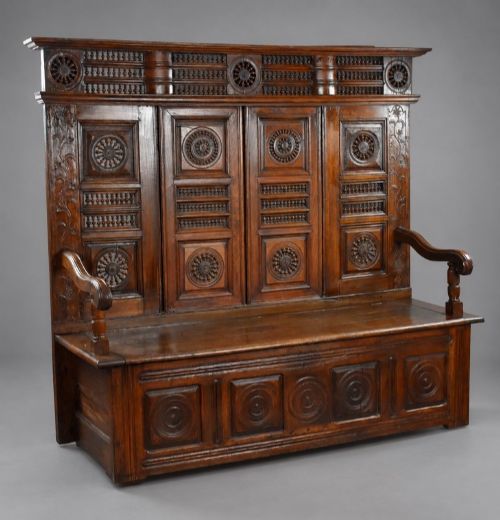
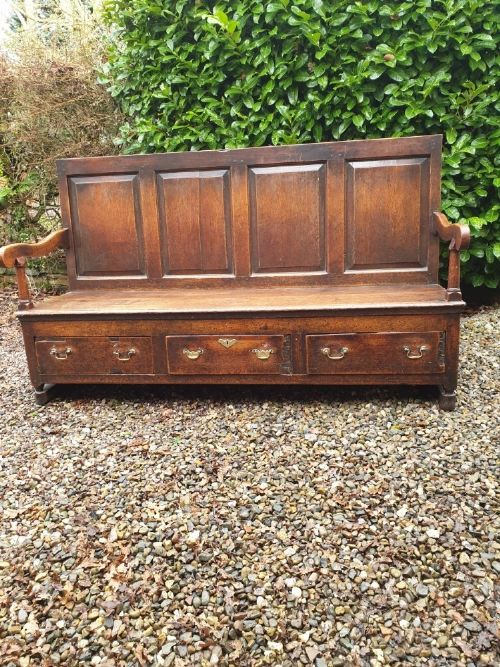
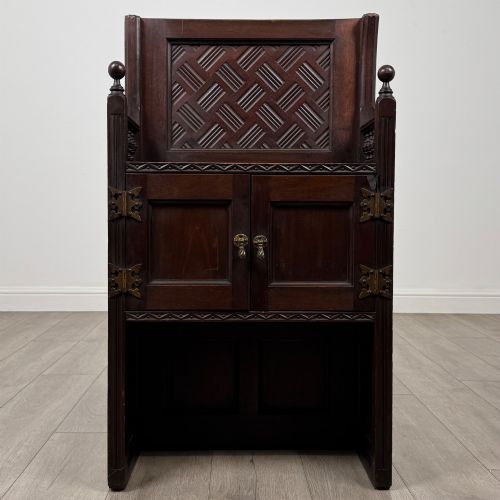
A wooden entry bench encompasses versatile hallway seating forms, ranging from simple tavern benches to high-backed settles with integrated storage compartments. The options appearing here span centuries of British craftsmanship, taking the shape of narrow window seats, panelled settles, and robust farmhouse forms designed for narrow spaces.
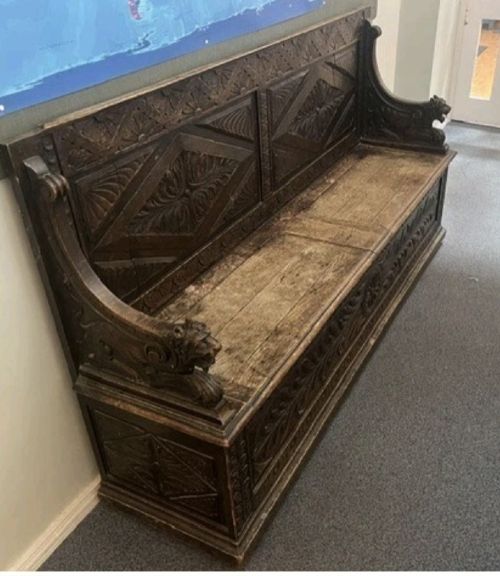
You will most frequently encounter sturdy oak box settles and pine tavern benches on this page, representing the utilitarian side of historical domestic life. These pieces served practical household roles in hallways and entries, offering a place to sit while removing boots alongside concealed storage beneath the seat.
The historical scope ranges from eighteenth-century vernacular designs through nineteenth-century Victorian country interpretations up to turn-of-the-century pieces. Makers of these periods utilised local timbers to build functional furniture that anchored entranceways and hallways with robust architectural presence.
Materials and Construction
Makers built these benches primarily using solid native timbers such as oak, pine, mahogany, pitch pine, ash, and elm. Carpenters selected woods based on local availability and structural demand, employing dense hardwoods for framing and resilient softwoods for larger panels.
Joinery methods relied heavily on traditional panelled construction, pegged mortise and tenon joints, and board chests. Box settles incorporated hinged lids into the base structure, combining seating with deep storage cavities while tavern benches utilised simpler stretcher-supported frames.
Wooden Entry Bench Retail Price Guide 2026
Typical asking prices for wooden entry bench among the pieces listed under this phrase on Sellingantiques today, from the lower quarter to the upper quarter. They describe what is for sale here now, not the wider market.
Many historical tavern benches bear the quiet scars of spilled ale and heavy boots, carrying centuries of everyday life directly into your hallway.
Judgements of Quality
Quality rests in the integrity of the timber selection and the restraint of the joinery rather than ornate decoration. Superior examples display thoughtful grain alignment in oak panels or well-balanced proportions that suit narrow hallway dimensions without crowding the space.
The character of the surface timber dictates the visual weight of the piece, where original painted finishes or honest patination from decades of use elevate the standing of a bench. Finer pieces maintain their structural bracing and original hardware, reflecting the utilitarian honesty intended by the original maker.
The Wooden Entry Bench Glossary
- Settle
- A wooden bench with a high back, solid armrests, and frequently a box base used for storage. This form kept draughts away from the sitter in cold hallways.
- Box Settle
- A variant featuring a hinged seat lifting to reveal a large storage compartment beneath. It served as a trunk for blankets or boots in busy entryways.
- Tavern Bench
- A long, utilitarian seating form built for public houses or rustic domestic spaces. These pieces prioritised sturdy stretcher construction for daily heavy use.
- Vernacular
- Furniture built by local regional carpenters following traditional functional patterns rather than high-style metropolitan designs. These objects reflect local material availability and practical needs.
Wooden Entry Bench: Frequently Asked Questions
Where should I place a wooden entry bench?
These benches suit hallways, boot rooms, and narrow entrance passages where they provide practical seating alongside surface space.
Ensure you measure the depth of the passageway carefully to allow comfortable clearance past the high backs or storage lids.
How do box settles differ from standard benches?
Box settles include a concealed storage cavity situated directly beneath the seat boards, accessed via a hinged lid.
This built-in chest provided historical households with secure storage for heavy outerwear and footwear right by the front door.
What woods were commonly used?
Constructors relied on domestic hardwoods like oak, elm, and ash alongside versatile softwoods such as pine and pitch pine.
Each timber brought specific weight and grain characteristics suited to the intended domestic environment.
How do I care for antique timber seating?
Maintain the wood by applying appropriate natural waxes sparingly and keeping the piece away from direct heat sources.
Avoiding sudden temperature shifts protects the historical joints and prevents timber splitting over time.