




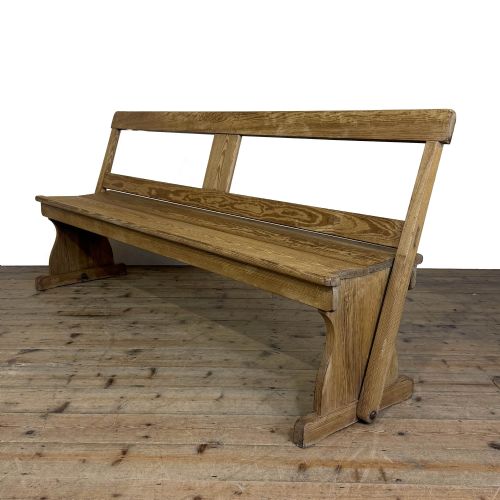
Antique Hallway Seat
An antique hallway seat welcomes visitors with sturdy timber, offering a practical spot to pause as you enter the home.
Antique Hallway Seat
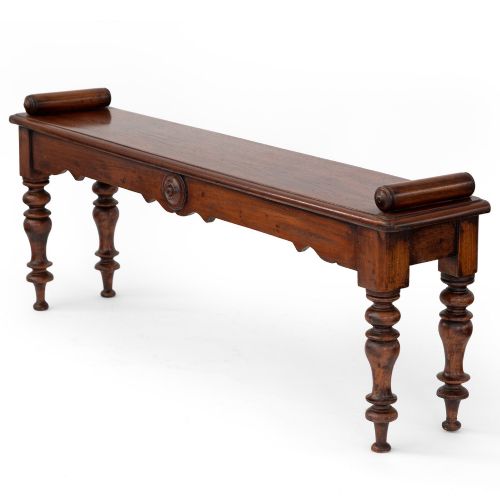
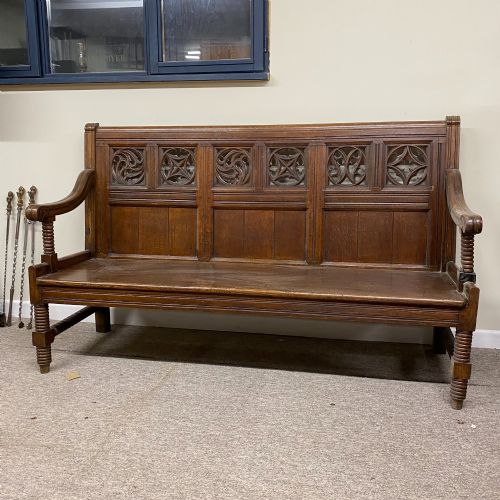
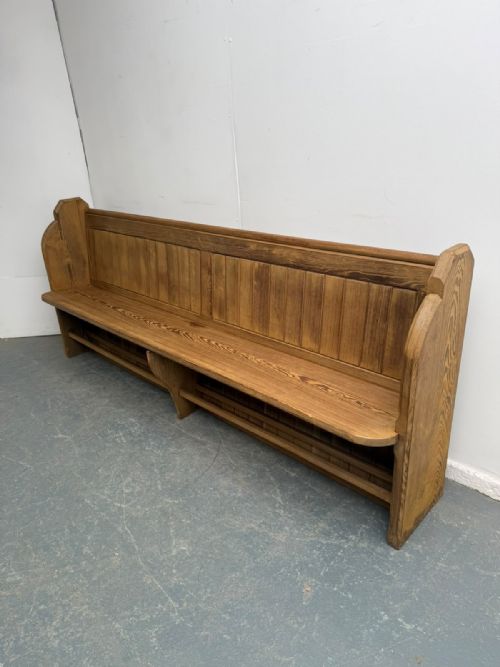
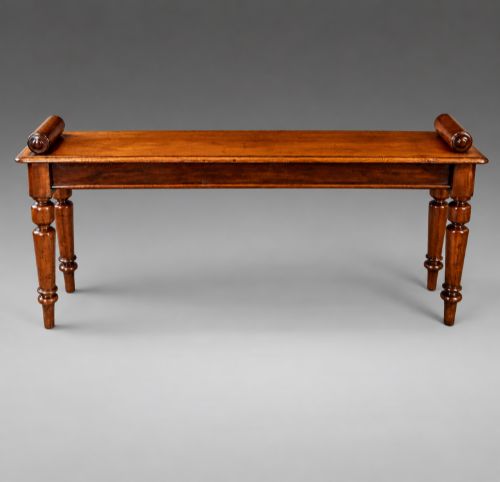
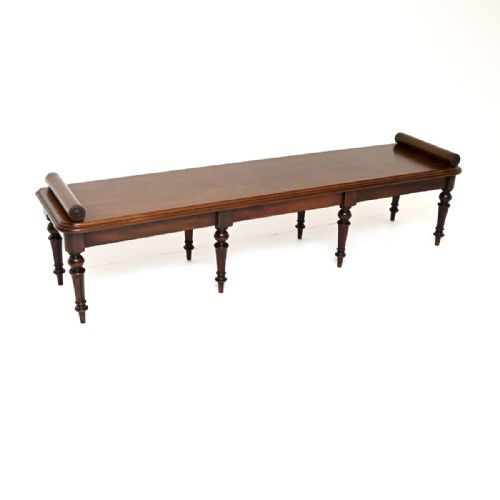
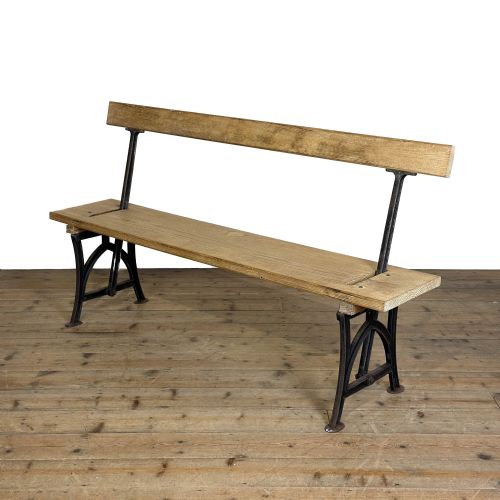
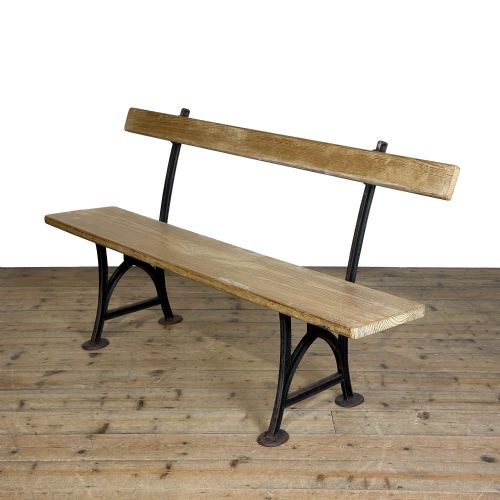
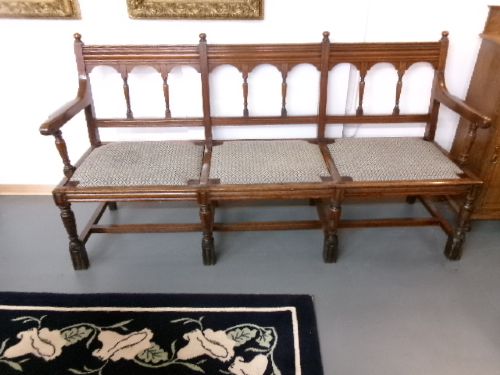
An antique hallway seat encompasses a varied group of timber benches, settles, box settles, and window seats designed for entrance spaces and corridors. Buyers searching for an antique hallway seat encounter forms ranging from rustic pine church pews and elm settles to mahogany window seats and carved oak benches.
The materials span oak, mahogany, pine, elm, walnut, and pitch pine, often paired with brass, iron, or fabric. Pieces appear across the 18th century, Georgian, Regency, Victorian, Edwardian, and early 20th-century periods, reflecting styles such as Gothic Revival, Jacobean Revival, and Arts and Crafts.
Box settles with lift-up seats and combined stick stands represent the multi-functional designs created for historical hallways. Slim country benches and church pews provide longer seating options suited to narrow entrance spaces.
Materials and construction
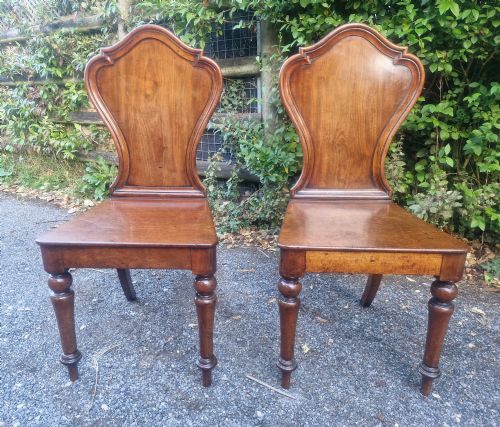
Carpenters utilised solid hardwoods and softwoods including oak, mahogany, pine, elm, and walnut to build these seating pieces. Construction methods relied on traditional joinery such as panelled backs, trefoil carved supports, and box storage compartments.
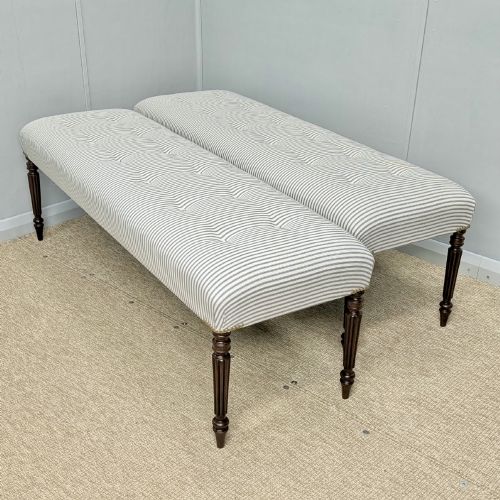
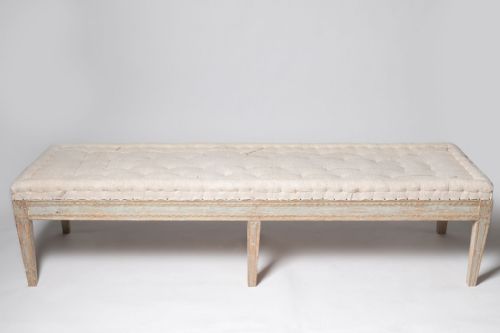
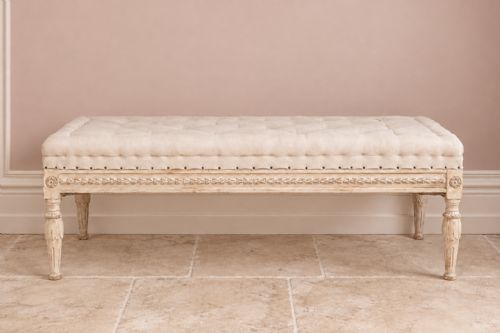
Surfaces feature waxed finishes, honey brown patina, and detailed carved decoration, while upholstered examples incorporate buttoned fabric and textile coverings like Robert Kime materials.
Antique Hallway Seat Retail Price Guide 2026
Typical asking prices for hallway seat among the pieces listed under this phrase on Sellingantiques today, from the lower quarter to the upper quarter. They describe what is for sale here now, not the wider market.
A carved Black Forest bear stands ready to hold hats and coats on its two-seat wooden bench.
Judging the execution
The standard of a piece rests on the selection of timber and the crispness of the carving, from simple country pine to figured mahogany and detailed oak relief work. Proportion and scale dictate how successfully a bench or settle sits within a hallway or corridor.
Original structural integrity and surface patination distinguish superior examples, particularly where box storage, hinged lids, and integrated stick stands survive intact without heavy alteration.
GIllows·Jas Shoolbred
The Antique Hallway Seat Glossary
- Settle
- A wooden bench with a high back, solid arms, and often a storage box beneath the seat. This form protected sitters from draughts in entrance halls.
- Church Pew
- A long wooden bench originally utilised in ecclesiastical settings, frequently fashioned from pine or oak. Domestic examples retain straightforward lines and sturdy proportions.
- Window Seat
- A low bench designed to sit within a window recess, often featuring mahogany or walnut frames. Victorian and Regency versions commonly display upholstered tops.
- Box Settle
- A bench featuring a hinged seat opening onto a storage compartment below. These dual-purpose items helped keep entrance areas free of clutter.
- Stick Stand
- An integrated rack or compartment designed for umbrellas and walking sticks, frequently incorporated into multi-functional hall furniture. They appear alongside seats and mirror frames in entrance pieces.
Antique Hallway Seat: Frequently Asked Questions
Where were hallway seats placed?
Historical hallway seats stood in entrance halls, vestibules, and corridors where visitors removed outerwear. They offered a convenient place to sit while changing footwear.
Larger country houses utilised box settles and church pews against wide corridor walls, while townhouses used neat mahogany window seats or slim elm benches.
How do I use an antique hallway seat today?
These seats serve modern entryways as practical places to put on shoes while providing hidden storage inside box compartments for scarves and small items.
Purchasers also place slender pine benches and oak pews in kitchens, boot rooms, and living spaces to add historical character.
How do I date an oak hall bench?
Dating relies on observing construction techniques, timber characteristics, and stylistic revival details such as Gothic trefoils or Jacobean panelling. Georgian and early 19th-century pieces display pegged joints and hand-planed surfaces.
Later Victorian and Edwardian examples often incorporate machine-cut elements alongside revival carving styles popular during those decades.