


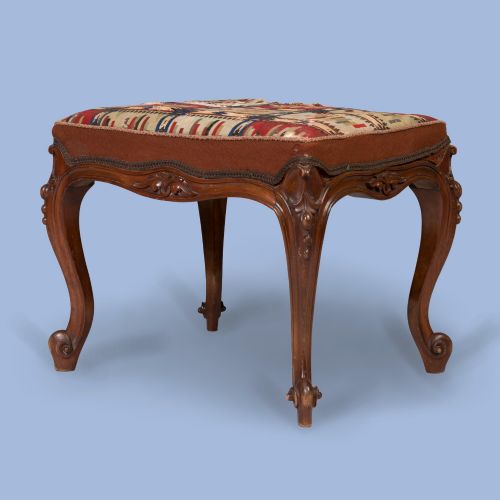
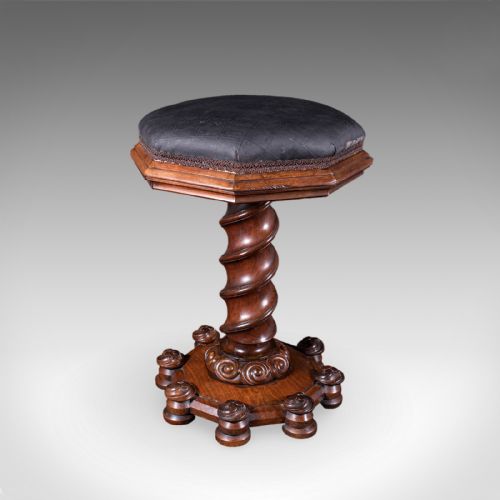
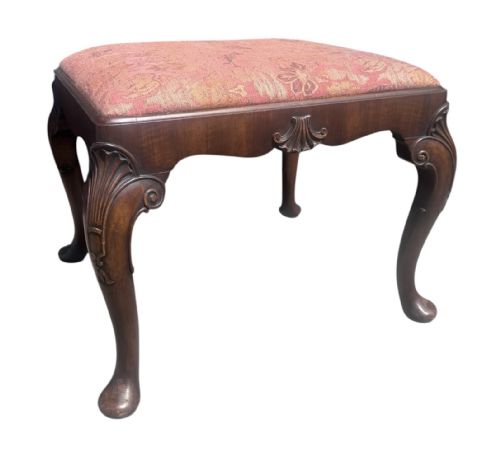
Brown Walnut Stool
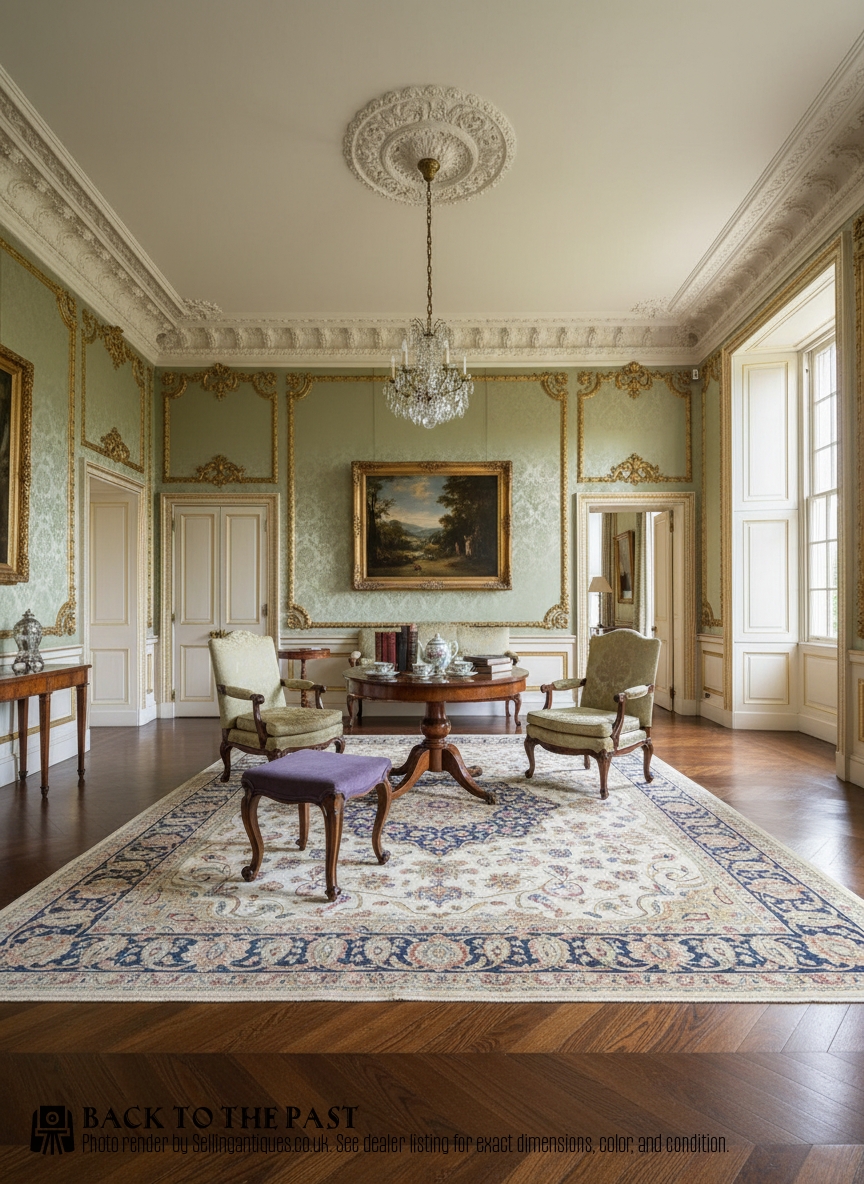
A brown walnut stool brings rich timber grain and period character to a room, ranging from compact piano seats to grand upholstered footstools.
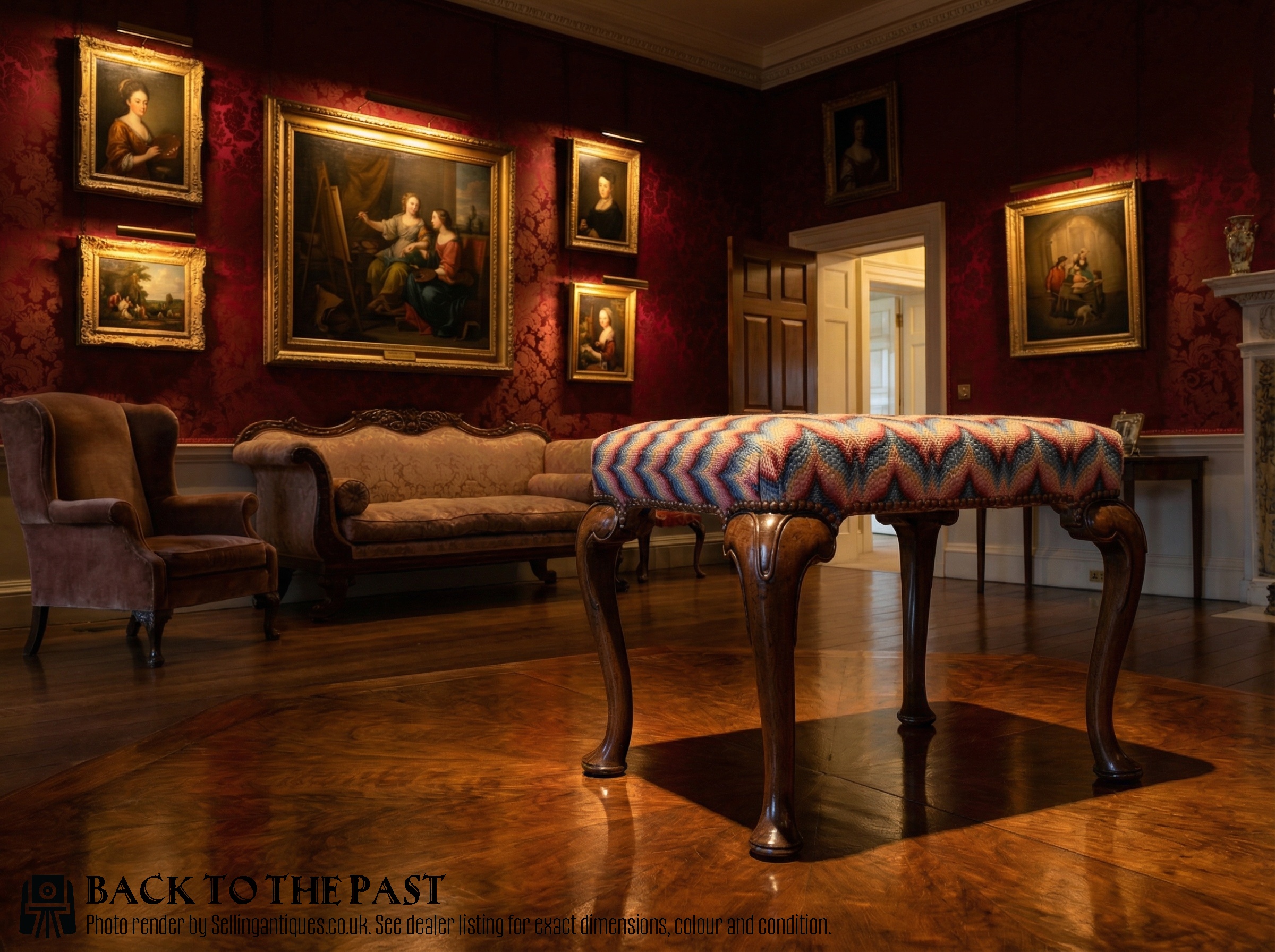
Brown Walnut Stool
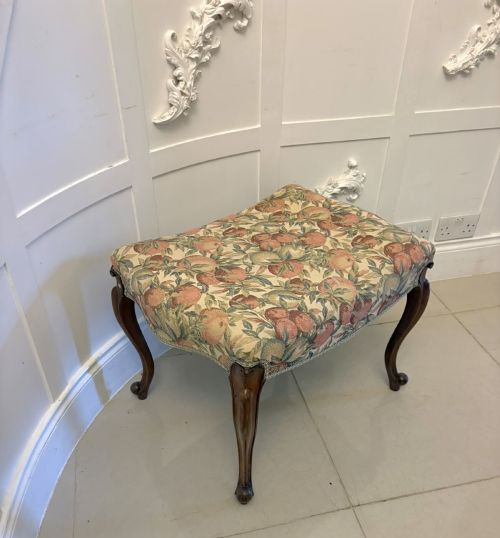
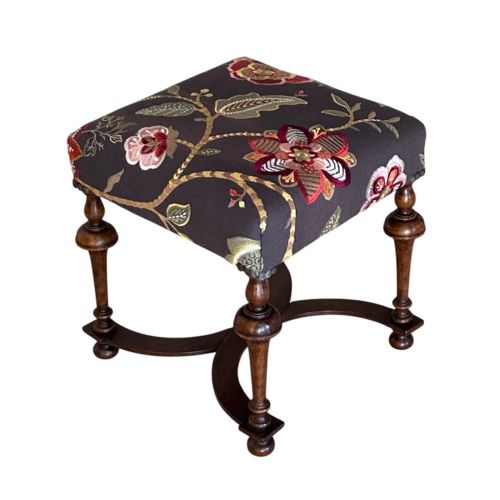
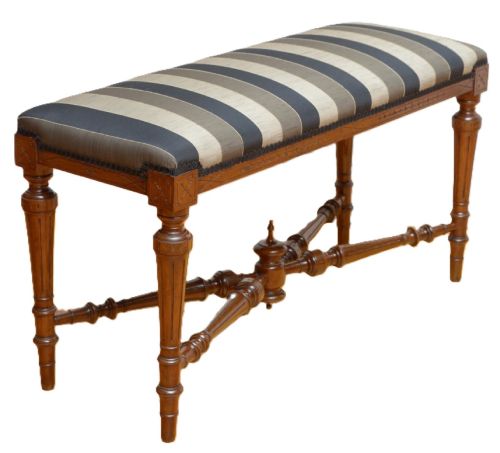
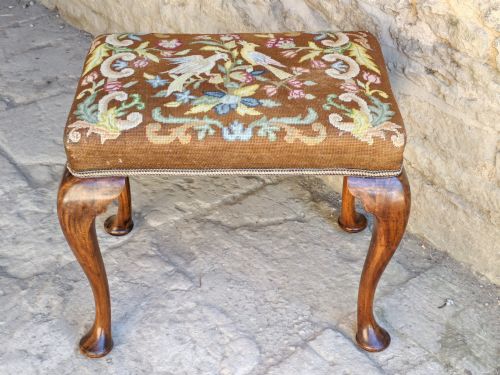
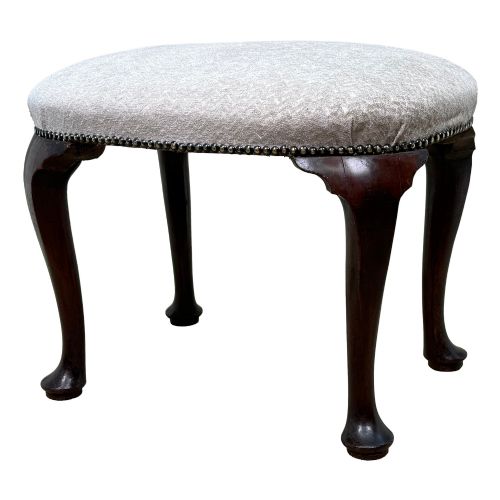
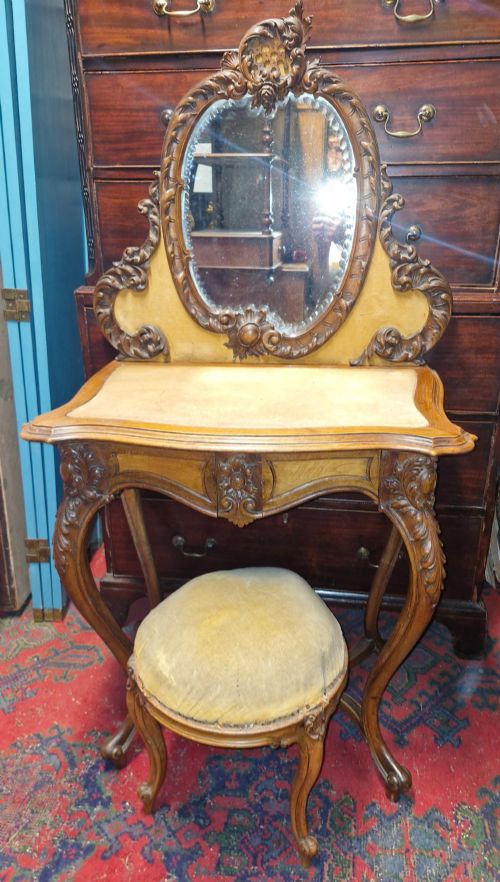
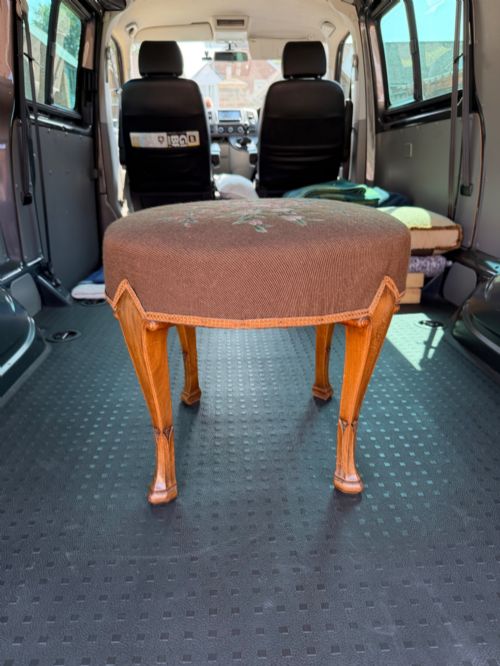
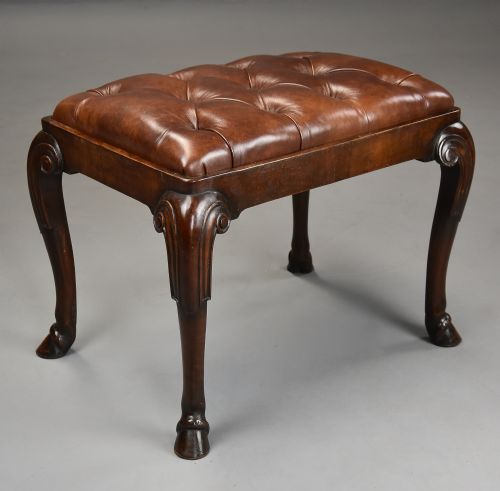
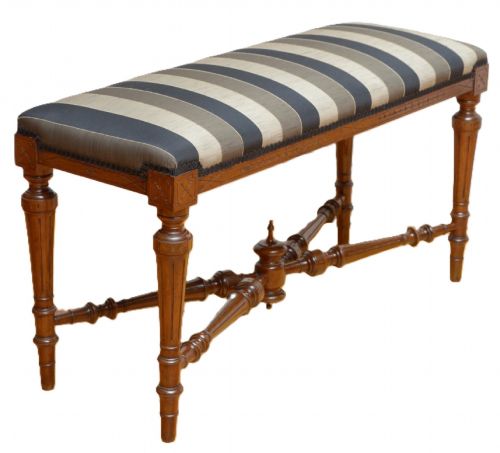
A brown walnut stool appears in various historical forms, from compact Victorian footstools and revolving piano seats to elegant 18th-century pieces following George I and Queen Anne styles. Buyers searching for a brown walnut stool will encounter diverse domestic functions, including dressing table seats, music risers, window benches, and low salon rests.
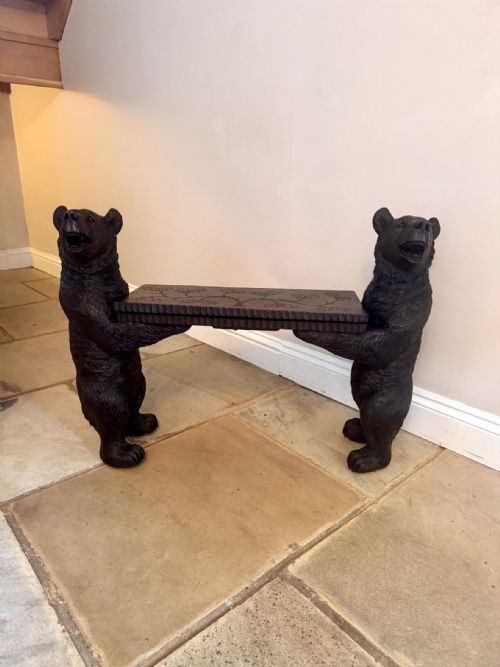
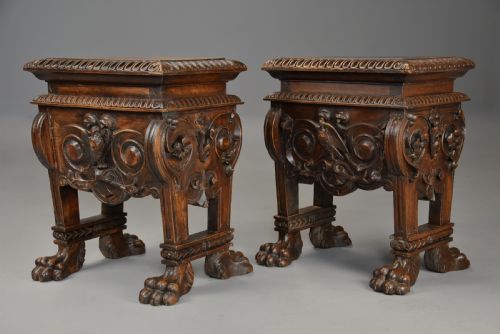
The selection spans centuries of craftsmanship, notably incorporating Victorian production alongside earlier periods and later revivals from the 1920s and 1930s. Plain rectangular frames sit alongside elaborate X-frame designs, carved cabriole legs, and Scottish Baronial examples.
Origins stretch across English workshops, Scottish makers, and continental European traditions, often pairing dense dark timber with period textiles. These pieces served practical seating and resting needs in period interiors, remaining adaptable for contemporary homes.
Materials and Construction
Makers utilised solid and figured walnut timber for the primary frames, applying carving, turning, and X-frame construction methods to achieve structural support. Figured veneers frequently appear on later dressing table and piano stool surfaces, highlighting the rich grain of the wood.
Upholstery forms a vital component of construction, combining traditional stuffing with surface coverings such as leather, velvet, tapestry, fabric, and needlework. Brass mechanisms appear on adjustable piano and revolving music stools, enabling height variation through functional iron and brass screws.
Brown Walnut Stool Retail Price Guide 2026
Typical asking prices for brown walnut stool among the pieces listed under this phrase on Sellingantiques today, from the lower quarter to the upper quarter. They describe what is for sale here now, not the wider market.
The inventory spans the 18th, 19th, and early 20th centuries, covering George I, Victorian, and Art Deco eras.
Distinctions in Quality
The refinement of timber carving and the crispness of detail separate standard production from superior examples, particularly on cabriole legs and framed borders. Early pieces display hand-carved depth and proportion that later revivals occasionally interpret with less sculptural nuance.
The integrity of the original upholstery and the survival of period-appropriate textiles influence desirability, alongside the smooth operation of mechanical height adjustments on piano and revolving music seats.
The Brown Walnut Stool Glossary
- Cabriole leg
- A furniture leg that curves outward at the knee and tapers inward toward the foot, often ending in a pad or scroll. This form draws inspiration from animal limbs and defines much of the Queen Anne style.
- X-frame
- A structural base formed by intersecting diagonal timbers that create an X shape when viewed from the side. This configuration provides robust support for ceremonial and domestic seating.
- Revolving stool
- A seat featuring a central threaded spindle that allows the top to turn for height adjustment. These pieces frequently served musicians and dressing rooms during the Victorian era.
- Scottish Baronial
- A 19th-century revival style incorporating robust proportions, heavy carvings, and vernacular architectural motifs. Pieces in this tradition display substantial presence and darker timber tones.
- Tapestry
- A heavy hand-woven or needleworked textile depicting figurative or geometric scenes, frequently utilised for period upholstery. Surviving examples retain historic hand-dyed wool and silk threads.
Brown Walnut Stool: Frequently Asked Questions
How do I date a walnut stool?
Dating relies on combining stylistic markers, construction techniques, and timber characteristics. Earlier pieces from the 18th century display distinct joinery and hand-carved details, whereas Victorian and 20th-century revivals utilise machine-assisted production.
Examining the secondary woods and upholstery foundations provides further clues to a piece's precise age.
Were piano stools adjustable?
Many period piano and music stools incorporate mechanical screw or rise-and-fall mechanisms operated by turning the seat top. These allowed organists and pianists to find the correct playing height.
Simpler fixed-height upholstered benches also served music rooms and dressing tables.
What is an X-frame stool?
An X-frame stool utilises intersecting diagonal wooden supports to bear weight, creating a sturdy architectural profile. This historic form dates back centuries and gained renewed popularity during the Victorian era.
Such pieces often feature carved terminals, animal heads, or upholstered drop-in seats.
How do I care for antique leather upholstery?
Preserving antique leather requires gentle cleaning and occasional conditioning with specialist wax or balms to prevent drying and cracking. Avoid harsh modern detergents and keep the leather away from direct heat sources and strong sunlight.
Original buttoned leather retains its character best with minimal, careful maintenance.
Can I use a footstool as a seat?
While low footstools and window seats were primarily designed for resting feet or short perches, sturdy Victorian salon and duet stools easily support regular sitting. Checking the structural stability of the frame and joints ensures safe daily use in a modern living space.
Larger benches and piano stools offer ample surface area for sitting comfortably.