
Vintage Piano Stool
A vintage piano stool offers practical seating by the keyboard, bringing period woodwork and textile upholstery into the room.
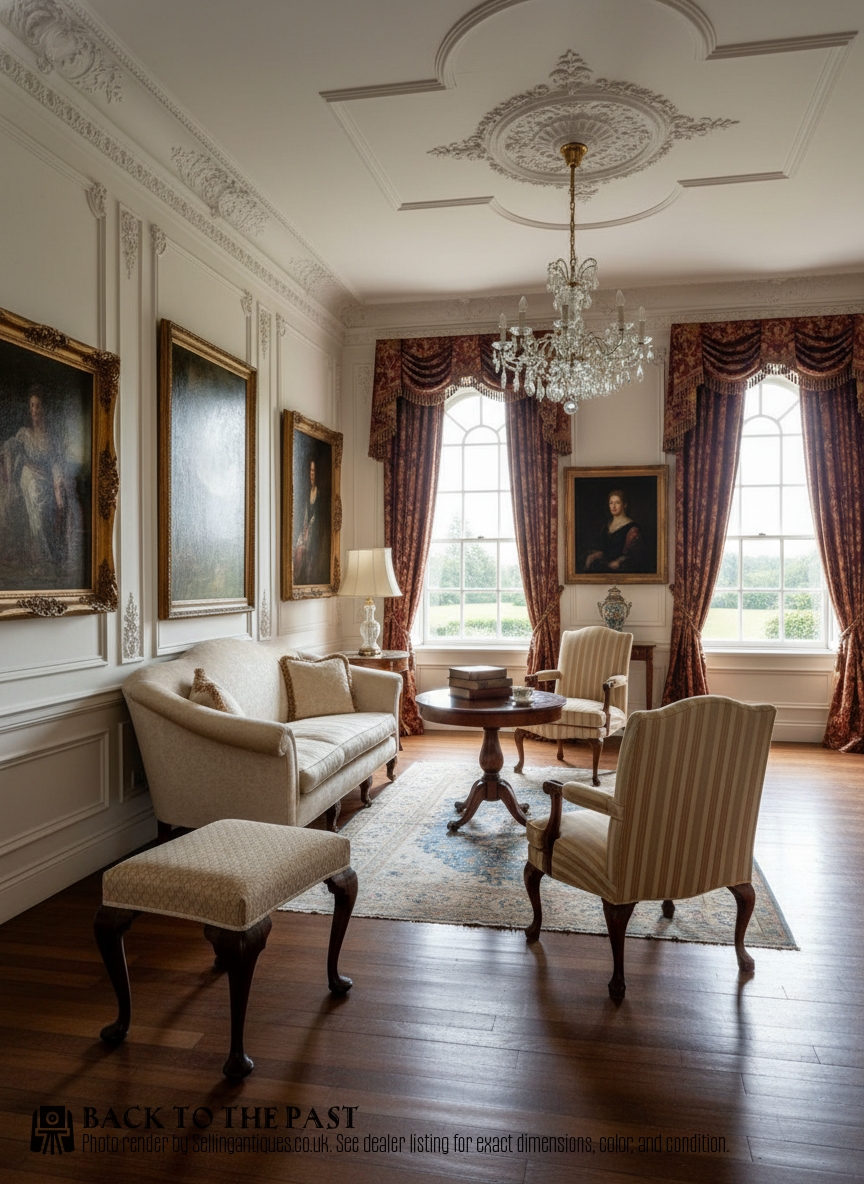
Vintage Piano Stool
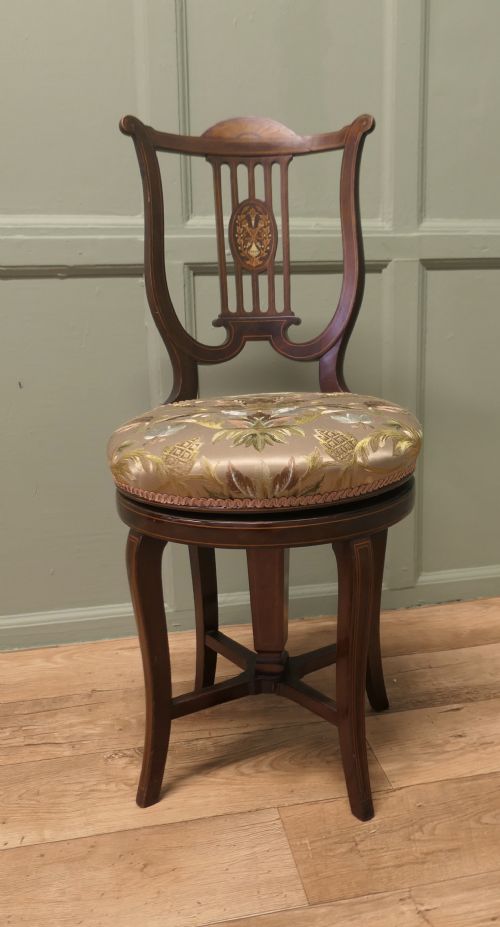
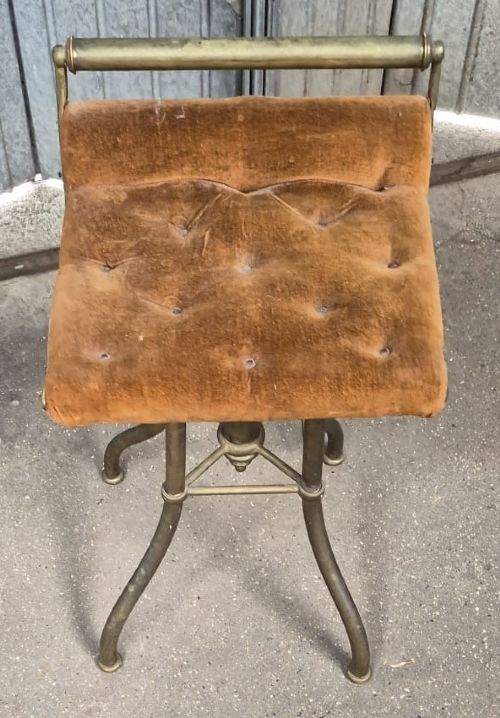
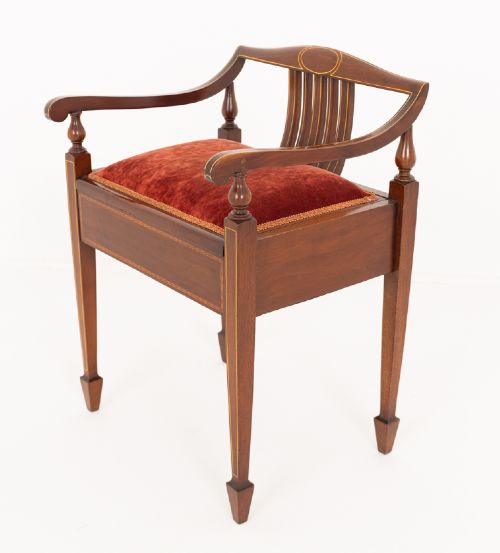
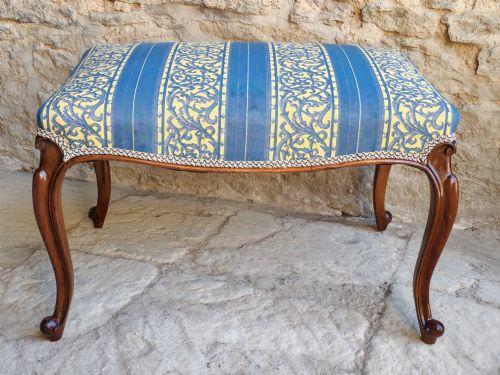
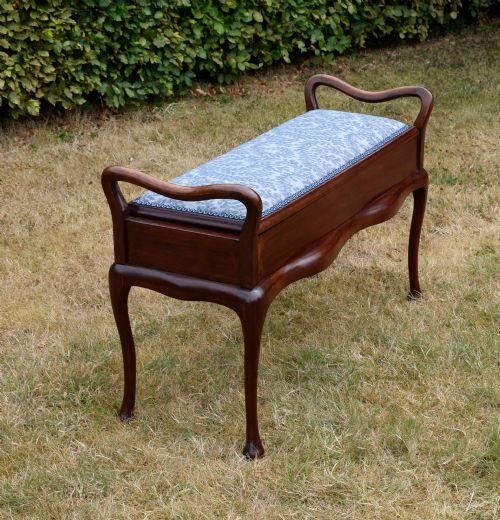
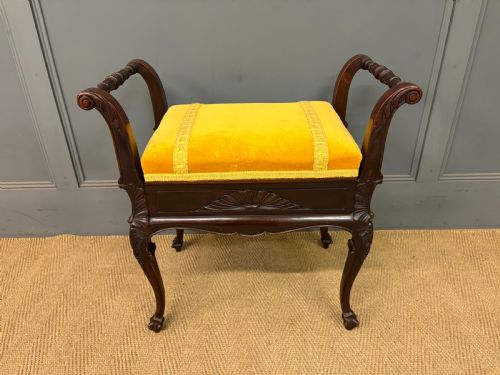
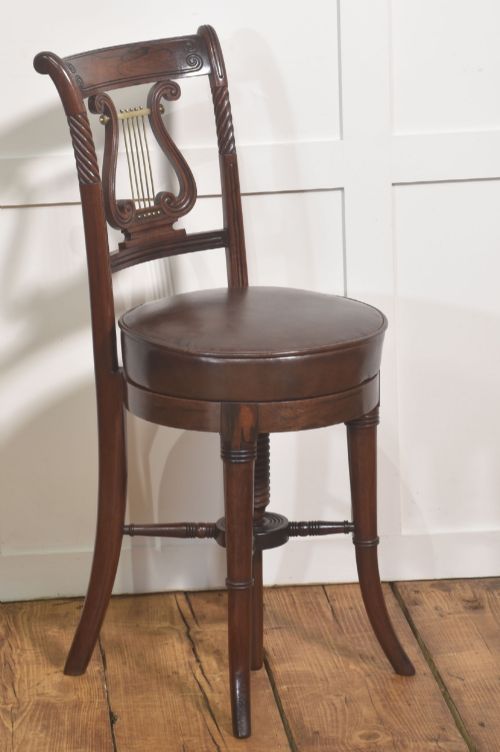
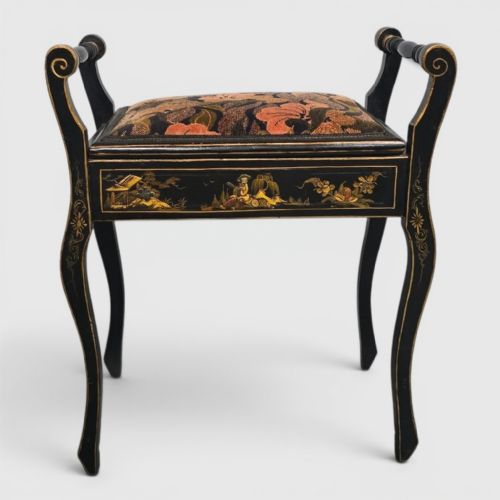
A vintage piano stool is a dedicated seat designed for use at a keyboard instrument, appearing across this selection in forms ranging from revolving music chairs to duet benches with storage. The pieces here span the Victorian, Edwardian, and Art Deco periods, alongside 19th-century examples, Regency pieces, and items from the 1920s and 1930s.
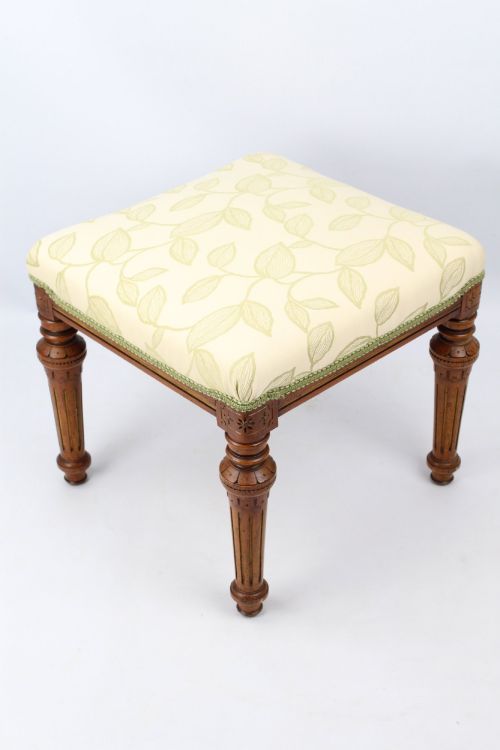
Mahogany and walnut form the primary wooden frames, while styles draw upon Georgian Revival, Sheraton Revival, William IV, and Queen Anne influences. Buyers also encounter brass, cast iron, and giltwood frames paired with varied upholstery including leather, velvet, tapestry, and needlework.
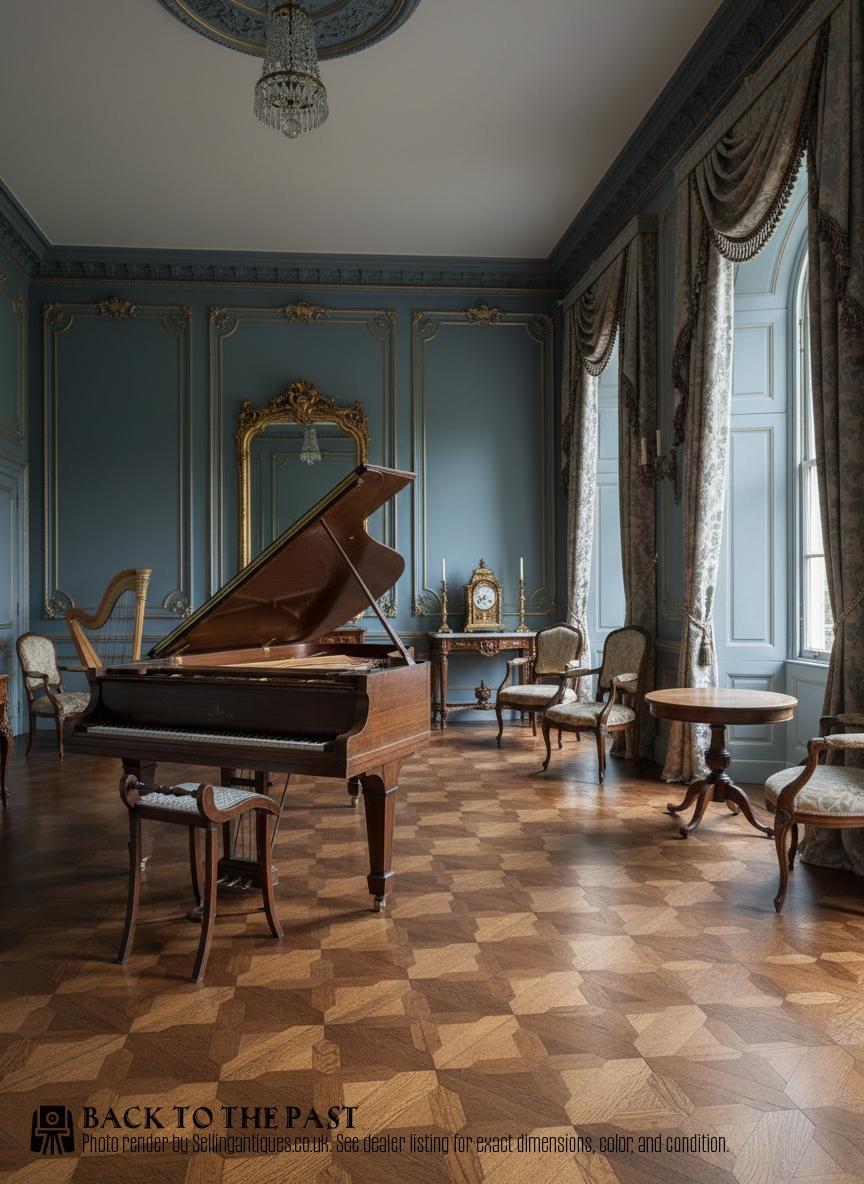
How they were made
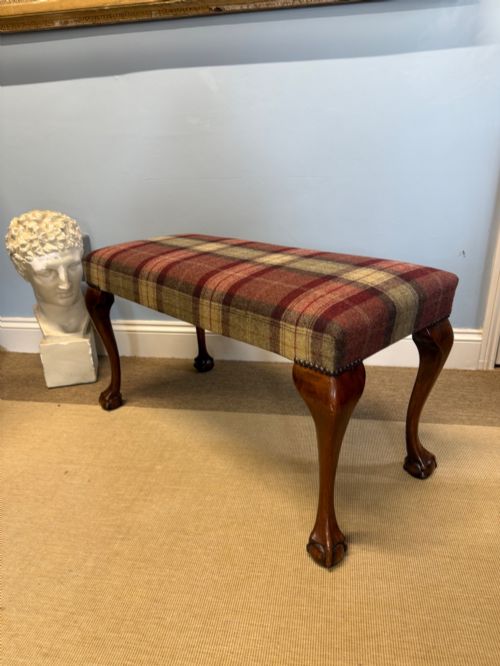
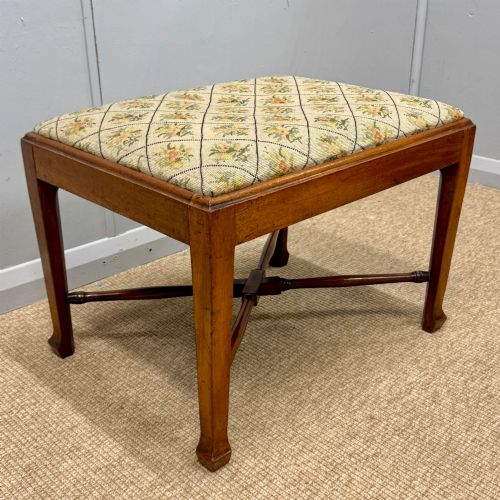
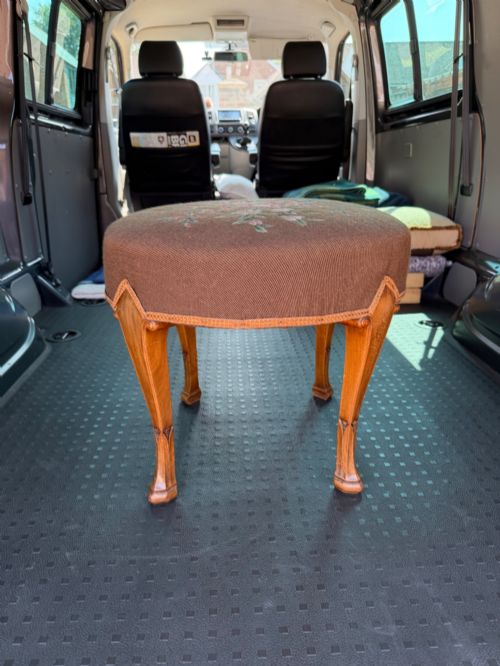
Cabinetmakers constructed the wooden frames from mahogany, walnut, and rosewood, frequently incorporating inlays, carved cabriole legs, or cross stretchers for stability. Brass mechanisms enabled the height adjustment seen in revolving music chairs and adjustable stools.
Upholstery techniques combined traditional textile covers such as tapestry, needle point, and velvet with supportive padding, while industrial examples utilised cast iron alongside wood.
Vintage Piano Stool Retail Price Guide 2026
Typical asking prices for vintage piano stool among the pieces listed under this phrase on Sellingantiques today, from the lower quarter to the upper quarter. They describe what is for sale here now, not the wider market.
Listings feature mahogany, walnut, and rosewood frames paired with leather, velvet, and tapestry upholstery across Victorian and Art Deco periods.
What varies in quality
Quality rests in the articulation of the timber and the sophistication of the design, distinguishing standard workshop pieces from those bearing refined details like lyre backs or intricate marquetry. The integrity of mechanical height adjusters and the execution of cabinetmaking joinery set the higher examples apart.
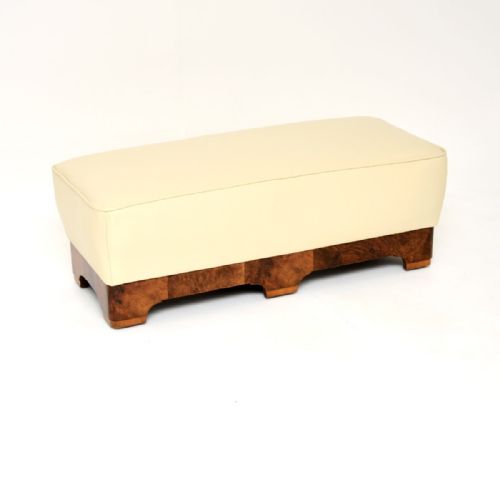
The choice of secondary materials, such as burr walnut veneers or cast brass framing, shifts the character of the piece. Upholstery materials range from simple textile coverings to detailed needlework and leather.
Harry and Lou Epstein·Gillows
The Vintage Piano Stool Glossary
- Revolving piano stool
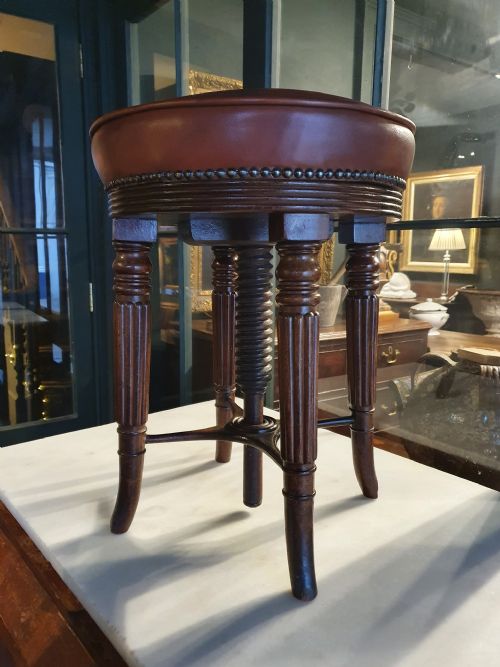
- A seat featuring a central screw mechanism that allows the top to spin and adjust in height.
- Duet piano stool
- An extended bench designed to accommodate two players side by side at the keyboard.
- Cabriole leg
- A furniture leg that curves outward at the knee and tapers inward toward the foot, often seen in walnut and mahogany.
- Cross stretcher
- Wooden bracing members intersecting between the legs to provide structural rigidity to the stool.
- Burr walnut
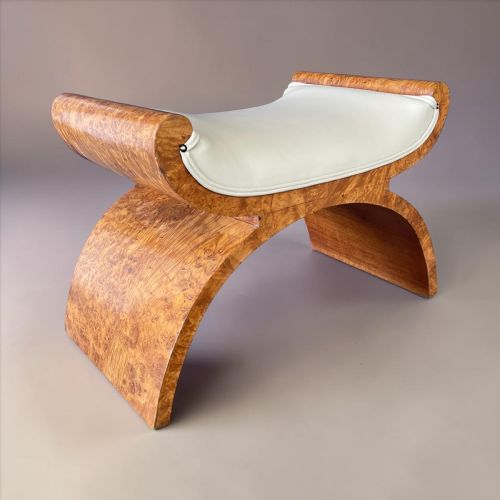
- Timber sliced from the burl growth of a walnut tree, prized for its swirling, decorative grain patterns on Art Deco frames.
Vintage Piano Stool: Frequently Asked Questions
What is a piano stool?
A piano stool is a specialised seat designed to provide comfortable, correct posture for a musician at the keyboard.
Many examples feature adjustable mechanisms to alter the seating height.
How do I date a piano stool?
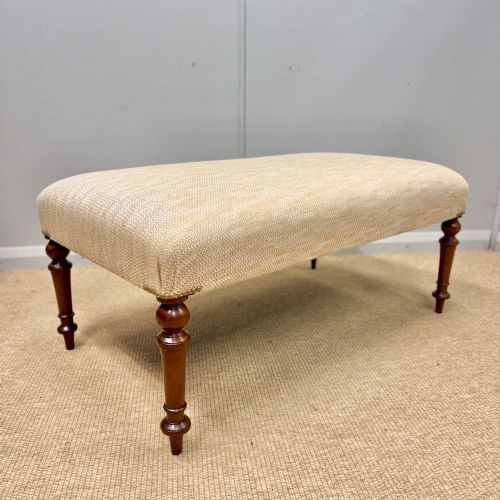
Dating relies on identifying stylistic markers such as Victorian turned legs, Edwardian inlays, or Art Deco burr walnut veneers.
Construction methods and timber choices also indicate the period of manufacture.
Are piano stools comfortable?
Most pieces feature upholstered seats padded with textile, leather, velvet, or needlework to ensure comfort during extended practice.
Duet versions offer wider seating areas for two people.
How do revolving stools work?
Revolving stools utilise a threaded central spindle that raises or lowers the seat when turned.
This mechanism allowed players to adjust their height before the widespread use of modern pneumatic levers.