
Carved Wood Stool
These carved wood stool options range from Moorish Revival to African tribal forms, offering solid oak, rosewood, and gilt-wood seating.
What carved wood stools are
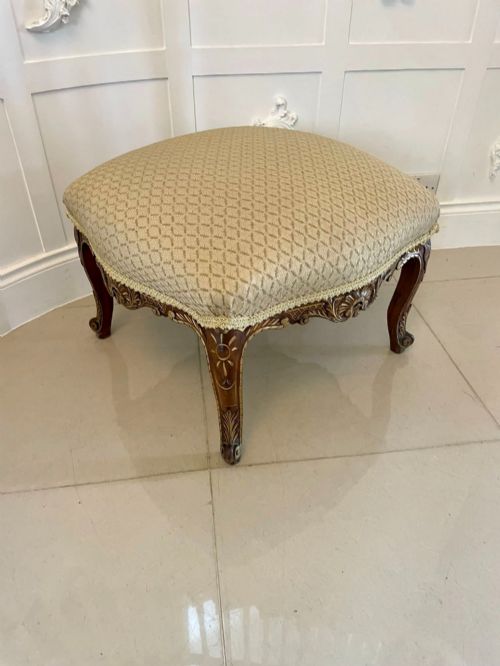
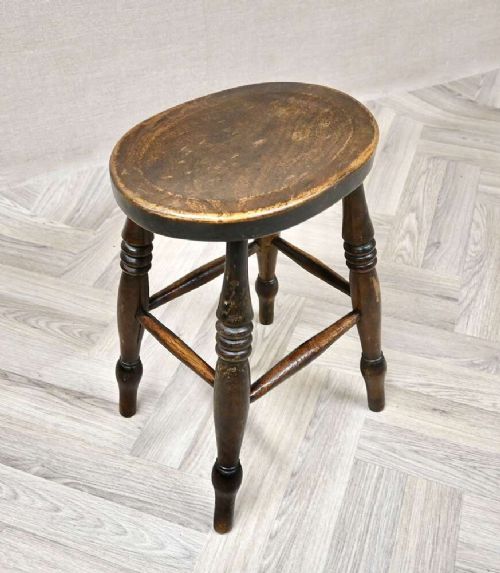
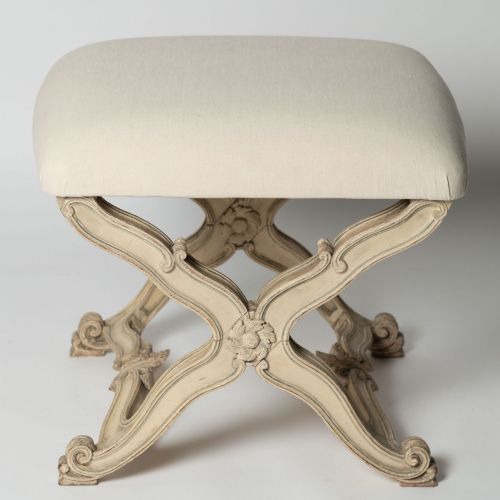
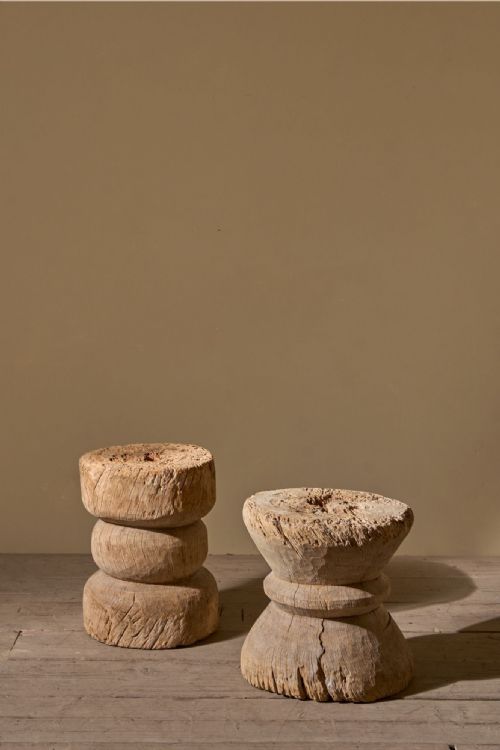
A carved wood stool is a compact seat or footrest fashioned from timber, appearing in forms from early joint stools to African tribal pieces and revival styles. Buyers seeking a carved wood stool encounter diverse historical periods spanning the nineteenth century through the early twentieth century.
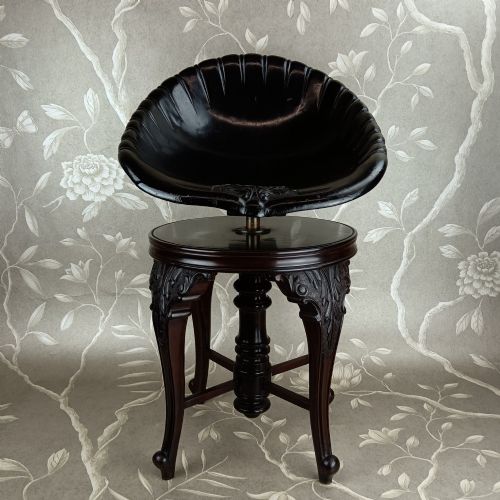
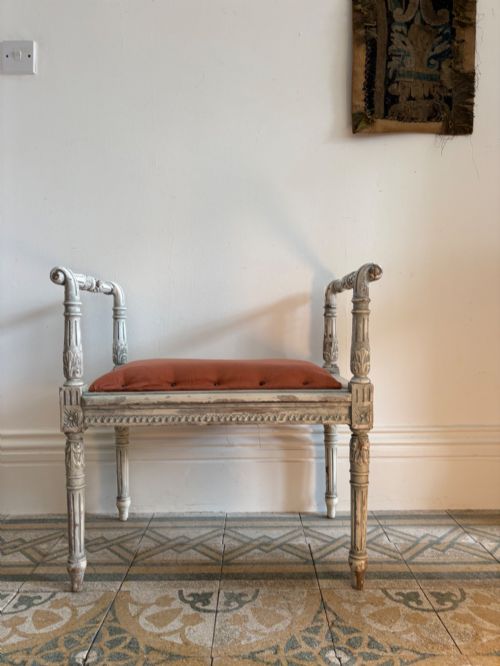
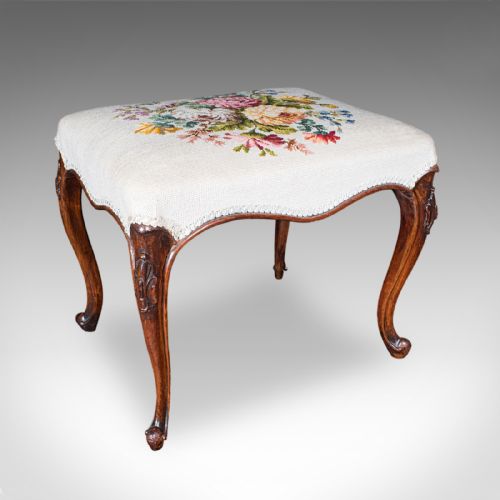
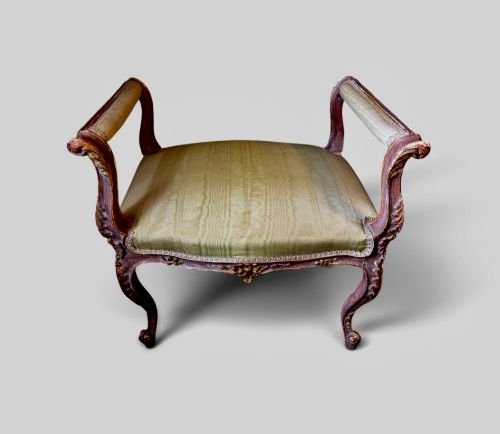
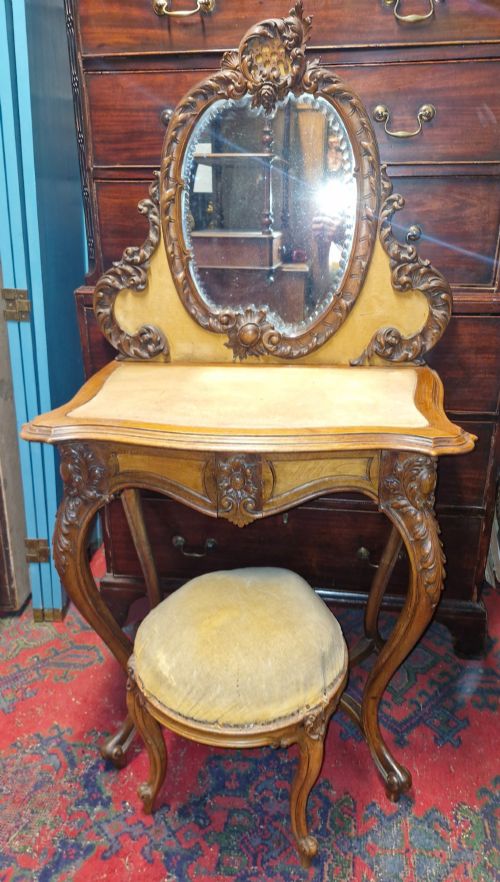
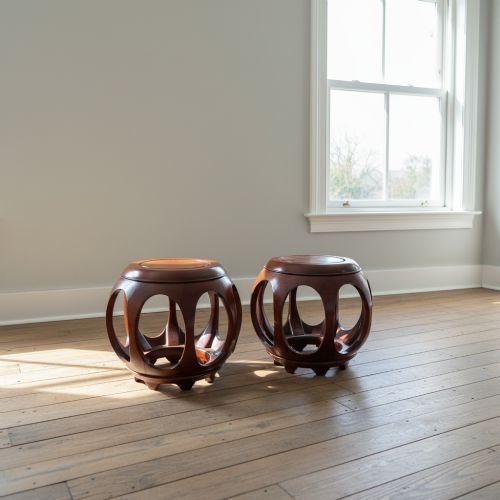
The selection includes low footstools, piano stools, and window seats alongside larger country house examples. Oak, rosewood, and hardwood provide the primary structural frames for these small seats.
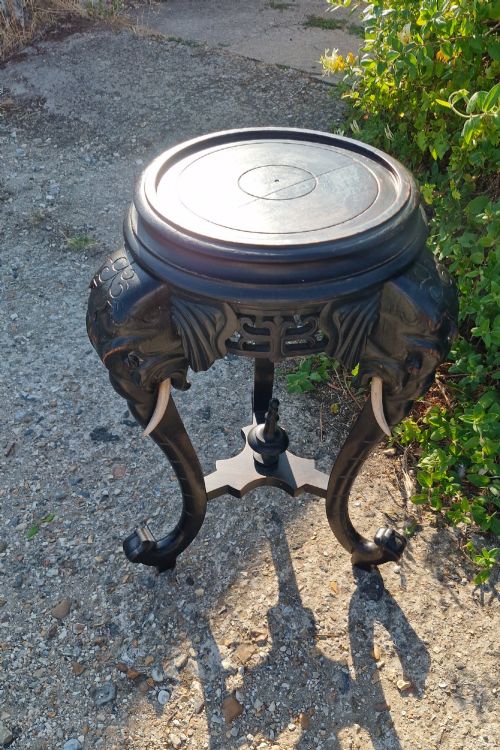
Nineteenth-century pieces dominate the record, alongside examples from the 1920s and 1930s. Regional influences extend from French and English revival designs to Moorish, Anglo-Indian, and Ashanti origins.
How they were made
Carpenters and cabinetmakers utilised solid timbers such as oak, rosewood, mahogany, satinwood, and hardwood. Artisans shaped these materials using hand-carving techniques to produce detailed ornamentation across frames and legs.
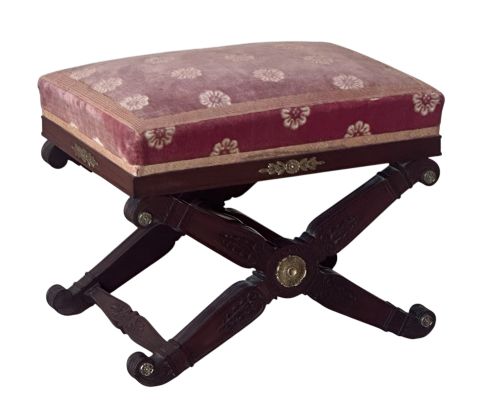
Construction methods include single-piece carving for tribal figures, traditional jointing for early oak stools, and gilt preparation over wood bases. Certain pieces incorporate brass hardware, leather, or textile upholstery.
Retail Price Guide 2026
Typical UK retail prices for carved wood stool, calculated from the Sellingantiques database of over a million retail prices indexed since 2003. This retail price guide relies exclusively on Sellingantiques data; no external sources or auction records are used, so the figures do not describe the wider market.
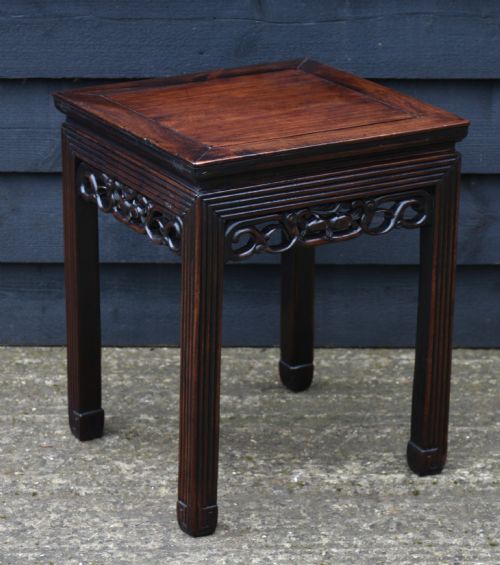
The archive shows extensive use of rosewood across nineteenth-century footstools and piano seats, often paired with needlework or gilt-wood.
What varies in quality
The depth and crispness of the carving separate standard examples from finer works, particularly where foliage, scrolling, or figural elements appear. Timber selection also dictates grade, with dense figured rosewood or early solid oak indicating superior manufacture.
Structural integrity depends on the original joinery, whether through pegged joints in early oak or stable frames in nineteenth-century rosewood and gilt-wood seating.
Liberty
The Carved Wood Stool Glossary
- Joint stool
- A low wooden seat constructed with mortise and tenon joints, common in early periods before the widespread use of upholstered chairs.
- Gilt-wood
- Timber coated with a thin layer of gold leaf or gold paint, frequently seen on decorative nineteenth-century French and English seats.
- Cabriole leg
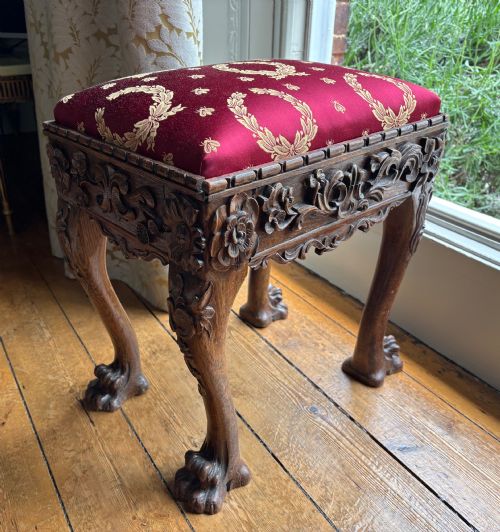
- A furniture leg that curves out and then in, resembling an animal's leg, often carved with knees and feet.
- X-frame
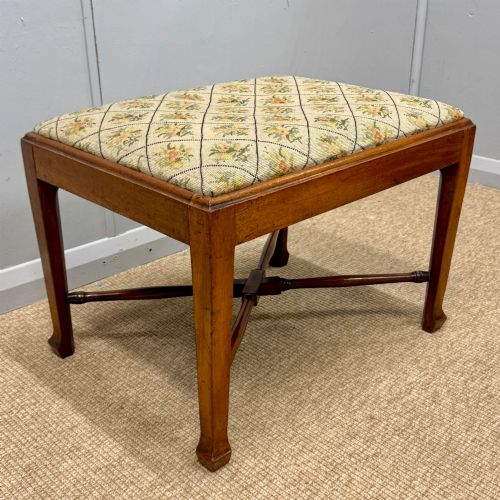
- A seating support structure formed by intersecting diagonal members creating an X shape when viewed from the side.
- Needlework
- Hand-stitched textile work utilised for seat covers and upholstery on period stools.
Frequently Asked Questions
What is an early oak joint stool?
An early oak joint stool is a sturdy seventeenth or nineteenth-century wooden seat joined with wooden pegs rather than metal nails. These pieces served practical domestic purposes in early households.
They display simple linear construction and heavy timber framing, reflecting the utilitarian needs of their period of origin.
Where do Ashanti stools originate?
Ashanti stools originate from Ghana and hold significant cultural and traditional status within the Ashanti community. They are carved from a single piece of wood, featuring a curved seat and a central column.
These pieces function as personal items of furniture and symbols of status for their owners.
What distinguishes Moorish revival stools?
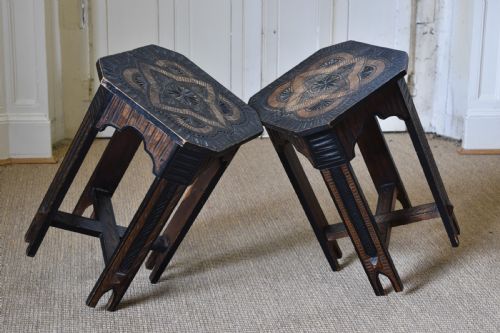
Moorish revival stools incorporate intricate geometric lattice carving and exotic wood elements inspired by Islamic architecture and design. Nineteenth-century makers adopted these patterns to satisfy European tastes for foreign aesthetics.
They appear frequently in sets, utilising detailed surface decoration across every visible wooden surface.