



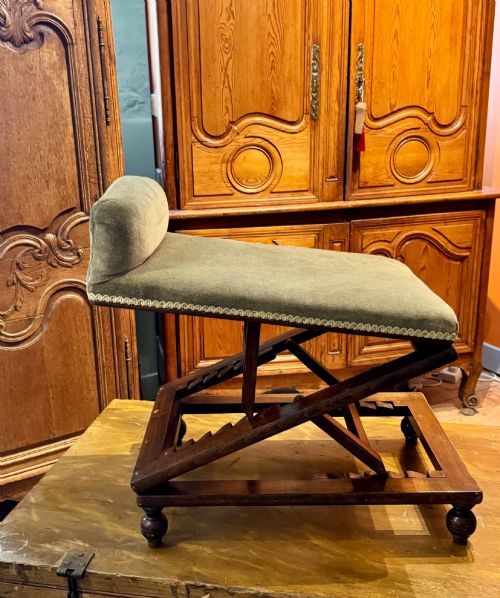

Green Upholstered Stool
A green upholstered stool brings immediate colour and texture to a room, offering low-profile seating that bridges functional utility and period charm.
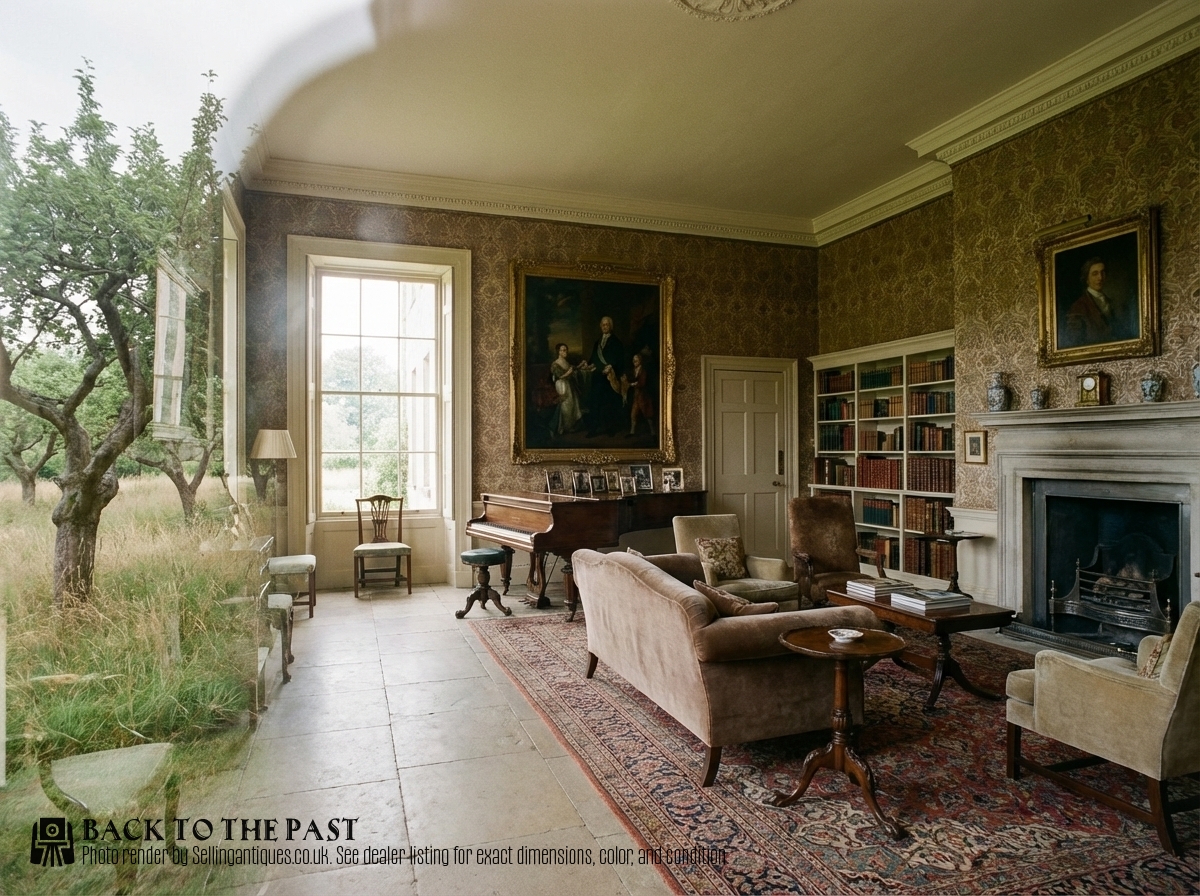
Green Upholstered Stool
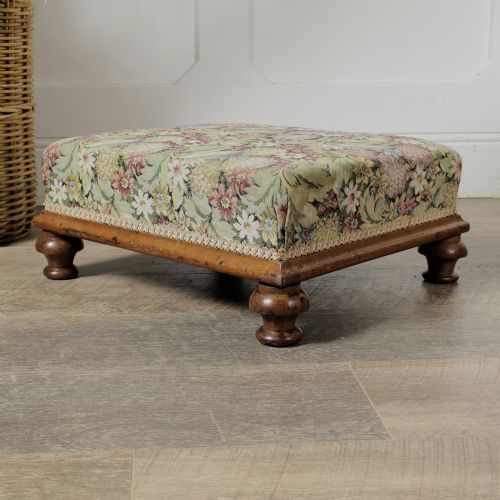
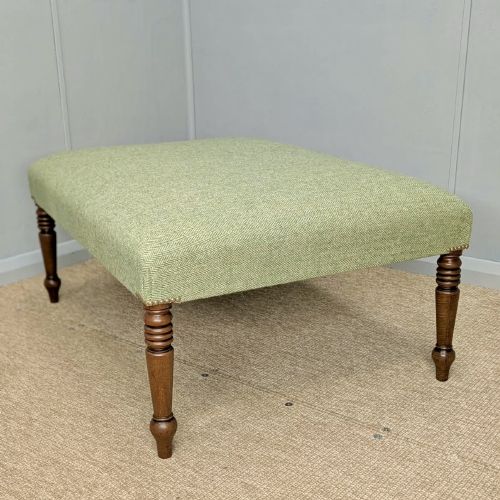
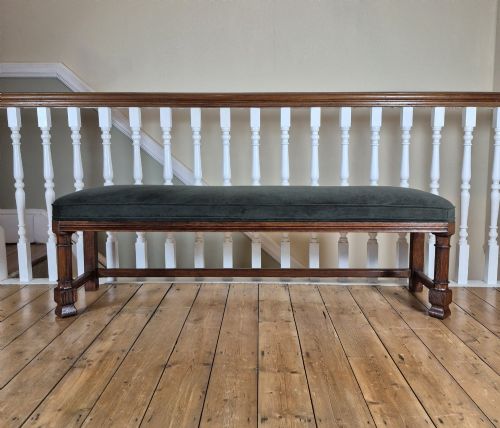
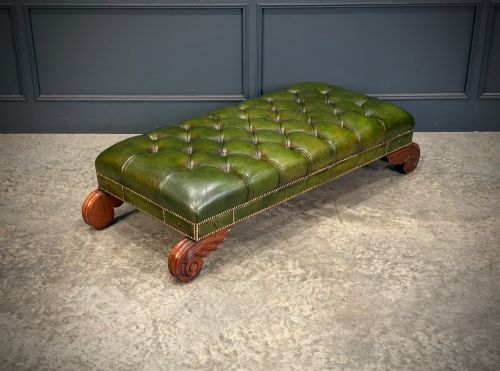
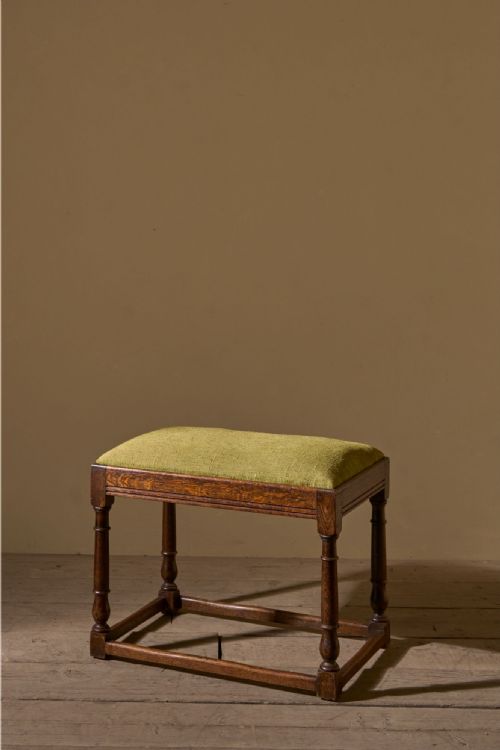
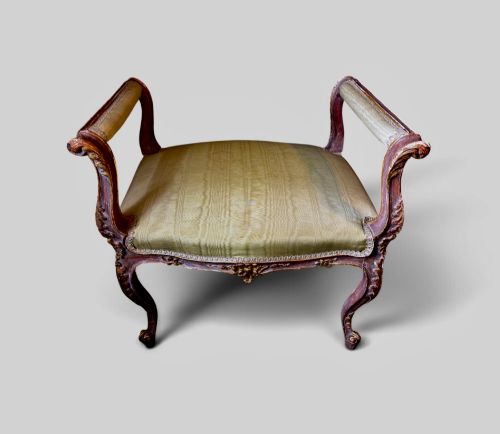
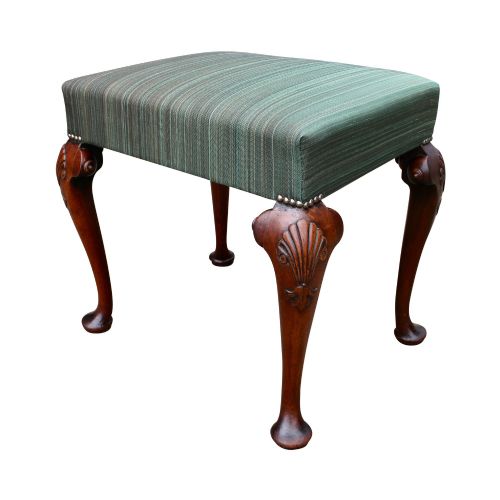
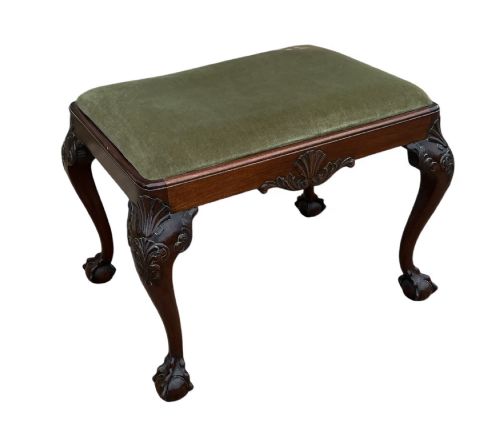
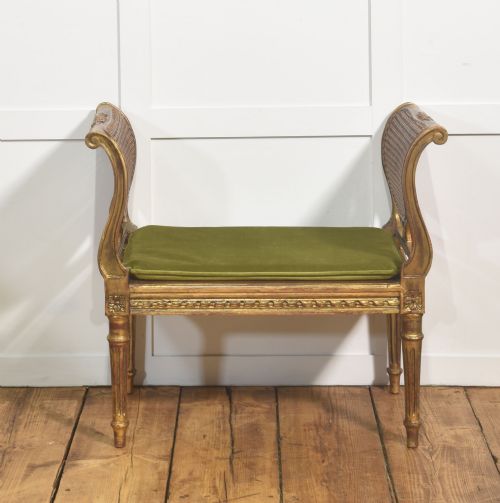
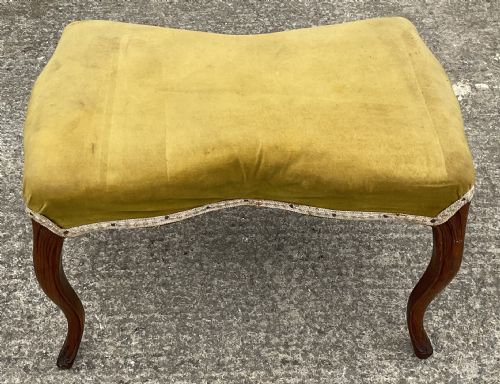
A green upholstered stool is a compact furnishing piece encountered in various forms across this selection, from low footstools to long benches and piano seats. These items serve multiple practical purposes around the home, functioning as footrests, window seats, or dressing table perches.
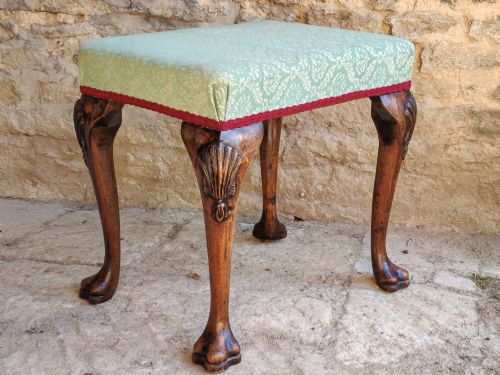
The pieces span numerous eras, with substantial representation from the nineteenth century alongside pieces from the Regency and Art Deco periods. Frame designs draw on traditional aesthetics like Queen Anne, Chippendale, and Gothic Revival, paired with green textile coverings.
Most examples rely on timber frames paired with fabrics ranging from plain linens to buttoned leather and velvet. The variety encompasses both English craftsmanship and continental origins, providing diverse options for interior placement.
Materials and construction methods
Timbers form the structural core of these items, with mahogany, walnut, oak, and rosewood appearing frequently alongside giltwood and stained beech. Artisans shaped these woods into turned, fluted, or carved legs, often employing joint work and spiral carving to articulate the frame.
Upholstery techniques secure the green textile elements to the wooden chassis, utilising materials such as leather, velvet, heavy linen, and needlepoint. Buttoning and decorative studs occasionally finish the edges, anchoring the fabric firmly to the internal padding.
Green Upholstered Stool Retail Price Guide 2026
Typical asking prices for green upholstered stool among the pieces listed under this phrase on Sellingantiques today, from the lower quarter to the upper quarter. They describe what is for sale here now, not the wider market.
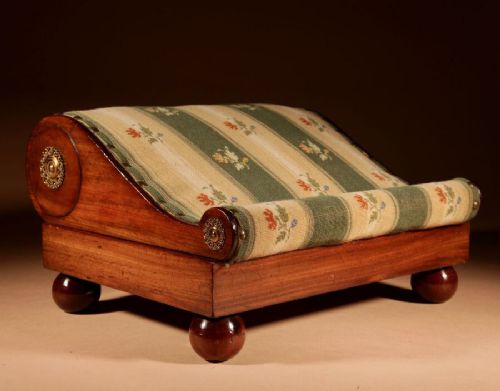
Some nineteenth-century occupants rested their aching feet on adjustable gout stools while reading the morning post.
Distinctions in construction and finish
Quality reveals itself in the rigidity of the timber frame and the precision of carved details such as fluting or foliate motifs. Superior examples display balanced proportions and tight joinery that endure daily weight bearing.
The grade of the upholstery materials and the neatness of the stitching influence the overall standard. Pieces retaining original textiles or utilising high-grade leather and velvet present a more cohesive historical character.
Harry & Lou Epstein
The Green Upholstered Stool Glossary
- Giltwood
- Timber coated with a thin layer of gold leaf or gilt powder. This finish appears frequently on decorative window seats and formal period frames.
- Gout stool
- A specialised footstool featuring an adjustable incline designed to elevate and support the foot of a person suffering from gout. These items often incorporate mechanical hinges.
- Window seat
- An elongated stool or bench scaled to sit comfortably beneath a domestic window recess. They frequently feature upholstered tops and polished wooden legs.
- Ottoman
- A padded seat or footstool lacking arms and a backrest, sometimes fitted with internal storage space. The form accommodates large textile surfaces.
- Joint stool
- A sturdy wooden stool constructed with mortise and tenon joints rather than turned legs. Early examples utilise solid oak in a straightforward domestic design.
Green Upholstered Stool: Frequently Asked Questions
Where should I place a green upholstered stool?
These compact pieces fit easily at the foot of a bed, beside a fireplace, or positioned underneath a dressing table. Their modest footprint allows them to move between rooms as additional seating is required.
In living spaces, a longer bench version works effectively beneath a window or parallel to a sofa. Smaller footstools serve beside armchairs to provide leg support without cluttering the floor plan.
How do I care for antique leather upholstery?
Leather surfaces require gentle cleaning with a dry or slightly damp cloth to remove dust. Avoiding direct sunlight prevents the green hide from drying out and fading over time.
Applying a specialist leather conditioner periodically helps maintain suppleness in older hides. Care must be taken around buttoned depressions where debris tends to accumulate.
Can I distinguish a Regency stool from a Victorian one?
Regency pieces often display classical influences such as fluted mahogany legs, sabre supports, and restrained classical lines. The overall aesthetic leans toward architectural symmetry and polished dark timbers.
Victorian items tend to embrace heavier upholstery, carved walnut frames, and stylistic revivals like Gothic or Rococo forms. Buttoned leather and elaborate woodwork become more prominent in this later era.
How are piano stools different from standard footstools?
Piano stools are specifically engineered for seating musicians at a keyboard, frequently incorporating height adjustment mechanisms or revolving seats. Their proportions match standard piano heights rather than low lounging.
Many examples include compartment storage beneath the seat for holding sheet music. The frames are built to withstand the shifting posture inherent in playing an instrument.