

Victorian Walnut Stool
A victorian walnut stool brings nineteenth-century warmth to any room, offering versatile seating crafted from rich timber and upholstered in traditional textiles.
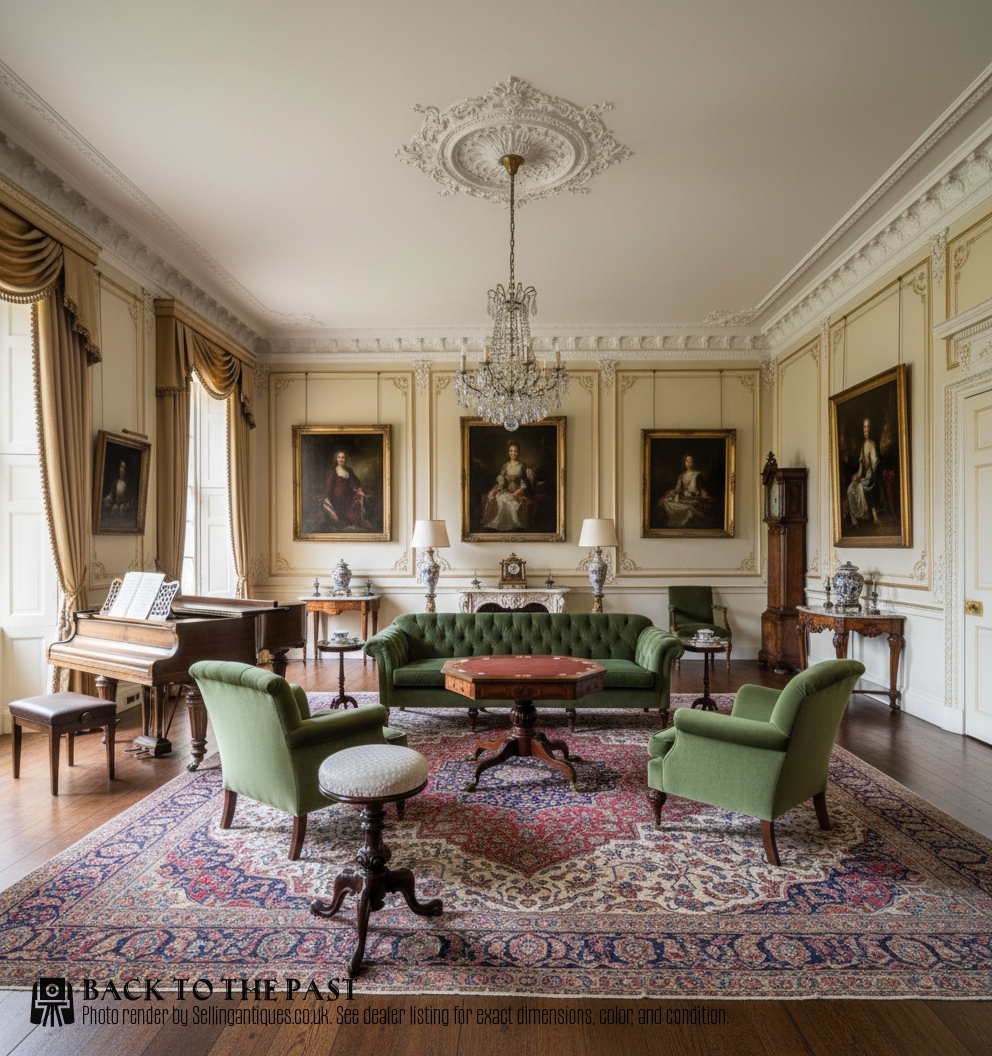
Victorian Walnut Stool
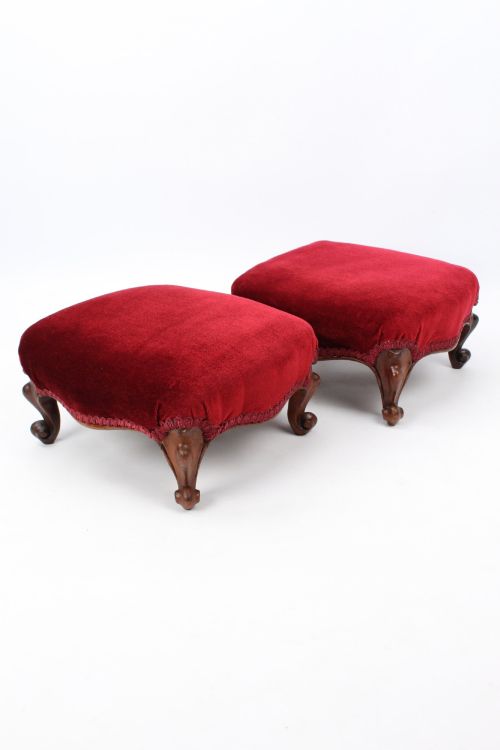
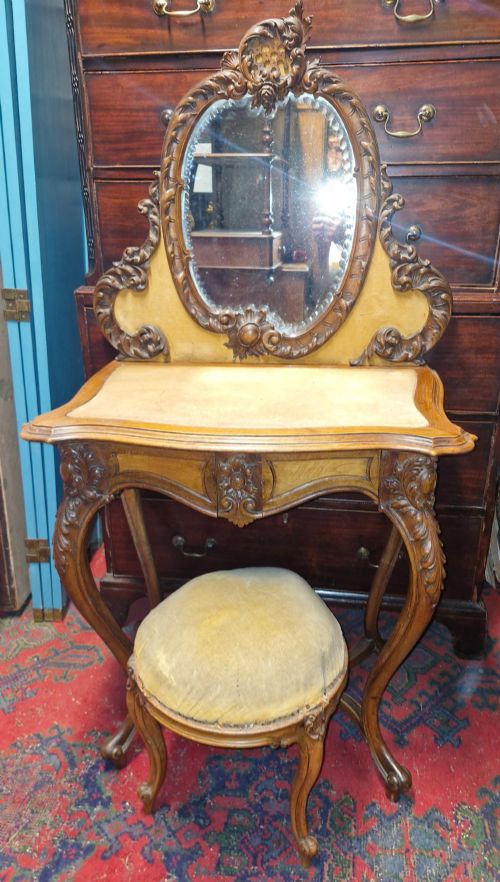
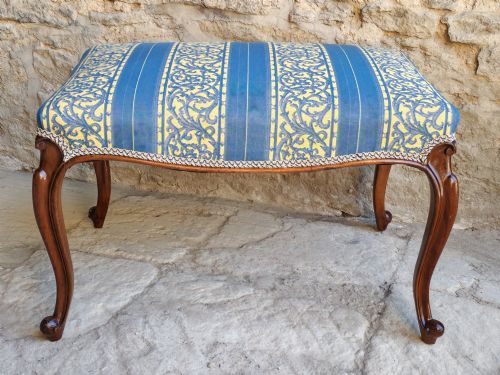
A victorian walnut stool encompasses a wide variety of domestic forms, ranging from low fireside footrests and long fender stools to piano seats and window benches.
Most examples date from the mid to late nineteenth century, reflecting the periods commonly found across these listings.
Buyers will frequently encounter standard footstools alongside revolving piano stools and X-frame dressing seats.
Materials and Construction
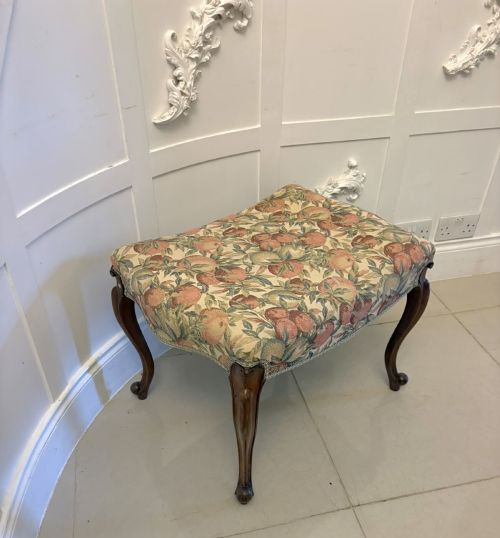
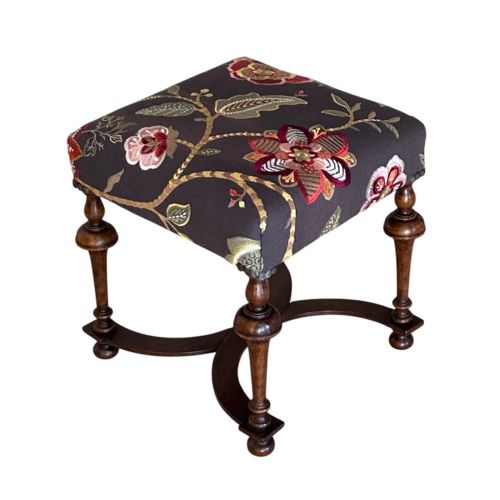
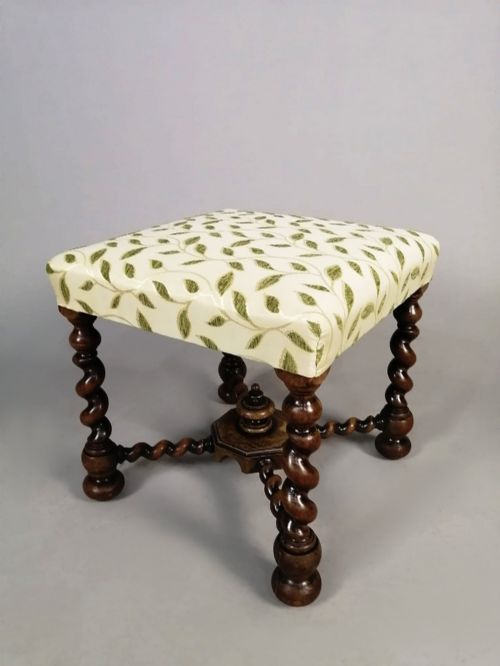
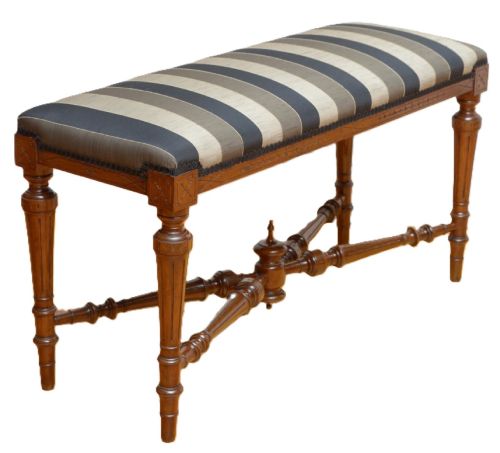
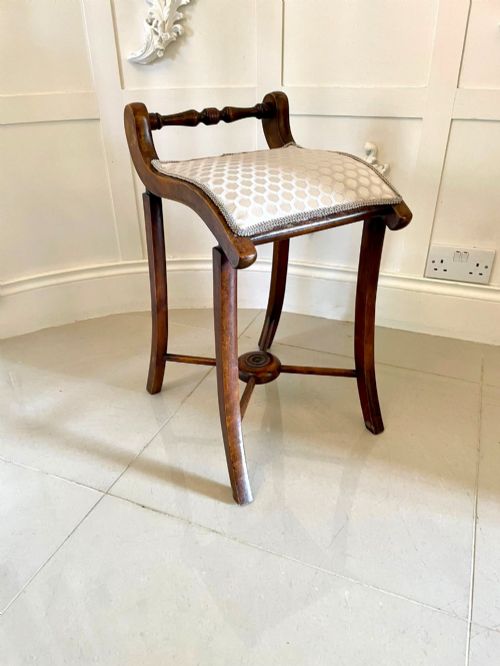
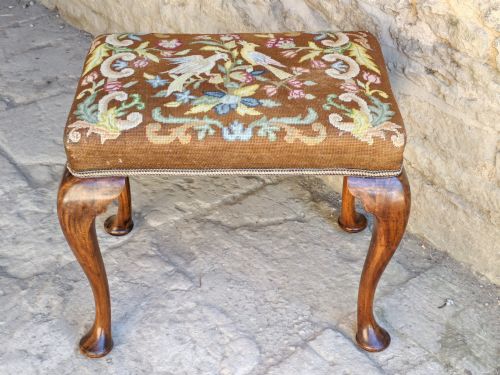
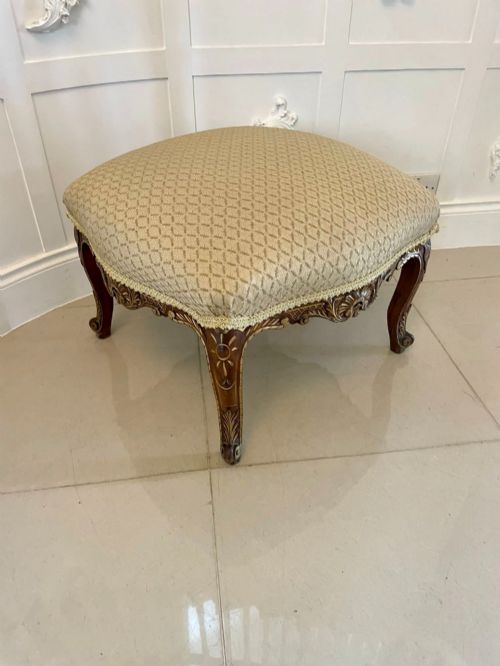
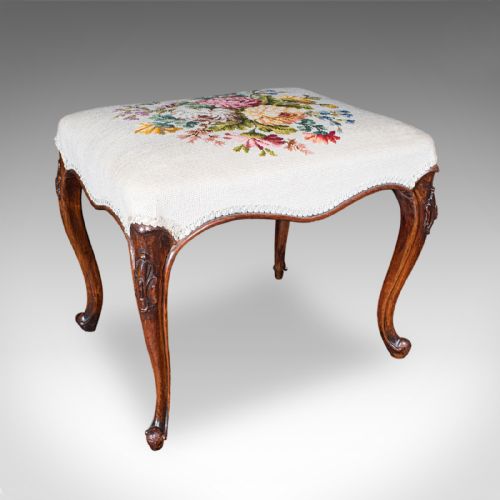
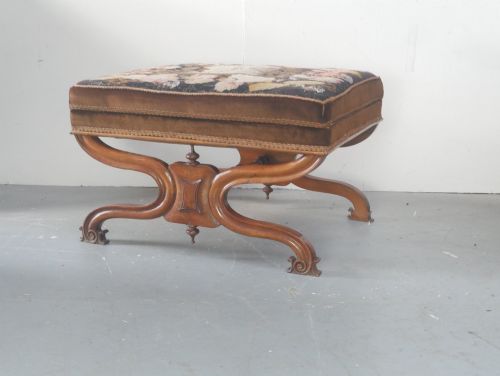
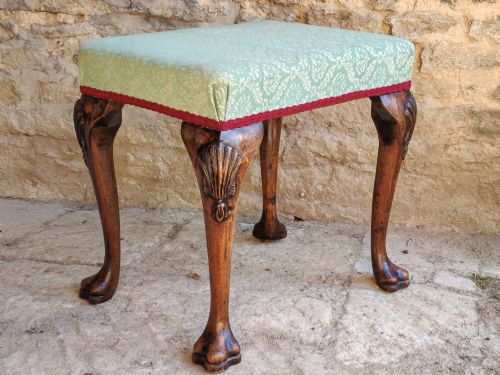
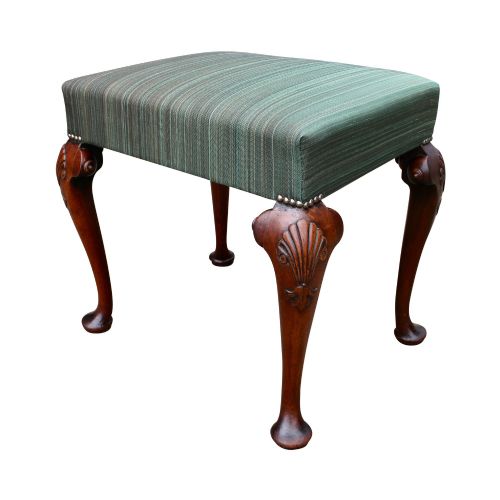
Frames are constructed from solid or figured walnut, often featuring carved cabriole legs, spiral turnings, or X-frame supports.
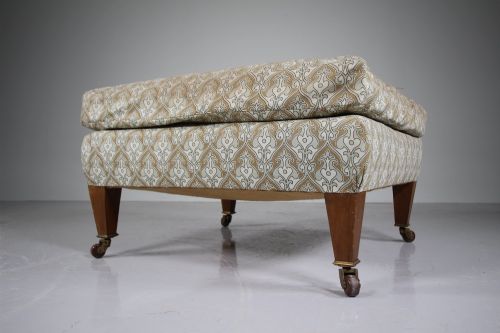
Upholstery relies on traditional materials such as wool, velvet, leather, tapestry, and needlepoint, secured with brass detailing or buttoning.
Victorian Walnut Stool Retail Price Guide 2026
Typical asking prices for victorian walnut stool among the pieces listed under this phrase on Sellingantiques today, from the lower quarter to the upper quarter. They describe what is for sale here now, not the wider market.
Chapel organists and Victorian pianists relied on these revolving walnut seats to keep the tempo moving.
Evaluating Craftsmanship
Quality rests upon the depth of the timber carving, the crispness of details like cabriole legs, and the rigidity of the underlying frame joints.
Upholstery choices also dictate distinction, with hand-dyed leathers, needlepoint, and period-appropriate textiles marking out finer examples.
The Victorian Walnut Stool Glossary
- Cabriole leg
- A furniture leg that curves outward and then tapers inward, typical of revival styles seen on these seats.
- Fender stool
- A long, narrow footstool designed to sit in front of a hearth fireplace.
- X-frame
- A structural base formed by two intersecting curved or straight wooden members supporting the seat.
- Needlepoint
- A type of canvas work embroidery frequently utilised for historic stool upholstery.
- Revolving stool
- An adjustable seat featuring a mechanism that allows the top to spin for height alteration.
Victorian Walnut Stool: Frequently Asked Questions
Were these stools used only for pianos?
While many examples were designed specifically as piano or music stools with adjustable height mechanisms, the majority served diverse domestic functions.
Other forms include dressing table seats, fireside footstools, and window benches.
What upholstery materials are authentic?
Authentic nineteenth-century upholstery utilised traditional textiles such as wool, velvet, tapestry, needlepoint, and leather.
Many pieces also feature period buttoning or brass decorative elements.
How do I integrate a historic stool into modern rooms?
These compact pieces work well as low coffee tables, fireside footrests, or window seats in contemporary spaces.
Their rich timber tones and tactile fabrics add texture without dominating a room.