


Antique Hearth Stool
An antique hearth stool brings low, fire-side seating and warm materiality to a room, drawing on centuries of domestic comfort.
Antique Hearth Stool
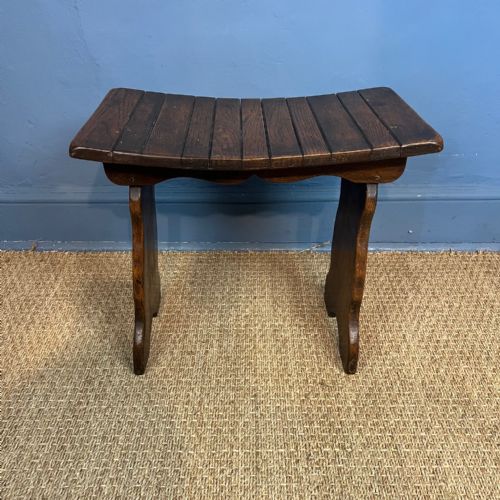
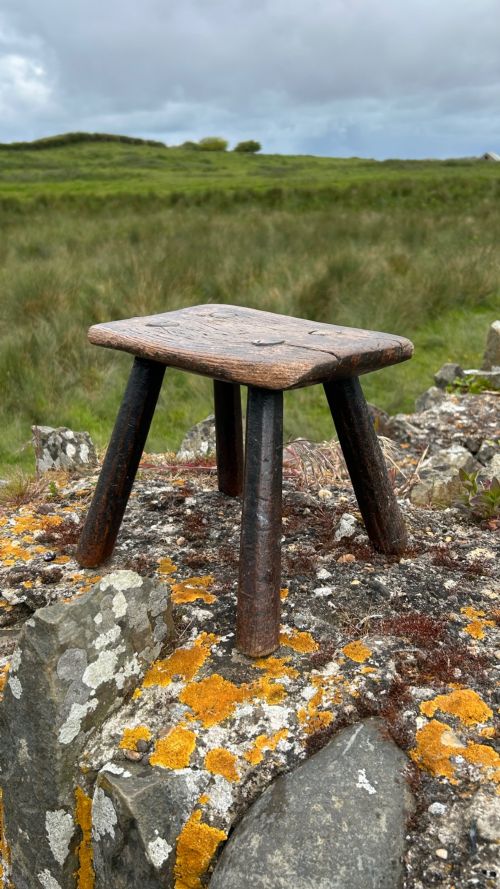
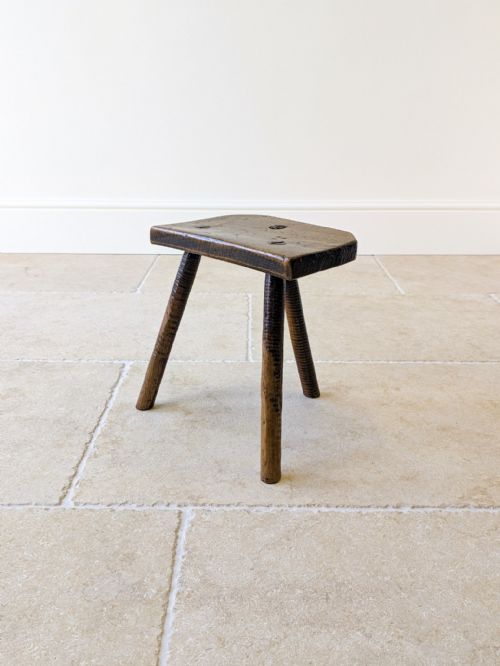
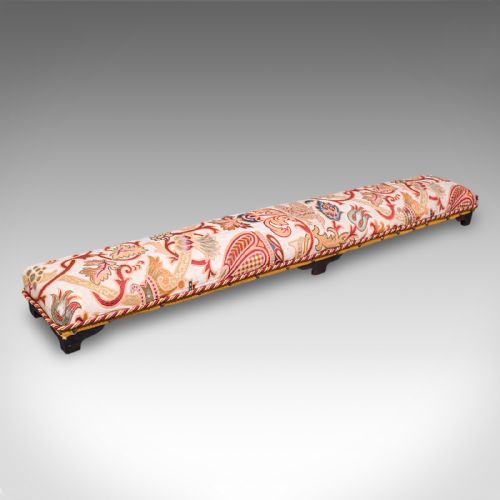
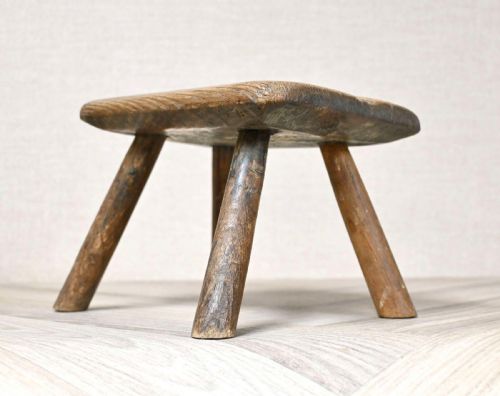
An antique hearth stool is a low seat or footrest designed to sit comfortably by a fireplace, often taking the form of long fender stools or compact footstools. The pieces available here span from the Georgian period through the Victorian era into the early twentieth century, showing both country-house proportions and robust regional craft. A buyer will encounter low country designs alongside longer walnut and mahogany frames built for fireside service.
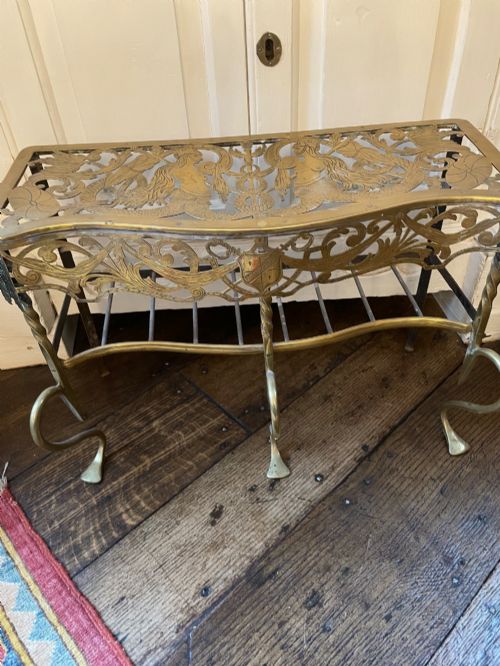
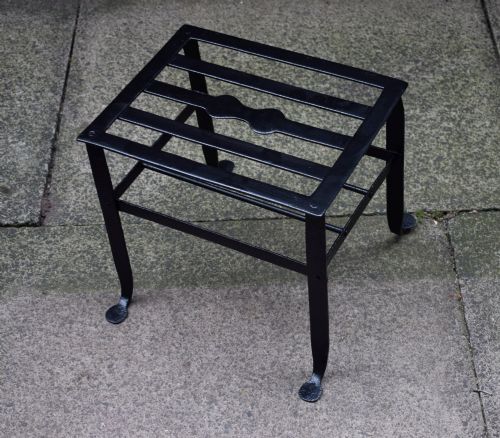
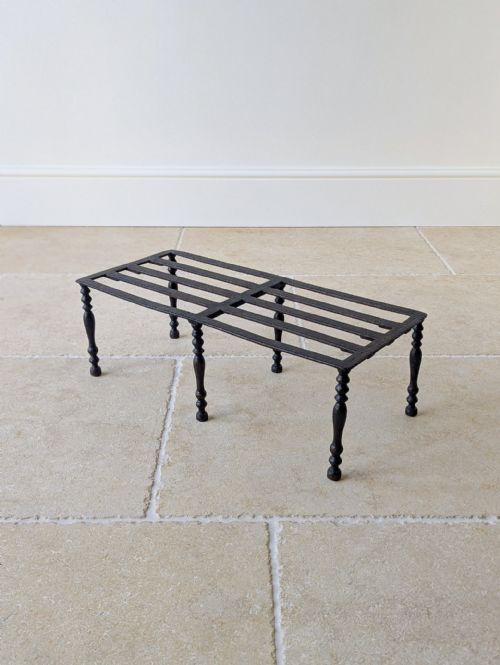
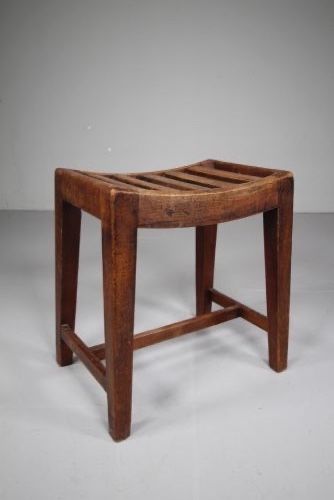
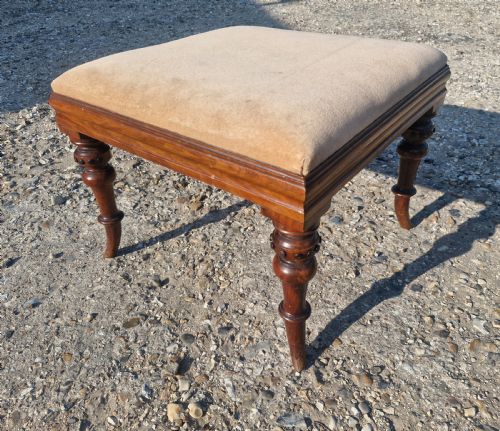
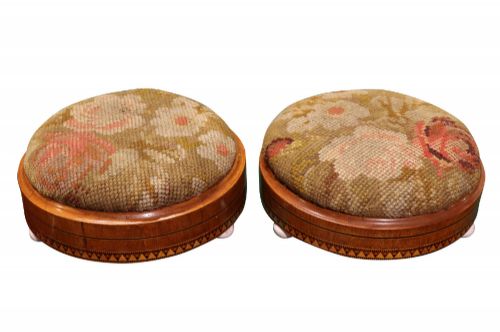
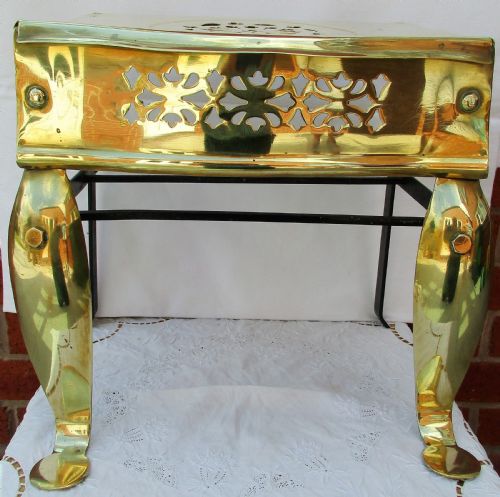
The form encompasses dedicated hearth furniture, including brass and steel footmen alongside upholstered stools in oak, elm, and walnut. Many examples feature textiles such as original needlepoint, tweed, and leather, while others rely on exposed timber seats like cane, rush, or shaped wood. These items served practical domestic purposes near the grate, from warming plates to resting feet during long evenings.
Materials and construction methods
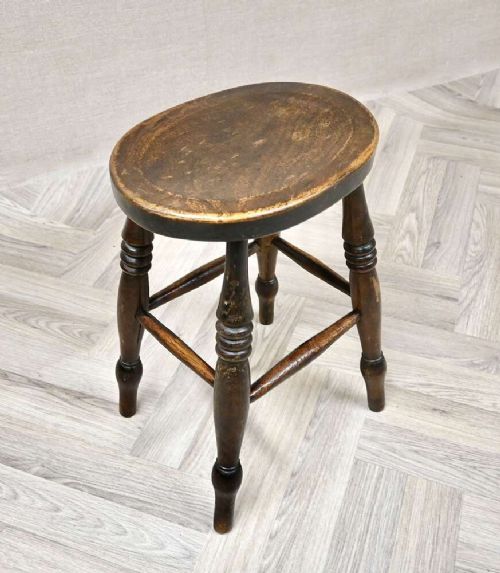
Makers built these pieces primarily from sturdy hardwoods such as oak, walnut, mahogany, beech, and elm, often combining them with wrought iron, brass, and steel for metal footmen and trivets. Timber frames relied on traditional joinery, turning, and occasional carving, while seats incorporated cane, rush, or padded upholstery secured over webbing and stuffing.
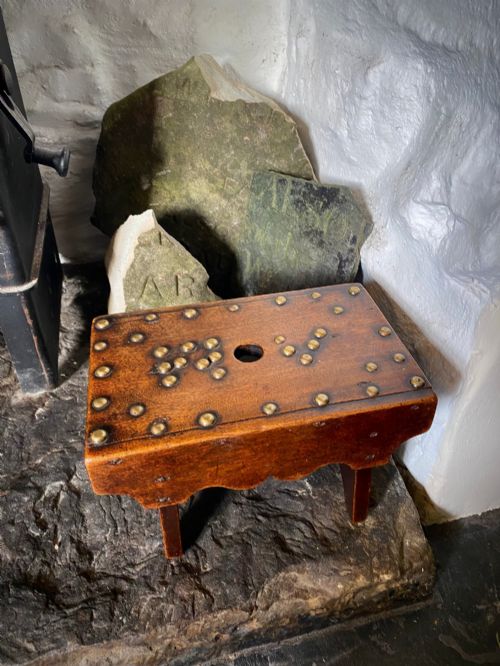
Metal components like brass and steel footmen were forged and assembled to withstand high hearth temperatures, functioning as durable plate warmers or trivets. Upholstered versions utilised tactile coverings including leather, tweed, and needlepoint, anchoring the textiles directly to the wooden or cane frames with traditional brass tacks.
Antique Hearth Stool Retail Price Guide 2026
Typical asking prices for hearth stool among the pieces listed under this phrase on Sellingantiques today, from the lower quarter to the upper quarter. They describe what is for sale here now, not the wider market.
One nineteenth-century Scottish pokerwork stool cheerfully commands whoever sits upon it to touch me wha daur.
Distinctions in quality
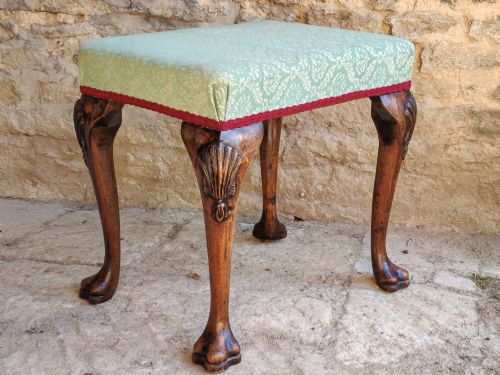
Quality rests on the integrity of the timber frame, the crispness of any carved detailing, and the retention of original materials such as needlepoint or brass fittings. Pieces exhibiting well-proportioned cabriole legs, finely turned spindles, or substantial walnut and mahogany framing demonstrate a higher grade of workshop execution than simpler utility items.
The survival of untouched surfaces, authentic upholstery textiles, and patinated brass elevate a piece above standard domestic equivalents. Better examples show harmonious proportions where the length, leg style, and seat material work together as intended by the maker.
The Antique Hearth Stool Glossary
- Fender stool
- A long, low stool designed to sit directly in front of a fireplace fender. These pieces typically feature extended walnut or mahogany frames upholstered in needlepoint, leather, or tweed.
- Footman
- A metal stand, usually constructed from brass and steel, placed near the hearth to warm plates or heat water. They date from the Georgian and Victorian periods and often feature pierced or engraved tops.
- Cabriole leg
- A furniture leg that curves outward at the knee and tapers inward at the ankle, ending in a pad or foot. This form appeared frequently on finer Georgian and eighteenth-century seating.
- Needlepoint
- Stitched textile work using yarn on a stiff canvas ground, commonly found as original upholstery on nineteenth-century stools. It provides durable and decorative surfaces for heavy daily use.
Antique Hearth Stool: Frequently Asked Questions
What is a hearth stool used for?
A hearth stool provides low seating or a resting place for the feet directly beside an open fireplace. They were positioned close to the warmth of the fire during colder months.
Some variations, such as brass footmen, also functioned as metal trivets for warming plates or holding kettles near the flames.
How do I date an antique stool?
Dating relies on examining the timber species, joinery methods, leg styles, and secondary materials like screws or nails. Georgian pieces often display lighter walnut or mahogany with refined turning, while Victorian examples lean toward heavier carved walnut or rosewood.
Changes in upholstery techniques and hardware provide further clues to the decade of manufacture.
Are these stools comfortable to sit on?
Most hearth stools were built low to the ground for warmth rather than standard table seating. Their comfort depends on the original padding and upholstery web, which may feel firmer than modern foam.
Many surviving pieces function exceptionally well as occasional seats or elegant footrests in living spaces.
How should I care for antique wood?
Maintain antique timber by keeping it away from direct heat sources and sudden temperature shifts that cause wood to dry and split. Regular dusting with a soft, dry cloth preserves the natural patina without stripping the surface.
Avoid liquid polishes containing silicone, choosing traditional beeswax sparingly to nourish dry hardwood.