
Low Wooden Bench
These low wooden bench examples span centuries of practical craftsmanship, offering solid timber utility and enduring character for modern interiors.
Low Wooden Bench
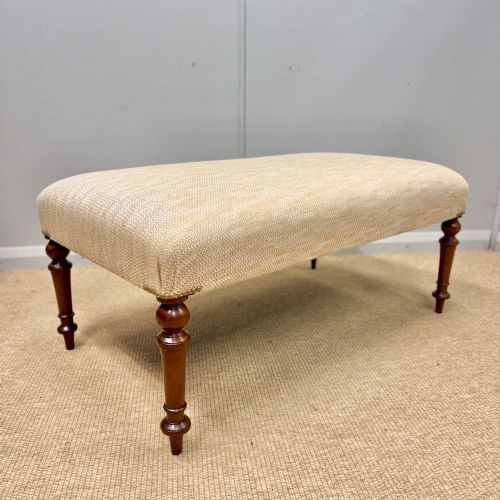
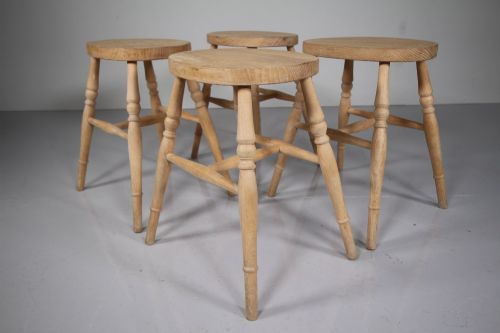
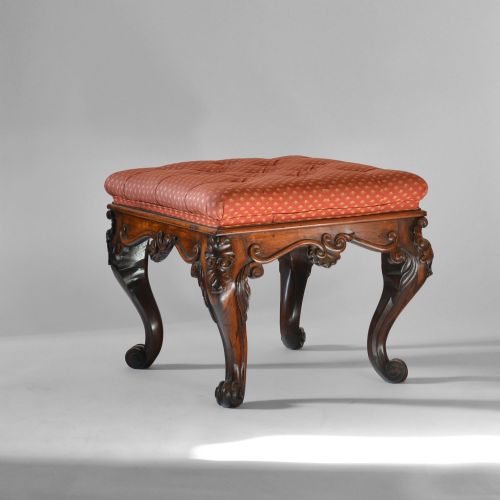
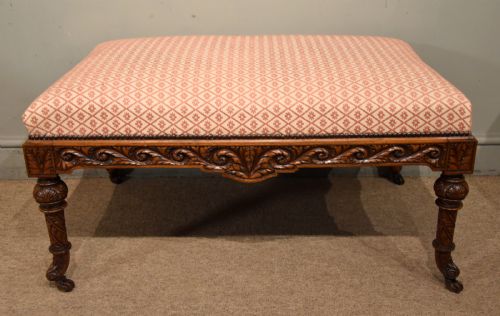
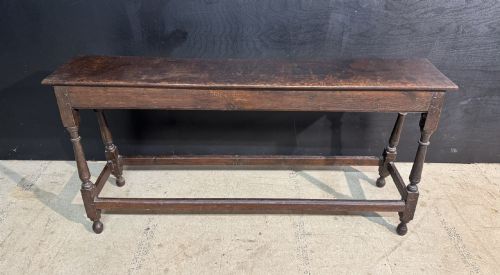
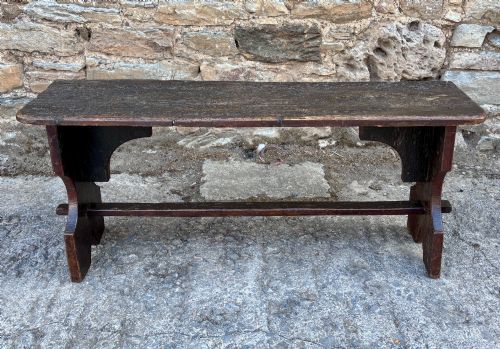
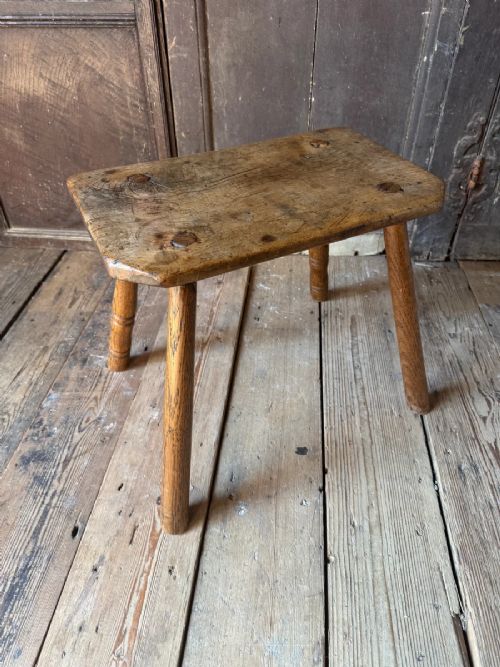
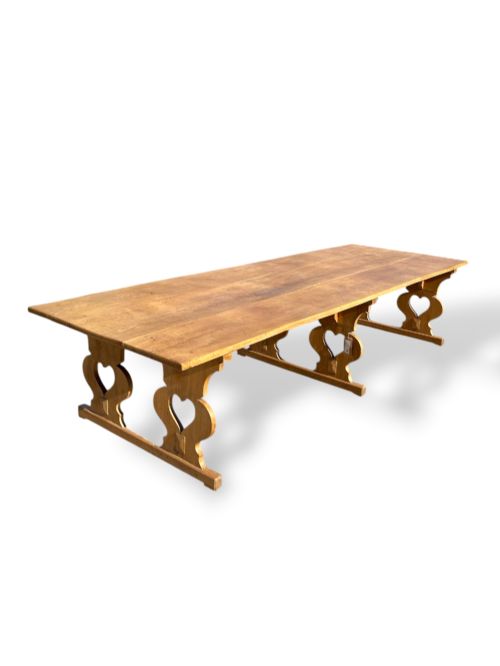
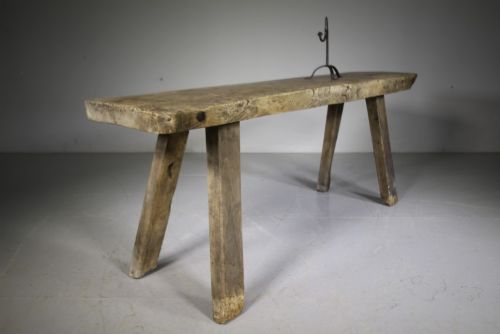
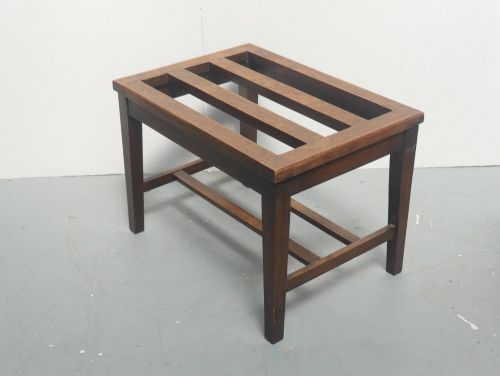
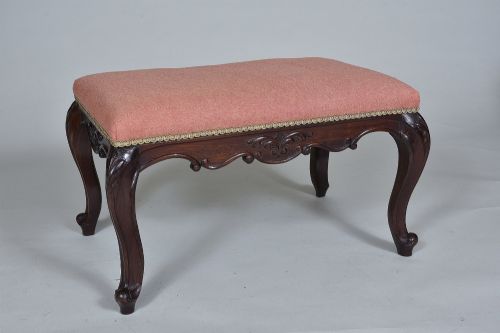
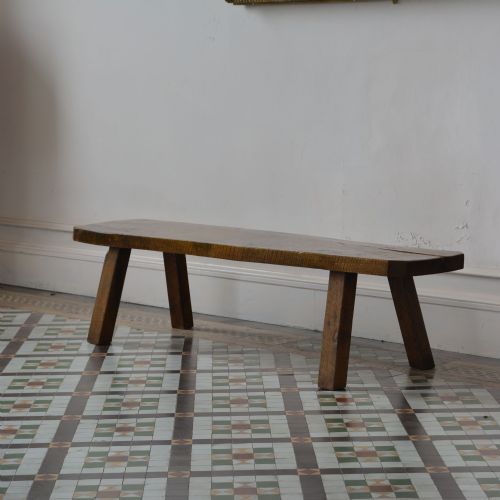
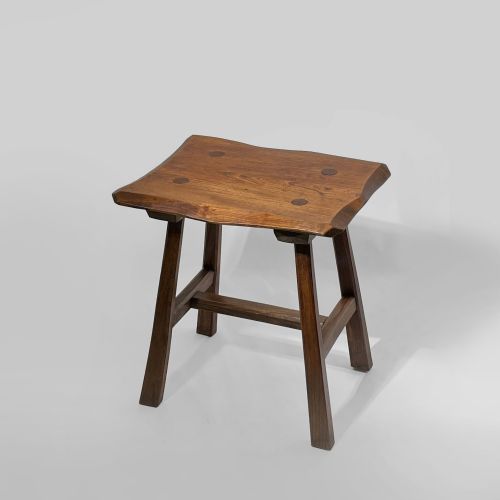
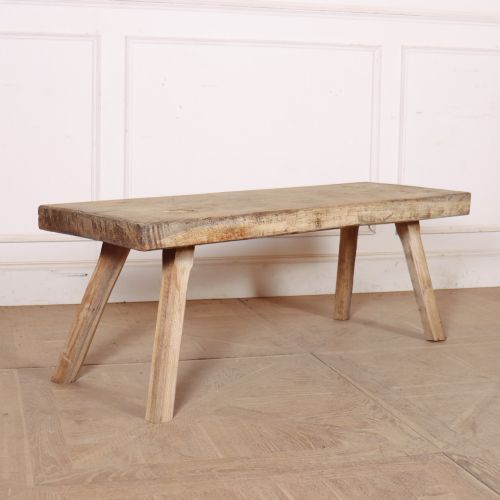
A low wooden bench search uncovers a diverse array of utilitarian seating, coffee tables, and luggage stands spanning the eighteenth, nineteenth, and early twentieth centuries. Pieces range from rustic country milking stools and narrow elm pig benches to formal Georgian mahogany stools and Edwardian oak luggage stands.
Buyers frequently encounter regional variations such as Eastern European painted milking stools, French rustic tables, and Anglo-Indian or Chinese hardwood daybeds and altar benches. Victorian and Edwardian examples dominate the selection, often repurposed for contemporary living spaces as low coffee tables or hearth seating.
Assessment of Quality
Quality rests primarily on the integrity of the timber, the honesty of the construction, and the preservation of original surfaces. Pieces retaining genuine patination, tool marks, and uncompromised structural joints command greater interest than those stripped or heavily restored.
The sophistication of the design, from primitive pegged construction to refined Georgian slatted woodwork or Art Deco maple frames, dictates the piece's place within the wider range of surviving examples.
Low Wooden Bench Retail Price Guide 2026
Typical asking prices for low wooden bench among the pieces listed under this phrase on Sellingantiques today, from the lower quarter to the upper quarter. They describe what is for sale here now, not the wider market.
Several humble milking stools survive wearing their original splashes of bright green and ochre paint from European farmyards.
Harry and Lou Epstein
The Low Wooden Bench Glossary
- Pig bench
- A low, narrow wooden table or bench traditionally utilised in agricultural settings, now widely repurposed as a low coffee table.
- Milking stool
- A small, sturdy three-legged or four-legged seat designed for agricultural labour, often characterised by a simple slab top and rustic charm.
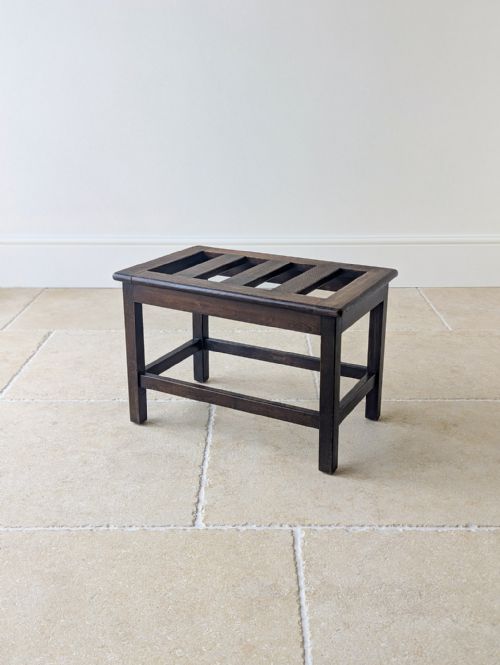
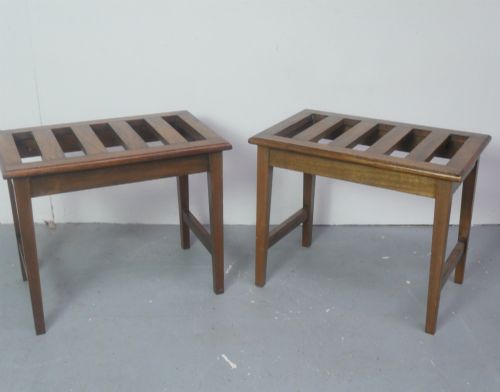
- Luggage stand
- A low folding or rigid timber rack fitted with webbing or slats, originally designed for hotel or domestic bedroom luggage placement.
- Joint stool
- An early form of wooden stool constructed with mortise and tenon joints, predating fully upholstered seating.
- Patina
- The surface sheen and colour developed through decades of handling, wear, and polishing.
Low Wooden Bench: Frequently Asked Questions
What is a pig bench used for today?
Originally utilised in agricultural work, these long and narrow wooden benches now function ideally as low coffee tables in contemporary reception rooms.
Their slim proportions allow them to sit comfortably in front of low seating without obstructing room flow.
How do I date an old wooden stool?
Dating relies on observing tool marks, timber species, joinery methods, and surface patination. Eighteenth-century pieces typically show hand-split or adzed marks, while Victorian examples often display machine-sawn elements.
Style indicators like Georgian cabriole legs or Edwardian turned supports also help narrow the manufacturing period.
Can I use a luggage stand as a coffee table?
Sturdy Edwardian and Victorian luggage stands provide excellent structural support for casual display or low surface use. Many buyers utilise their slatted or webbed tops directly or add a tray.
Their compact height mirrors standard coffee table dimensions.
What is a vernacular stool?
A vernacular piece is one made locally by unsung craftsmen using readily available regional timbers and traditional methods, rather than following formal metropolitan design styles.
These items often feature simple ash, sycamore, or elm construction with honest structural pegging.