


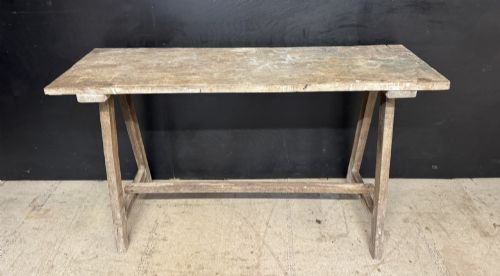
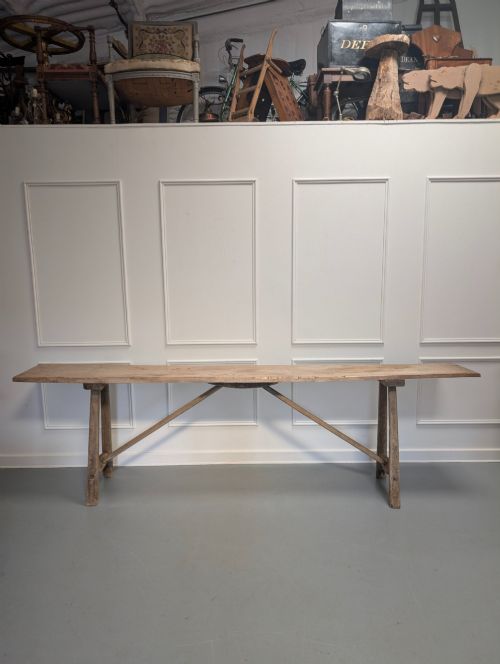

Antique French Bench
An antique french bench brings enduring character to an interior, offering practical seating shaped by provincial craftsmanship and classical design traditions.
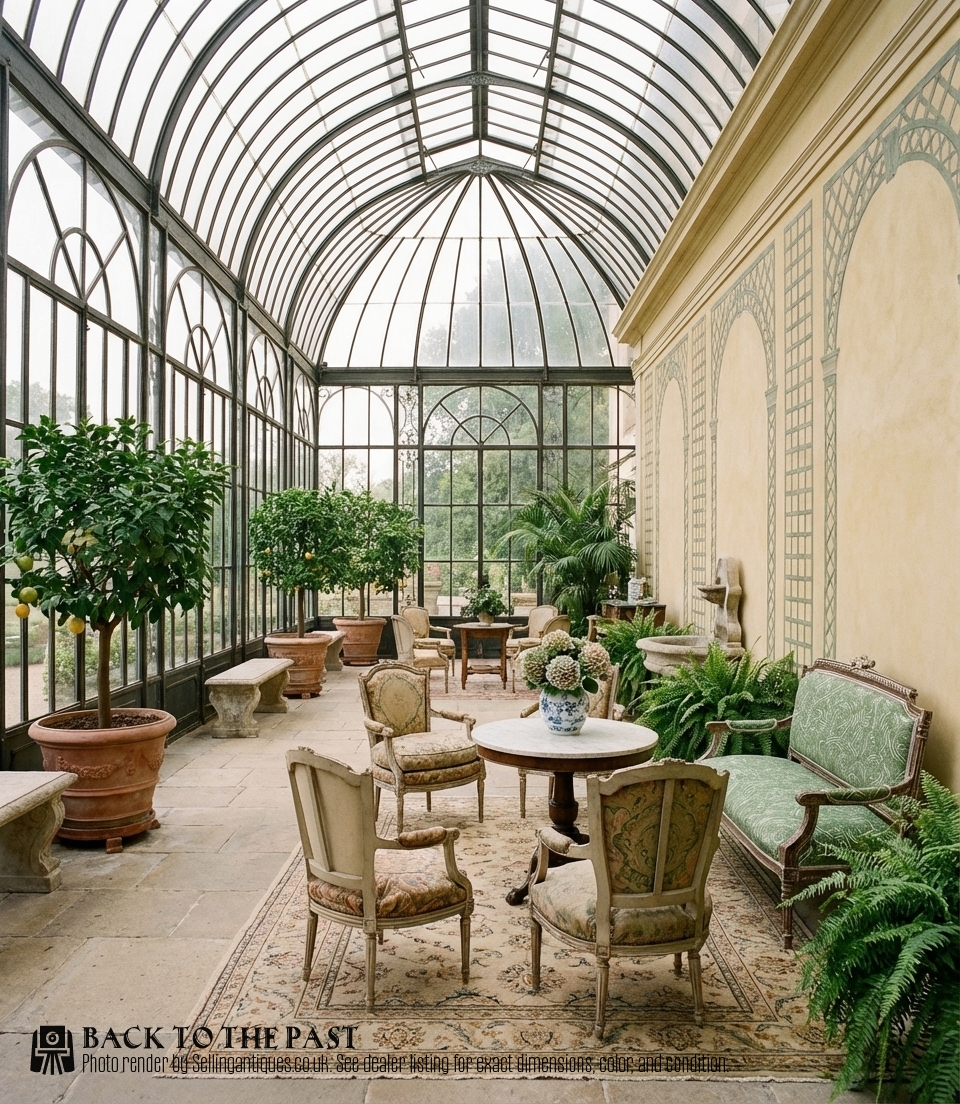
Antique French Bench
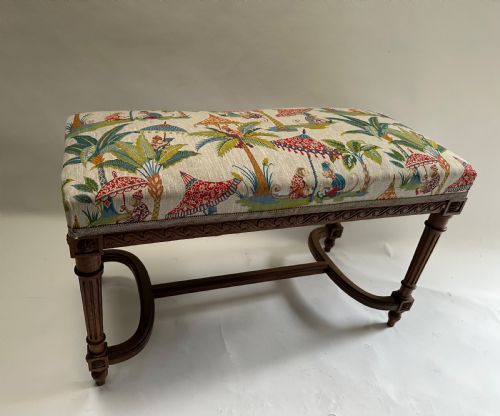
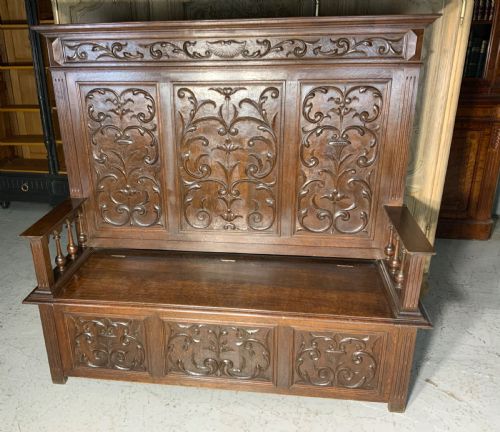
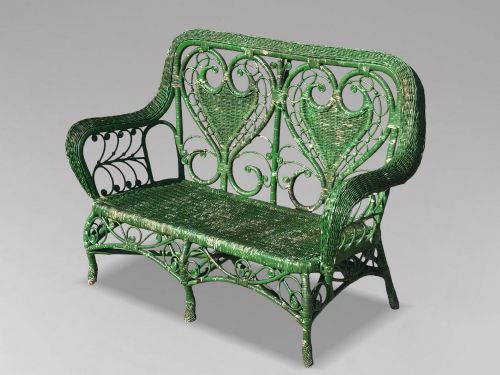
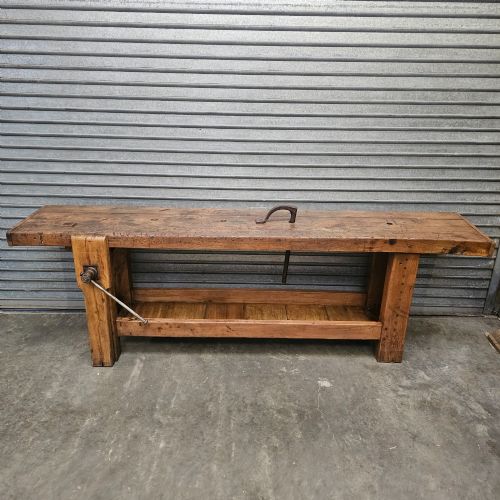
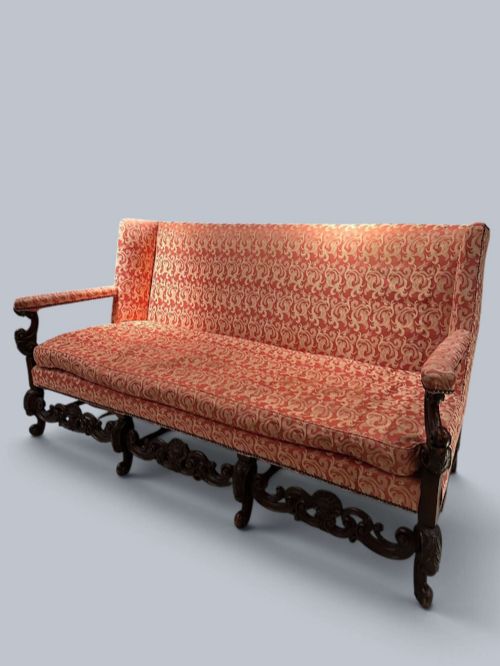
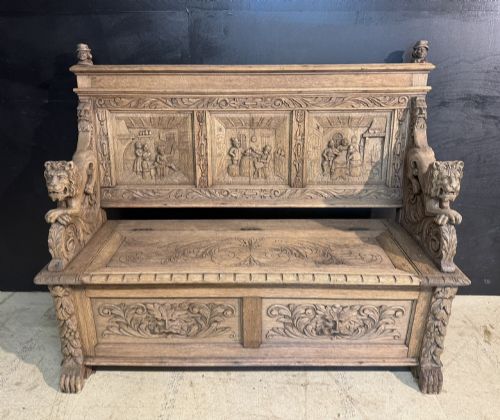
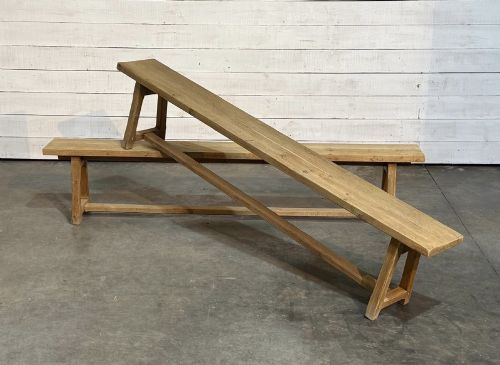
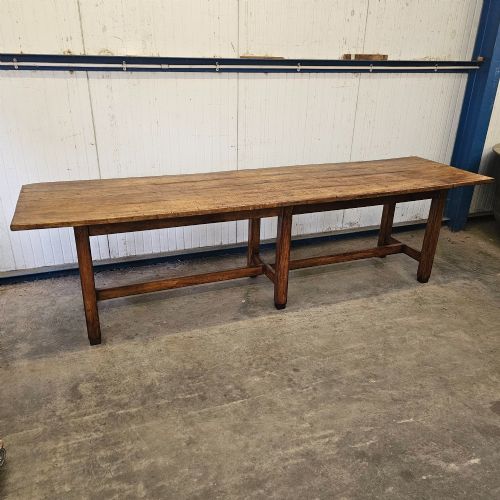
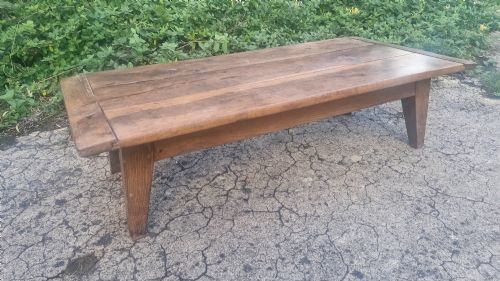
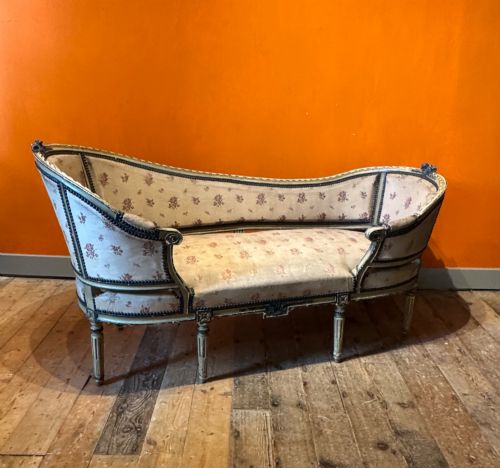
An antique french bench encompasses a broad spectrum of seating forms, ranging from rustic elm and oak planks used in country kitchens to refined giltwood canapés in the Louis style. Buyers frequently encounter nineteenth-century provincial varieties, including long dining benches, hall settles, and low milking stools.
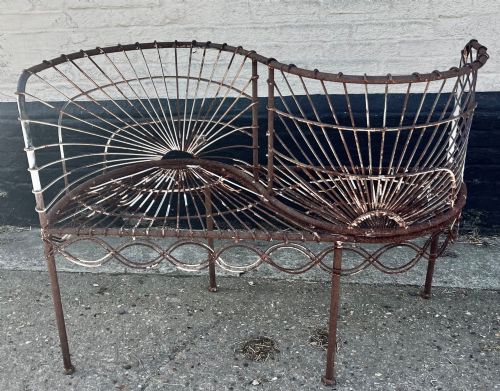
The selection also spans urban pieces like wrought iron garden daybeds and formal window seats with silk upholstery. Regional variations highlight local timbers such as chestnut and cherry, shaped for domestic utility or formal salon display.
Domestic forms often merge with seating variations like daybeds and banquettes, reflecting how these items served multiple functions in period homes. Whether constructed for a formal chateau or a rustic farmhouse, each piece bears the structural hallmarks of its era.
Understanding quality
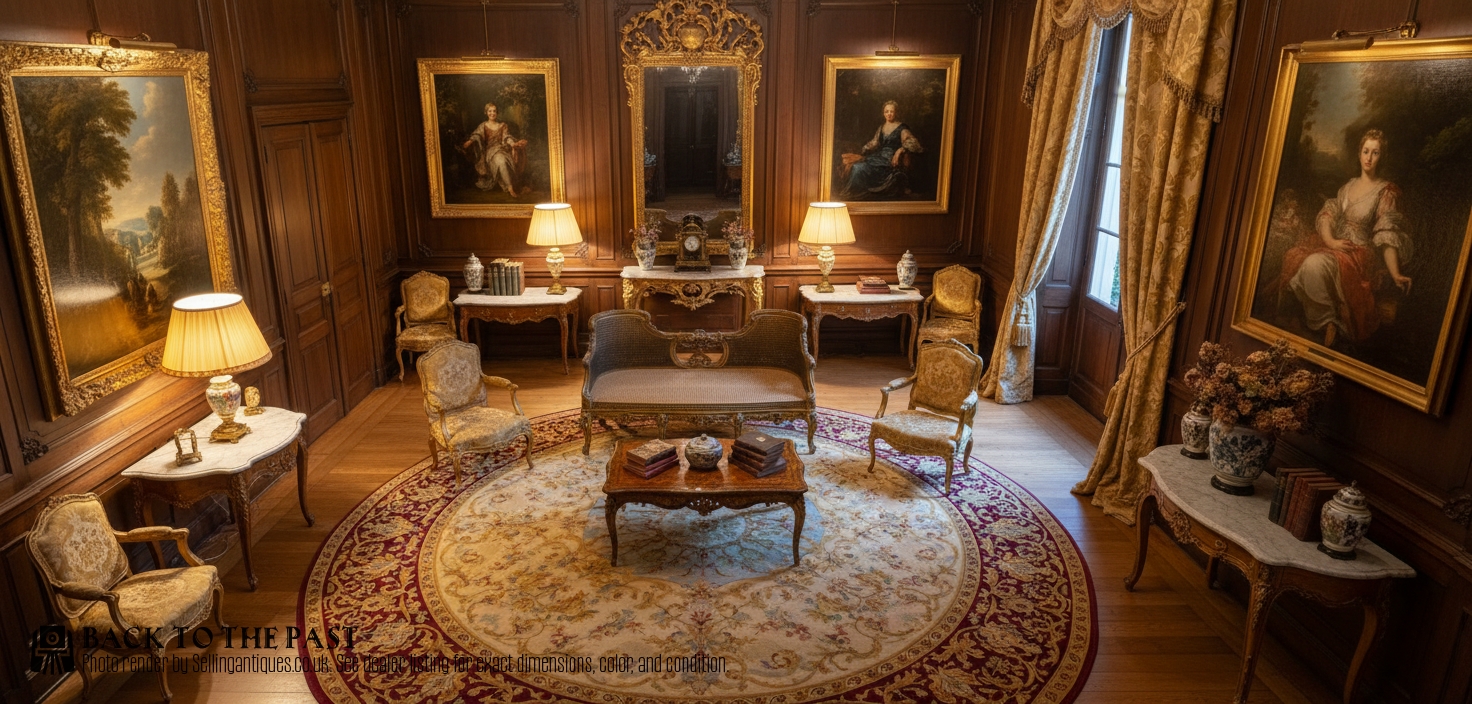
Quality rests in the integrity of the timber selection and the precision of hand-carved details on frames. Superior examples exhibit crisp carving on cabriole legs and properly tensioned cane or rush work that survives intact.
The degree of original surface treatment distinguishes finer items, with untouched painted finishes or patinated wood surfaces commanding attention. Structural soundness in joints and the retention of period upholstery materials further define the upper tier.
Antique French Bench Retail Price Guide 2026
Typical asking prices for french bench among the pieces listed under this phrase on Sellingantiques today, from the lower quarter to the upper quarter. They describe what is for sale here now, not the wider market.
A tiny milking stool tucked quietly in the corner carries more rustic charm than a grand chateau sofa ever could.
The Antique French Bench Glossary
- Canapé
- An antique French sofa or settee, typically featuring an upholstered back and seat supported by exposed carved wooden framing. These pieces often follow classical design idioms like the Louis styles.
- Banquette
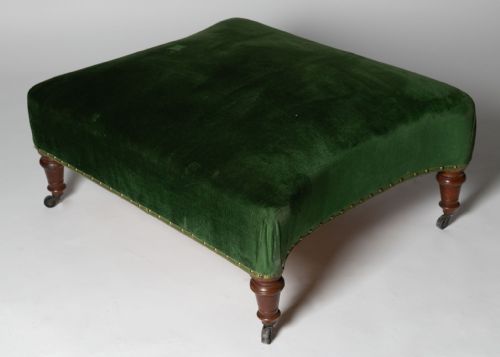
- A long upholstered bench or stool designed for seating multiple people, frequently seen in nineteenth-century domestic interiors. They share similarities with window seats and daybeds.
- Faux Bois
- A decorative technique mimicking wood grain, often applied to metal garden benches and furniture to create a rustic natural appearance. This finish was particularly popular in nineteenth-century outdoor settings.
- Lit Bateau
- A daybed or bed featuring scrolled ends resembling the shape of a boat hull. These architectural forms draw on classical French design periods.
- Settle
- A wooden wooden bench featuring a high back to block draughts, often incorporating storage beneath the seat. Country versions frequently utilise solid chestnut or oak construction.
Antique French Bench: Frequently Asked Questions
Where should I place an antique french bench?
These benches suit narrow hallways, foot-of-the-bed placements, or living room perimeters where substantial seating is required without visual bulk.
Elm and oak versions work well in kitchens and boot rooms, while giltwood or cane pieces complement formal reception rooms.
How do I care for wooden bench surfaces?
Maintain timber frames by dusting with a dry cloth and applying occasional natural wax to nourish aged oak, walnut, or elm surfaces. Avoid placing antique wood near direct heat sources or strong sunlight to prevent splitting.
Iron garden benches benefit from light protective oil treatments if kept in damp outdoor environments.
What is the difference between a bench and a daybed?
Benches are built primarily for upright sitting, whereas daybeds and canapés incorporate extended proportions or raised ends intended for reclining. Daybeds often feature architectural framing designed to sit against a wall.
Both forms utilise similar stylistic vocabulary, such as cabriole legs and painted wood finishes.
Can I use an antique garden bench outside?
Wrought iron and cast iron garden benches are built for exterior use, though monitoring for weathering helps preserve the metalwork over time. Wooden garden benches require sheltered placement or seasonal storage to protect historic timber.
Interior provincial benches lack weather-resistant treatments and should remain indoors.