



Gold Leaf Settee
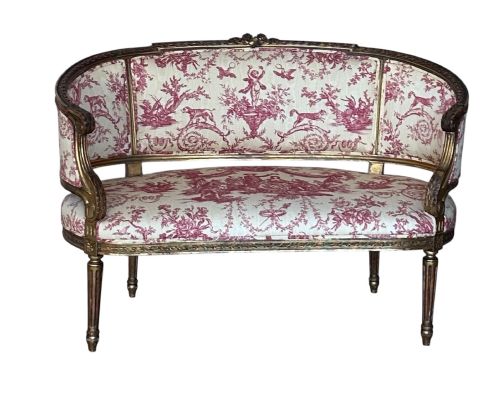
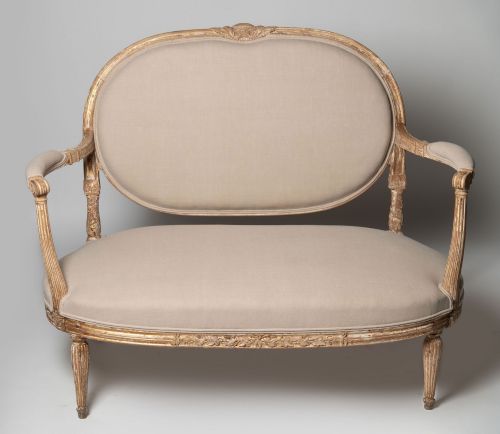
A gold leaf settee brings grand French and English seating into a room with heavy gilding and carved wooden frames.
Gold Leaf Settee
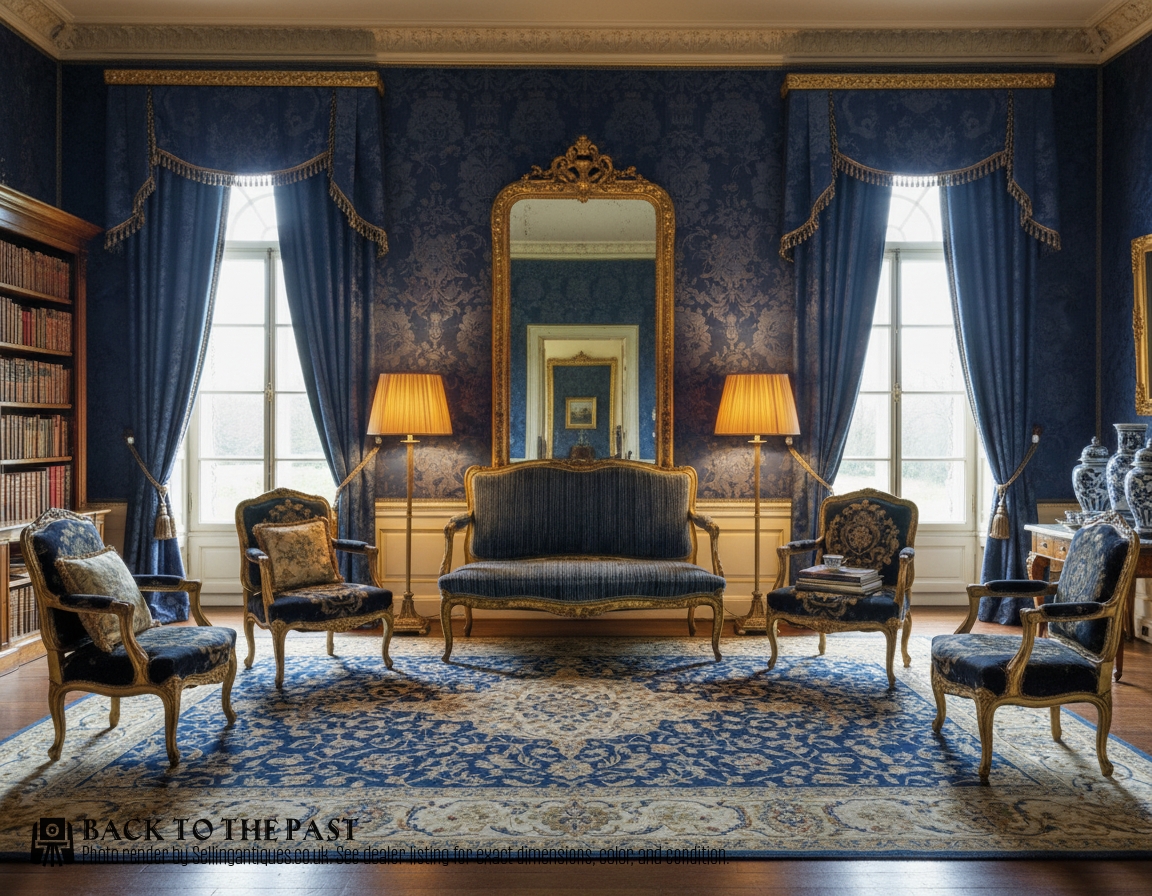
A gold leaf settee appears across nineteenth century French and English forms, including large sofas, two seater window sofas, and settee window seats. These pieces range from nineteenth century English country house designs to Louis XV and Louis XVI revival styles, showing the enduring appeal of gilded seating.
Buyers on this page are most likely to meet large French giltwood sofas alongside nineteenth century English examples. The standard forms include carved and gilded wooden frames upholstered in materials such as linen, hessian, cane, and fabric.
How They Were Made
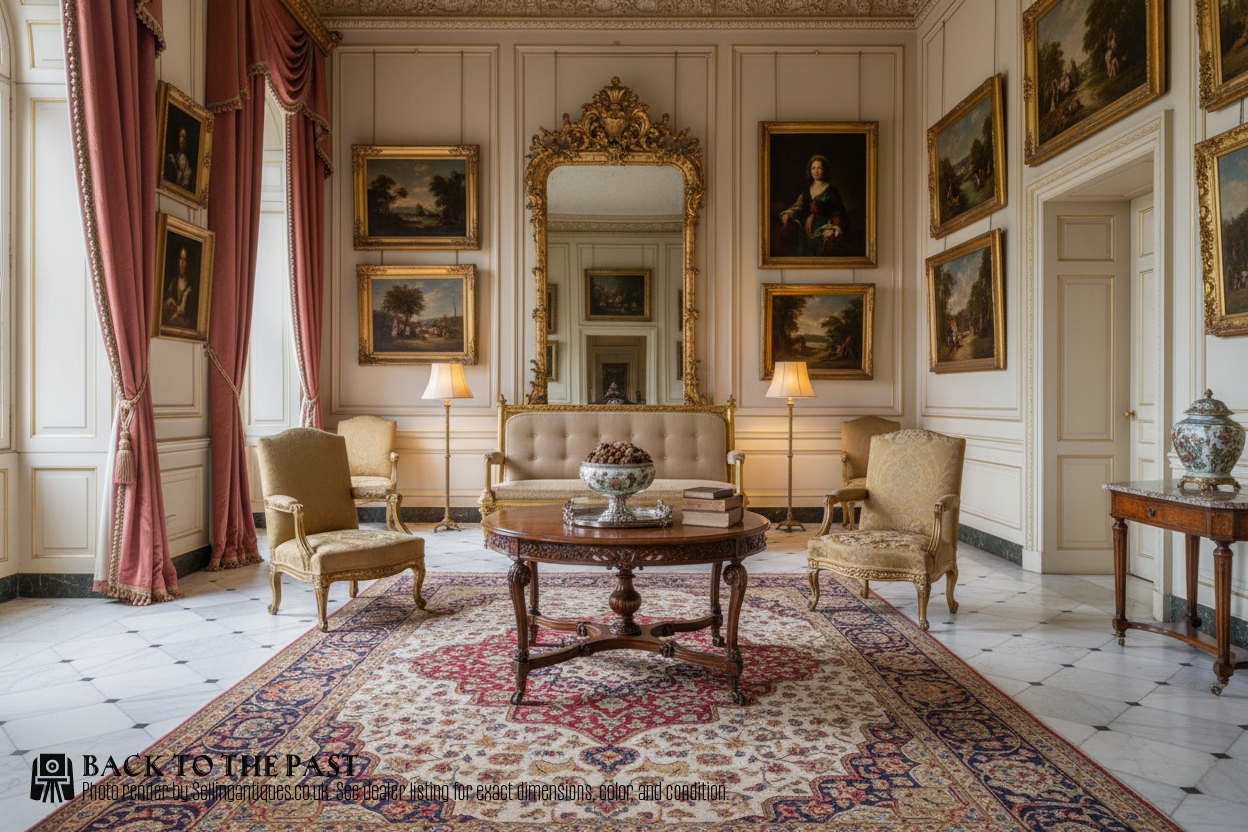
Carved wooden frames, typically formed from beech, rosewood, or general wood, provide the structural foundation for these settees. Artisans applied gold leaf and gilding directly to the carved surfaces to create a bright metallic finish.
Upholstery techniques combined traditional internal stuffing supported by hessian with visible outer coverings of linen, fabric, or woven cane. Brass details sometimes supplemented the structural joinery and ornamentation of the wooden frames.
Gold Leaf Settee Retail Price Guide 2026
Typical asking prices for gold leaf settee among the pieces listed under this phrase on Sellingantiques today, from the lower quarter to the upper quarter. They describe what is for sale here now, not the wider market.
Some nineteenth century makers quietly mixed rosewood with gold leaf, proving that even grand furniture enjoys a secret dark side.
What Varies in Quality
The refinement of the wood carving separates standard frames from superior examples, as deeper relief work and crisper floral or scroll motifs require greater artisan skill. Hand-applied gilding shows variation in depth and burnishing, which alters how the light catches the surface over time.
Upholstery materials and the preservation of the original support structures dictate the integrity of the piece. Selection of finer secondary woods like beech or rosewood under the gold leaf indicates a higher grade of initial manufacture.
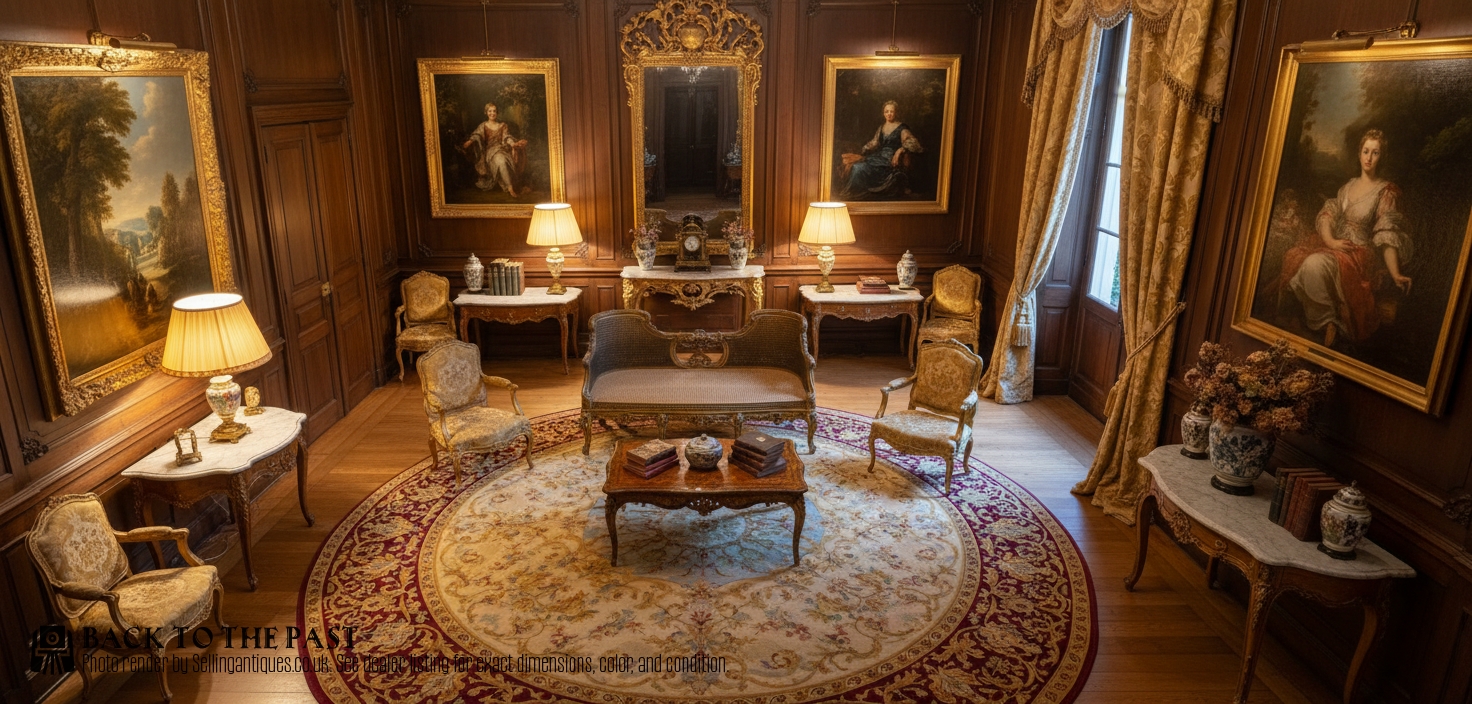
The Gold Leaf Settee Glossary
- Giltwood
- Wood that has been decorated with gold leaf or gold powder. This surface treatment creates a brilliant metallic sheen characteristic of formal European seating.
- Gilding
- The decorative process of applying a very thin layer of gold leaf to a solid surface. It protects the underlying wood while giving the appearance of solid gold.
- Beech
- A dense hardwood commonly used for furniture frames due to its strength and ability to hold fine carved details. It serves as a stable base for gilt finishes.
- Hessian
- A coarse woven fabric typically made from jute fibres, utilised inside upholstery construction as a foundation layer. It supports the inner stuffing before the final outer fabric is applied.
Gold Leaf Settee: Frequently Asked Questions
What is a gold leaf settee?
A gold leaf settee is a formal upholstered seat featuring a wooden frame covered in thin sheets of gold leaf. These pieces date primarily to the nineteenth century and draw heavily on French and English design.
They function both as decorative focal points and as substantial seating furniture for large reception rooms or drawing rooms.
Where were these settees made?
The available pieces originate from French and English workshops working during the nineteenth century. Makers in these regions produced grand salon sofas and country house seating.
French pieces often display Louis XV and Louis XVI revival characteristics, while English examples reflect local interpretations of the same classical vocabulary.
How do I care for giltwood?
Giltwood requires gentle maintenance to protect the delicate gold leaf surface from abrasion and moisture. Dusting should be performed with a soft, dry cloth without the use of harsh chemical polishes.
Keeping the settee away from direct sunlight and damp conditions prevents the wooden frame and its metallic finish from deteriorating.
What styles are common?
The prevalent styles on this page include Louis XV, Louis XVI, and their nineteenth century revival variants. These aesthetic movements feature distinct carving patterns, ranging from curved rococo lines to stricter neoclassical symmetry.
English country house interpretations also appear, blending grand French gilding traditions with more robust domestic proportions.