


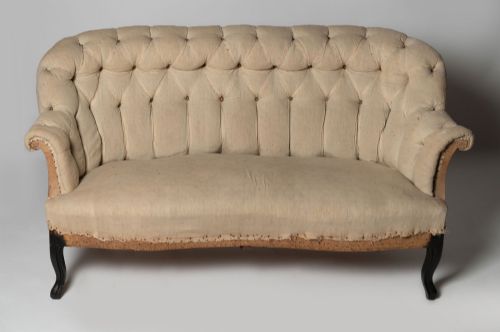
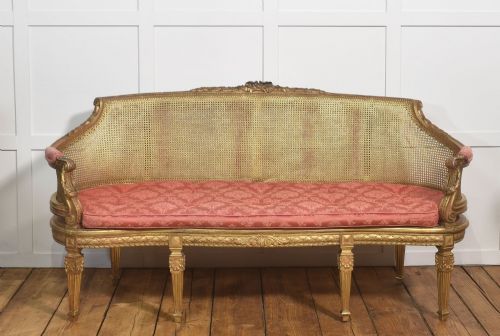

Antique French Canape
An antique french canape is a seating form designed for formal interiors, offering an upholstered or cane seat for parlour use.
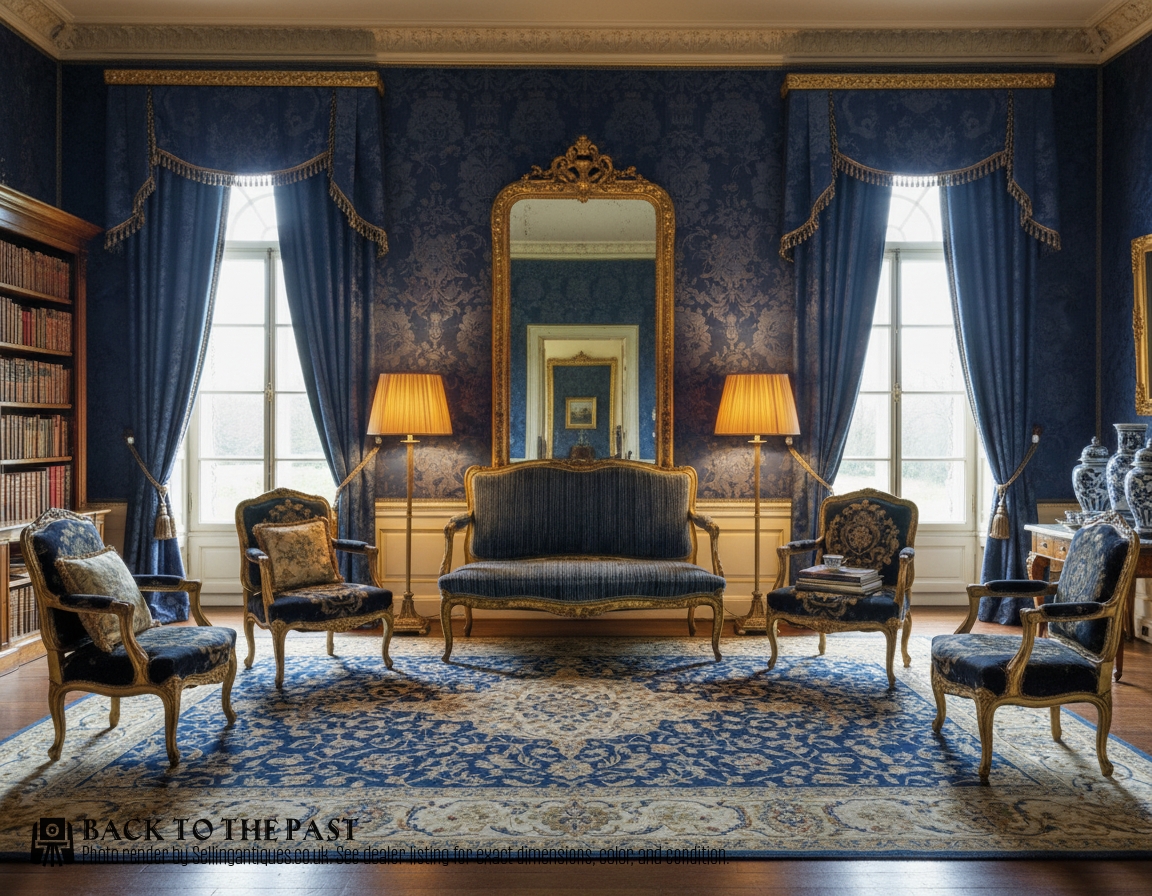
Antique French Canape
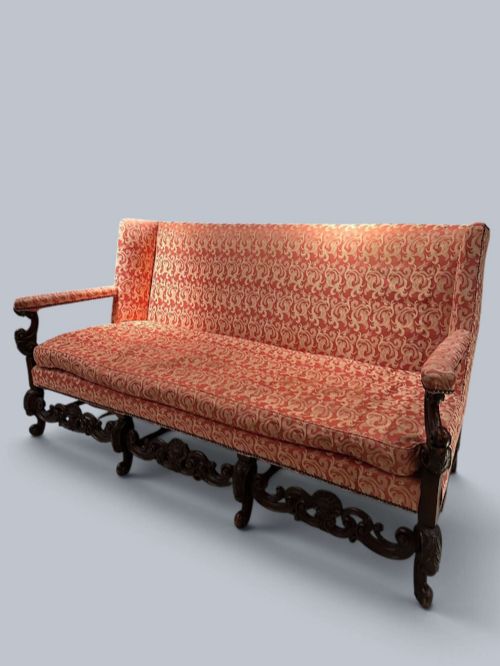
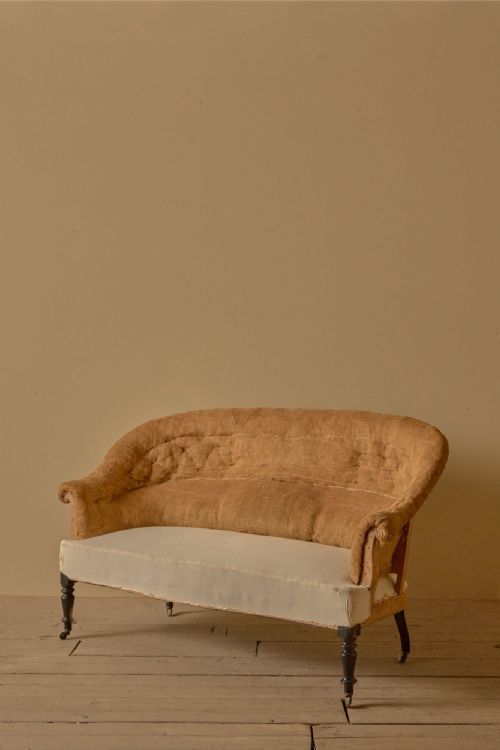
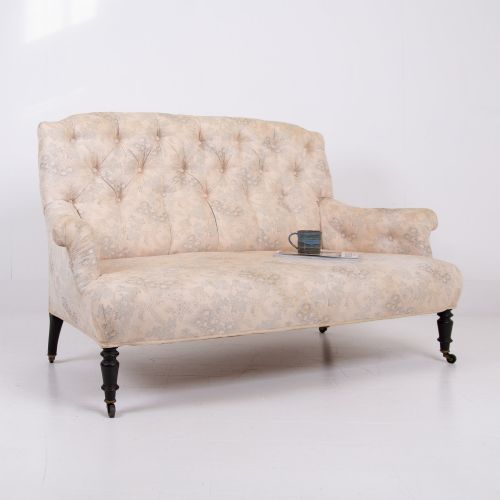
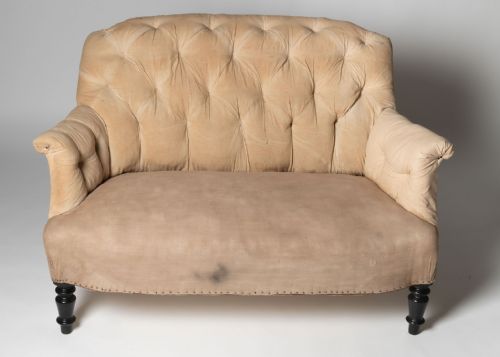
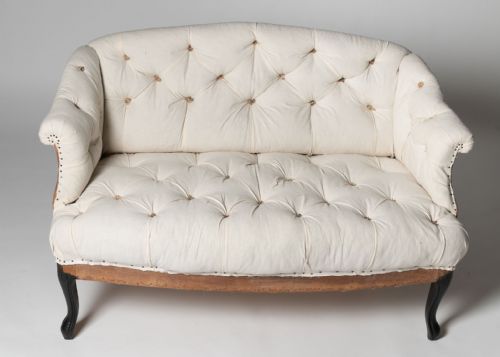
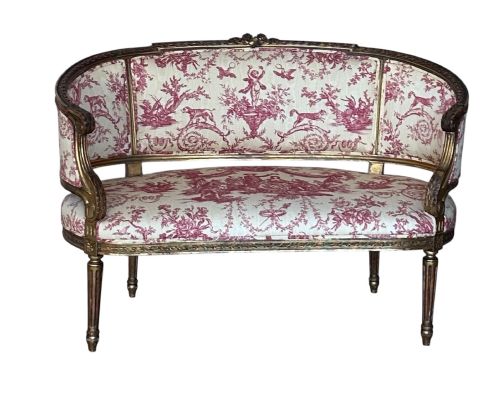
An antique french canape is a decorative settee or sofa originating from continental traditions, designed with multiple seats for drawing rooms and reception spaces. The pieces gathered here span from nineteenth century examples to early twentieth century items, including daybeds and salon suites.
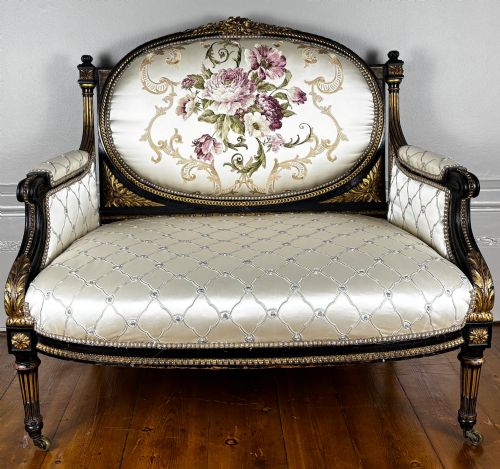
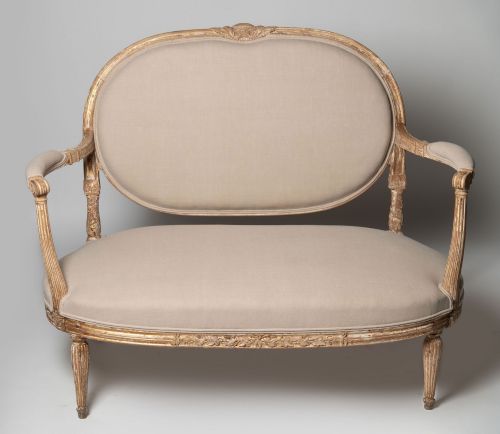
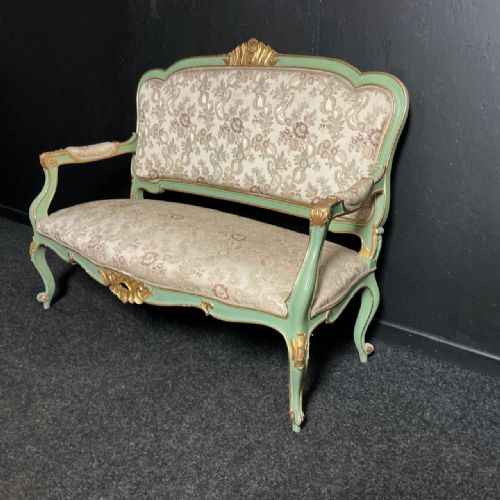
You will frequently meet pieces executed in the Louis XV and Louis XVI styles, alongside Rococo Revival interpretations. These designs incorporate carved woodwork, exposed frames, and specific proportions intended for formal rooms.
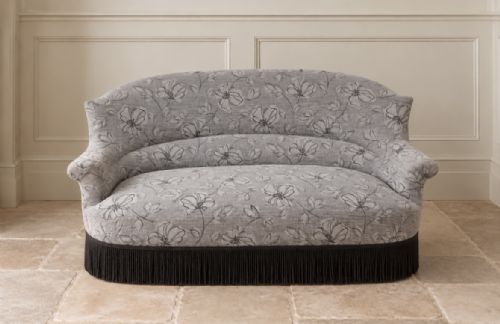
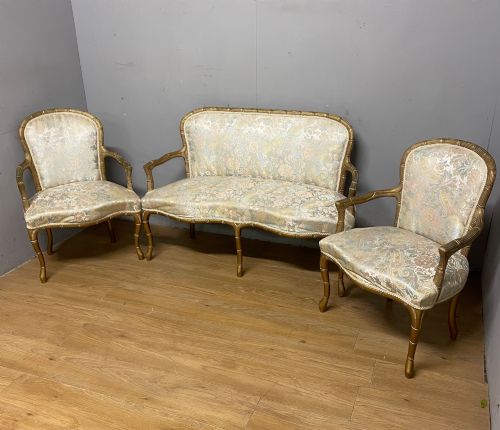
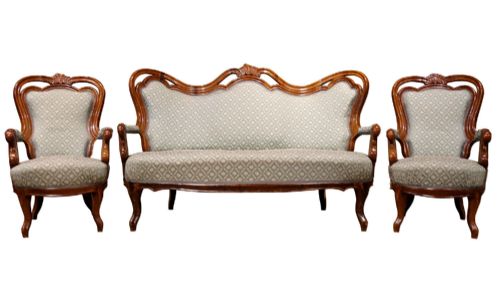
The forms range from two-seat settees and corbeille sofas to larger couches and three-piece salon suites. Many retain their original upholstery fabrics, silks, or woven cane panels.
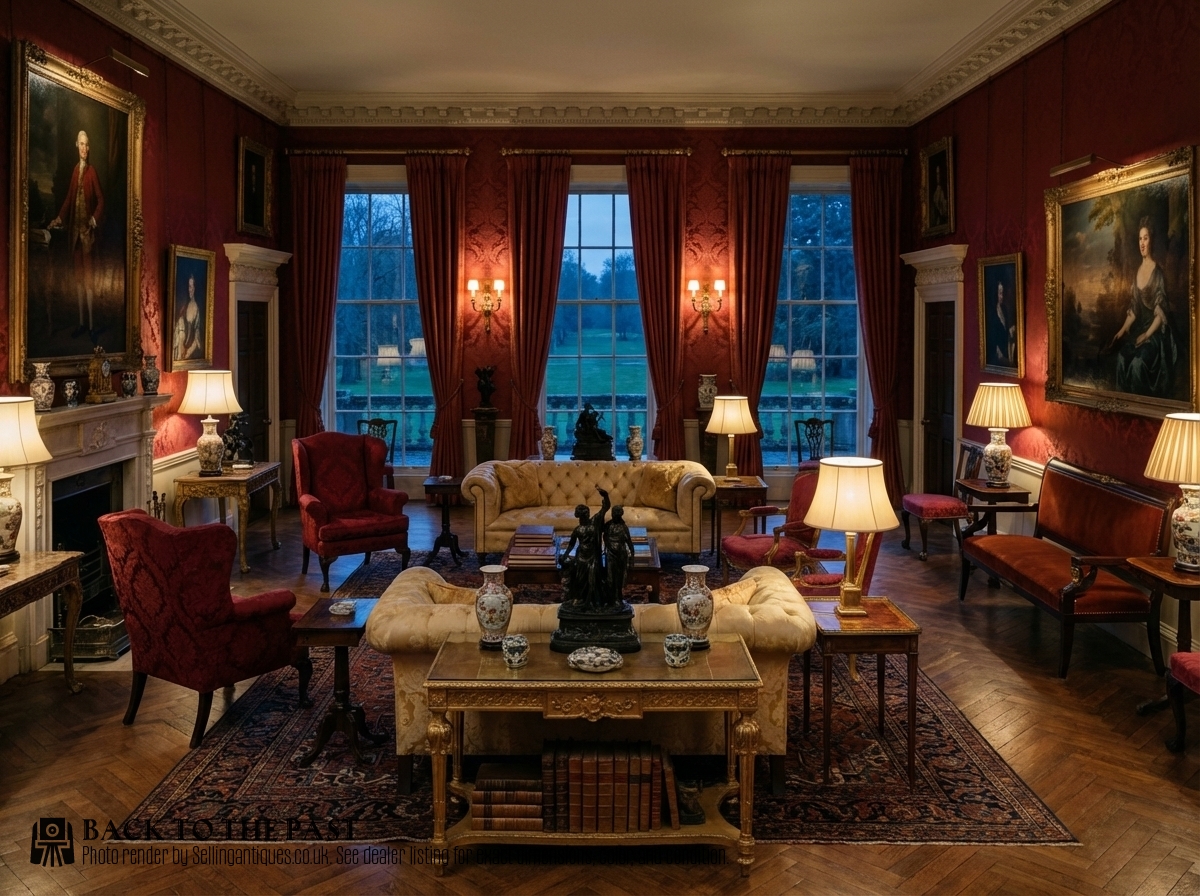
How they were made
Frames are constructed from hardwoods such as walnut, beech, and mahogany, alongside softwood frameworks that receive finishes. Carving is applied directly to the timber elements of the crest rail, arms, and cabriole legs.
Giltwood treatments involve the application of gold leaf over a prepared base, while other frames use paint, ebonisation, or parcel gilt highlights. Canework utilises woven natural fibre panels fitted into channels within the wooden seat rails or backrests.
Upholstery techniques employ traditional stuffing materials and webbing, covered in velvet, linen, silk, or modern replacement textiles. Frames are joined using standard cabinet-making joints adapted to curved structural forms.
Antique French Canape Retail Price Guide 2026
Typical asking prices for french canape among the pieces listed under this phrase on Sellingantiques today, from the lower quarter to the upper quarter. They describe what is for sale here now, not the wider market.
Some boudoir settees still whisper of nineteenth-century gossip behind silk cushions.
What varies in quality
The depth and crispness of the timber carving dictate the visual standard of the framework, separating deeply chiselled ornament from simpler, machine-cut or shallow detailing. Gilt surfaces show variation in the quality of the gold leaf application and the preservation of the original bole beneath.
Structural integrity depends on the rigidity of the joints and the density of the primary wood used in the chassis, where dense walnut or beech outperforms softer secondary timbers. The retention of original finish and untouched surface patination marks the distinction between pieces that preserve their history and those with altered or heavily refinished frames.
The Antique French Canape Glossary
- Canapé
- A decorative settee or sofa with an exposed wooden frame, typically featuring upholstered elements or cane panels. This form serves as the primary seating piece in traditional French salon arrangements.
- Giltwood
- Timber coated with a thin layer of gold leaf applied over a prepared gesso and bole ground. This finish provides a reflective, ornamental surface common on formal nineteenth century frames.
- Corbeille
- A curved, basket-like furniture shape where the backrest wraps continuously into the arms. It offers an enclosed seating posture often found in nineteenth century boudoir furniture.
- Cane
- Woven material made from peeled rattan or bamboo strips, used for seat and back panels. It provides a lightweight, breathable surface texture.
- Salon Suite
- A matched set of seating furniture comprising a sofa or canapé alongside accompanying armchairs. These groupings furnished formal nineteenth century reception rooms.
Antique French Canape: Frequently Asked Questions
What is an antique french canape?
An antique french canape is a traditional settee or sofa featuring an exposed wooden frame, often carved in styles such as Louis XV or Louis XVI. These pieces were built for formal rooms and feature upholstered or cane seating surfaces.
They function as decorative seating and historical examples of continental woodworking and upholstery craft from the nineteenth and early twentieth centuries.
How do I identify the style?
Style identification relies on examining the carving motifs, leg shapes, and frame contours. Louis XV pieces typically display asymmetrical curves and cabriole legs, while Louis XVI examples favour straight, fluted legs and neoclassical symmetry.
Comparing the decorative details against known period characteristics helps differentiate between original eras and later revivals.
Where were these pieces used?
These settees were placed in formal reception rooms, parlours, drawing rooms, and boudoirs within period homes and chateaux. They served both as functional seating for conversation and as status items for entertaining guests.
In modern settings, they function as focal seating in living rooms or bedrooms.
How do I care for giltwood?
Giltwood frames require gentle maintenance using a dry, soft cloth to remove dust without abrasive cleaners or moisture. Keeping the piece away from direct sunlight and humidity protects the delicate gold leaf layer.
Proper environmental conditions prevent the gesso ground beneath from cracking or flaking over time.