
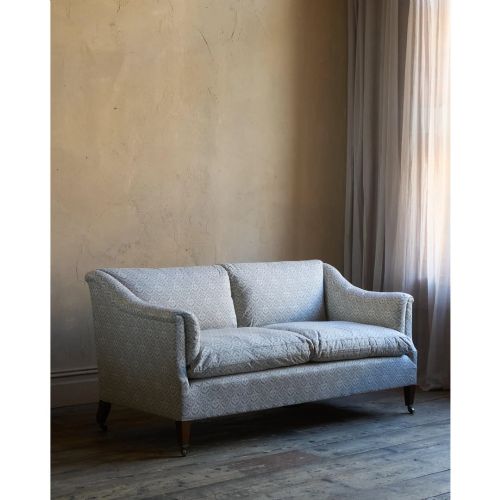
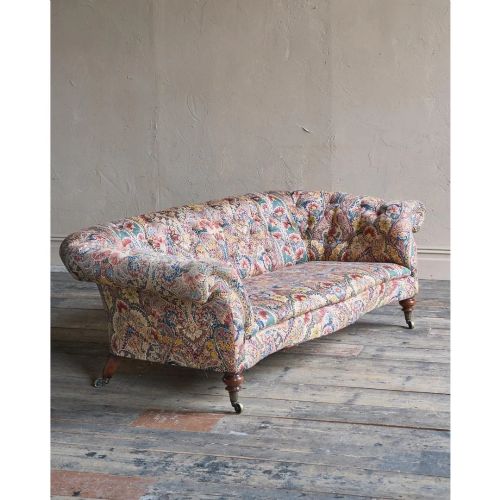
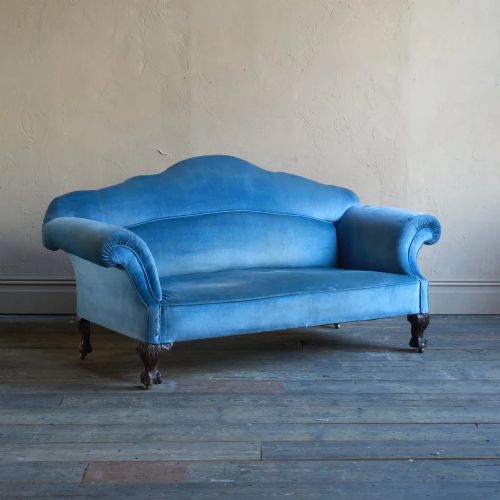
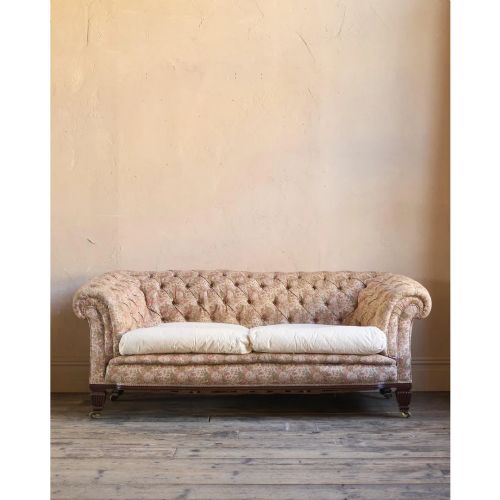
Vintage Upholstered Settee
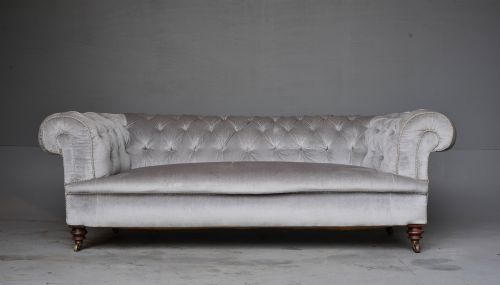
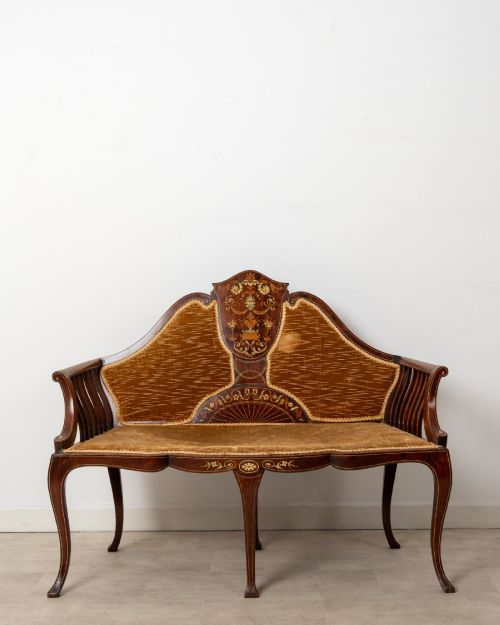
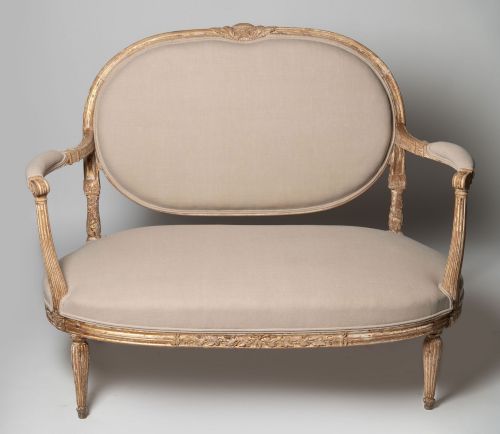
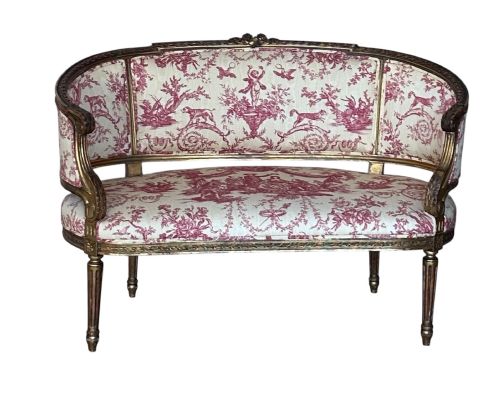
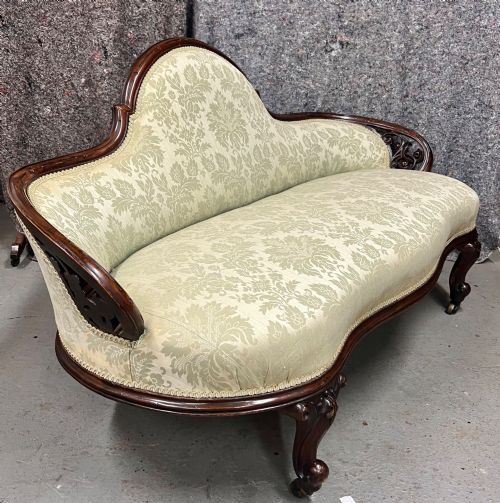
A vintage upholstered settee brings deep seating and period character into a room, offering diverse styles from French Rococo Revival to Queen Anne Revival.
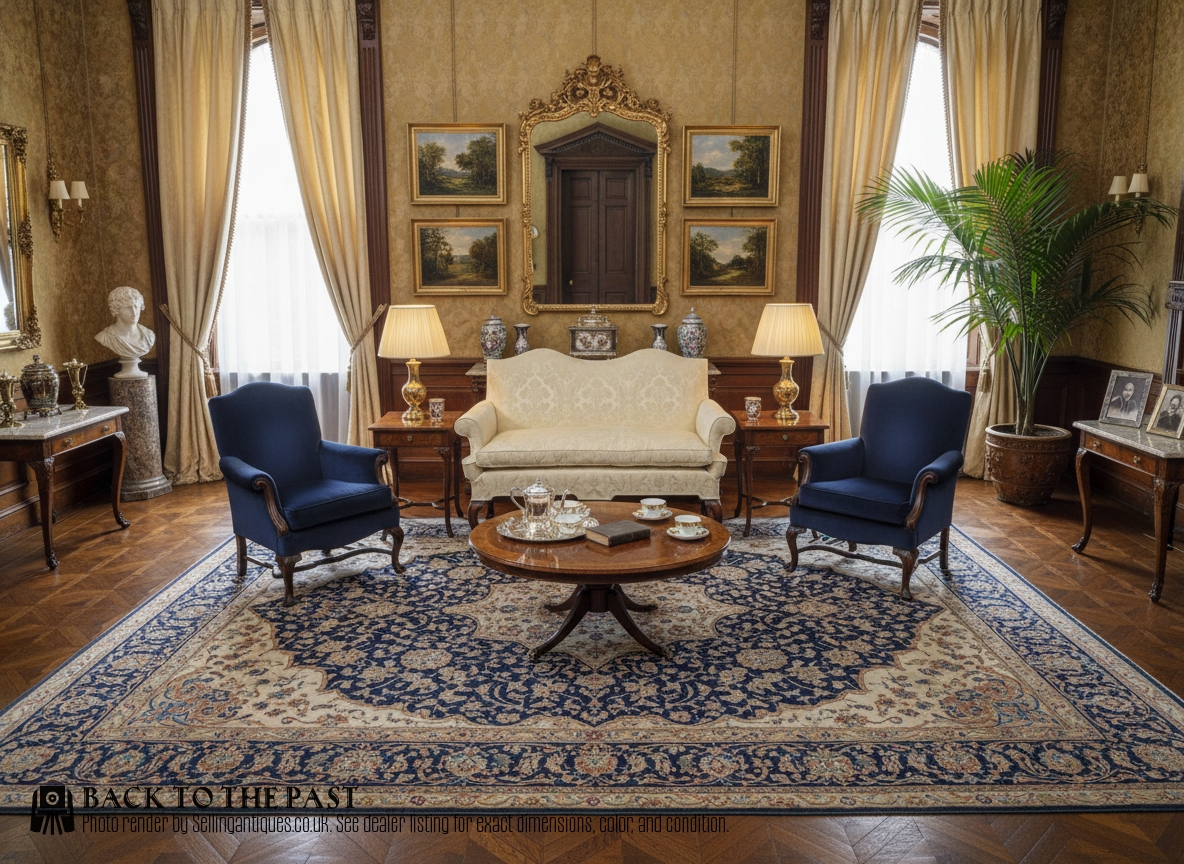
Identifying a vintage upholstered settee
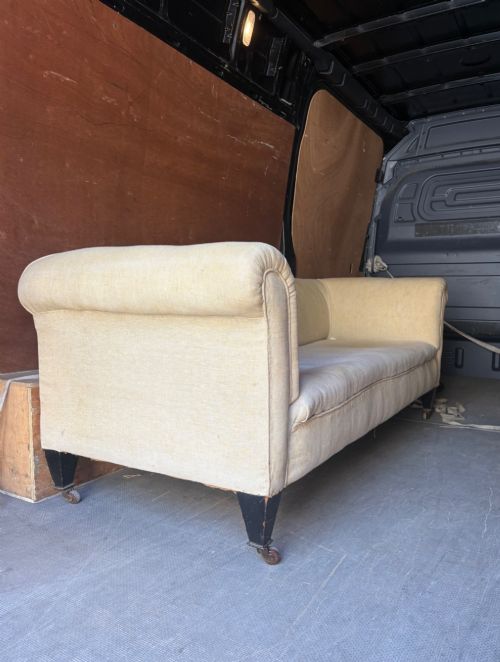
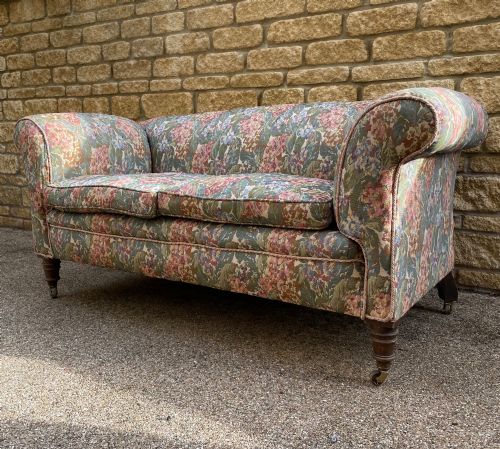
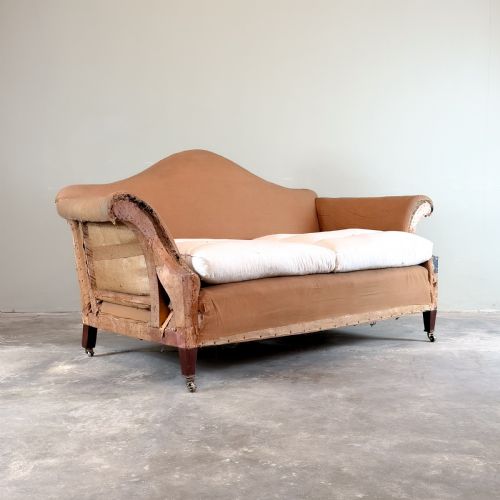
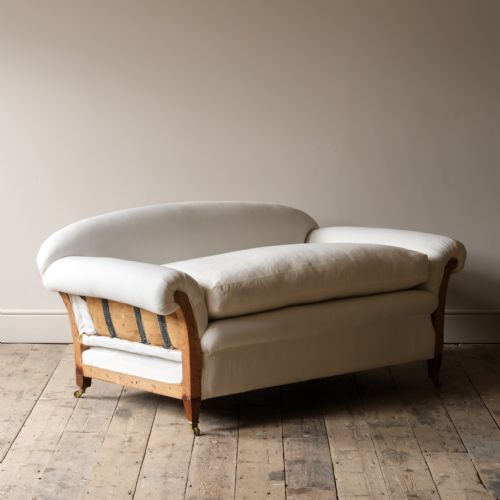
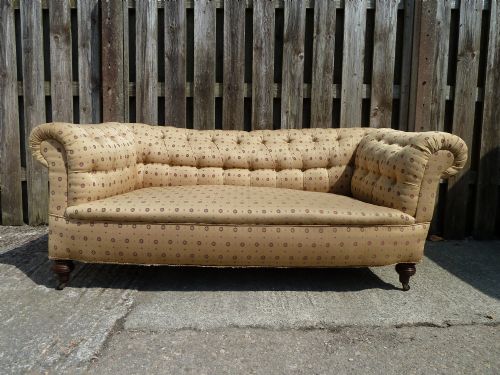
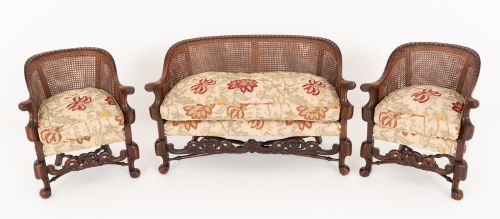
A vintage upholstered settee encompasses a range of seating forms, from Edwardian camel backs and drop arm two-seaters to large nineteenth-century French designs. Buyers searching this phrase encounter pieces spanning the Victorian era, the Edwardian period, and the nineteen-thirties.
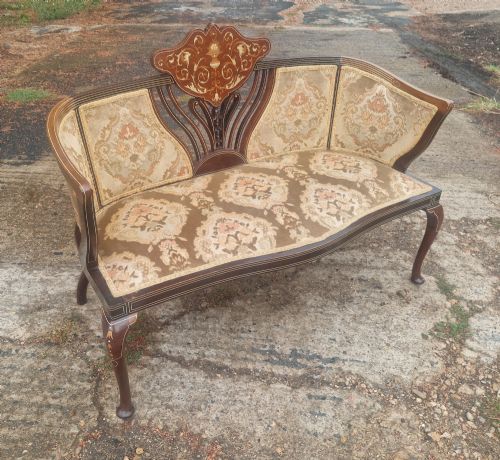
The selection includes specific regional revivals, notably Queen Anne Style pieces with carved walnut frames and French Louis XV and Louis XVI style sofas. Proportions vary from intimate two-seater configurations to long serpentine front three-seat sofas built for deep comfort.
Origin and era define the silhouette, linking nineteenth-century craftsmanship directly with early twentieth-century interpretations. Each piece combines traditional seating functions with the distinct decorative vocabulary of its specific period.

Construction and materials
Makers built the structural frames of these settees using timber, solid wood, and specifically walnut. Carved ornamentation often accents the wooden framework, visible on revival and continental models.
Upholstery relies on a variety of fabrics, textiles, and velvet applied over supportive interior padding. Metal detailing, including brass elements, occasionally appears on specific framework or castors.
Retail Price Guide 2026
Typical UK retail prices for vintage upholstered settee, calculated from the Sellingantiques database of over a million retail prices indexed since 2003. This retail price guide relies exclusively on Sellingantiques data; no external sources or auction records are used, so the figures do not describe the wider market.
Design influences recorded on this page span British nineteen-thirties production, Queen Anne Revival, and French Louis XV and Louis XVI styles.
Judging quality and character
Quality rests in the execution of the carved wooden frame and the precision of the timber joinery. Finer examples display crisp detail in styles such as French Rococo Revival or Queen Anne carved walnut.
The integration of the textile upholstery with the underlying frame structure separates standard production from superior work. Rich materials like velvet elevate the tactile presence of the settee.

The Vintage Upholstered Settee Glossary
- Camel back
- A serpentine curved backrest profile resembling a camel's hump, common in Edwardian seating design. This silhouette provides balanced support across the length of the sofa.
- Drop arm
- A movable armrest mechanism that lowers on one or both sides of a settee. This feature allows the user to adjust the seating area into a daybed format.
- Serpentine front
- A curved furniture front that undulates with a convex centre flanked by concave curves. It adds fluid movement to the base of large settees.
- Louis XV style
- A French decorative style characterised by asymmetrical curves, naturalistic carving, and cabriole legs. These elements define nineteenth-century continental walnut sofas.
- Queen Anne style
- An eighteenth-century English aesthetic revived in later periods featuring restrained cabriole legs and pad feet. Walnut frames often showcase these classic revival characteristics.
Frequently Asked Questions
What defines a vintage upholstered settee?
A vintage upholstered settee is a multi-seat piece of furniture featuring a fabric-covered body supported by a wooden frame. These items range from nineteenth-century French models to early twentieth-century British designs.
They incorporate historical styles such as Queen Anne Revival and Louis XVI, providing both decorative presence and practical seating.
How do I identify the period of a settee?
Dating relies on examining the structural timber, decorative carving styles, and upholstery characteristics. Pieces from the Victorian and Edwardian eras often feature distinct revival motifs.
Reference to specific reigns or design movements like French Rococo Revival helps pinpoint the historical origin of the wooden frame.
Where were these settees originally used?
These settees served as formal and comfortable seating in period drawing rooms, parlours, and reception spaces. Large French and serpentine models were designed for grand interiors.
Compact drop-arm versions offered flexible lounging options in smaller residential settings.
How do I care for velvet upholstery?
Velvet textiles require gentle brushing to maintain the pile direction and prevent crushing over time. Avoid placing the fabric in direct sunlight to preserve the colour.
Professional cleaning is recommended for antique and vintage textile surfaces to protect the underlying material.