
Deep Buttoned Settee
A deep buttoned settee brings tactile upholstery and generous proportions into a room, offering immediate comfort and distinct period character.

Deep Buttoned Settee
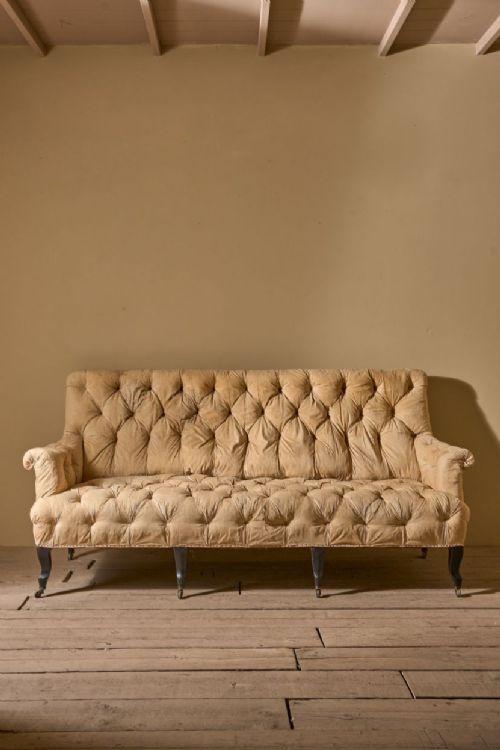
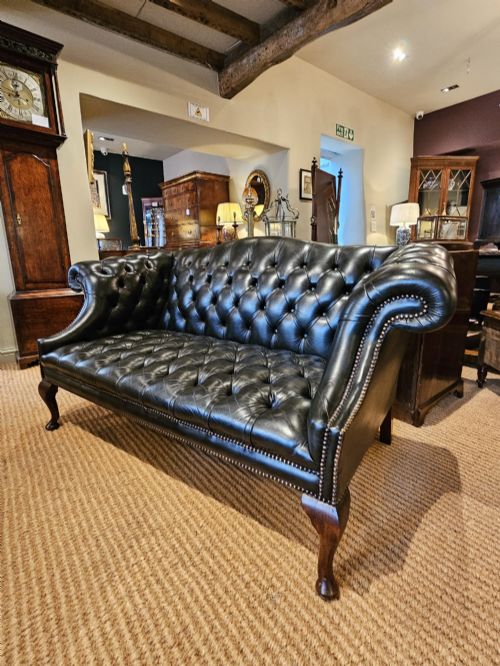
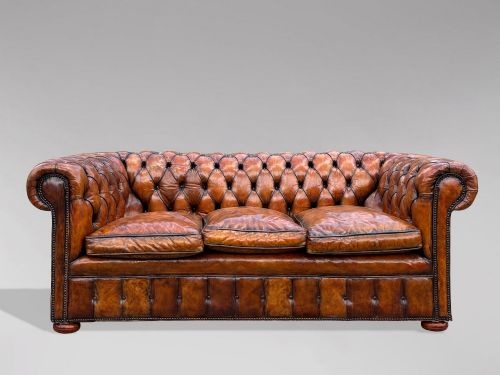
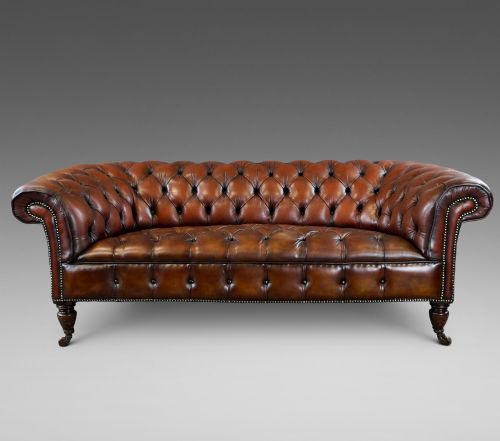
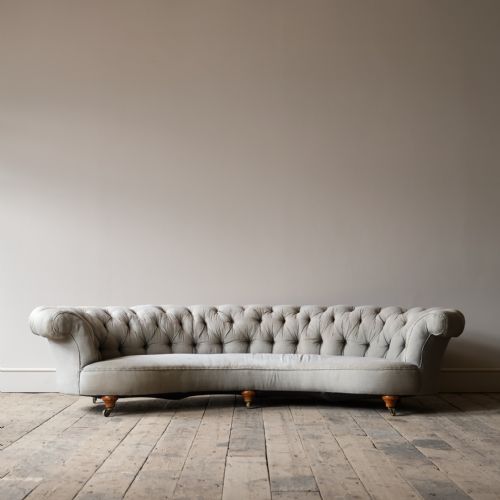
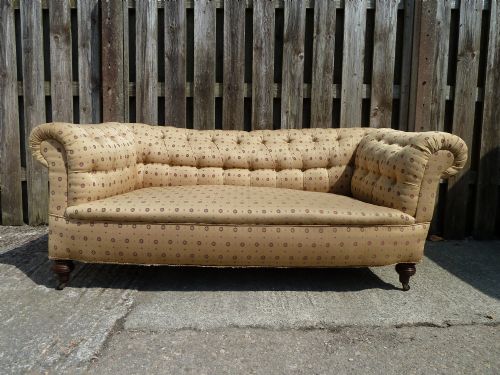
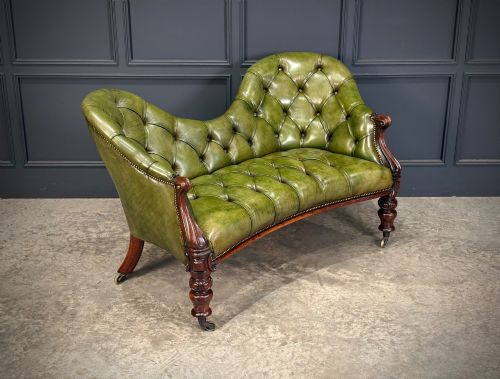
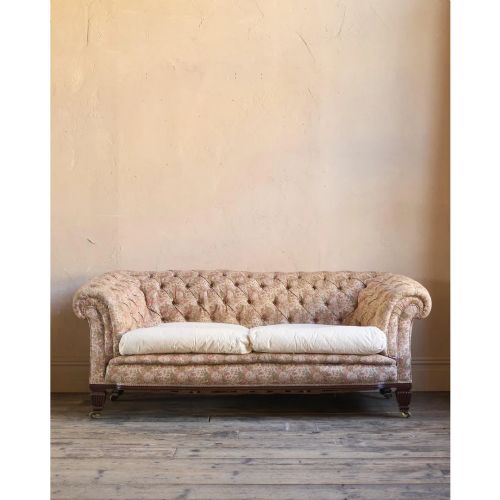
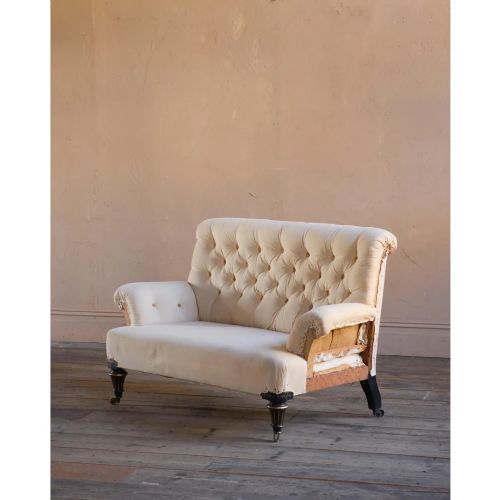
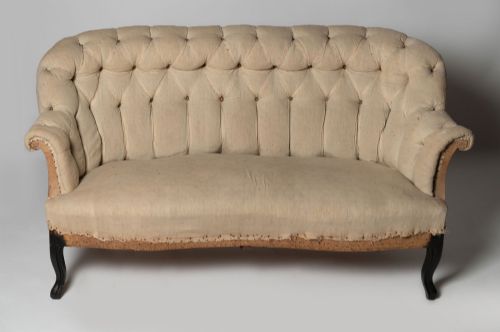
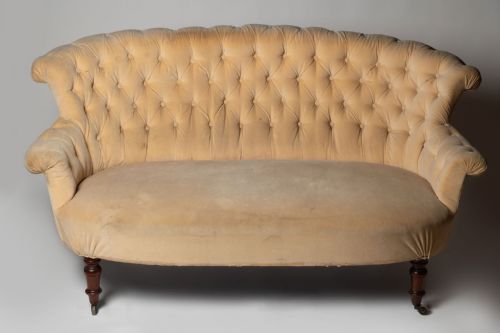
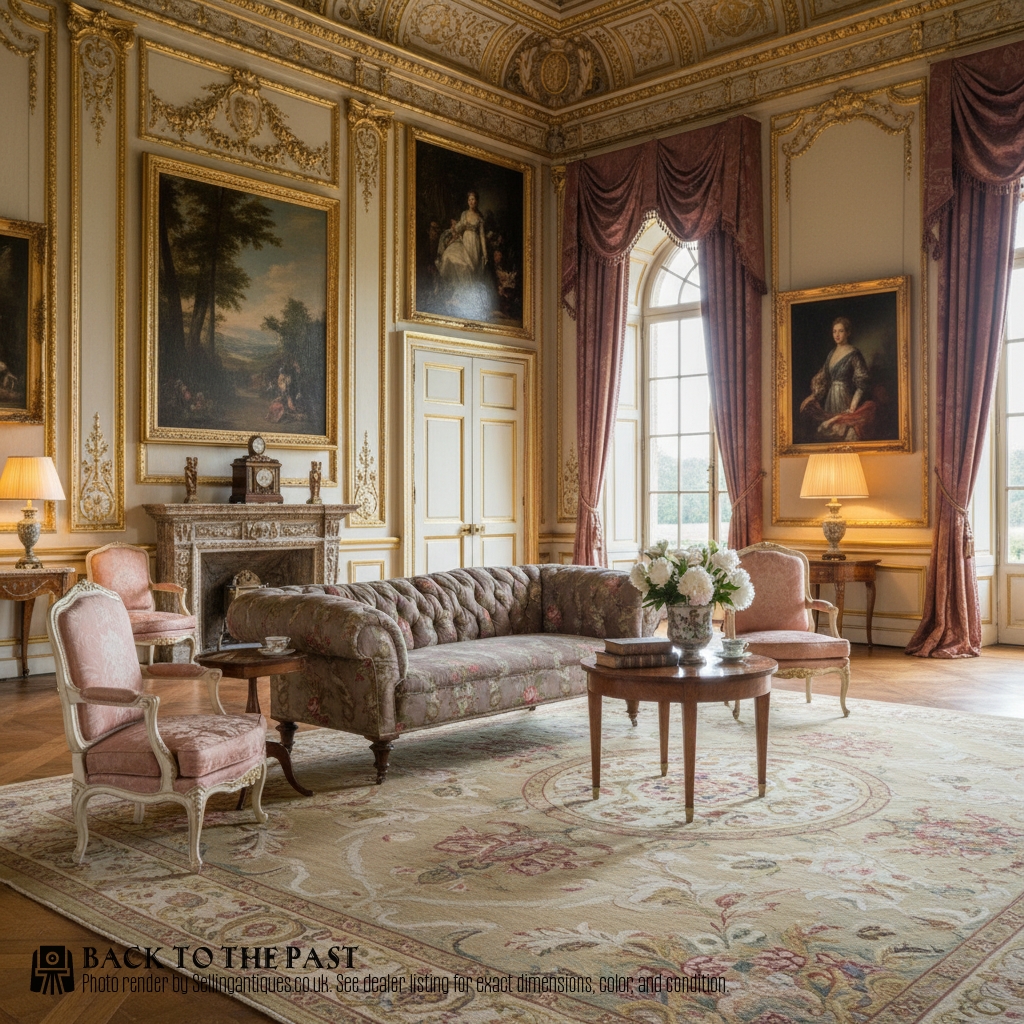
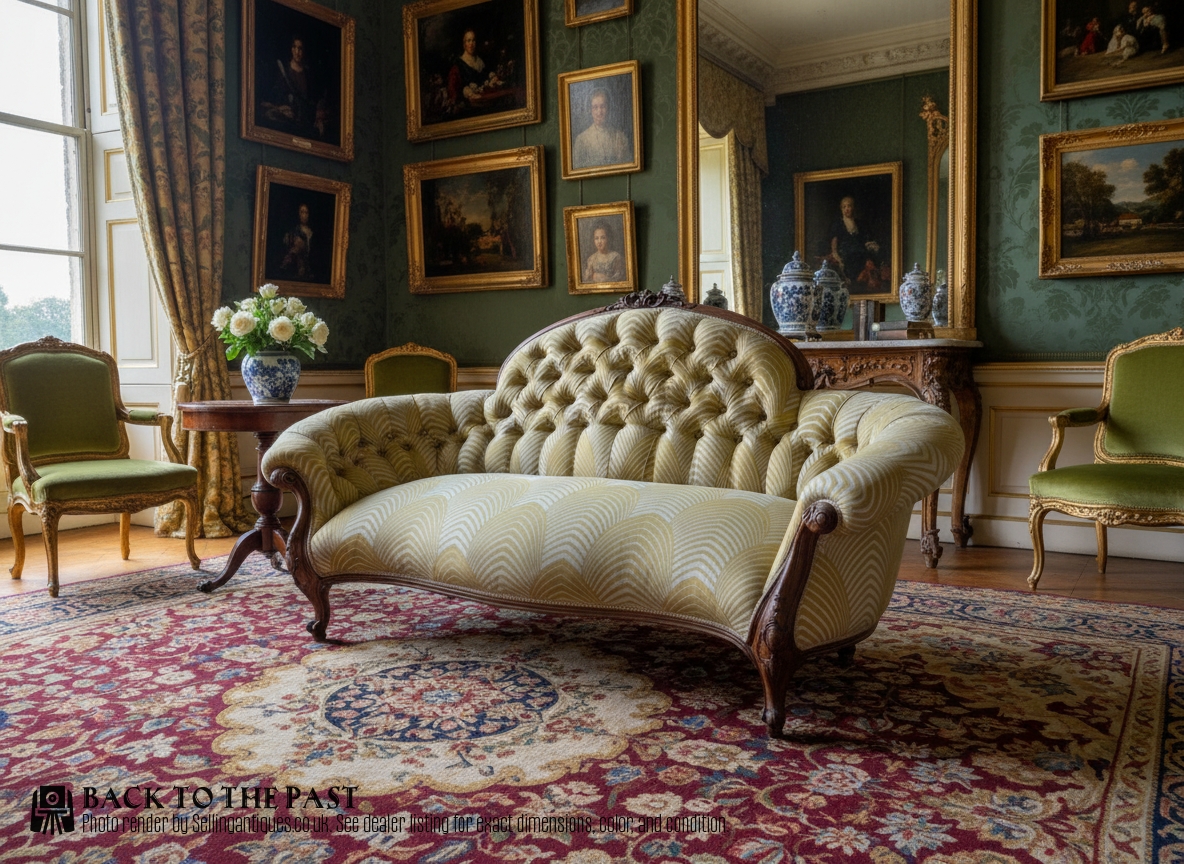
A deep buttoned settee is defined by its recessed tufting across the back and sometimes the seat, creating a structured yet yielding surface. When exploring this phrase, buyers encounter substantial seating forms designed for formal parlours and relaxed studies alike.
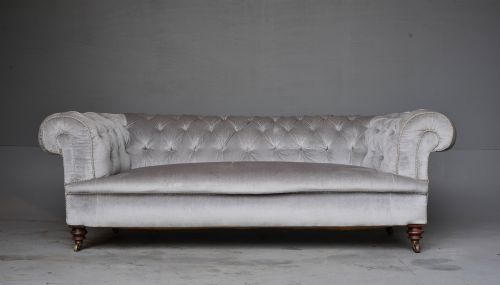
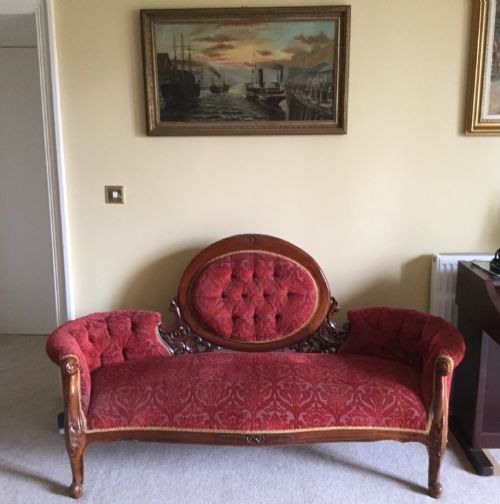
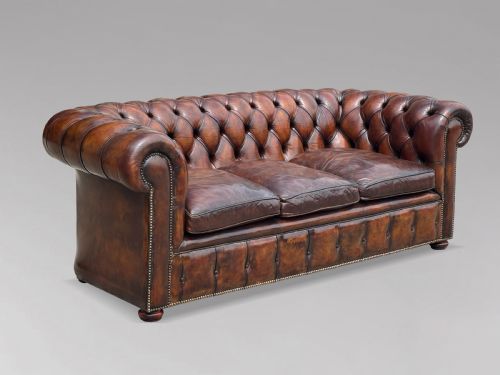
The most common examples on this page are Victorian Chesterfields upholstered in leather or fabric, alongside French salon pieces and twentieth-century interpretations. These seating options span the nineteenth and twentieth centuries, utilising sturdy wooden frames beneath heavy upholstery.
Makers such as Howard and Sons, Jackson and Graham, Hampton and Sons, and Jas Shoolbred appear in the records, marking pieces made by notable nineteenth-century cabinet makers and upholsterers.
Distinctions in quality and execution
Superior examples display precise tufting patterns where the tension of the buttons pulls the upholstery into uniform, symmetrical diamonds. The integrity of the internal coil springing and horsehair stuffing dictates the resilience of the seat.
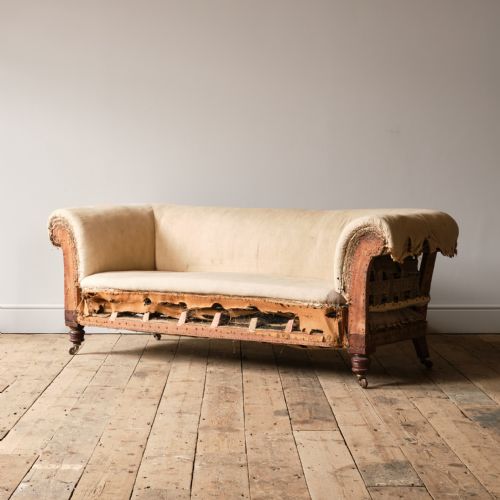
The choice of timber in the frame and the quality of the leather or woven fabric distinguish high-grade workshops from standard production. Original upholstery and untreated frames hold particular interest for collectors.
Deep Buttoned Settee Retail Price Guide 2026
Typical asking prices for deep buttoned settee among the pieces listed under this phrase on Sellingantiques today, from the lower quarter to the upper quarter. They describe what is for sale here now, not the wider market.
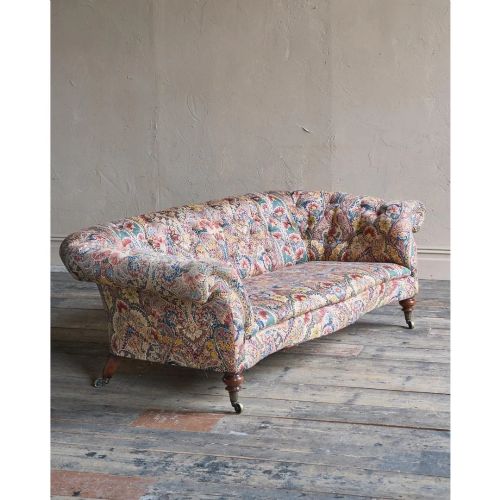
Some nineteenth-century settees arrive wearing multiple layers of historic cloth like stubborn archaeological layers.
Howard and Sons·Jackson and Graham·Hampton and Sons·Jas Shoolbred
The Deep Buttoned Settee Glossary
- Chesterfield
- A traditional upholstered sofa characterised by arms and back of the same height, featuring deep button tufting. This form remains a staple of nineteenth-century seating.
- Buttoned
- An upholstery technique where twine pulls fabric or leather deep into the stuffing and secures it with buttons. This creates the signature diamond pattern.
- Horsehair
- A traditional stuffing material derived from equine manes and tails, utilised for its springy and durable qualities. It provides firm support inside period frames.
- Salon Suite
- A matched set of seating furniture, including settees and chairs, designed for a formal drawing room. These suites often feature carved mahogany or walnut frames.
- Chaise Longue
- An upholstered long chair or day bed with a backrest at one end, designed for reclining. Variants incorporate deep buttoning and open arms.
Deep Buttoned Settee: Frequently Asked Questions
What is a deep buttoned settee?
A deep buttoned settee is an upholstered seat featuring tufted buttons pulled tight into the padding to create a textured diamond pattern across the back or seat.
These pieces range from leather Chesterfields to French salon sofas, originating primarily across the nineteenth and early twentieth centuries.
How do I identify a Victorian Chesterfield?
Victorian Chesterfields present low backs, scrolled arms matching the back height, and deep leather or fabric buttoning over robust wooden frames.
Many examples from this era incorporate coil springs and horsehair stuffing beneath the hide to ensure lasting structural support.
Where were these settees originally used?
Owners placed these settees in drawing rooms, libraries, and parlours as both formal seating and comfortable places to lounge.
Grand townhouses and country homes utilised larger three-seater variations, while smaller rooms accommodated compact salon pieces.
How should I care for leather upholstery?
Leather upholstery benefits from regular dusting and occasional treatment with appropriate conditioners to prevent the hide from drying out.
Keeping the leather away from direct heat sources and strong sunlight preserves the hand-dyed colour and natural suppleness of the material.