


Rolled Arm Settee
A rolled arm settee offers deep buttoning and enduring upholstery, grounding a room with traditional British seating.
Rolled Arm Settee
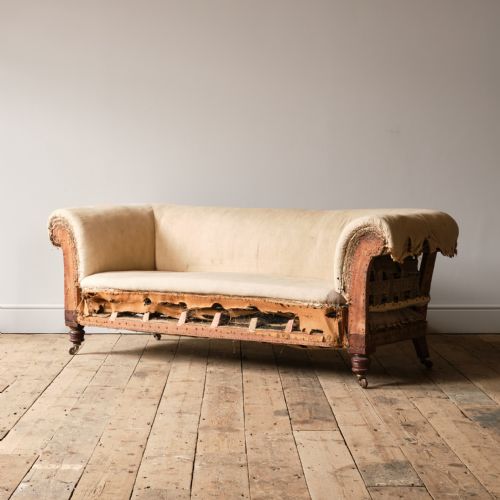
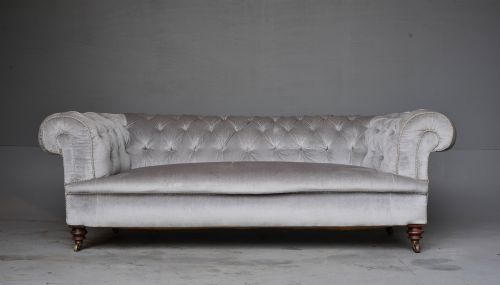
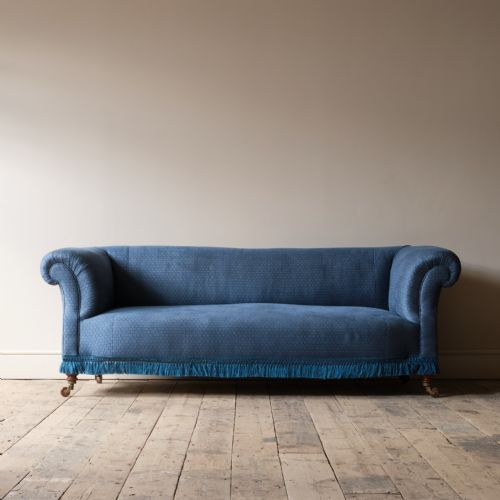
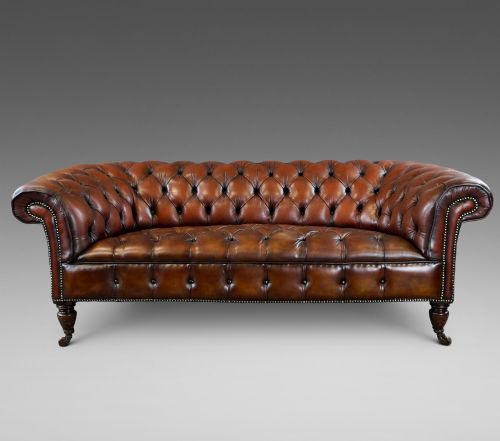
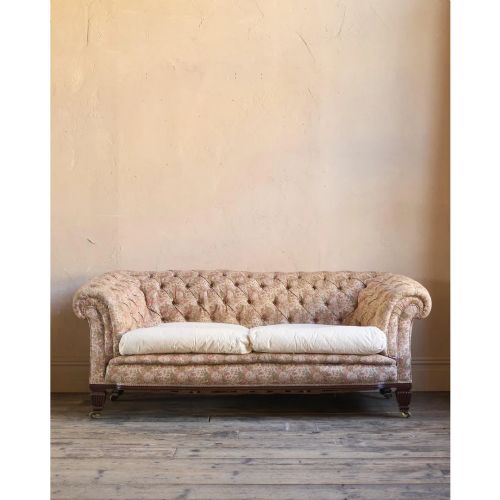
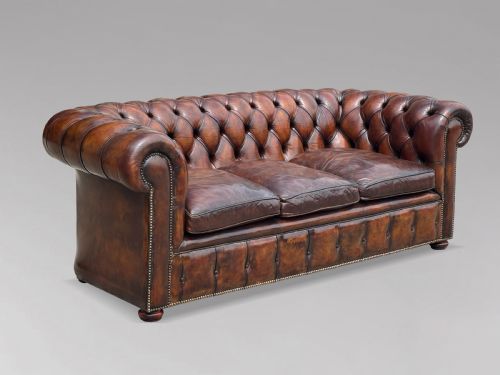
When you search for a rolled arm settee, you are looking at substantial seating forms that span the nineteenth and twentieth centuries, predominantly represented here by Chesterfield sofas.
These pieces appear in various iterations, from Victorian brown leather models and Edwardian examples to twentieth-century variants upholstered in hand-dyed leathers or designer fabrics.
The most common formats on this page are generous two and three-seater configurations, often featuring signature low backs and sweeping scrolled arms.
How they were made
Makers constructed the foundational frames using sturdy timbers and hardwoods like mahogany, supporting heavy sprung interiors designed for sustained comfort.
Upholstery relied on traditional methods, employing leather hides and various fabrics secured with deep buttoning techniques across the backrests and arms.
Rolled Arm Settee Retail Price Guide 2026
Typical asking prices for rolled arm settee among the pieces listed under this phrase on Sellingantiques today, from the lower quarter to the upper quarter. They describe what is for sale here now, not the wider market.
Some leathers arrive ready for custom dyeing, while others wear coats previously chosen for British racing cars.
What varies in quality
The distinction between tiers rests upon the integrity of the original timber frame, the depth and resilience of the internal springing, and the character of the leather or fabric covering.
Pieces retaining untouched original hides or bearing marks from notable nineteenth-century makers hold greater distinction than later or heavily altered equivalents.
Howard and Sons·Hampton and Sons·Maple and Co
The Rolled Arm Settee Glossary
- Chesterfield
- A traditional sofa style characterised by rolled arms and deep buttoned upholstery. It remains a staple of British seating history.
- Buttoning
- A technique where upholstery is pulled deep into the padding and secured with buttons to create a diamond pattern. This method adds structural tension and visual texture.
- Hardwood
- Dense timber derived from broad-leaved trees, utilised for strong furniture framing. It provides the necessary rigidity for heavy seating.
- Raw leather
- Hide that has been tanned but lacks surface colour treatment, awaiting custom dyeing. This allows for bespoke finishing on antique frames.
- Moustache back
- A decorative upper backrail carved or shaped with sweeping curves resembling a moustache. This styling appears on select nineteenth-century seating.
Rolled Arm Settee: Frequently Asked Questions
What defines a Chesterfield sofa?
A Chesterfield is identified by arms that match the height of the back, coupled with deep buttoned upholstery across the frame.
These pieces typically present a low profile and generous proportions designed for formal or domestic lounging.
How do I care for antique leather?
Maintain antique leather by applying suitable conditioners periodically to prevent the hide from drying and cracking over time.
Keep such seating away from direct heat sources and strong sunlight to preserve the natural tone and suppleness of the material.
Are these sofas comfortable for daily use?
The supportive springing and deep padding make these settees well-suited for regular sitting and relaxing in a living space.
Individual comfort depends on the firmness of the internal webbing and the restored condition of the padding.
How do I identify a Victorian example?
Victorian pieces often display heavier timber frames, traditional hand-stitched horsehair stuffing, and darker patinated leather surfaces.
Examining the construction methods underneath or at the back usually reveals the age and period characteristics.