
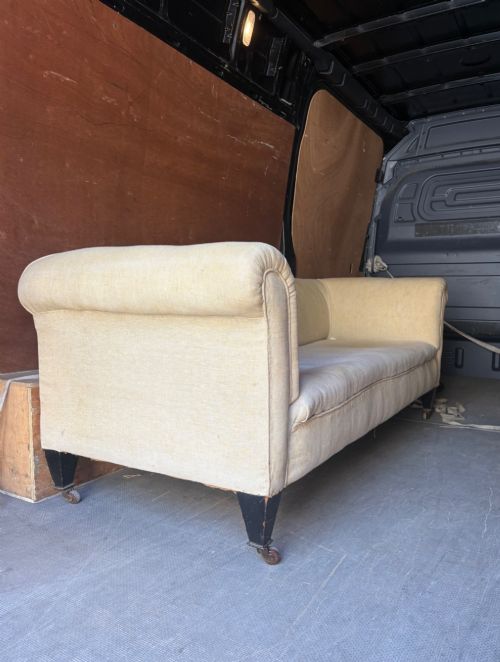
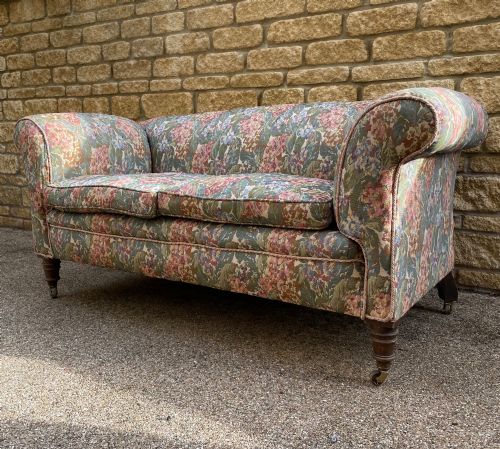
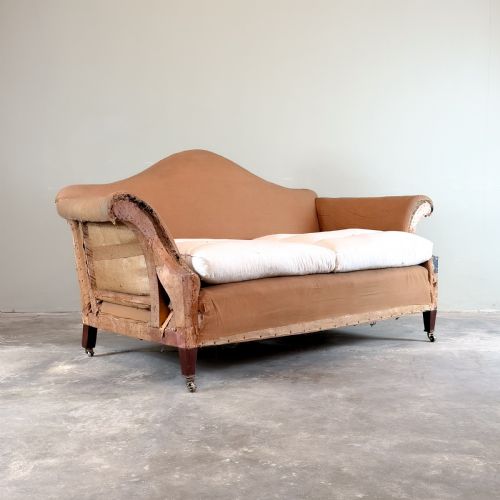
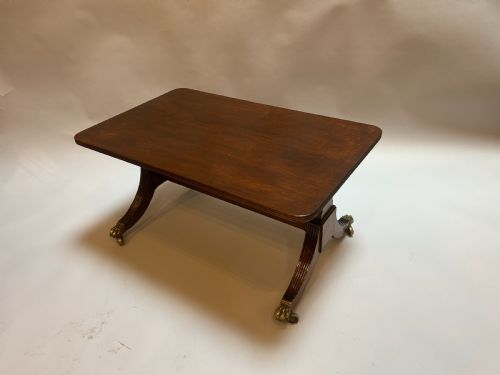
Brass Castor Sofa
These pieces associated with a brass castor sofa span the Regency, Victorian, and Edwardian periods, uniting seating and tables with metal wheel supports.
Brass Castor Sofa
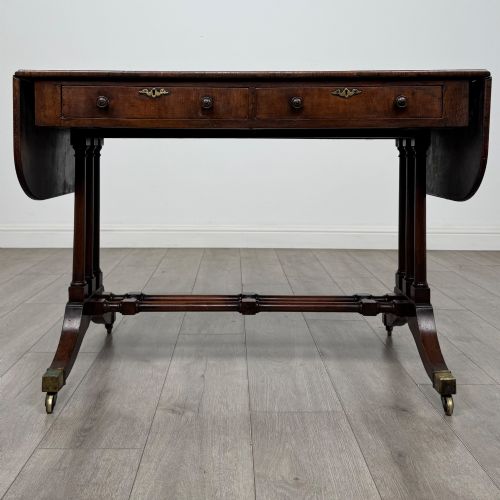
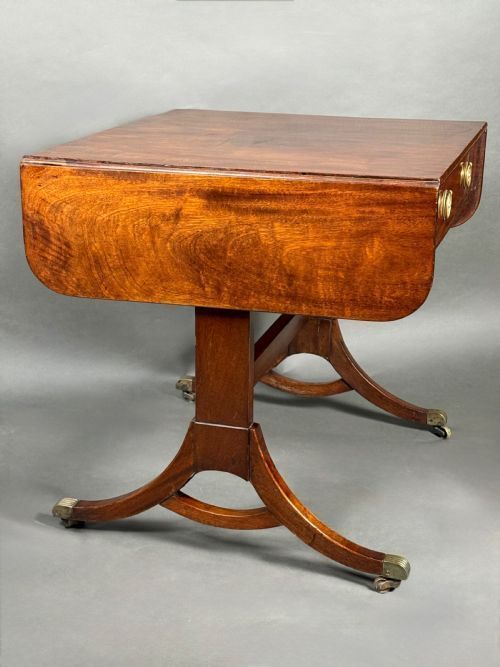
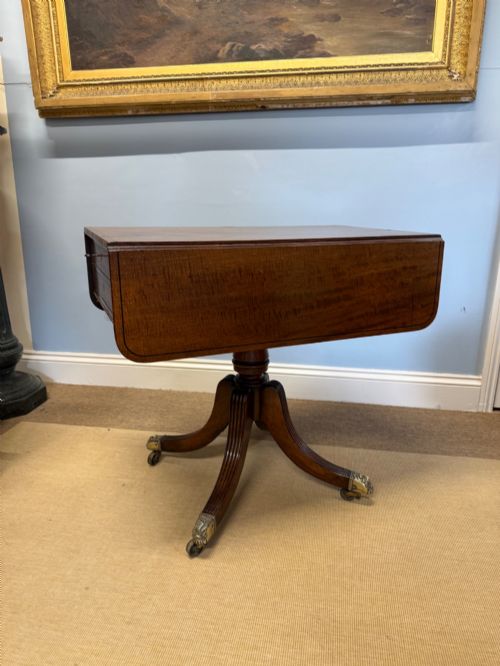
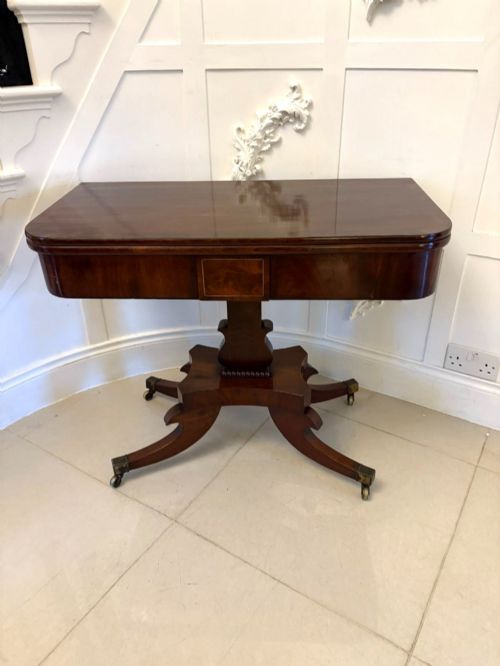
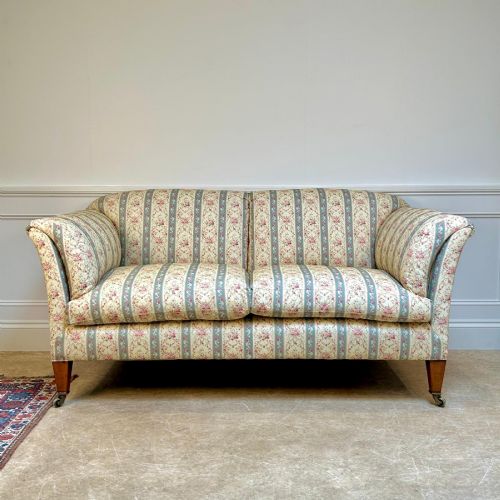
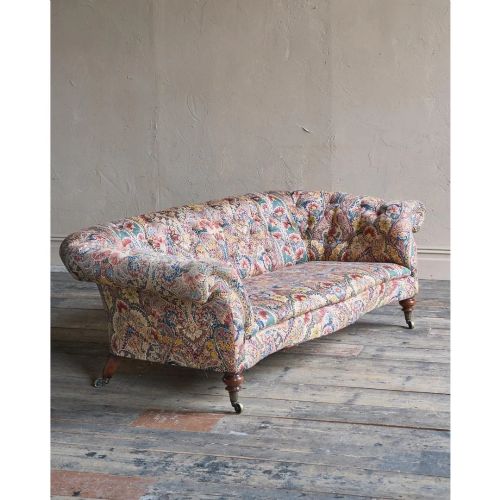
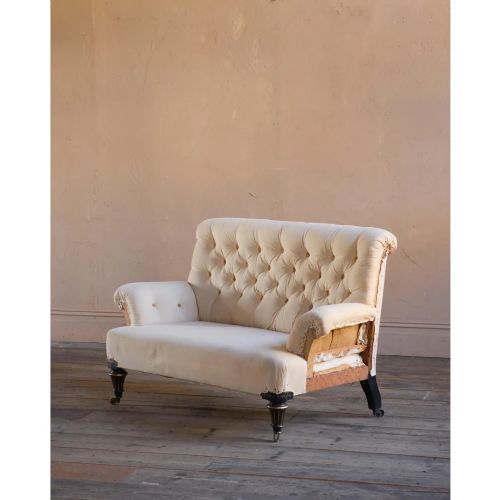
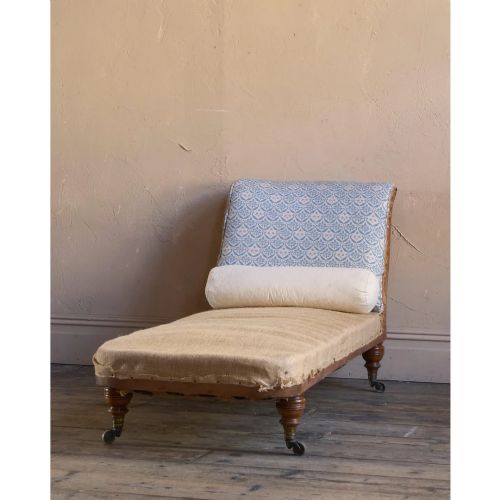
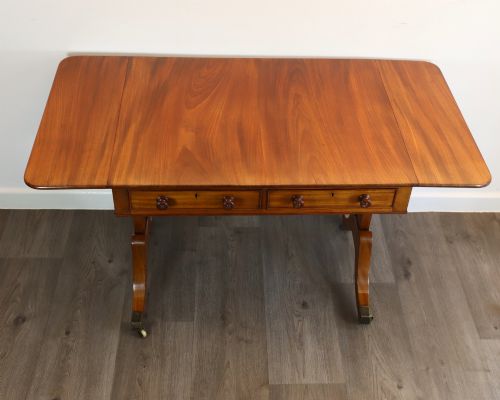
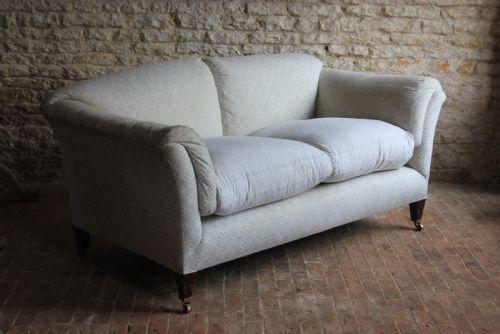
A buyer investigating a brass castor sofa encounters a mix of heavy seating, such as Chesterfield sofas, drop-arm settees, and chaise longues, alongside mobile tables like sofa tables and Pembroke tables. These items originate from periods spanning the 18th century through the early 20th century, encompassing Georgian, Regency, William IV, Victorian, and Edwardian eras.
The most common versions met on this page are mahogany sofa tables with drop leaves and low-slung Victorian or Edwardian upholstered Chesterfords and chaises longues. Many of these seating options and freestanding tables rely upon concealed or exposed metal wheels to enable movement across carpets and wooden floors in period drawing rooms.
Materials and construction
Makers utilised timber solids and veneers, primarily figuring mahogany, rosewood, yew wood, pollard oak, satinwood, and walnut for table structures and exposed wooden legs. Upholstered seating forms rely upon internal webbing and springs covered in calico, linen, or various upholstery fabrics.
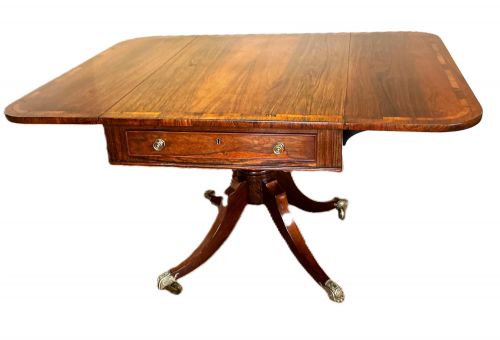
Metal components, specifically brass for castors, paw feet, and cappings, were cast and fitted to the base of table pedestals and sofa legs to provide both decorative contrast and structural mobility.
Brass Castor Sofa Retail Price Guide 2026
Typical asking prices for brass castor sofa among the pieces listed under this phrase on Sellingantiques today, from the lower quarter to the upper quarter. They describe what is for sale here now, not the wider market.
Some Victorian drop-arm sofas allowed gentlemen to nap without mussing their cravats.
Assessing quality and craftsmanship
The distinction between standard workshop output and top-tier cabinetmaking lies in the selection of figured timber veneers, the crispness of brass casting, and the integrity of internal joinery. Finer pieces demonstrate careful book-matching on table tops and robust secondary woods within drawer linings.
Upholstered seating quality separates based on the retention of traditional stuffing materials, the resilience of original webbing, and the proportional harmony of turned or carved wooden supports bearing the weight on brass castors.
Howard & Sons·Jackson and Graham·Hampton & Sons·Holland & Sons·Andrew Thomson & Sons
The Brass Castor Sofa Glossary
- Castor
- A small wheel mounted on a swivel attached to the bottom of furniture legs for ease of movement. These are frequently fashioned from brass in various Regency and Victorian designs.
- Sofa Table
- A type of Pembroke table designed to stand in front of a sofa, featuring drop leaves on either side and usually two small drawers. They emerged prominently during the Regency period.
- Chesterfield Sofa
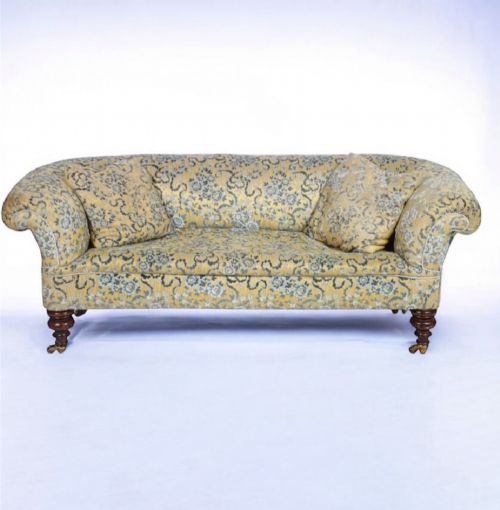
- A large upholstered sofa with deep buttoning and rolled arms of the same height as the back. Victorian examples often rest on turned mahogany legs with brass hardware.
- Pembroke Table
- A small rectangular table with hinged drop leaves on the long sides. They appeared in various woods throughout the Georgian and Victorian eras.
- Chaise Longue
- An upholstered long chair for reclining, shaped like a chair combined with a footstool. 19th-century versions frequently incorporate show-wood frames and castors.
Brass Castor Sofa: Frequently Asked Questions
What is a brass castor sofa?
A brass castor sofa generally refers to heavy 19th-century upholstered seating, such as a Chesterfield or chaise longue, mounted on small metal wheels.
These wheels allowed heavy furniture to be repositioned easily across carpets in historic drawing rooms without damaging the floorboards.
How do I date a sofa table?
Dating relies on timber choice, such as figured mahogany or rosewood, and the stretcher design between the trestle ends. Regency examples often feature distinct lyre supports or pillar bases.
Cabinetmakers of the 19th century refined these proportions, moving from lighter Georgian forms to heavier Victorian constructions.
Where were these pieces used?
These items belonged in formal reception rooms, libraries, and drawing rooms of large country houses and urban townhouses. Mobile tables served tea or held reading material near seating groups.
Upholstered pieces provided comfortable lounging options for the household during the Victorian and Edwardian periods.
Are sofa tables and Pembroke tables different?
Sofa tables were specifically proportioned to sit behind a sofa, featuring two small drawers and drop leaves. Pembroke tables are generally smaller occasional tables with similar hinged leaves.
Both forms utilise wood such as mahogany or satinwood and often incorporate brass castors for mobility.