


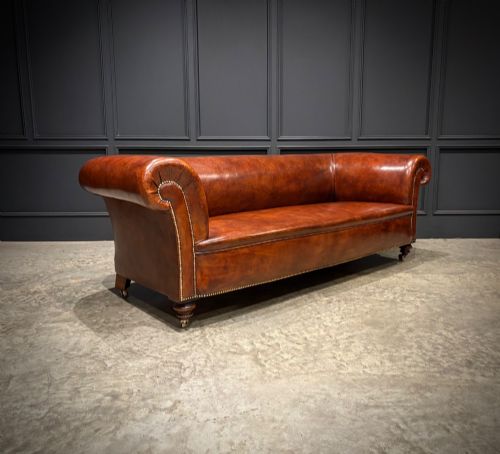


Nineteenth Century Settee
A nineteenth century settee anchors a room with presence, offering deep seating shaped by Victorian, Regency, and French revival hands.
What the nineteenth century settee is
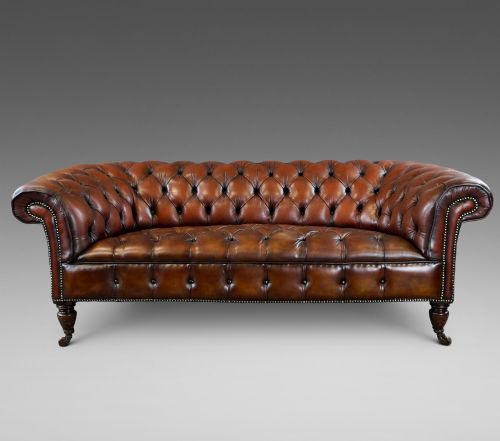
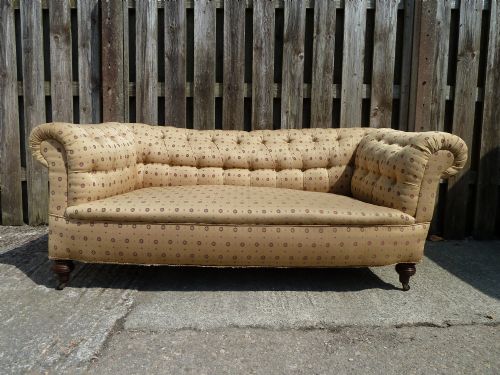
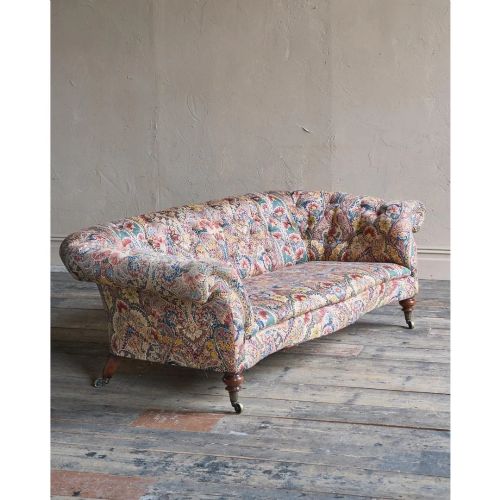
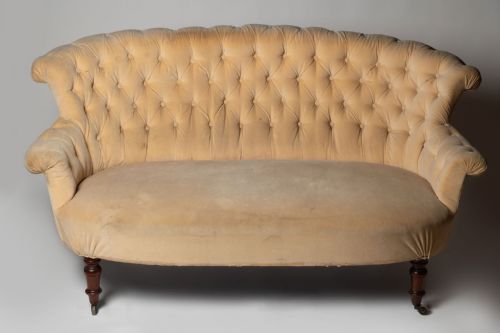
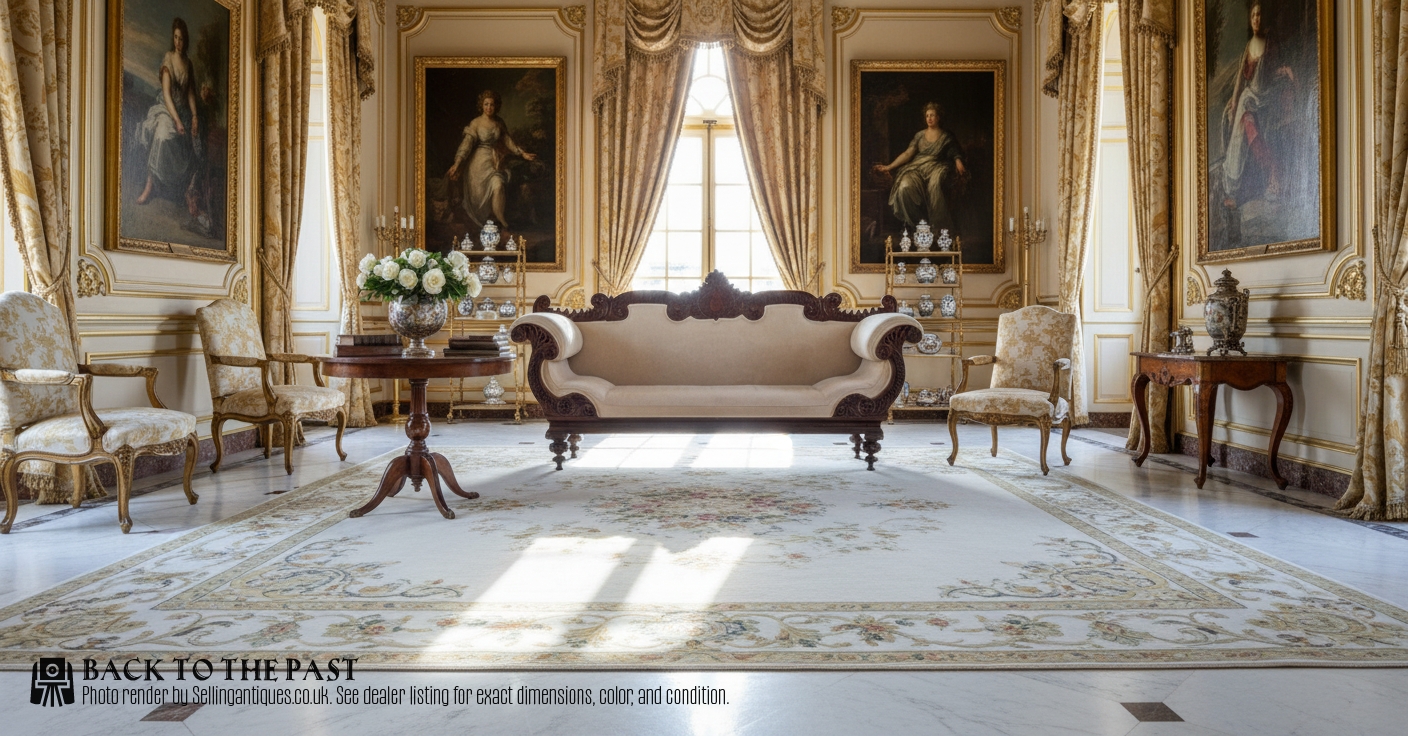
A nineteenth century settee spans substantial Victorian chesterfields, French Empire revival salon seating, and Regency four-seater forms designed for formal entertaining and daily repose. These pieces combine wood frames with generous upholstery, taking the form of sofas, couches, and reception chaises across the listed items.
Buyers meet variations ranging from carved walnut and painted caned bergère frames to massive mahogany pieces adorned with ormolu mounts. The materials include silk, velvet, fabric, and brass, crossing stylistic boundaries from French neoclassical to heavy Victorian lines.
How they were made
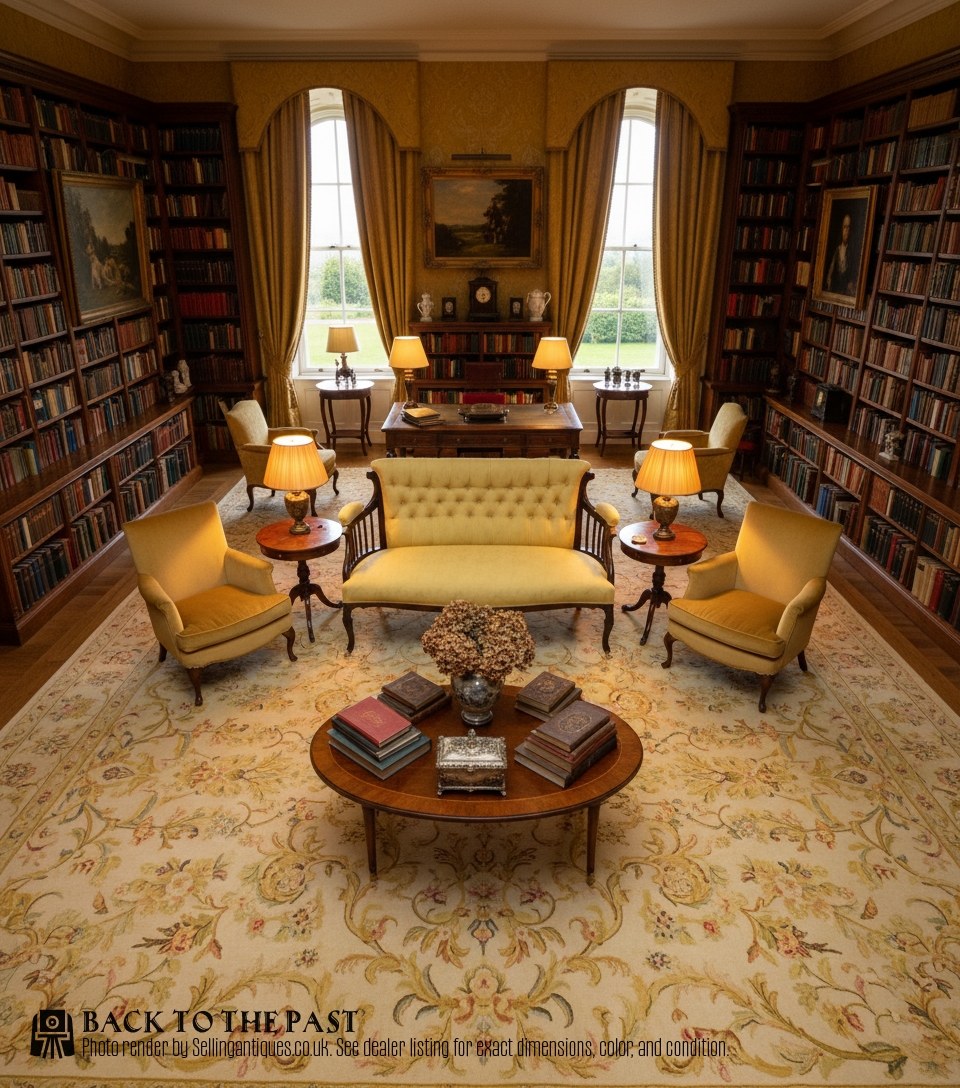
Craftsmen built structural skeletons using hardwoods such as mahogany, beech, walnut, and rosewood, ensuring strong weight-bearing foundations for large seating forms. Visible wood elements received detailed carving or painted finishes, occasionally complemented by applied metal details.
Upholstery layers integrated springs, horsehair, or stuffing held beneath textiles like velvet, silk, and general decorative fabrics, while brass components added finishing touches to joints and mounts.
Retail Price Guide 2026
Typical UK retail prices for nineteenth century settee, calculated from the Sellingantiques database of over a million retail prices indexed since 2003. This retail price guide relies exclusively on Sellingantiques data; no external sources or auction records are used, so the figures do not describe the wider market.
Green velvet chaises sit waiting for Victorian ghosts to recline.
What varies in quality
Quality rests in the architectural integrity of the wooden frame and the crispness of carved detail, distinguishing simple workshop output from master cabinetmaker execution. Ormolu mounts and fine ormolu detailing show superior metalwork skill when cast sharply rather than finished flat.
The choice of covering material and the depth of the underlying upholstery build determine the tactile richness of the piece. Dense hardwoods and precise joinery ensure the frame remains rigid over generations of use.
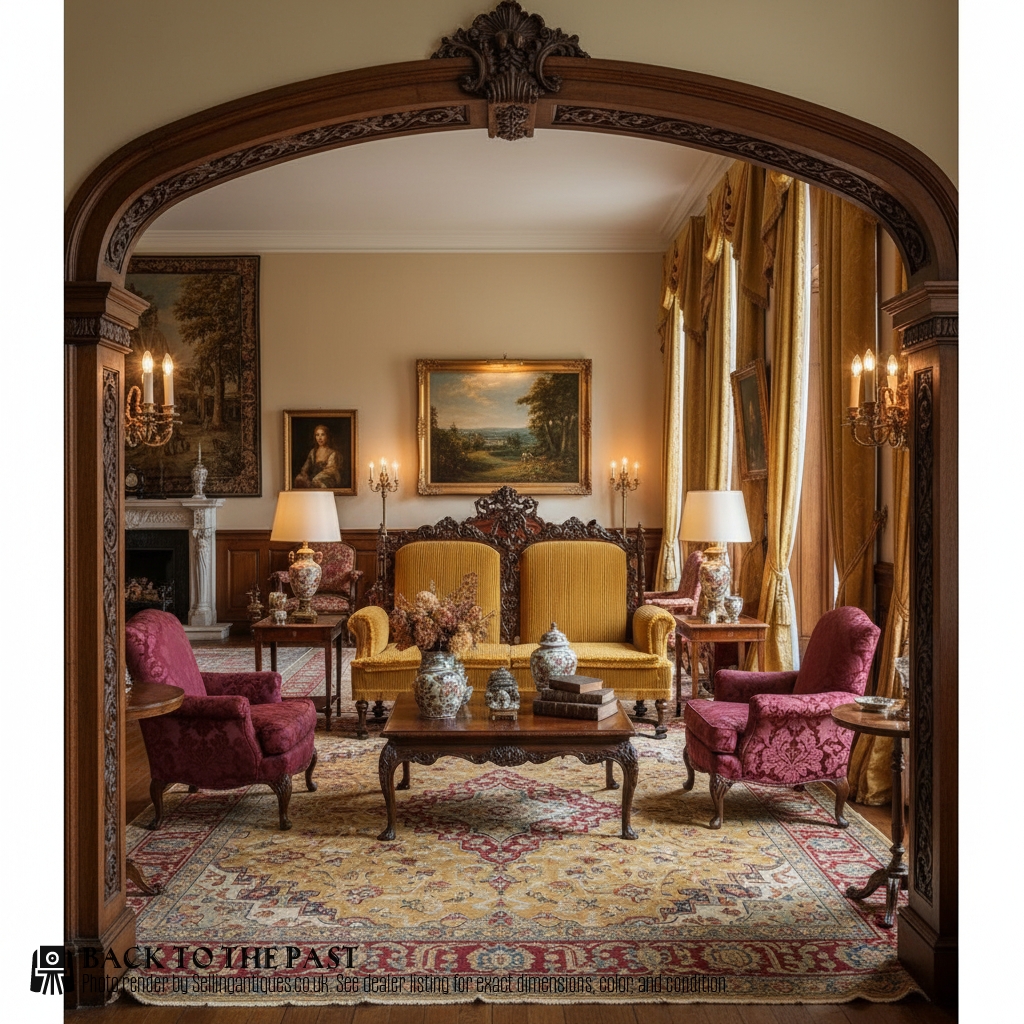
Howard And Sons
The Nineteenth Century Settee Glossary
- Bergère
- An enclosed armchair or sofa with upholstered sides, often featuring exposed wooden frames and cane panelling. This French seating form provides structured comfort.
- Ormolu
- Gilded bronze mounts applied to furniture woodwork as decorative enrichment. This technique creates metallic contrast against dark woods like mahogany.
- Caned
- Woven rattan or split reed stretched across wooden chair or sofa frames for lightweight backrests or seats. This method offers breathable flexibility.
- Chesterfield
- A large upholstered sofa with deep buttoning and rolled arms of equal height to the back. This iconic form prioritises sturdy interior padding.
Frequently Asked Questions
How do I clean nineteenth century settee velvet?
Velvet upholstery requires gentle brushing with a soft-bristled brush to lift flattened pile and remove surface dust.
Avoid using water or standard chemical cleaners, which can permanently mark historic pile surfaces; consult a textile conservator for deeper stains.
Are these settees comfortable for daily use?
Nineteenth-century settees were built with substantial interior padding and robust spring systems designed for formal sitting.
While supportive, their firm historical stuffing differs from modern sink-in cushions, making them better suited for upright lounging.
How do I date a nineteenth century settee?
Dating relies on identifying stylistic markers, such as heavy Victorian curves, Regency proportions, or neoclassical French revival motifs.
Examining the underlying timber, joinery techniques, and hardware fastenings helps confirm the period of manufacture.