
Traditional English Sofa
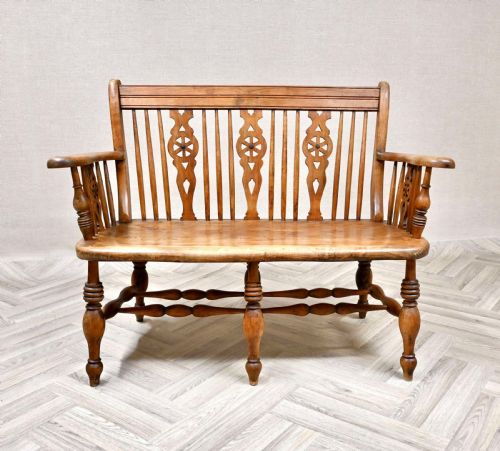
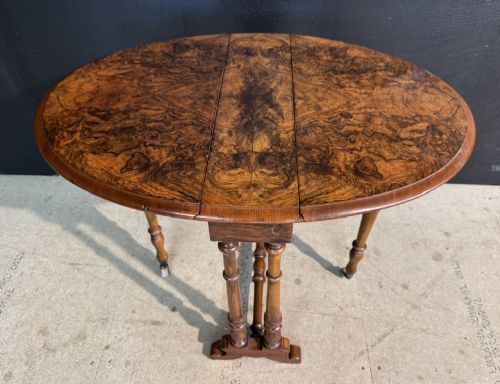
A traditional English sofa brings a distinct anchor of comfort and heritage to a room, offering deep seats and enduring forms.

What these sofas are
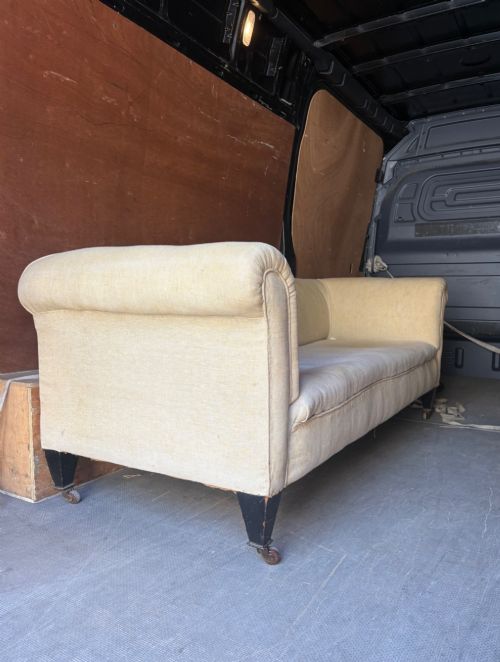
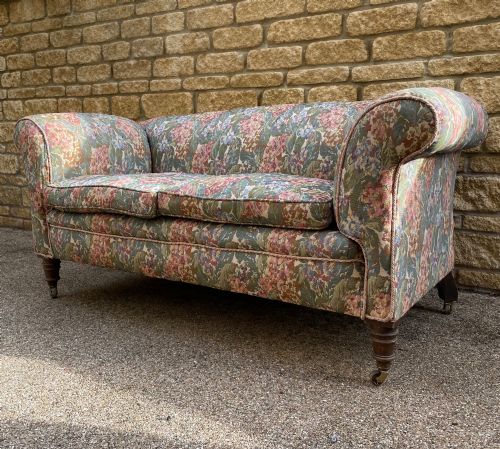
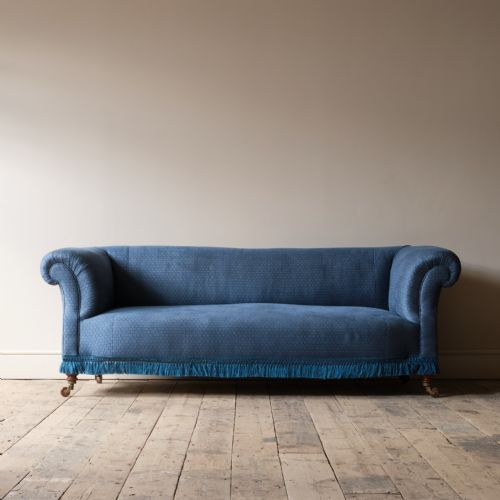
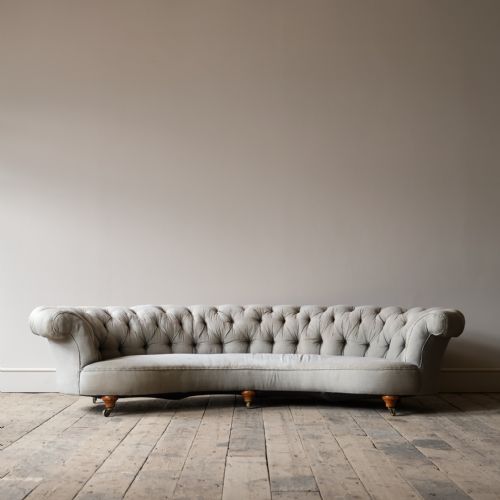
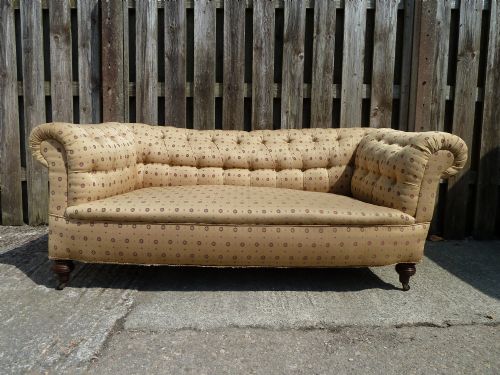
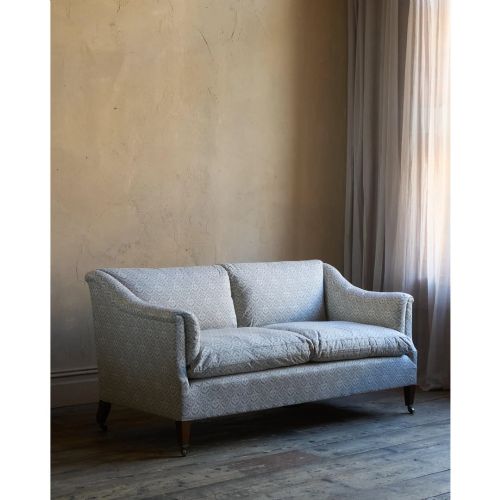
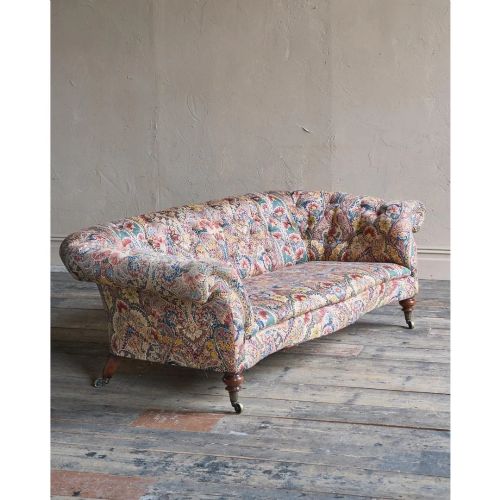
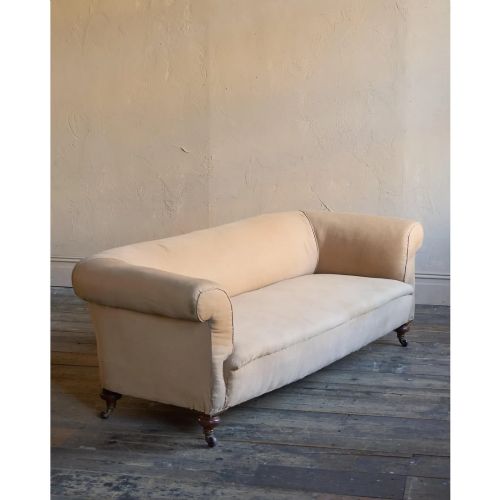
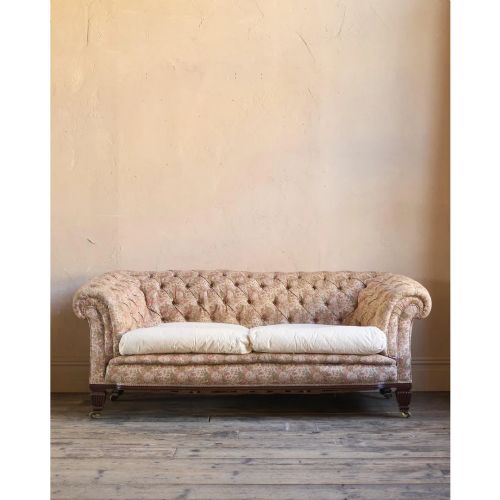
When you search for a traditional English sofa, you encounter deep-seated upholstered seating originating from the nineteenth and early twentieth centuries. These pieces encompass classic forms such as the Chesterfield and the Knole sofa, rooted in Victorian and English country house aesthetics.
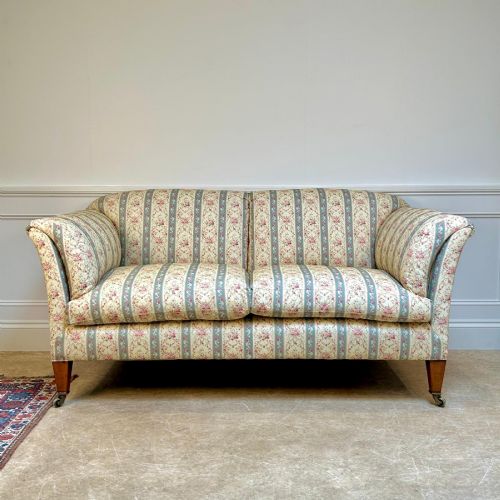
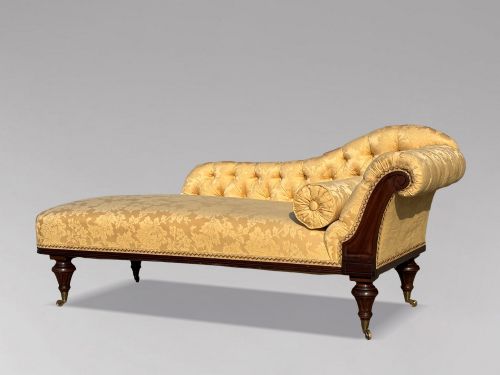
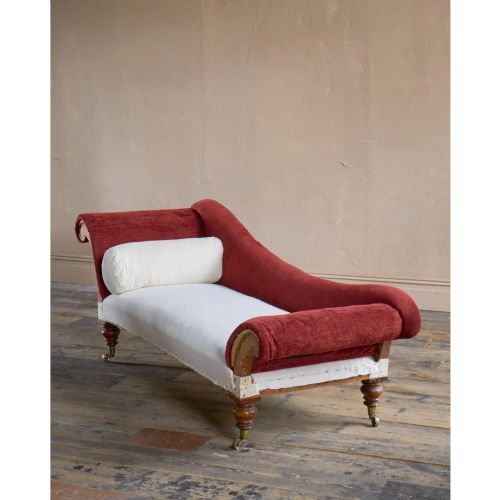
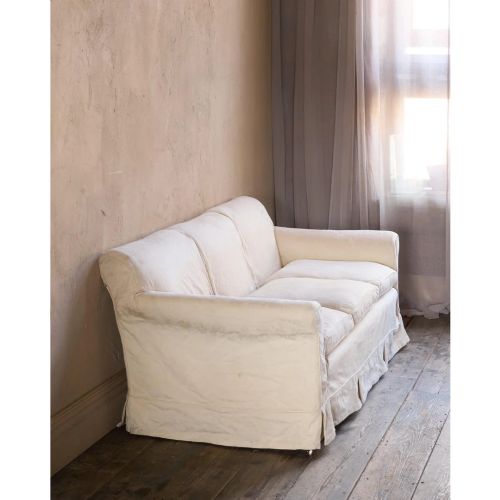
The versions most commonly met on this page span the nineteenth century up to the 1930s. They include substantial timber frames upholstered in fabrics like damask, calico, hessian, and hand-dyed leather.
Makers such as Howard and Sons and Hampton & Sons frequently appear among the nineteenth-century examples. Their output establishes the benchmark for British seating design from this era.
How they were made
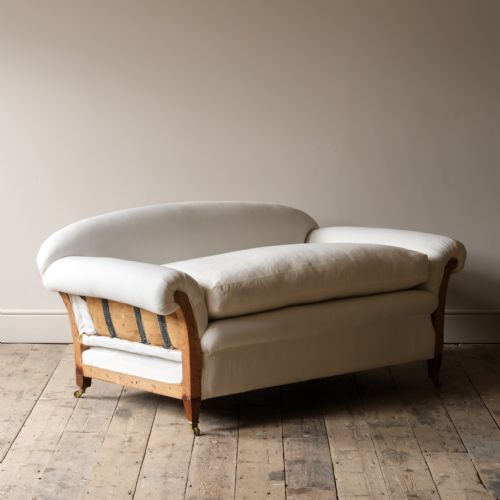
Makers constructed these frames from hardwoods and solid timber to withstand heavy domestic use. Artisans then fitted internal support systems utilising traditional methods like fully loose coil springing and horsehair filling.
Upholsterers finished the exterior using tactile materials such as brass detailing, hessian backing, and fine textile coverings including floral prints and gold damask.
Retail Price Guide 2026
Typical UK retail prices for traditional english sofa, calculated from the Sellingantiques database of over a million retail prices indexed since 2003. This retail price guide relies exclusively on Sellingantiques data; no external sources or auction records are used, so the figures do not describe the wider market.
Listings feature pieces spanning the nineteenth century up to the 1930s, utilising wood, brass, leather, and hessian.
What varies in quality
The distinction between standard output and the finest examples rests on the pedigree of the maker and the integrity of the original frame. Pieces bearing stamps or signatures from esteemed workshops command greater attention from collectors.
The refinement of the internal stuffing and the choice of original or period-appropriate fabric covering further divide ordinary pieces from exceptional survivals of British upholstery craftsmanship.
Howard and Sons·Hampton and Sons
The Traditional English Sofa Glossary
- Chesterfield
- A deep-buttoned upholstered sofa traditionally featuring arms and back of the same height. This form remains a cornerstone of British traditional seating.
- Knole sofa
- An early historic form featuring adjustable or hinged sides that can be raised or lowered. It derives its name from the historic Knole house in Kent.
- Horsehair gilled
- A traditional stuffing method using processed animal hair to provide resilient padding within the upholstery. It ensures the seat maintains its shape over decades of use.
- Coil springing
- An arrangement of interconnected metal springs tied by hand within the frame to distribute weight evenly. This technique offers superior comfort compared to rigid padding.
Frequently Asked Questions
What defines a traditional English sofa?
A traditional English sofa is defined by its robust hardwood frame, generous proportions, and deep upholstery rooted in nineteenth-century British craftsmanship.
These pieces often feature classic silhouettes such as rolled arms, buttoned backs, or adjustable sides associated with country house interiors.
How do I identify a Howard and Sons sofa?
Identifying a Howard and Sons piece typically involves examining stamped markings on the wooden frame or brass castors. These makers are renowned for their exceptional nineteenth-century upholstery and bespoke framing.
Their sofas often utilise traditional coil springing and high-grade internal stuffing that mark them out from standard Victorian workshop production.
What materials were used inside these sofas?
Internal construction relied on natural and durable materials to provide long-lasting support. Makers used horsehair for padding and hessian for scrims and foundations.
Frames were built from solid timber and hardwood, supported by hand-tied coil springs and accented with brass hardware.
How do I care for a leather Chesterfield?
Caring for a hand-dyed leather Chesterfield requires maintaining the moisture of the hide using appropriate balms or waxes. Regular dusting prevents particle buildup in the deep crevices of the buttoning.
Keep the piece away from direct heat sources and strong sunlight to preserve the natural depth of the leather dye.