
Victorian Button Back Sofa
A victorian button back sofa offers deep comfort and grand presence, shaped by nineteenth century cabinet-makers and upholsterers.
What They Are
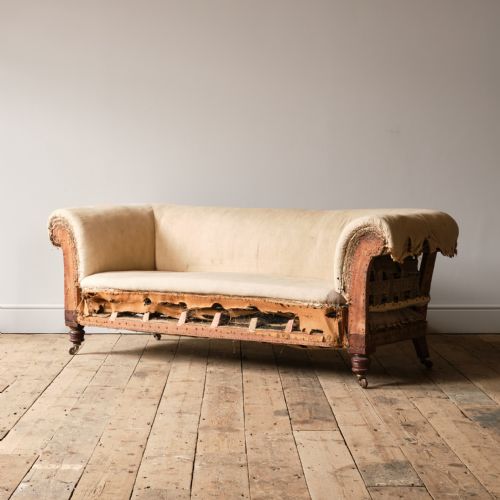
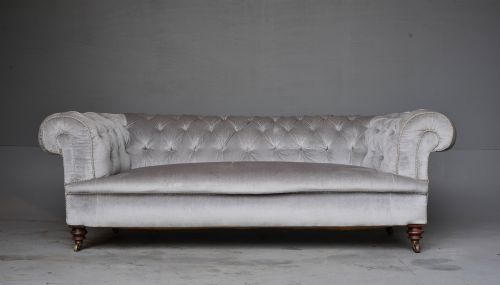
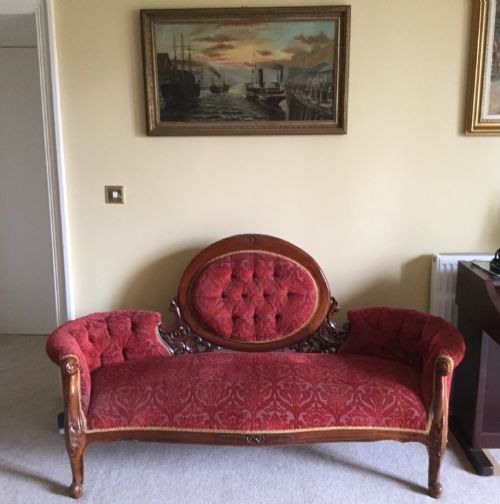
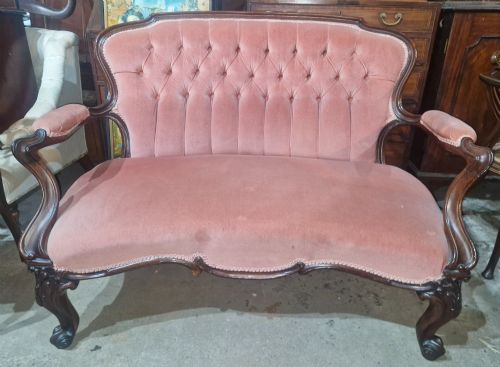
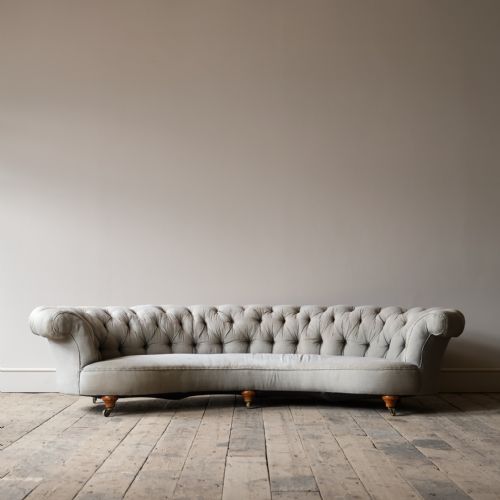
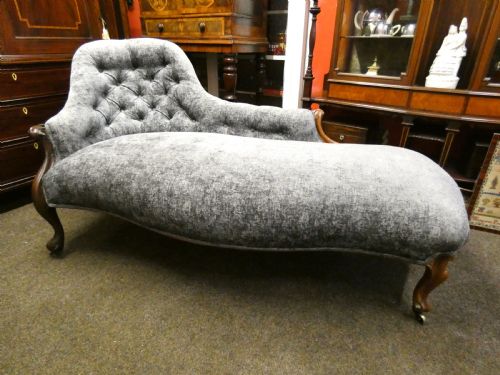
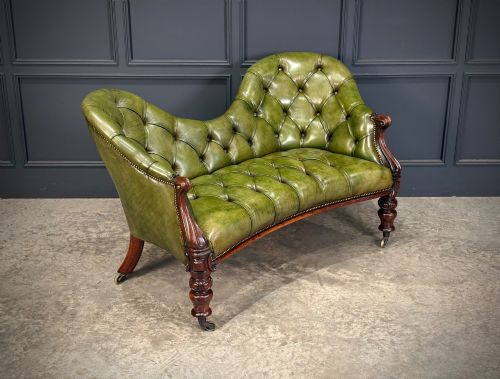
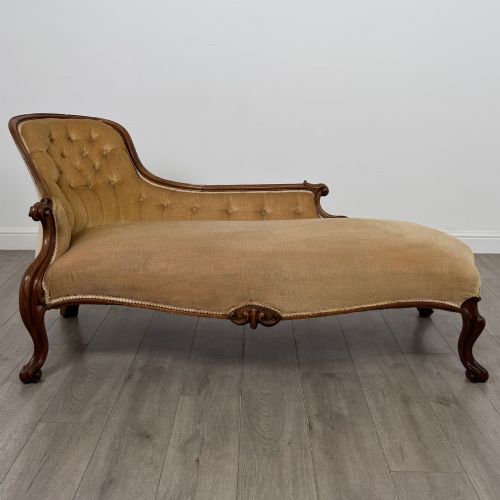
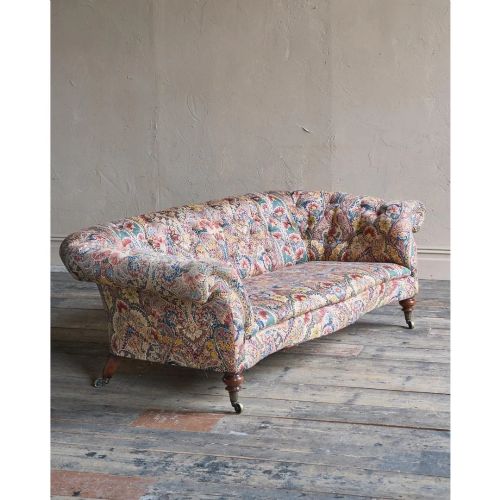
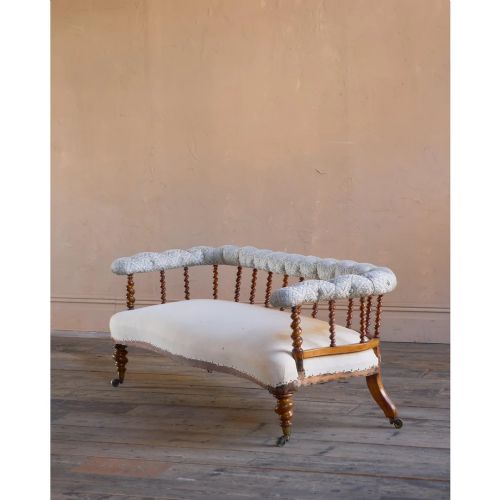
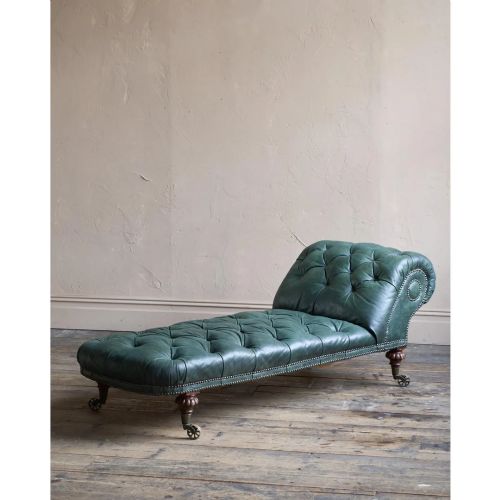
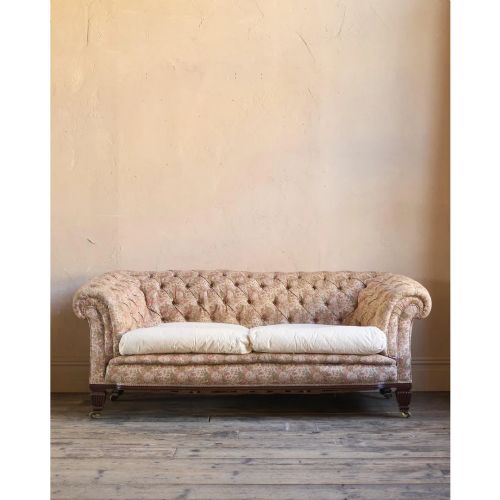
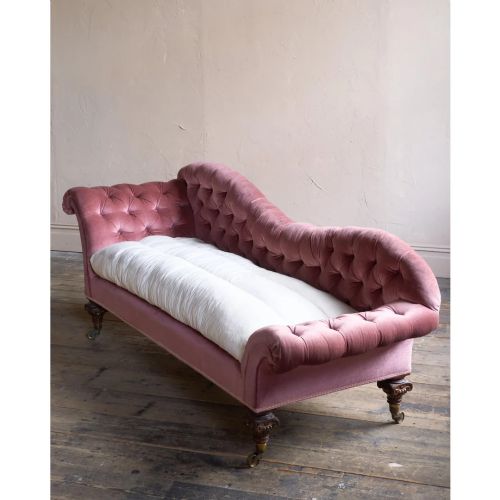
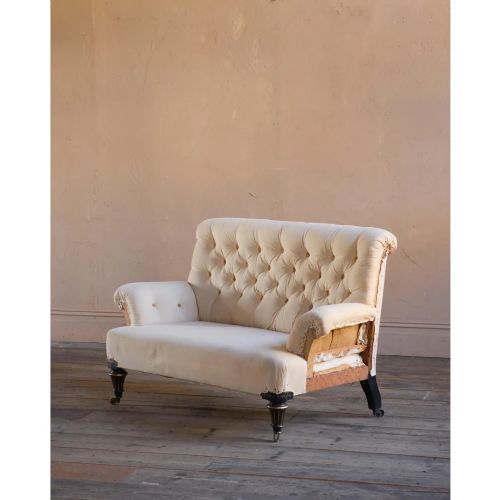
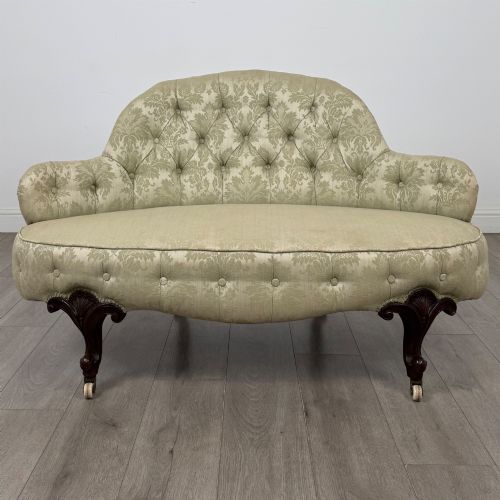
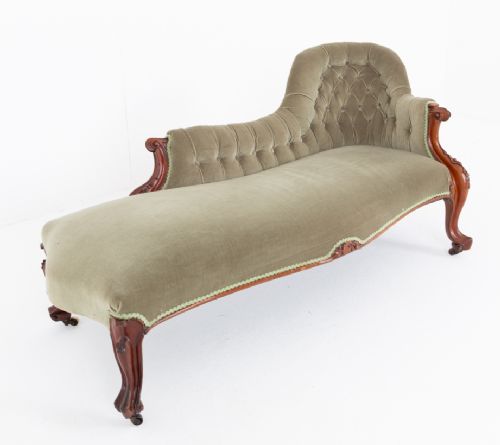
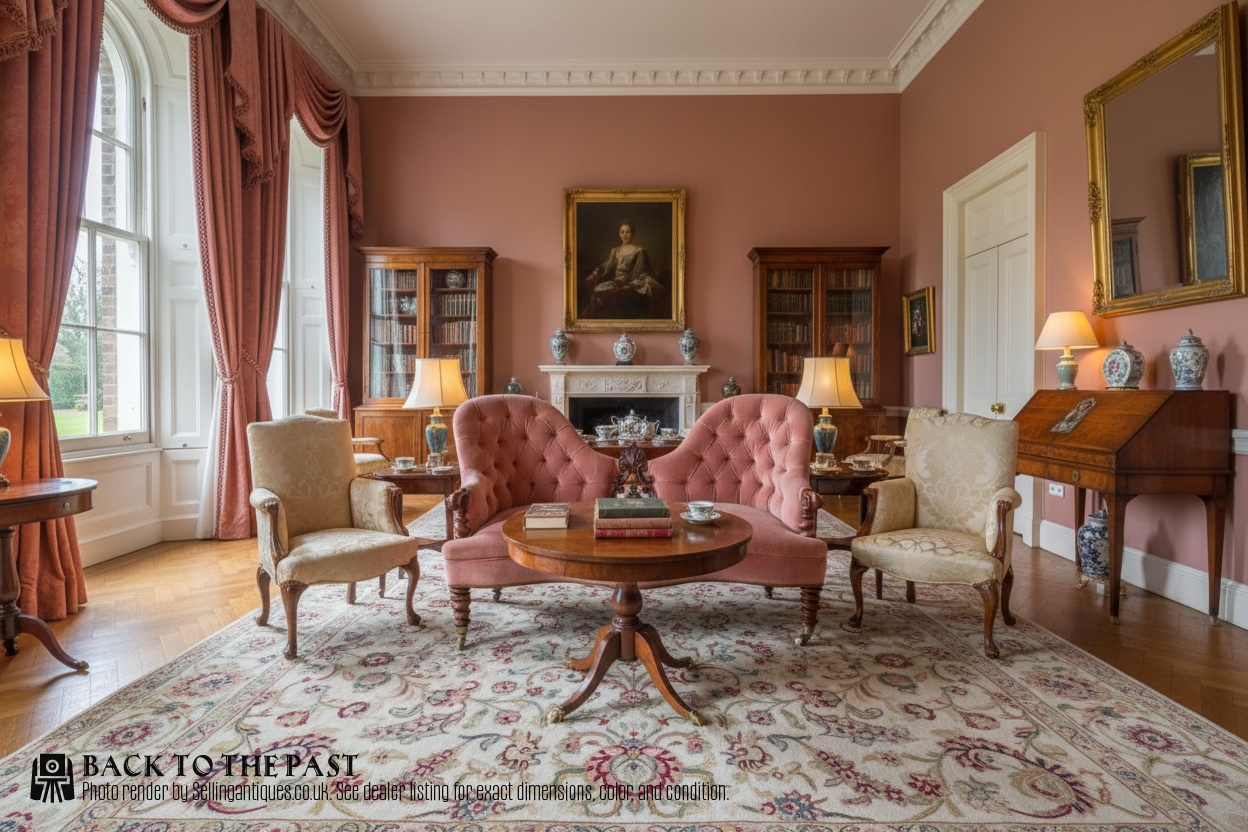
A victorian button back sofa is a deeply upholstered seat designed for the formal parlours and drawing rooms of the nineteenth century. These pieces appear in various forms on this page, including traditional settees, chesterfields, daybeds, conversation seats, and chaise longues.
The standard version met here is typically walnut or mahogany with characteristic deep tufting securing the upholstery. Surviving examples range from compact two-seat models to large country house chesterfields and curved serpentine settees.
How They Were Made
Frames are constructed from hardwoods such as walnut, mahogany, beech, and ebonised wood, occasionally supported by iron internal structures. Joinery is paired with traditional supportive materials including hessian webbing.
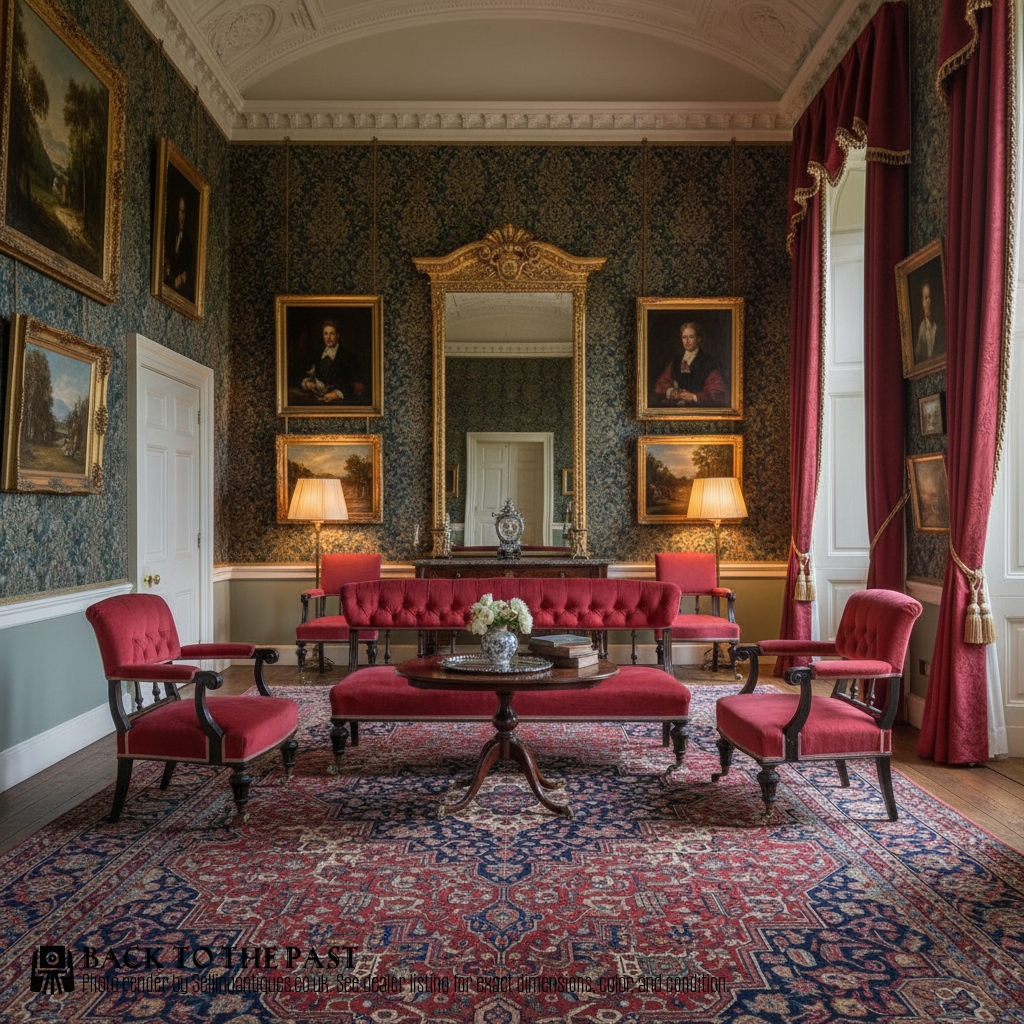
Upholstery relies on fabric, velvet, or leather pulled tight over padding and secured with characteristic buttons. Show-wood frames display carved details, while legs frequently feature brass cappings and castors.
Retail Price Guide 2026
Typical UK retail prices for victorian button back sofa, calculated from the Sellingantiques database of over a million retail prices indexed since 2003. This retail price guide relies exclusively on Sellingantiques data; no external sources or auction records are used, so the figures do not describe the wider market.
Listings feature walnut, mahogany, beech, and ebonised wood alongside velvet, leather, and fabric.
What Varies in Quality
The standard of timber framing sets the baseline, with finely carved walnut or mahogany frames showing superior hand-workmanship over simpler beech structures. Timber selection and structural rigidity dictate the longevity of the piece.
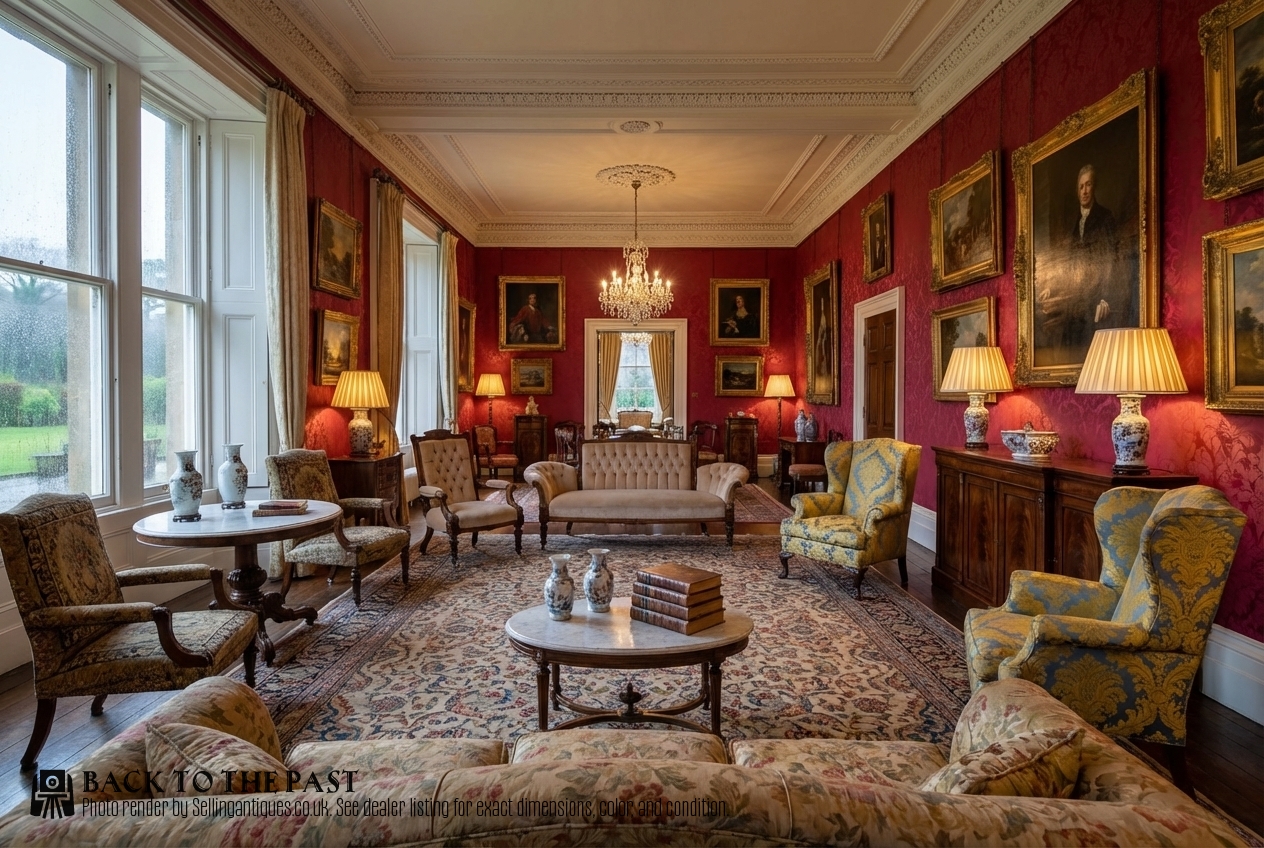
Upholstery execution defines the upper tier, where precise buttoning creates uniform tension and even diamond patterns across the back. The integration of show-wood elements and quality hardware like brass castors further separates standard production from finer examples.
Howard and Sons
The Victorian Button Back Sofa Glossary
- Button back
- A method of upholstery where recessed buttons pull the fabric deep into the stuffing to form a geometric tufted pattern. This technique secures the internal padding and creates distinctive textural depth.
- Chesterfield
- A large upholstered sofa characterised by arms and back of the same height. These deep-seated pieces often feature leather or velvet coverings.
- Chaise longue
- An elongated upholstered chair designed for reclining, combining a sofa back with an extended seat. Victorian examples frequently feature show-wood scroll backs.
- Show-wood
- Exposed wooden framing around the back or arms of an upholstered seat. This allows the polished grain of walnut or mahogany to remain visible.
- Cabriole leg
- A furniture leg that curves outward and then tapers inward to a foot. This style appears frequently on mid-nineteenth century seating.
Frequently Asked Questions
How do I identify a Victorian sofa?
Look for characteristic timber frames in walnut or mahogany paired with deep button-tufted upholstery. Details like turned legs, brass castors, and scroll backs help confirm nineteenth-century origin.
Compare the joinery and framing style against documented nineteenth-century forms to verify the period.
Were these sofas made in leather?
Yes, many chesterfield variants feature leather upholstery in brown, tan, or chestnut shades. These durable surfaces were popular in libraries and studies.
Fabric and velvet options appear more frequently in formal drawing-room settings.
How do I care for velvet upholstery?
Vacuum gently with a soft brush attachment to remove dust without crushing the pile. Protect the fabric from direct sunlight to prevent fading of the rich colours.
Professional cleaning is recommended for deep maintenance of period textiles.