



Antique Walnut Couch
An antique walnut couch brings rich timber frames and period upholstery together, offering substantial seating shaped by decades of craftsmanship.
Antique Walnut Couch
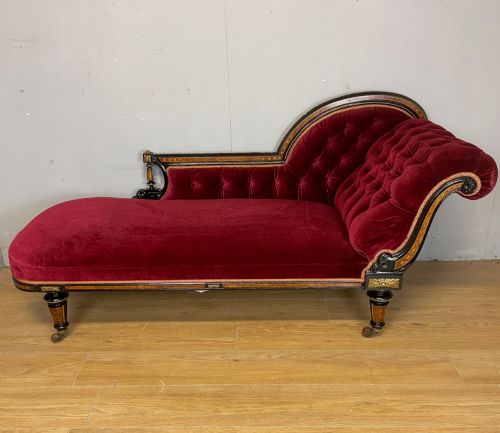
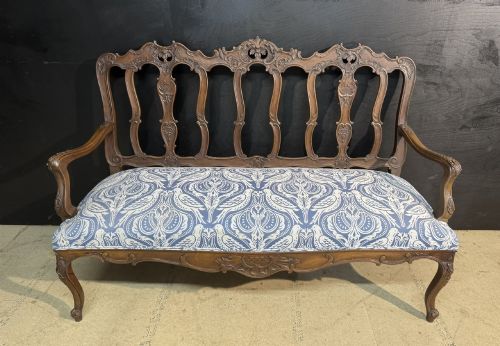
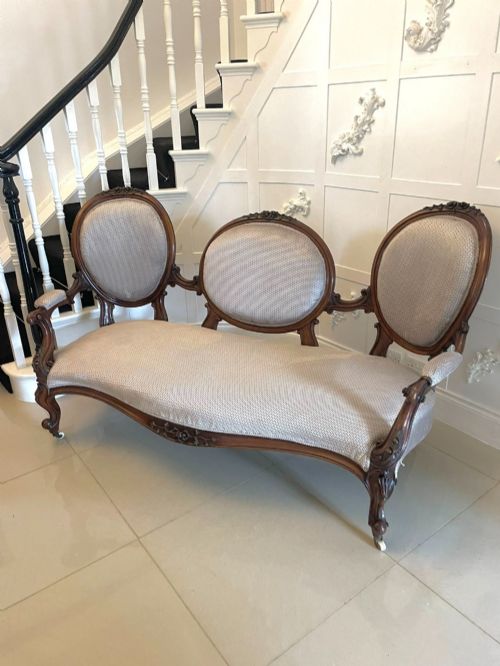
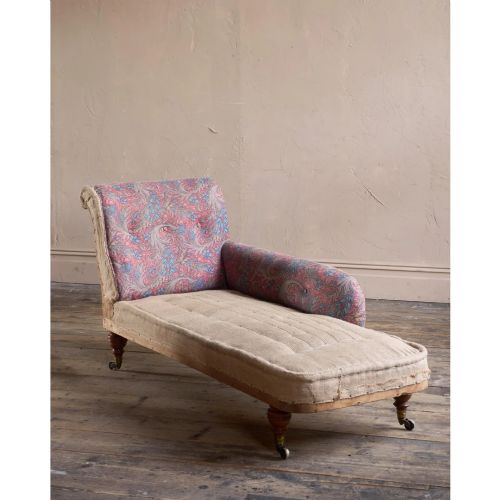
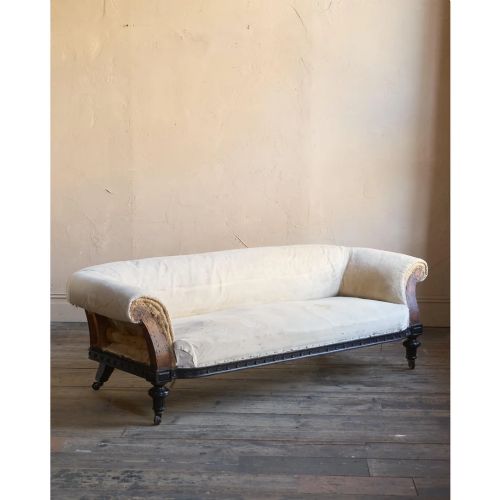
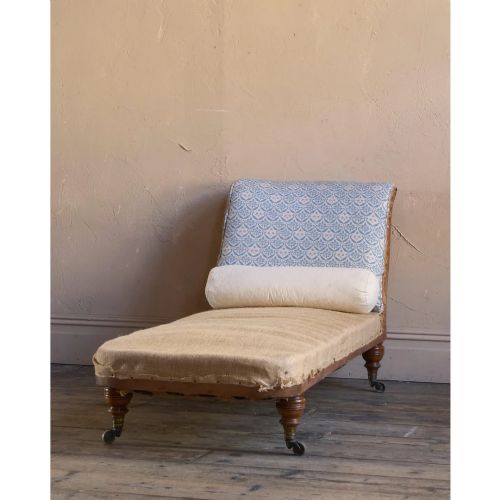
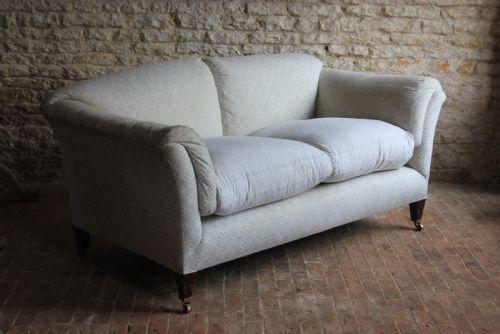
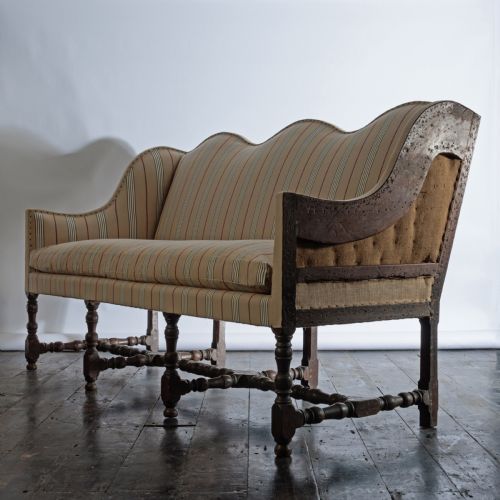
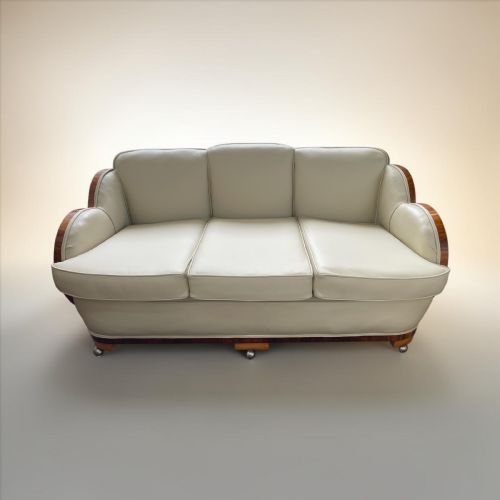
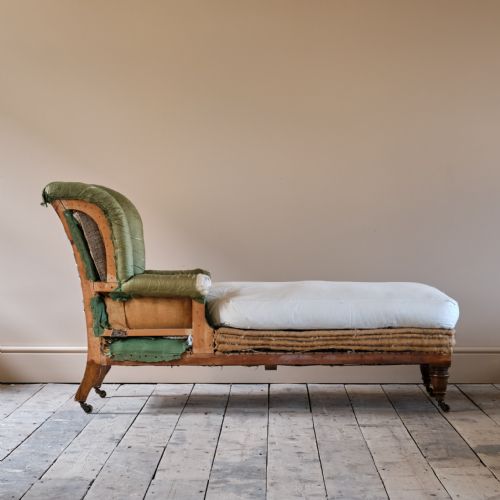
An antique walnut couch spans diverse forms including Victorian framed settees, nineteenth-century chaise longues, and twentieth-century three-seater suites. Buyers examining this page encounter pieces originating from English, French, and Italian workshops across multiple centuries.
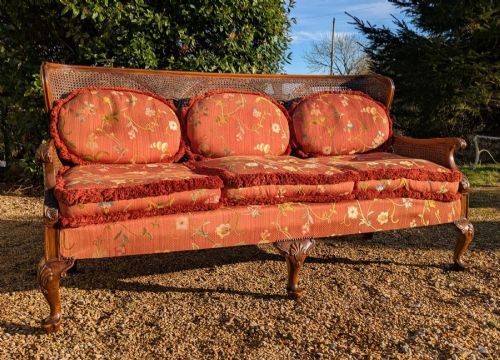
The selection ranges from carved cameo-back settees and button-backed country house sofas to cane-panelled bergere chairs and daybeds. Victorian and Edwardian examples dominate the physical record, frequently displaying turned legs and revival styling.
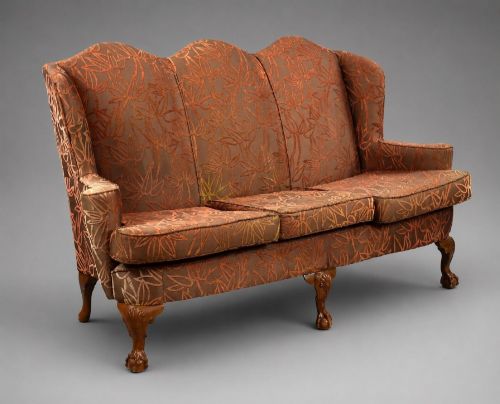
Makers such as Howard and Sons appear alongside distinct stylistic interpretations like Queen Anne, Louis XV, and Art Deco. Each piece utilises walnut timber to anchor upholstered textiles, velvet, hessian, and leather.
How they were made
Cabinetmakers built the structural frames using solid walnut and applied decorative elements such as ormolu mounts, ebonised detailing, and intricate inlay work. Wood carving defined the arms, rails, and cabriole legs of Victorian and revival pieces.
Upholstery techniques combined traditional coil springs, feather fillings, and hessian foundations with outer coverings of velvet, fabric, and leather. Caned panels utilised woven plant fibres set directly into shaped wooden channels.
Listings incorporate walnut frames combined with cane, brass, leather, and various upholstered textiles.
What varies in quality
The distinction between tiers rests upon the integrity of the walnut framing, the depth of hand-carved ornamentation, and the preservation of original upholstery materials. Superior examples demonstrate precise joinery and well-balanced proportions without structural alterations.
Makers known for exceptional seating construction, such as Howard and Sons, command attention through rigorous internal stuffing and robust webbing. Finer pieces retain authentic decorative mounts and undisturbed timber patination developed over generations.
Howard and Sons
The Antique Walnut Couch Glossary
- Bergere
- A closed-arm armchair or sofa featuring wicker or cane panelling on the back and sides. This French seating style gained popularity during the eighteenth century and saw robust revival periods.
- Chaise longue
- An upholstered couch shaped for reclining, combining a chair with an extended footrest. These pieces frequently feature a single raised end and exposed wooden frames.
- Ormolu
- Gilded bronze ornamentation applied to furniture surfaces. Craftsmen cast and chased these metal mounts to accent the walnut timber.
- Cabriole leg
- A furniture leg that curves outward and then tapers inward, mimicking an animal's limb. This form appears frequently on pieces influenced by Queen Anne and Louis XV styles.
- Button back
- An upholstery method where deep buttons are pulled tight into the padding to create a uniform diamond pattern. This technique provides structural tension as well as visual texture.
Antique Walnut Couch: Frequently Asked Questions
What is an antique walnut couch?
An antique walnut couch is a historic upholstered seating piece built with a walnut wood frame, encompassing settees, daybeds, and chaise longues from the seventeenth century onwards.
These items reflect the shifting design movements of their respective eras, incorporating stylistic influences from Queen Anne revival to Art Deco.
How do I identify the period?
Dating relies on examining the timber grain, leg shape, joinery methods, and the overarching style vocabulary present in the frame. Victorian pieces often show heavy carving and turned supports, while earlier iterations display restrained cabriole lines.
Upholstery materials and internal webbing methods also offer clues, though many surviving pieces have undergone reupholstery over time.
Can I use these daily?
Most antique seating is structurally sound enough for regular domestic use, provided the internal webbing and padding have been properly maintained. Historic frames benefit from sensible weight distribution and careful placement away from direct heat sources.
For pieces with delicate cane panels or antique textiles, lighter use preserves the fragile materials against premature wear.
How do I care for the wood?
Walnut frames require minimal intervention, needing only occasional dusting with a soft, dry cloth to prevent grime accumulation. Avoid liquid polishes and silicone sprays, which can penetrate porous historic finishes and attract dust.
Maintaining stable room humidity prevents the timber from drying out, shrinking, or cracking at the joints.