

Victorian Upholstered Sofa
A victorian upholstered sofa brings nineteenth-century comfort and substantial timber framing into a room.
What They Are
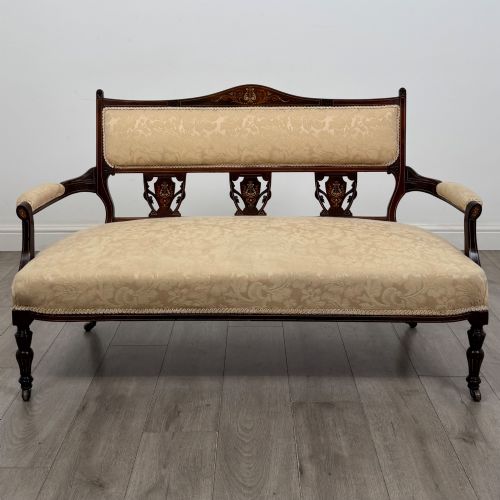
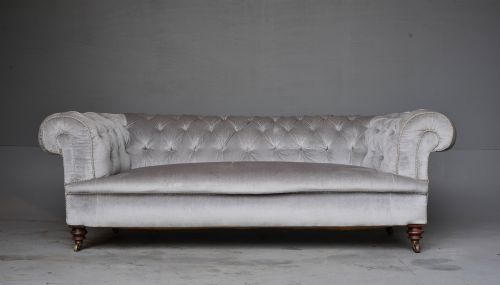
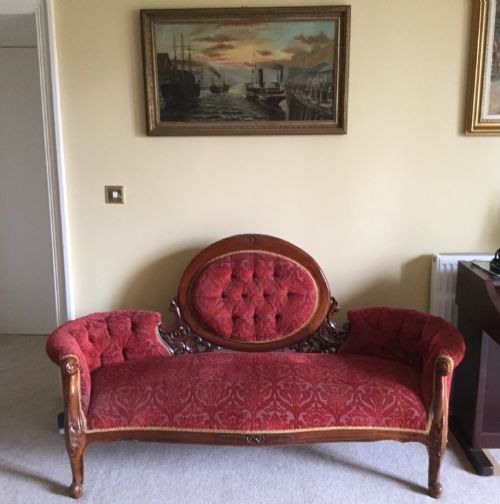
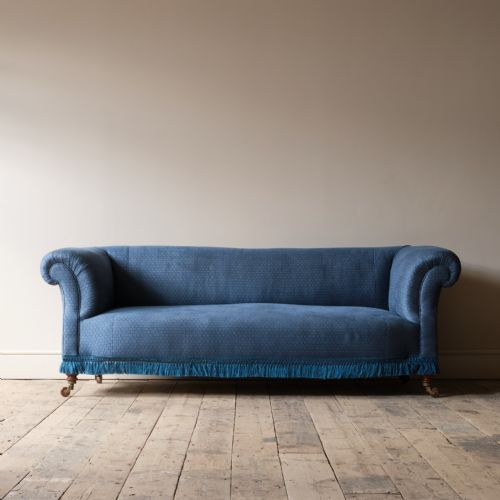
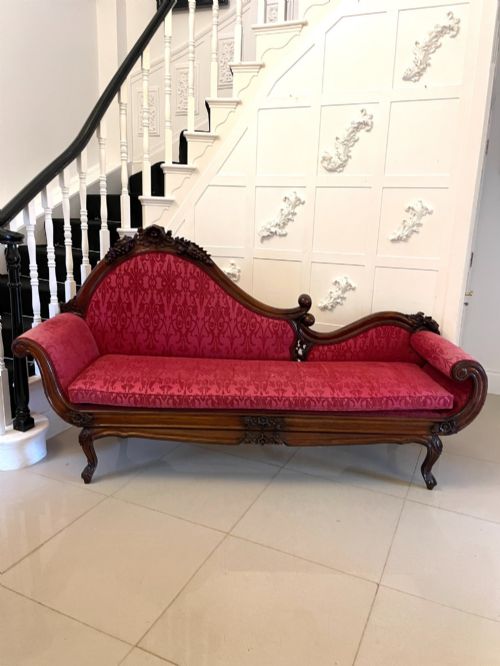
A victorian upholstered sofa encompasses a range of nineteenth-century seating forms, from deep Chesterfield sofas and country house settees to chaise longues and buttoned parlour pieces. The pieces available span the nineteenth century, including specific dates from the eighteen-fifties through to eighteen-ninety.
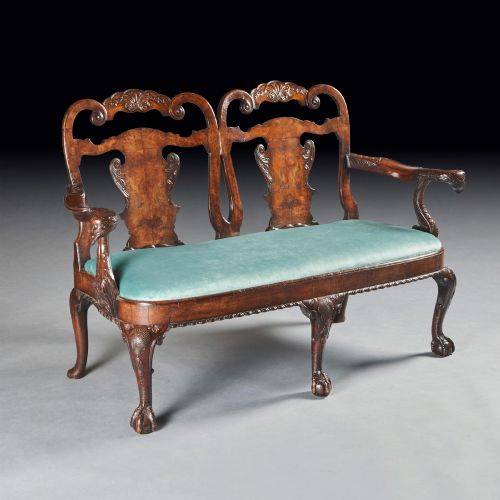
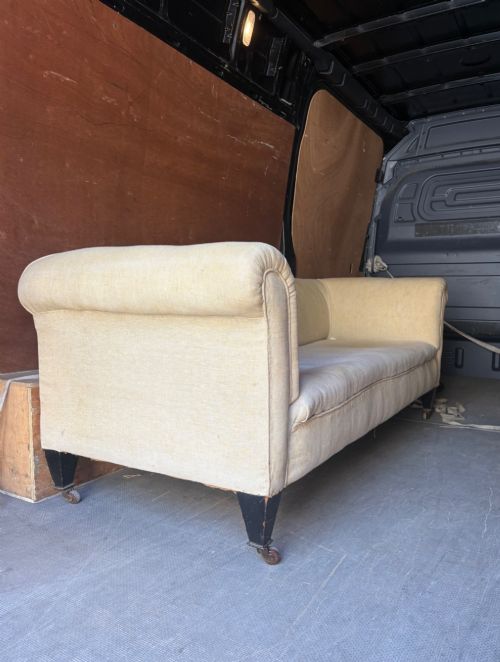
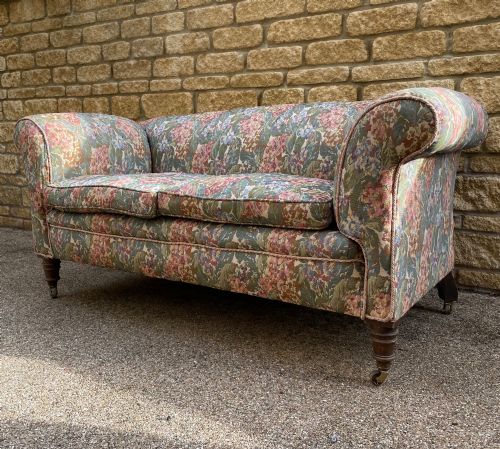
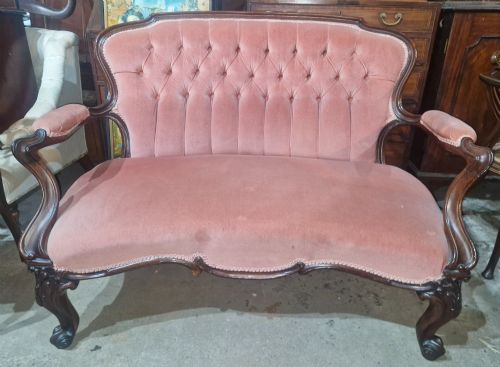
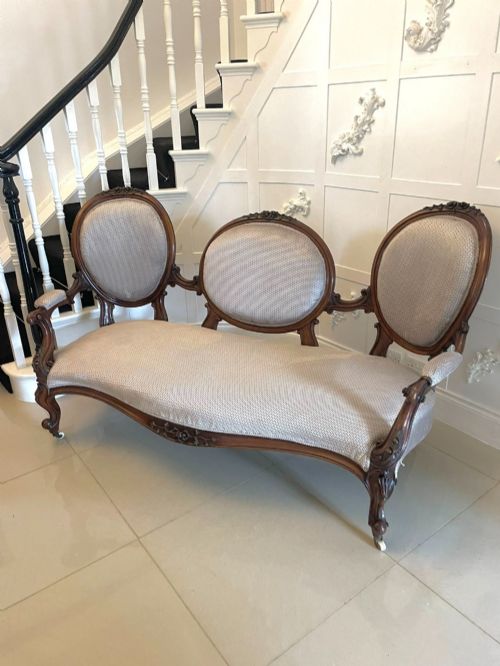
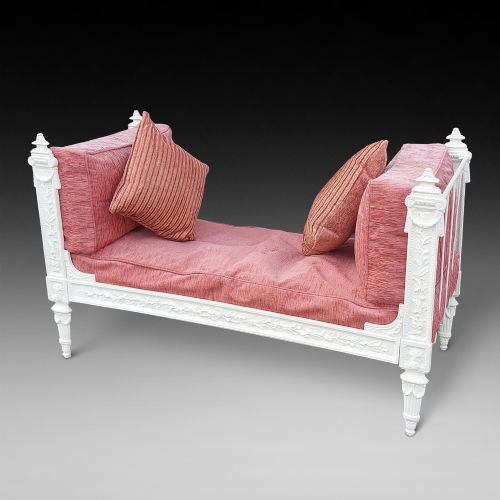
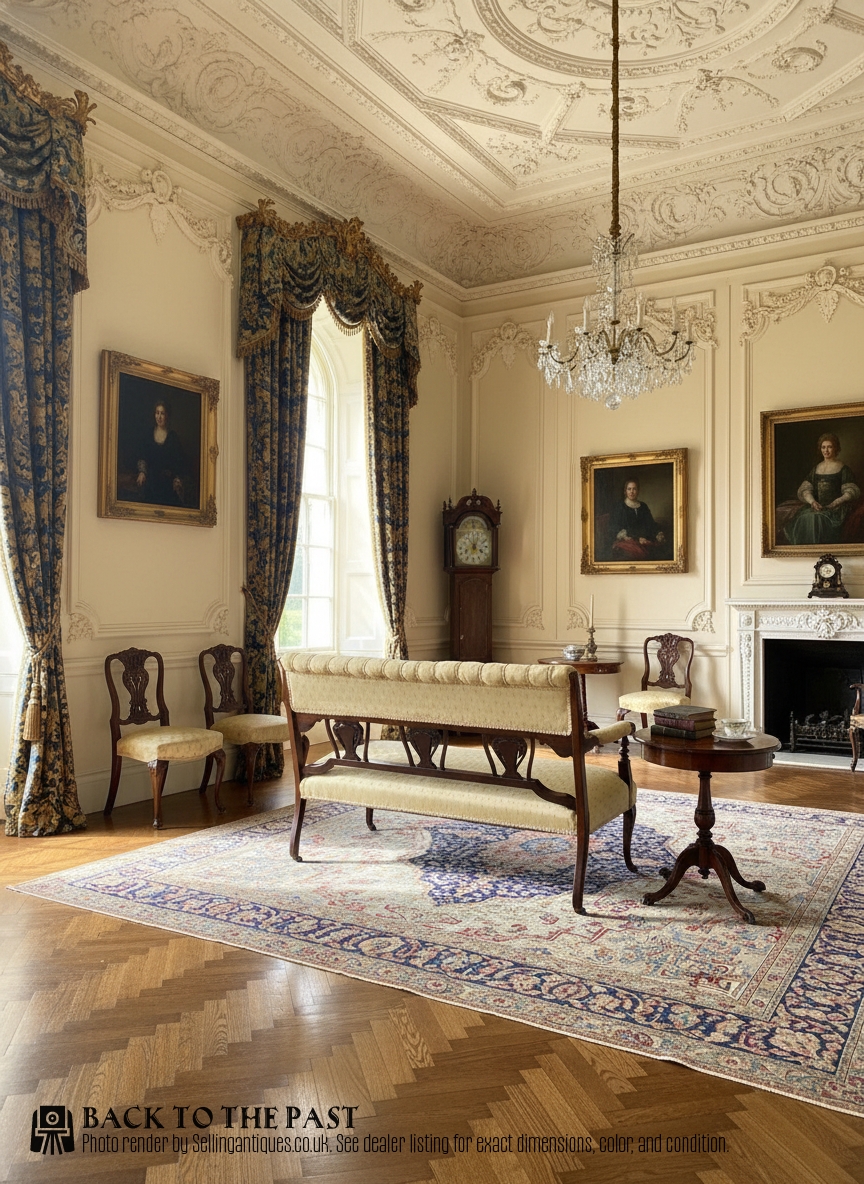
Most examples found take the form of substantial two-seater settees or day beds supported on timber legs. Buyers encounter both button-backed drawing-room furniture and large sprung Chesterfield designs suited to principal reception rooms.

How They Were Made
Frames rely predominantly on solid hardwoods such as mahogany and walnut, alongside occasional ebonised timber and rosewood. These structural wooden chassis support internal springing and heavy padding.
Textiles applied to the frames include damask, velvet, leather, and modern specialist fabrics like Zoffany textiles, often secured with brass detailing.
Retail Price Guide 2026
Typical UK retail prices for victorian upholstered sofa, calculated from the Sellingantiques database of over a million retail prices indexed since 2003. This retail price guide relies exclusively on Sellingantiques data; no external sources or auction records are used, so the figures do not describe the wider market.
Listings feature timber frames in mahogany, walnut, rosewood, and ebonised wood alongside fabrics spanning velvet, leather, damask, and Zoffany textiles.
What Varies in Quality
The distinction between standard production and top-tier pieces rests upon the timber selection and the precision of the frame carving, such as inlaid mahogany or shaped walnut. Workshops known for superior output, including Howard and Sons or C Hindley and Sons, demonstrate finer joinery and more ambitious proportioning.
Upholstery materials also create a hierarchy, where dense horsehair stuffing, hand-tied springs, and heavy silk damask or leather elevate a piece above simpler variants.
Howard and Sons·C Hindley and Sons
The Victorian Upholstered Sofa Glossary
- Chesterfield sofa
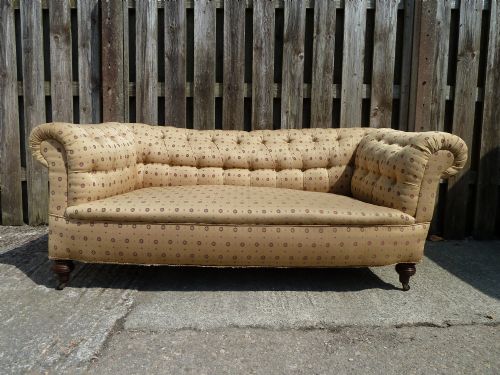
- A deeply buttoned, heavy sprung sofa featuring arms and back of equal height. This form remains a staple of nineteenth-century seating.
- Chaise longue
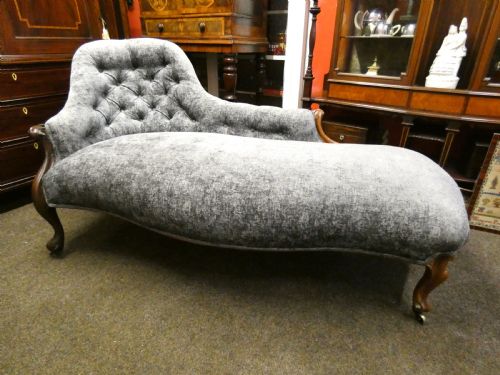
- An upholstered sofa couch designed for reclining, typically featuring a raised headrest at one end. Examples frequently incorporate mahogany or rosewood frames.
- Button back
- An upholstery technique where buttons are pulled deep into the padding to create a geometric tufted pattern. This method requires skilled labour.
- Drop-arm sofa
- A piece featuring a mechanical hinged arm that lowers to form a day bed. These items combine timber framing with flexible positioning.
Frequently Asked Questions
How do I identify a Howard and Sons sofa?
Attribution relies on maker stamps, specific leg designs, and structural build quality typical of the firm's nineteenth-century workshops.
These pieces often feature sturdy timber frames beneath high-grade upholstery specifications.
What is the difference between a settee and a Chesterfield?
A Chesterfield specifically denotes a deeply buttoned design with arms matching the back height, whereas a settee covers a broader category of double seating.
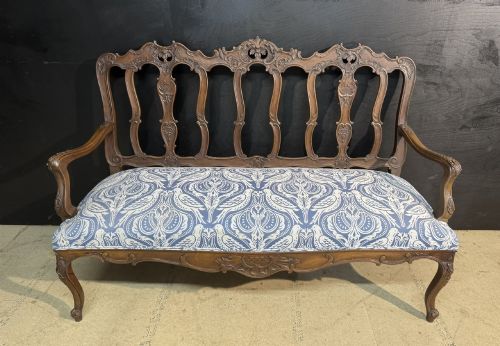
Settees may include open wooden frames, inlaid mahogany, or simple padded backs without deep tufting.
Are these sofas suitable for daily use?
Nineteenth-century frames provide robust timber construction, though interior webbing and padding often benefit from professional restoration.
Many surviving pieces arrive with newly renewed upholstery ready for contemporary living spaces.
How do I date a Victorian upholstered sofa?
Dating depends on stylistic shifts in the timber framework, ranging from mid-century rosewood and mahogany chaise longues to late-century ebonised frames.
Documented maker signatures and specific Victorian design revivals also narrow the period of manufacture.