
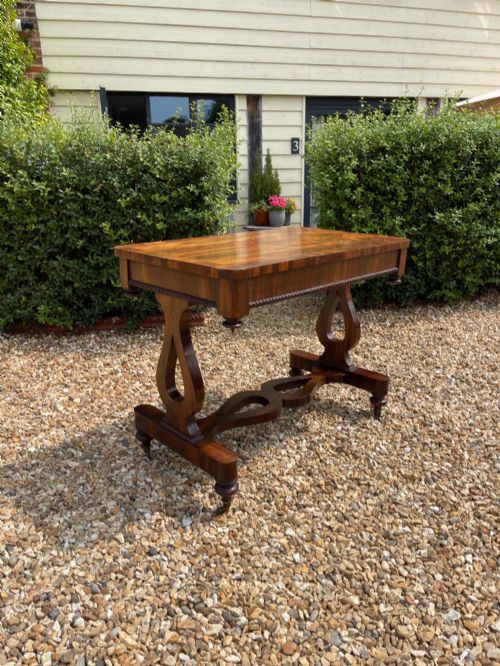
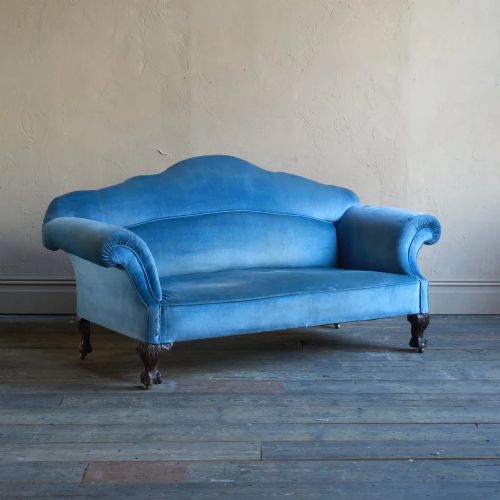
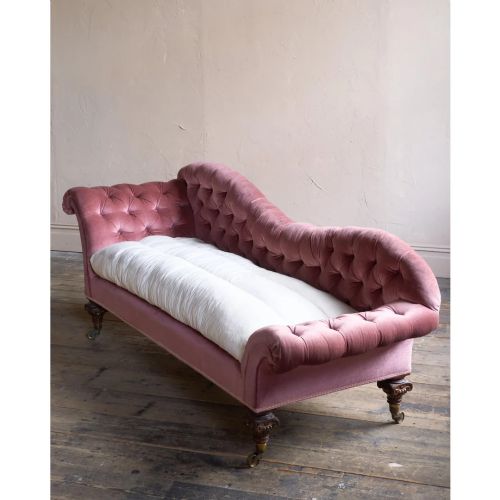

Carved Mahogany Sofa
A carved mahogany sofa brings dense timber frames and sculptural details together in a seat designed to anchor a formal interior.
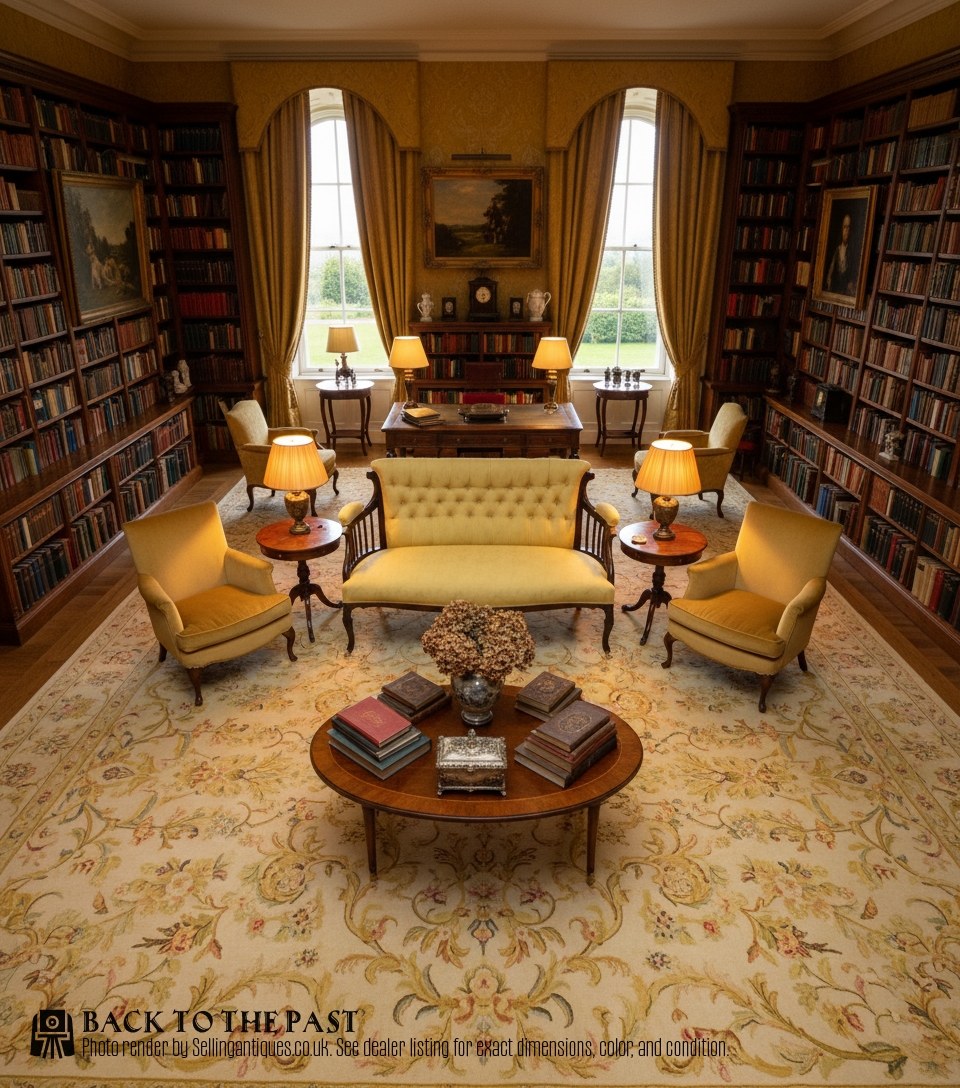
Carved Mahogany Sofa
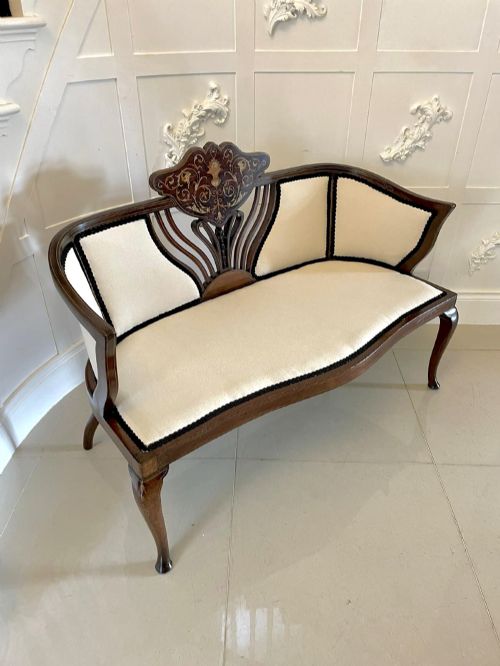
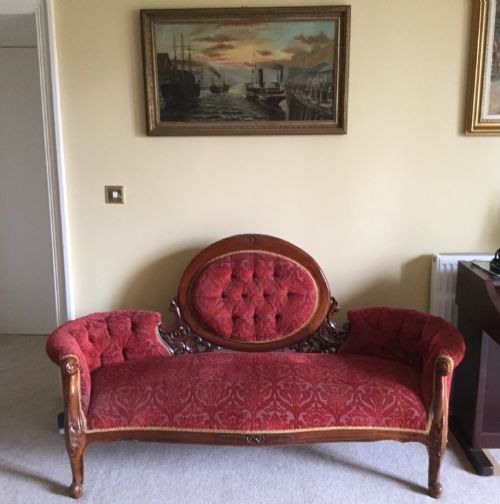
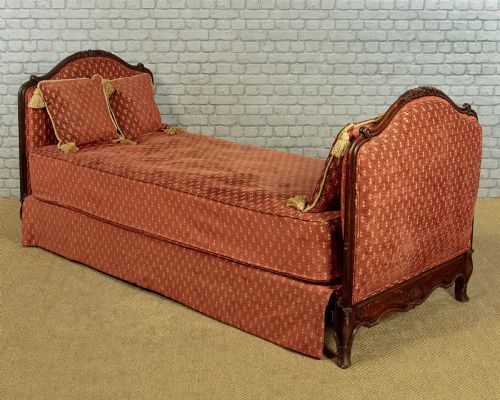
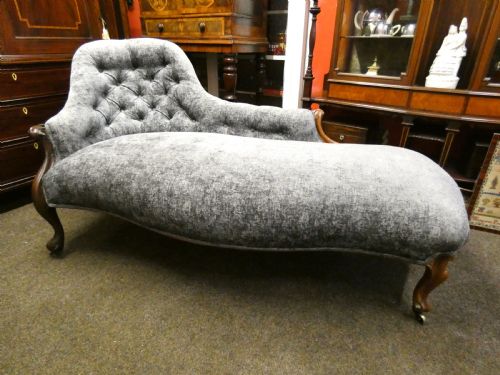
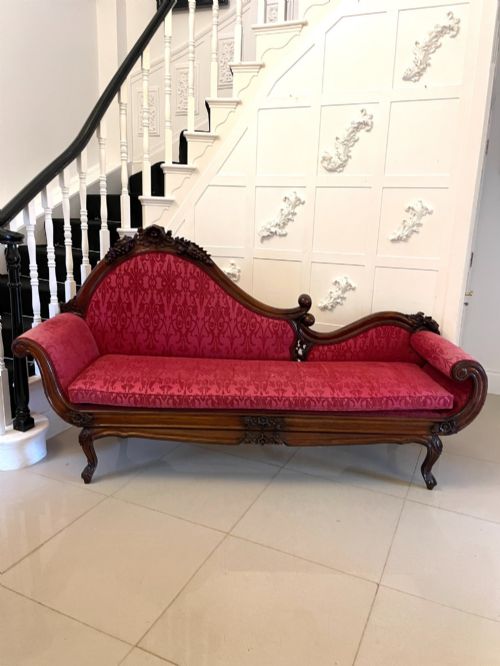
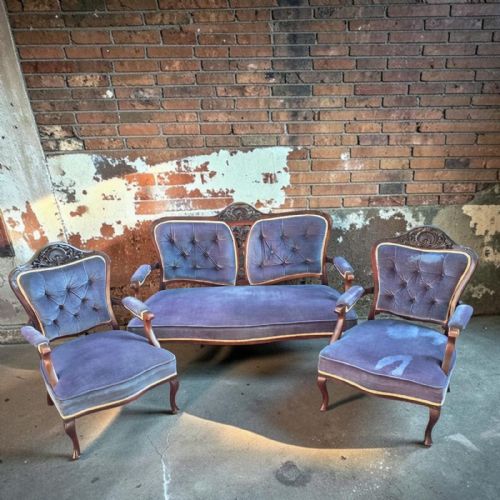
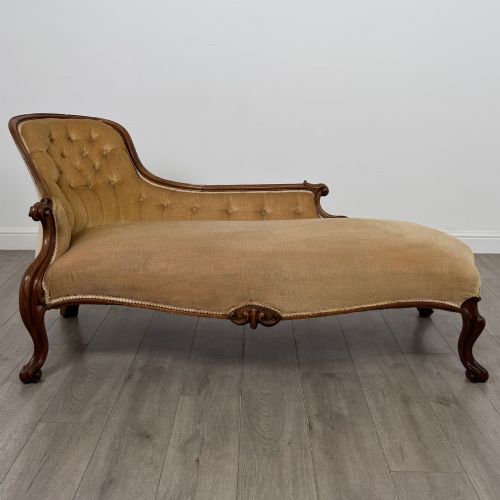
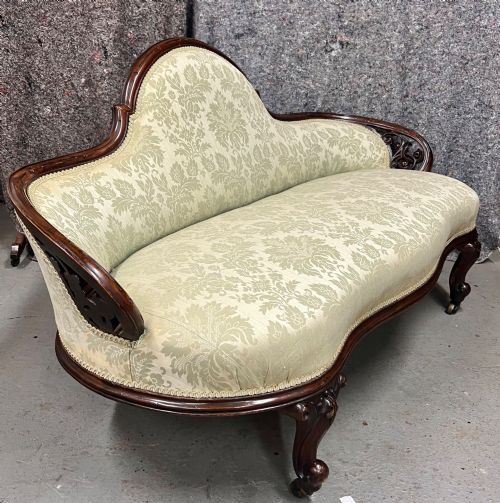
When you search for a carved mahogany sofa, you encounter heavy timber frameworks built across the nineteenth and early twentieth centuries, spanning Victorian, Regency, and William IV periods. The most common examples on this page are Victorian and Edwardian settees, double-ended couches, and chaise longues featuring exposed wooden frames.
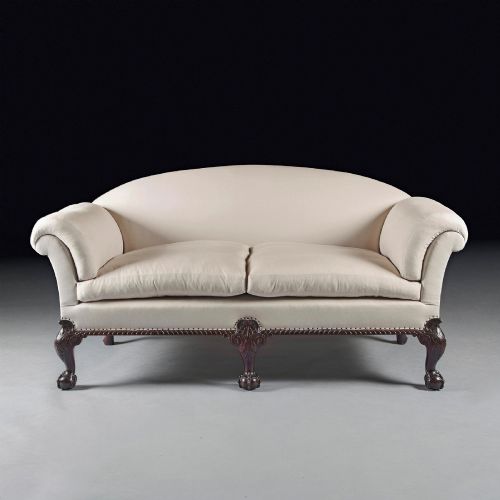
These pieces range from compact two-seater settees to large country house sofas and day beds. The forms reflect revival styles such as Chippendale and Rococo, alongside neoclassical Regency and French Empire influences.
Makers utilised dense tropical hardwoods to support deep upholstery, combining structural rigidity with ornamental relief carving along the crest rails, arms, and legs.
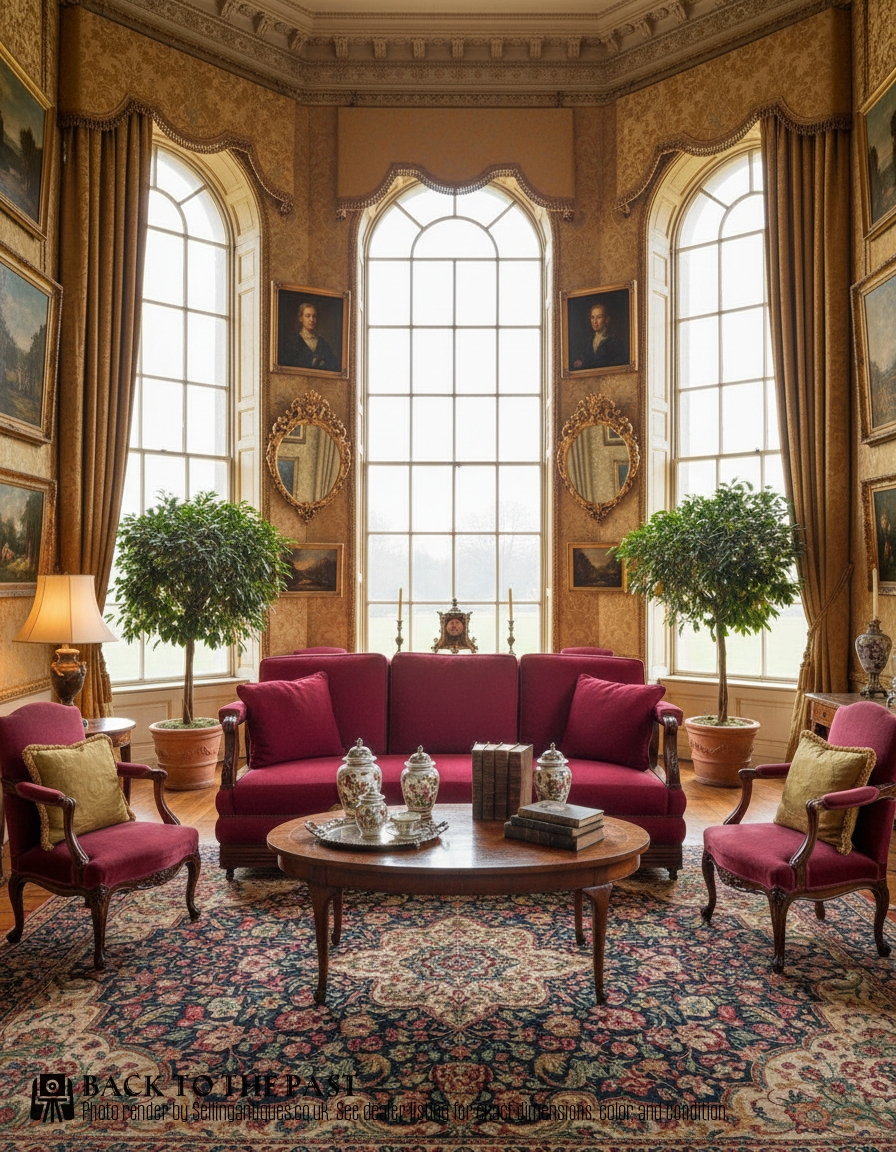
How they were made
Cabinetmakers worked with solid mahogany timbers, selecting dense boards capable of holding crisp relief carvings along the show wood frames. These frames were jointed and pinned to support heavy sprung bases and stuffed padding.
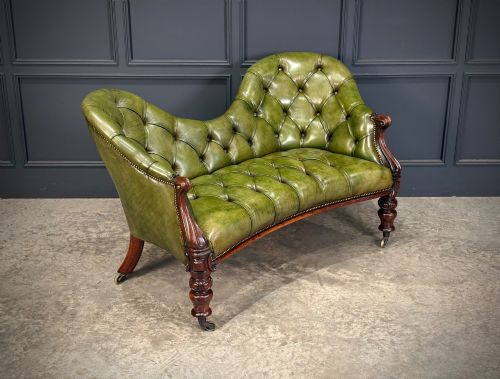
Upholstery techniques evolved from traditional hair stuffing and webbing to sprung settee bases covered in textiles like velvet, damask, brocade, and buttoned leather. Brass castors were frequently fitted to the feet to aid movement across heavy carpets.
Carved Mahogany Sofa Retail Price Guide 2026
Typical asking prices for carved mahogany sofa among the pieces listed under this phrase on Sellingantiques today, from the lower quarter to the upper quarter. They describe what is for sale here now, not the wider market.
Listings feature mahogany frames paired with brass castors, silk damask, deep buttoned leather, and horsehair stuffing across the nineteenth century.
What varies in quality
The depth and crispness of the hand-carved ornamentation separate standard workshop production from finer examples. Deeply undercut scrolls, crisply defined acanthus leaves, and substantial structural timbers indicate superior cabinetmaking.
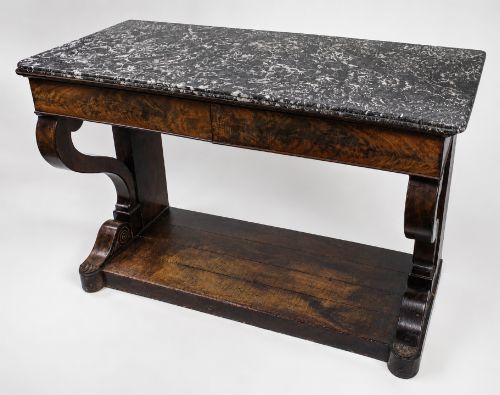
The integrity of the exposed mahogany frame and the quality of the timber grain determine the durability of the piece. Superior examples maintain tight joinery and rich natural patination across the show wood without excessive reliance on dark surface stains.
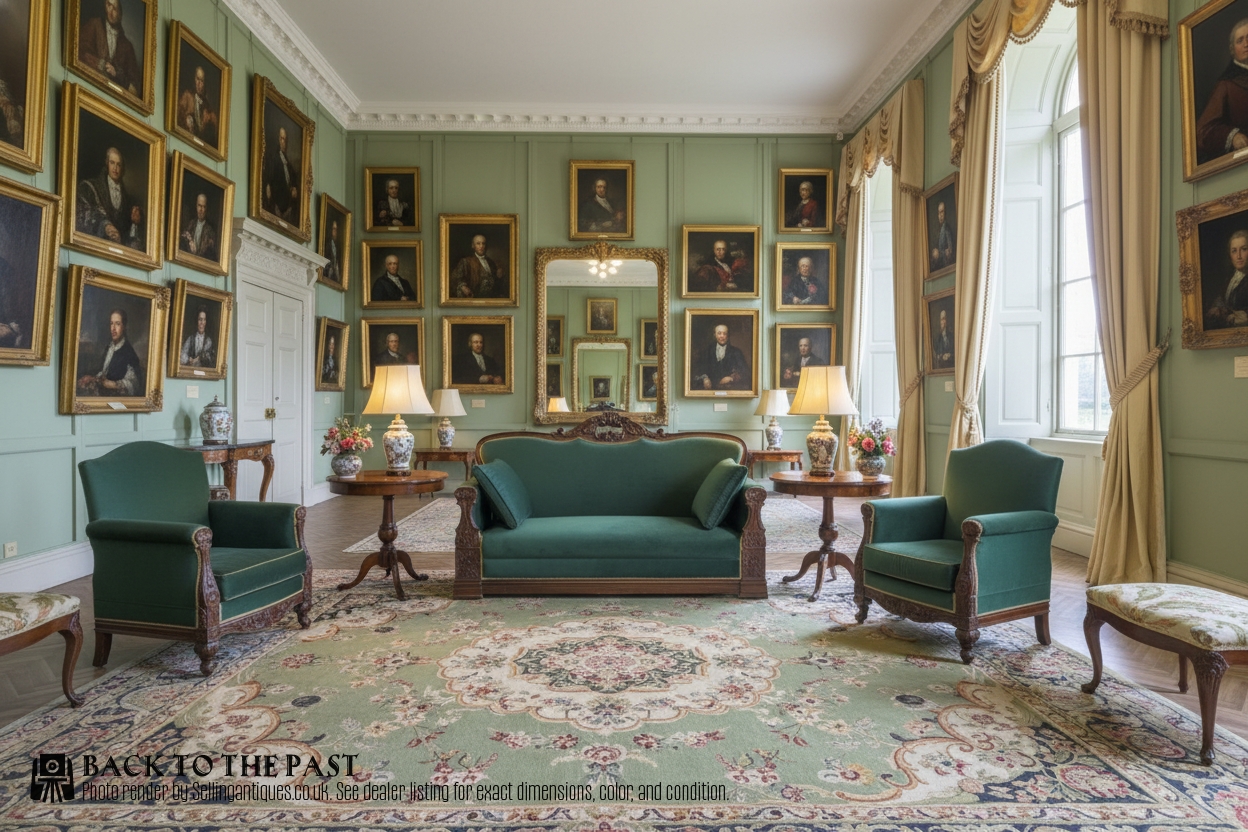
Williams and Gibton·Howard and Sons
The Carved Mahogany Sofa Glossary
- Mahogany
- A durable tropical hardwood known for a reddish-brown colour and stability, used extensively for structural framing and decorative carving.
- Show wood
- The polished or finished sections of the wooden frame left visible around the upholstered portions of the seat.
- Scroll end
- An arm or backrest design curving outward in a tight spiral scroll, common on Regency and Victorian couches.
- Chaise longue
- An elongated upholstered seat intended for reclining, combining the characteristics of a chair and a day bed.
- Brocade
- A heavy woven fabric featuring raised decorative patterns, often utilised for period upholstery.
- Ball and claw
- A furniture foot carved to resemble a bird's talon gripping a ball, popular in revival designs.
Carved Mahogany Sofa: Frequently Asked Questions
How do I identify a Regency sofa?
Regency pieces often display classical motifs, scroll ends, and sabre or reeded legs derived from ancient Greek and Roman designs. The timber selection typically shows rich flame mahogany veneers or dark solid woods.
Proportions tend to be architectural and restrained compared to later Victorian iterations, focusing on clean linear sweeps and brass inlay or mounts.
Were these sofas meant for daily sitting?
Nineteenth-century settees and couches were constructed as principal items for formal reception rooms, drawing rooms, and parlours. They were engineered for upright sitting or social entertaining rather than casual lounging.
The firm hair stuffing and sprung bases of the period provide robust support, though modern users often add feather cushions for comfort.
How should I care for mahogany show wood?
Maintain the timber by keeping the piece away from direct heat sources and strong sunlight, which dry out the wood and fade the polish. Apply a traditional beeswax polish sparingly to nourish the surface.
Avoid liquid cleaners or silicone sprays, as they can penetrate open grain and degrade the original finish over time.