
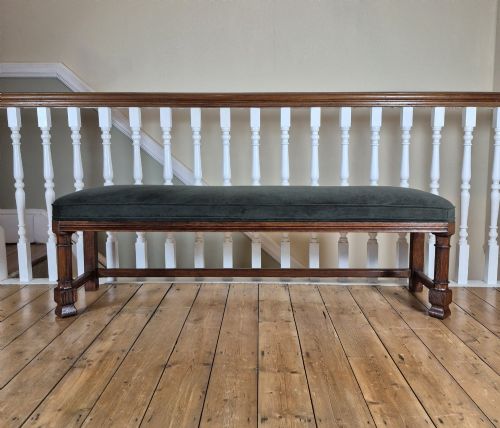


Antique Seating Furniture
These antique seating furniture pieces span centuries of domestic craft, offering authentic period character for everyday use in hallways, gardens and dining rooms.
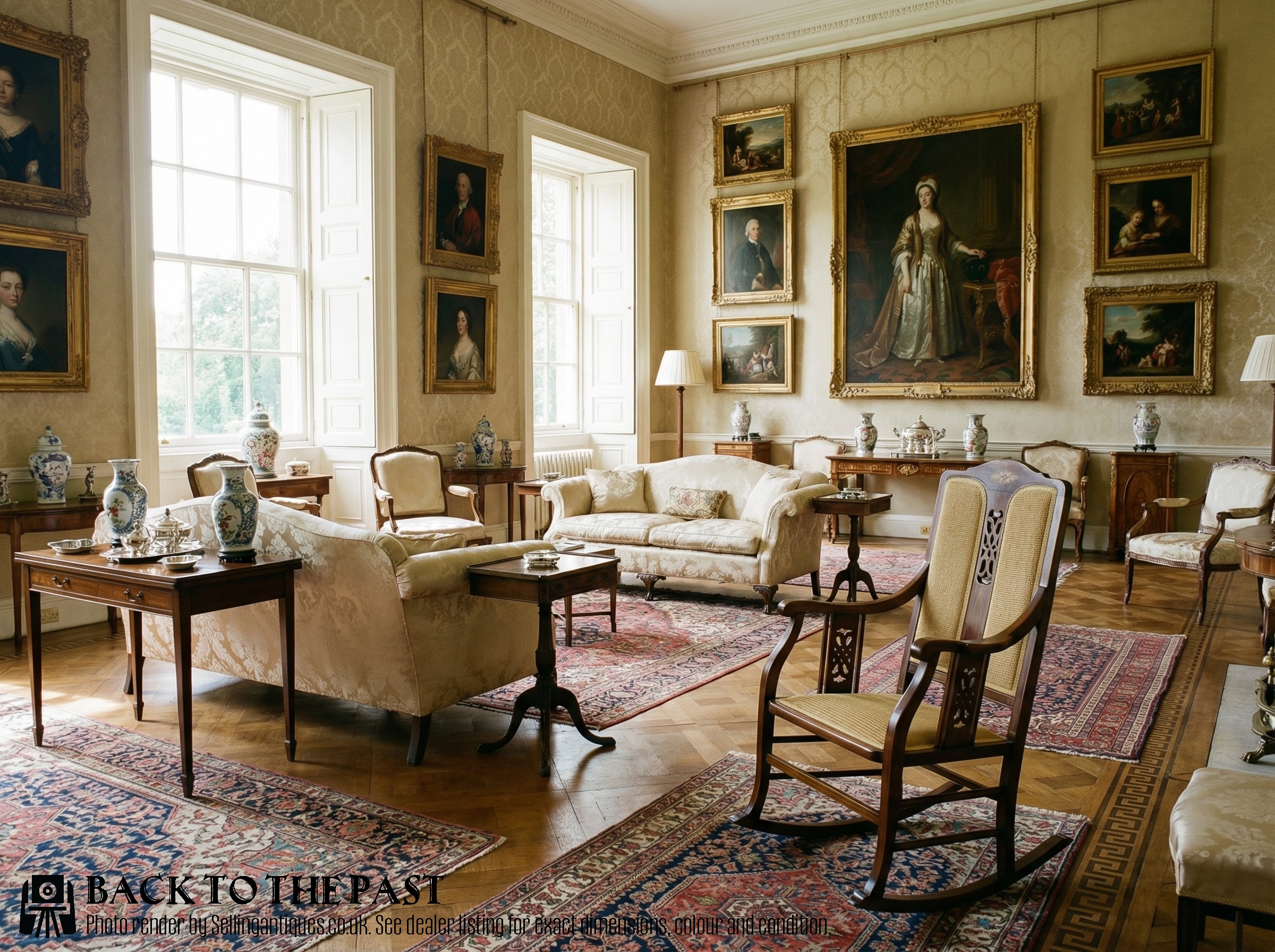
Antique Seating Furniture
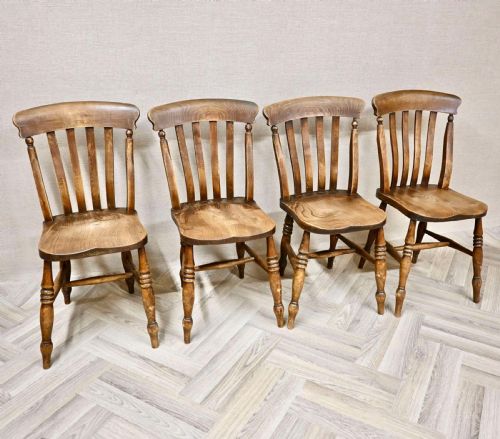
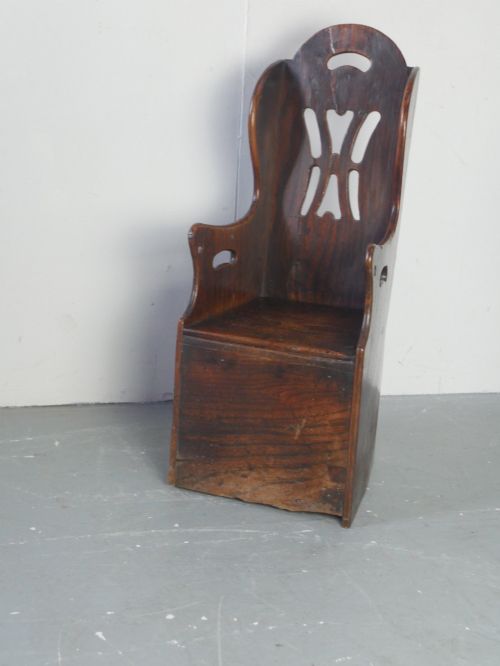
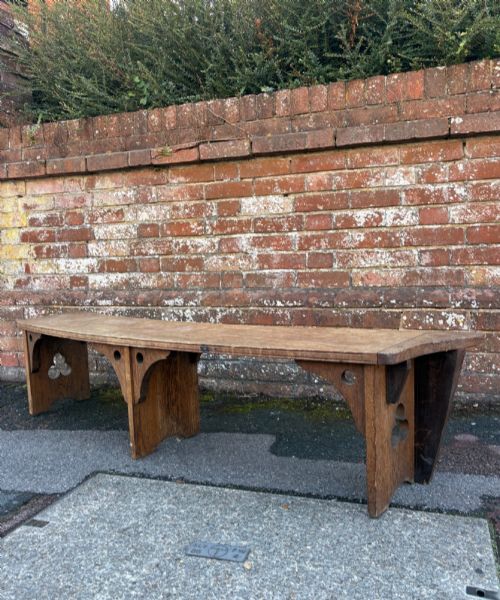
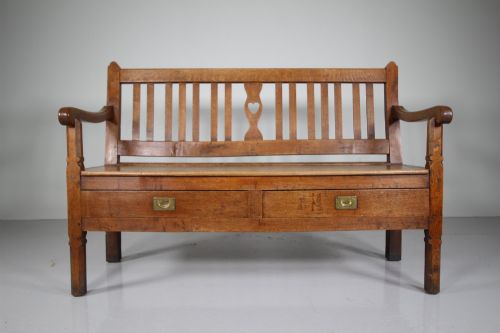
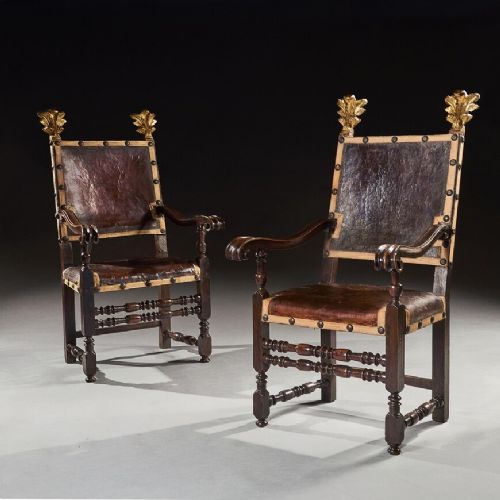
When you search for antique seating furniture, you encounter a diverse array of domestic and garden forms originating from the eighteenth, nineteenth and early twentieth centuries. The selection ranges from robust oak and elm settles and benches to refined mahogany and walnut dining chairs, window seats and armchairs.

Materials and technique
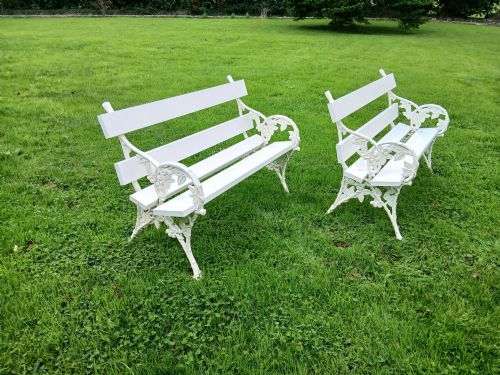
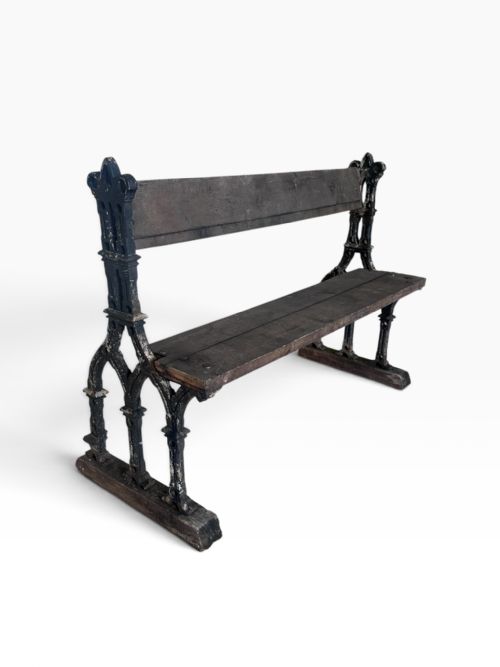
Maker construction relies heavily on native hardwoods such as oak, mahogany, walnut, elm, pine and beech, often joined with traditional pegged or dovetailed framing. Metal elements appear in brass inlay and heavy cast iron garden bench frames.
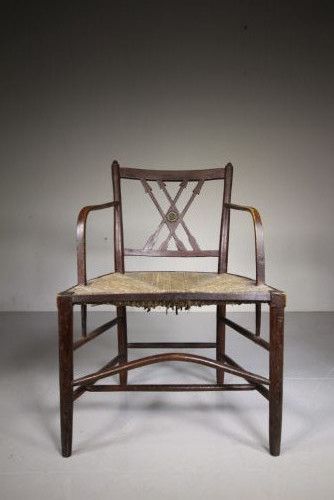
Surface treatments vary from polished mahogany and parcel-gilt walnut to original paint finishes, rustic wax coatings and rush seating applied to chair frames.
Antique Seating Furniture Retail Price Guide 2026
Typical asking prices for seating furniture among the pieces listed under this phrase on Sellingantiques today, from the lower quarter to the upper quarter. They describe what is for sale here now, not the wider market.
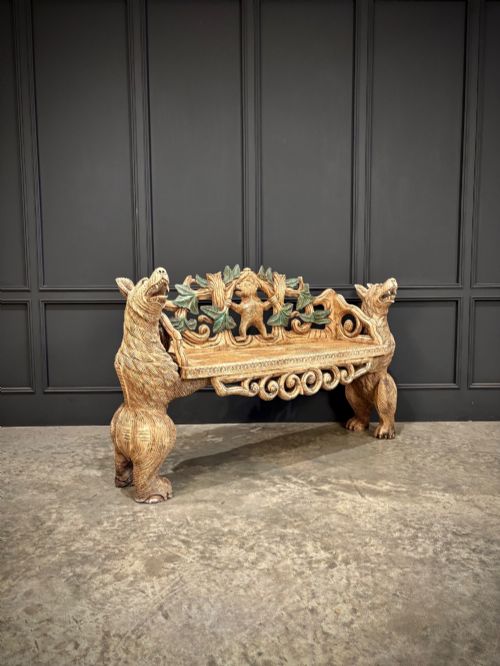
Black Forest bears keep watch over more than just woodland, occasionally appearing ready to hold your hat in the hallway.
Judging quality
Construction robustness and structural honesty separate everyday utility items from finer reception and salon seating. Proportions, timber choice and the skill involved in decorative inlay or structural joinery define the upper tier of the range.
Falkirk Carron Foundry·Liberty Morris And Co·Heals·W A Willcocks
The Antique Seating Furniture Glossary
- Settle
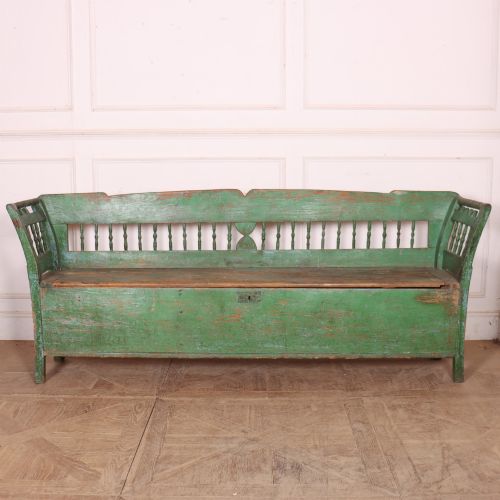
- A wooden bench with a high back, solid arms and often a box seat underneath for storage. They typically stood near hearths in country houses and taverns to block draughts.
- Windsor chair
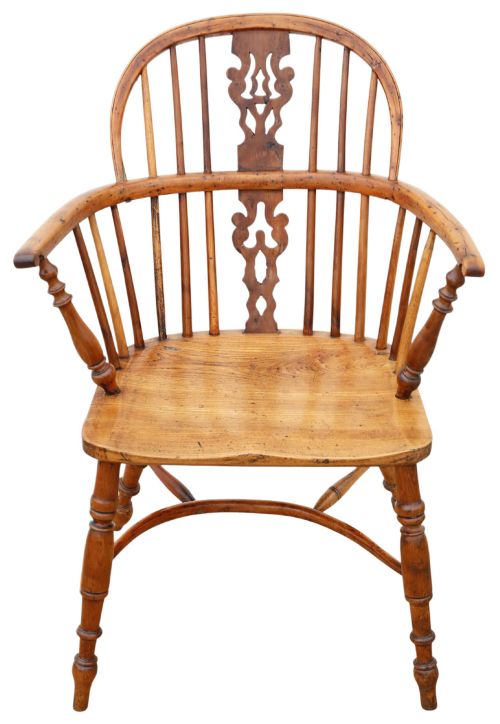
- A traditional wooden chair featuring a solid saddle-shaped seat into which the legs and back spindles are wedged directly. They often combine elm seats with ash or yew spindles and bending frames.
- Carver
- An armchair, usually designed <em>carver</em> style to match a set of smaller dining chairs. They were traditionally placed at the heads of dining tables for the host.
- Vernacular
- Everyday objects made by local craftspeople using regional materials and traditional local designs rather than high-style metropolitan patterns. This term covers much country furniture.
- Monk's bench
- A convertible piece of furniture that functions as a small panelled table when the back tilts forward over the arms, and transforms into a hall bench when upright.
Antique Seating Furniture: Frequently Asked Questions
How do I identify a settle?
A settle is characterised by a high wooden back and solid wooden arms, designed to provide seating while blocking cold draughts in older homes. Many examples include a hinged seat lid revealing a storage box underneath.
They appear in oak, pine and regional hardwoods, often featuring panelled backs or rustic country construction dating from the eighteenth and nineteenth centuries.
Where should I place a hall bench?
Hall benches suit narrow spaces, entryways and corridors where deep seating proves impractical. Their slim proportions allow them to sit flat against walls without obstructing walkways.
Many styles incorporate lift-up seats or open lower shelves originally intended for boots and hats, making them practical for modern hallway storage.
What is a Windsor armchair?
A Windsor armchair is constructed with individual spindles fitted into a solid, saddled wooden seat rather than a conventional frame. The arms and back bow are typically steam-bent from a single piece of timber.
These chairs combine woods like elm for the seat and yew or ash for the spindle back, resulting in a resilient and organic seating form.
How do I date a wooden chair?
Dating relies on examining the timber species, joinery methods, tool marks and the overall style evolution from Georgian elegance to Victorian revival forms. Hand-cut peg joints, secondary woods and patination accumulated over generations provide key chronological indicators.
Maker labels, stamps and documented regional characteristics help narrow the production period further, though many vernacular pieces remain attributed to broader stylistic eras.