


Antique Wooden Rocking Chair
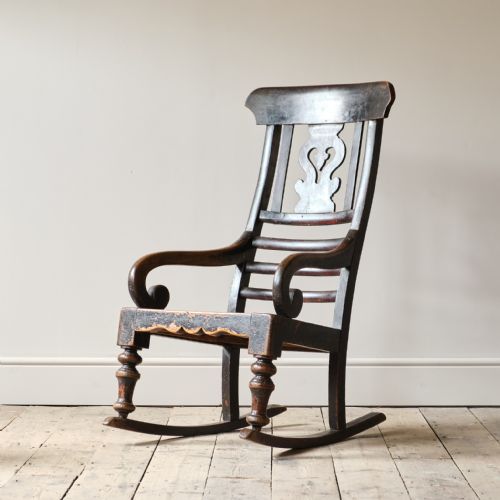
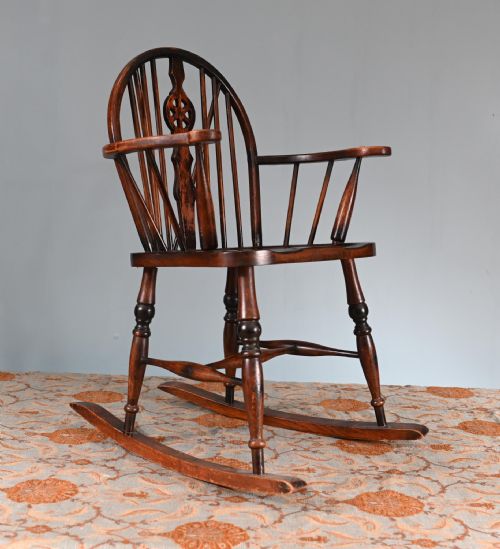
An antique wooden rocking chair brings immediate warmth and movement to a room, offering generations of comfort in solid timber.
Antique Wooden Rocking Chair
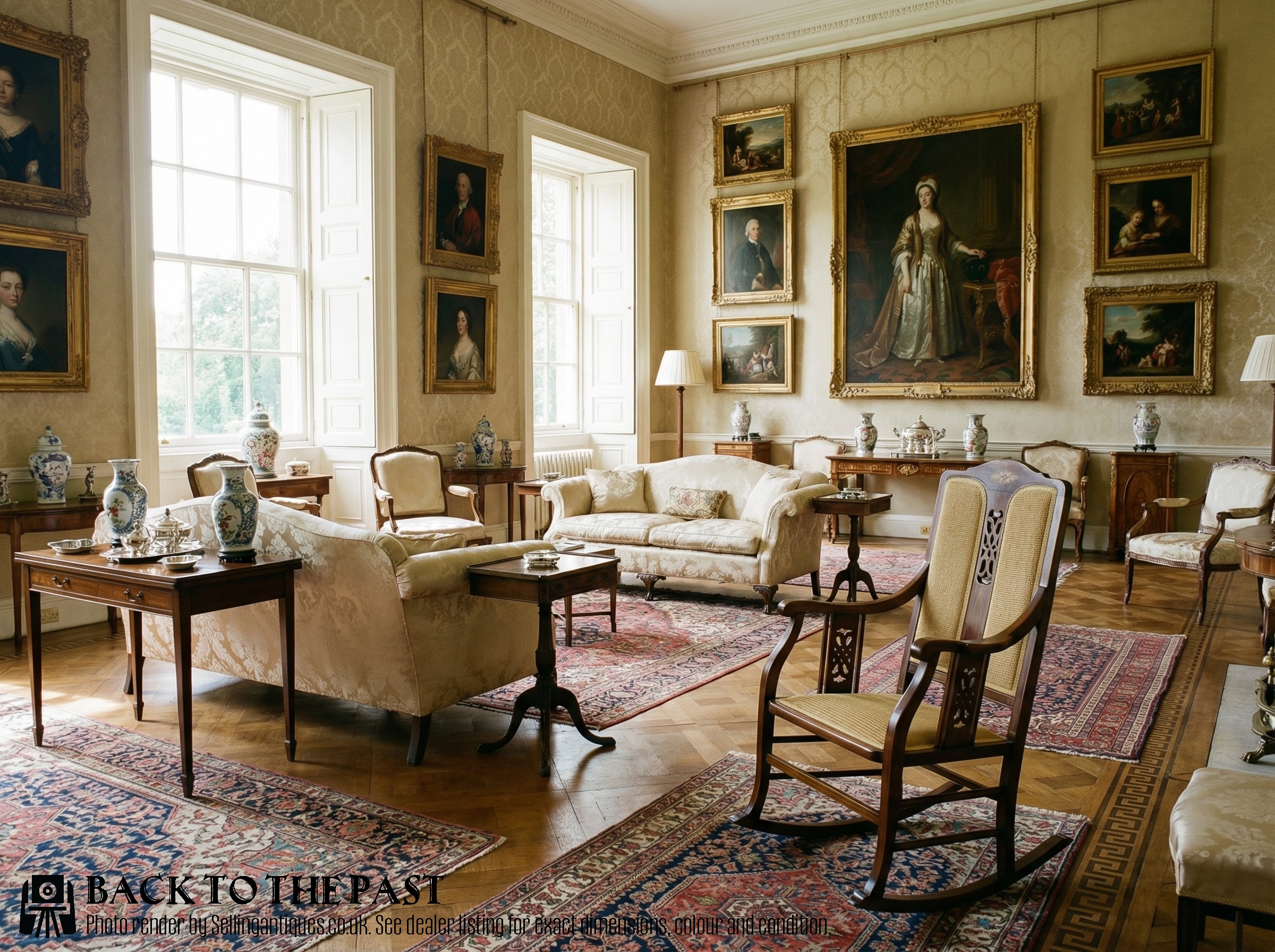
An antique wooden rocking chair is a seating form designed for gentle motion, appearing across the eighteenth, nineteenth, and early twentieth centuries in various domestic settings. When you explore this selection, you encounter everything from rustic farmhouse models to refined parlour armchairs.
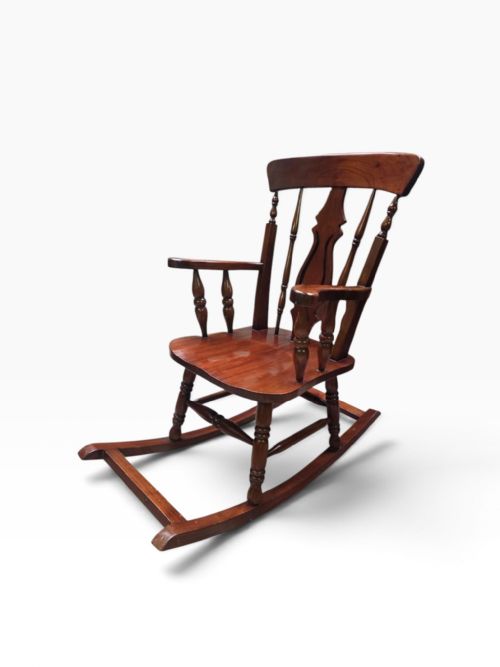
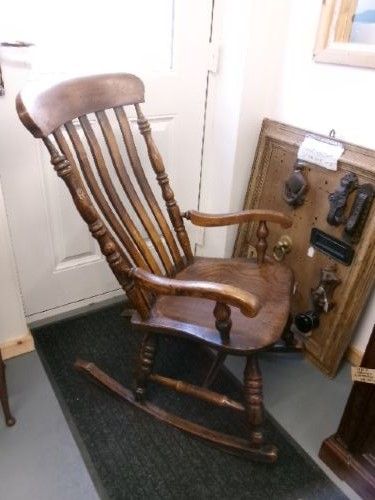
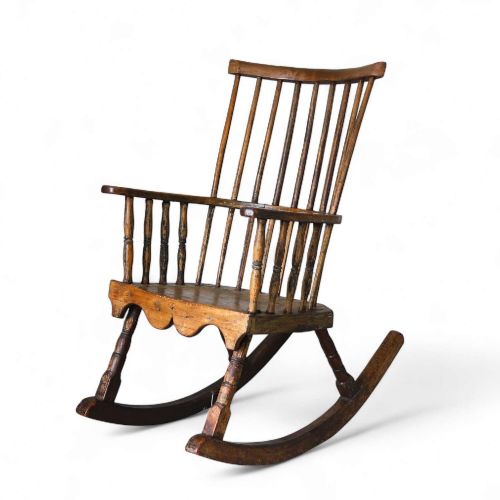
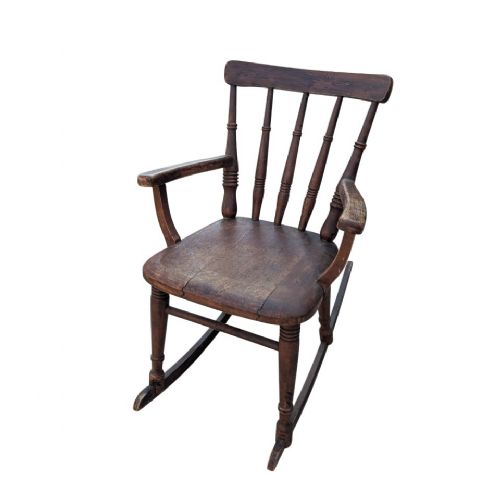
The most common examples on this page hail from the Victorian period, often taking the form of traditional Windsor chairs or vernacular country seating. Makers fashioned these pieces in local timbers like beech, ash, and elm, sometimes adapting them specifically for nurseries or firesides.
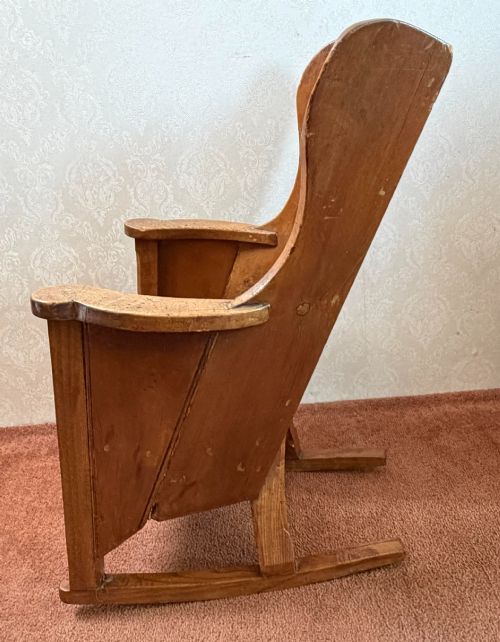
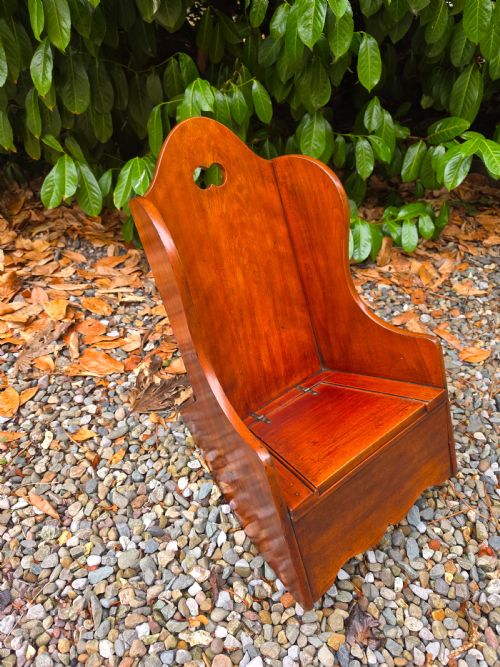
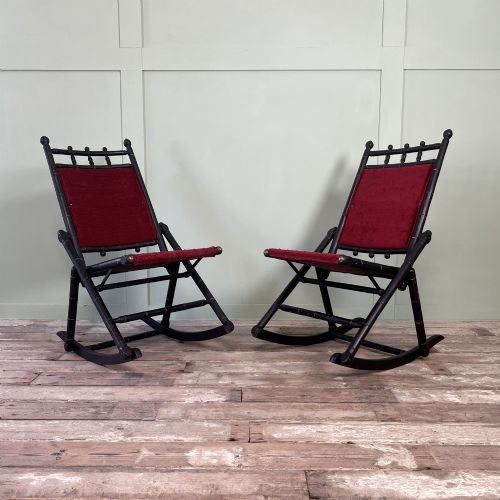
Alongside full-sized armchairs, the listings frequently include smaller child variants and folding designs. These diverse origins span English regional workshops, Scottish vernacular makers, and Scandinavian styles, creating a broad church of traditional rocking furniture.
How They Were Made
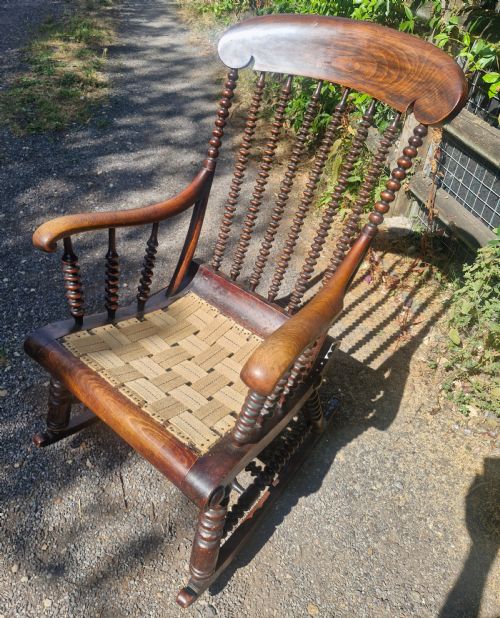
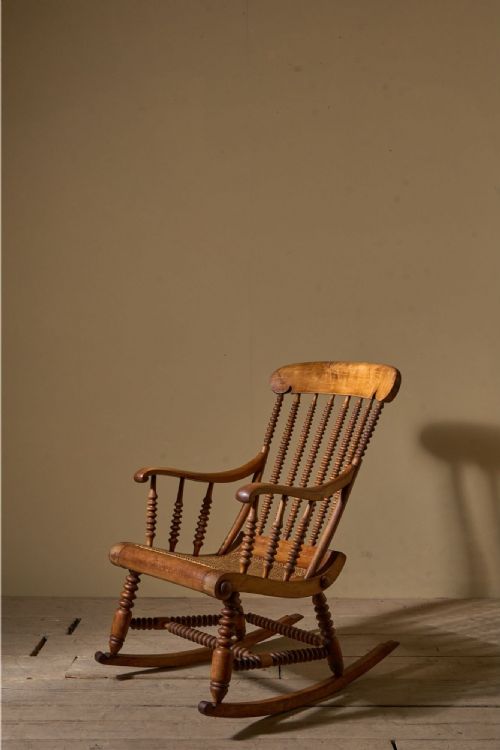
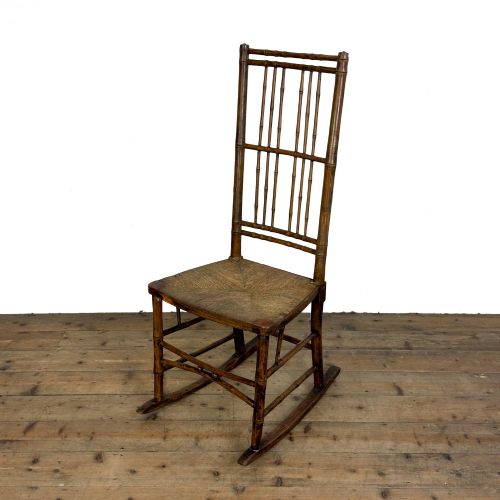
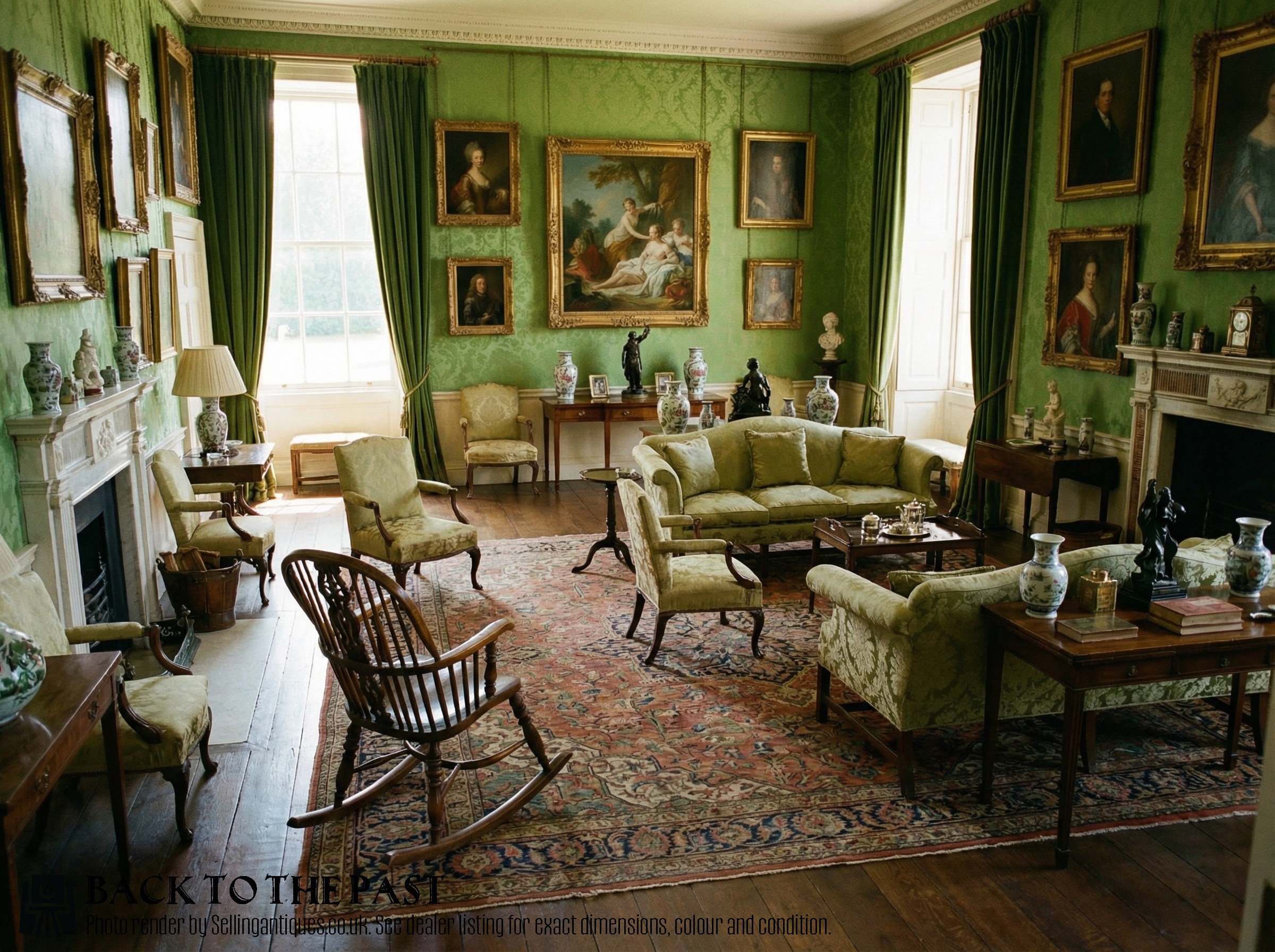
Craftsmen built these chairs using a combination of solid hardwoods and traditional joinery, turning spindles on lathes and bending wood with steam where curves were required. Timbers such as mahogany, oak, and fruitwood formed the sturdy frames, while seats often combined solid wood with woven rush or cane inserts.
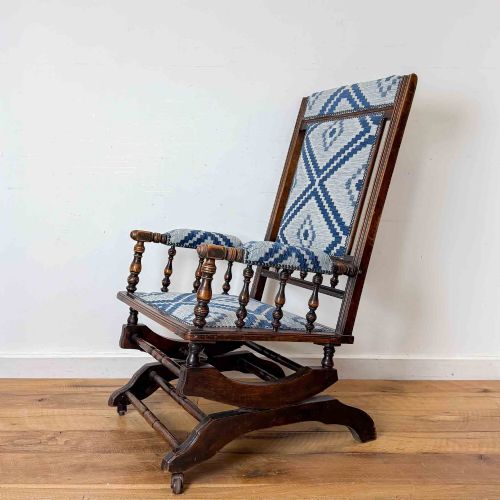
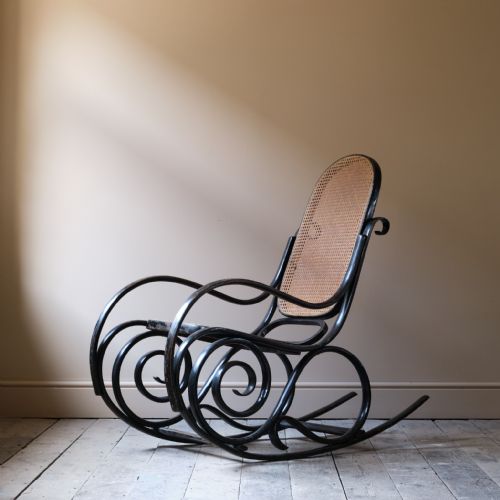
Makers utilised distinct regional techniques, from the comb-back construction of vernacular country pieces to the steam-bent components of later bentwood models. Surfaces received simple finishes, original paint, or occasional tapestry upholstery depending on whether the chair belonged in a farmhouse kitchen or a formal drawing room.
Antique Wooden Rocking Chair Retail Price Guide 2026
Typical asking prices for wooden rocking chair among the pieces listed under this phrase on Sellingantiques today, from the lower quarter to the upper quarter. They describe what is for sale here now, not the wider market.
Listings feature robust nineteenth-century Windsor designs alongside delicate Edwardian occasional seating and painted Swedish vernacular pieces.
What Varies in Quality
The distinction between ordinary and exceptional pieces rests primarily on the integrity of the timber and the retention of original surfaces. Chairs retaining untouched patination, original paint, or early finish stand apart from those subjected to heavy restoration or aggressive cleaning.
Structural harmony also dictates standing, as rocking chairs endure significant mechanical stress through constant motion. Superior examples demonstrate expert balancing on the rockers, tight joints without excessive modern intervention, and fine execution of turnings or carvings.
Jacob and Josef Kohn
The Antique Wooden Rocking Chair Glossary
- Windsor
- A chair built with a solid wooden seat into which the legs and back spindles are directly tenoned. These sturdy forms dominate rural and provincial seating.
- Vernacular
- Everyday objects made by local craftspeople using regional traditions rather than high-style metropolitan designs. These pieces tell the story of domestic life without architectural pretension.
- Bobbin turned
- Furniture legs and stretchers shaped on a lathe to resemble a series of wooden reels or bobbins. This decorative turning technique appears frequently on nineteenth-century framing.
- Comb-back
- A Windsor chair variation where the top rail resembles the spine of a comb, holding numerous vertical spindles. This regional vernacular style offers exceptional back support.
- Bentwood
- Wood softened by steam and bent into curved structural forms, famously utilised in nineteenth-century Austrian and Scandinavian seating. This technique creates lightweight yet resilient frames.
Antique Wooden Rocking Chair: Frequently Asked Questions
How do I date an old rocking chair?
Dating relies on examining the construction methods, timber choices, and tool marks visible beneath the seat or along the frame. Hand-turned spindles and regional vernacular styles usually point to the eighteenth or early nineteenth century.
Later Victorian and Edwardian examples often incorporate machine-turned components, factory-applied finishes, or upholstered elements. Comparing the style of the arm supports and the curvature of the rockers against known period pieces helps narrow down the decade.
Were all rocking chairs made as rockers originally?
Many nineteenth-century rocking chairs started life as standard stationary armchairs and were converted later by having curved wooden rockers attached to the feet. This practice was common in country households wishing to update older fireside seating.
Original factory or workshop rockers generally feature legs proportioned and angled specifically to accommodate the curved base without altering the seat height unnaturally. Inspecting the underside where the legs meet the rockers reveals whether the pairing is original to the piece.
How do I care for a wooden rocking chair?
Maintain the timber by keeping the chair away from direct heat sources and sudden humidity changes that cause wood to split. Dust regularly with a soft cloth and apply quality beeswax periodically to nourish the dry antique surface.
Avoid modern liquid polishes containing silicones, which build up harmful layers over time. Check the joints and screws beneath the seat occasionally to ensure the rocking motion has not loosened the structural connections.
Are antique rocking chairs comfortable for daily use?
Traditional rocking chairs often offer surprising ergonomic comfort, particularly designs with high spindle backs or deep Windsor seats. However, nineteenth-century seat heights and depths occasionally differ from modern seating standards.
Adding a simple period-appropriate loose cushion enhances comfort without compromising the historic character of the chair. The gentle motion provides a soothing seating experience suited to reading rooms and nurseries.