
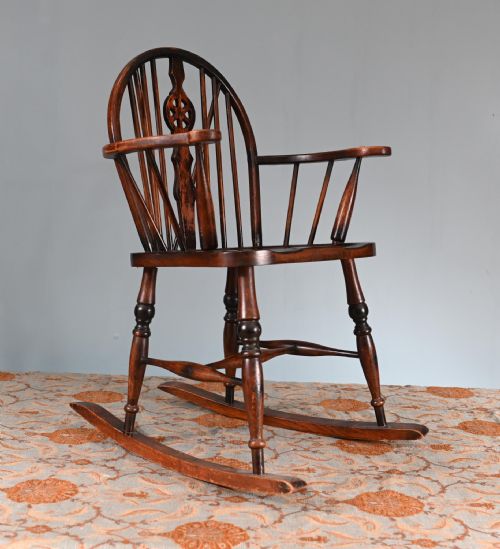


Brown Wooden Rocker
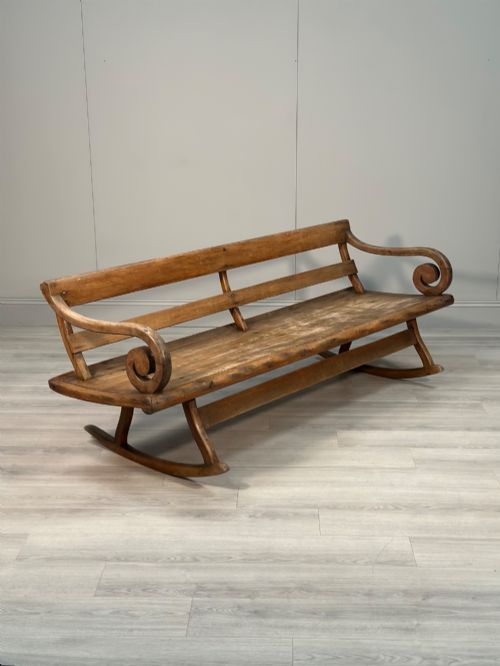
A brown wooden rocker brings domestic history into a room, offering gentle motion through traditional craft.
Brown Wooden Rocker
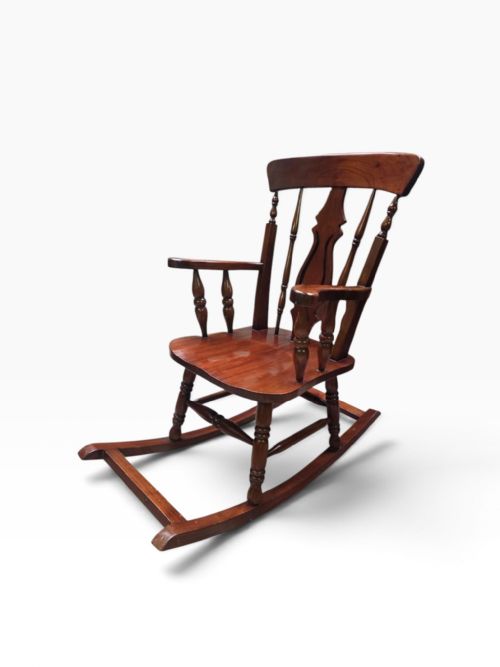
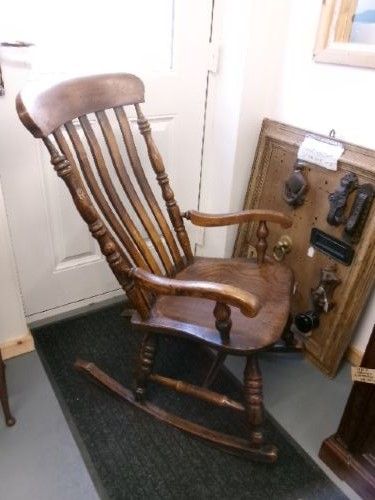
A brown wooden rocker encompasses vernacular seating and nursery furniture designed for movement, spanning centuries of British and international cabinet-making. When searching for a brown wooden rocker, buyers encounter robust farmhouse seating, Windsor forms, and smaller child-sized pieces.
The material palette draws heavily on native timbers such as elm, beech, ash, and oak, often paired with cane or leather seats. Victorian and Edwardian examples dominate the selection alongside earlier Georgian and Regency specimens.
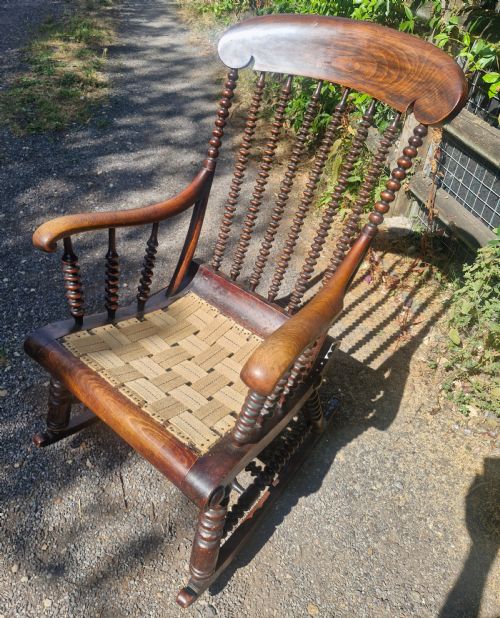
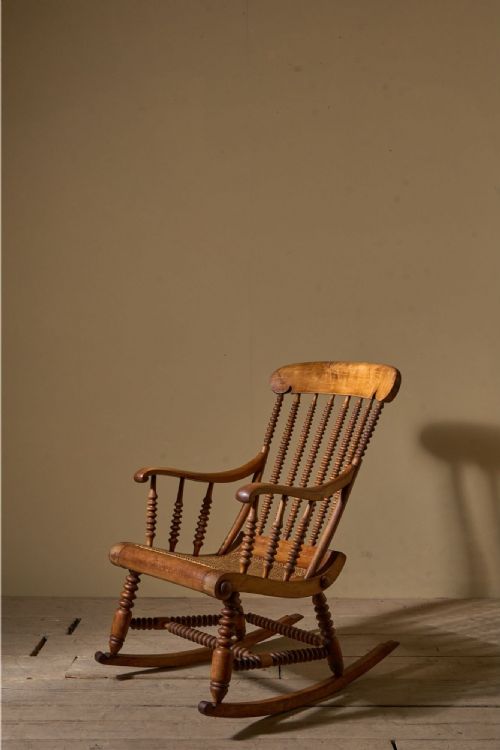
Forms range from spindle-backed fireside chairs and ladder-backs to bobbin-turned frames, children's cradles, and occasional armchairs. Each piece reflects the utilitarian needs of domestic spaces through changing stylistic periods.
Materials and construction methods
Traditional makers built these chairs using solid timbers selected for strength and flexibility, employing elm for shaped seats and ash or beech for spindles and bent parts. Turning lathes shaped components like bobbin frames and spindle backs.
Joinery relied on pegged mortise and tenon joints, steam bending for curved elements, and combinations of hardwood and softwood depending on the regional workshop tradition.
Brown Wooden Rocker Retail Price Guide 2026
Typical asking prices for brown wooden rocker among the pieces listed under this phrase on Sellingantiques today, from the lower quarter to the upper quarter. They describe what is for sale here now, not the wider market.
Listings feature pieces spanning the eighteenth, nineteenth, and early twentieth centuries, constructed from elm, beech, oak, and mahogany.
Distinguishing quality in traditional rocking chairs
Quality rests upon the integrity of the timber, the balance of the rocker rails, and the retention of original surfaces rather than modern refinishing. Regional vernacular pieces demonstrate varying levels of joinery skill from provincial turners compared to urban cabinet-makers.
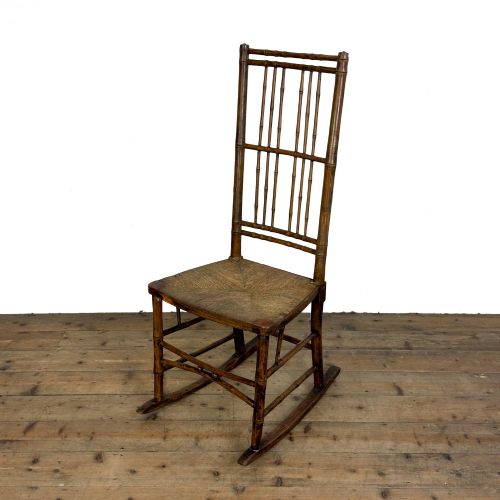
The preservation of original woven cane, leather seats, or turned spindles directly influences the historical weight of the object.
Thonet
The Brown Wooden Rocker Glossary
- Windsor
- A chair built with a solid wooden seat into which the legs and back spindles are directly tenoned. These regional chairs often feature carved saddle seats and bentwood hoops.
- Bobbin turned
- Furniture components shaped on a lathe to resemble a series of wooden reels or bobbins. This decorative turning style appears frequently on nineteenth-century vernacular frames.
- Comb-back
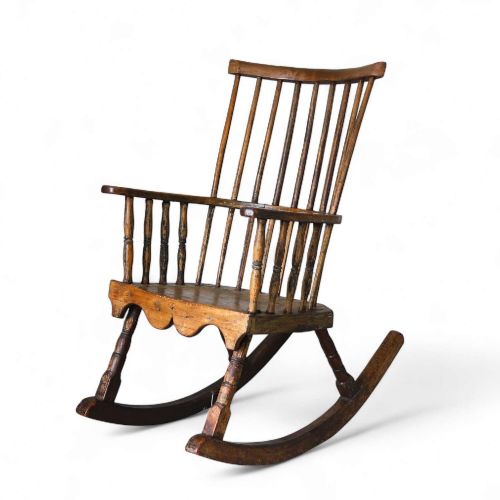
- A Windsor chair variation where the top rail resembles the teeth of a comb, extending the vertical spindles upwards. This construction provides robust support for the sitter's back.
- Spindle back
- A chair back constructed from multiple slender turned wooden rods fitted between a top and bottom rail. This method creates a light yet rigid support structure.
- Vernacular
- Everyday objects made by regional craftsmen using local materials and traditional methods, rather than following high-style academic design. These pieces prioritize utility and local resourcefulness.
Brown Wooden Rocker: Frequently Asked Questions
How do I identify a Victorian rocking chair?
Victorian examples often feature turned wooden frames, mahogany or walnut construction, and upholstery or cane seating.
Look for design motifs typical of the nineteenth century, including bobbin turnings, spindle backs, and lower seat heights designed for fireside use.
Were all rocking chairs used indoors?
Most brown wooden rockers served inside domestic spaces like nurseries, parlours, and bedrooms for nursing infants or relaxing by the hearth.
Their sturdy timber construction of elm, oak, and beech suited daily domestic labour.
What is a childs potty rocker?
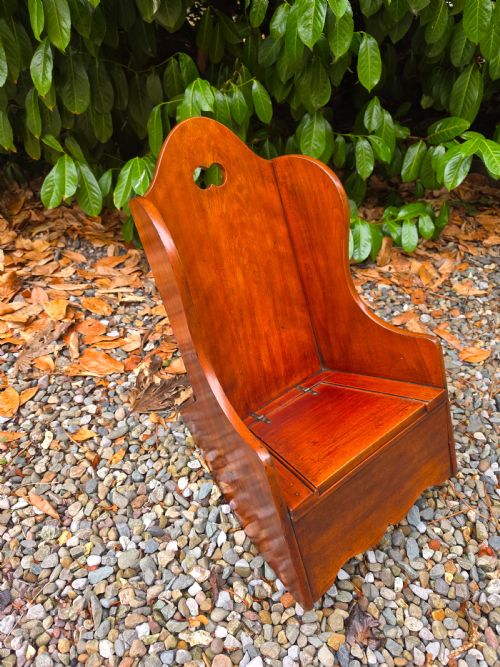
A child's potty rocker is a small historical chair fitted with a concealed aperture beneath the seat for nursery use.
These compact pieces combined practical child-rearing furniture with the soothing motion of mounted wooden rockers.
How do I care for antique wood?
Maintain antique wooden surfaces by keeping them away from direct heat sources and sudden humidity fluctuations.
Apply occasional appropriate wax polish to nourish dry timber and preserve the historic finish.